
Flaxseeds and Prostate Health: A Natural Support Option for Men Over 50
Many men over 50 live with the daily discomfort of an enlarged prostate. Frequent nighttime urination, a weak urine stream, and the nagging sensation of not fully emptying the bladder can disturb sleep, drain energy, and gradually wear down quality of life. Everyday tasks may start to feel more tiring and disruptive.
Alongside medical care and healthy habits, certain nutrient-dense foods are being studied for their potential to support prostate wellness. One of the most promising among them is flaxseed. Emerging research suggests that ground flaxseeds may offer meaningful, natural support as part of a balanced lifestyle.

In this guide, you’ll learn why flaxseeds are attracting attention for prostate health and how to incorporate them into your routine in simple, practical ways.
Why Flaxseeds Are Being Studied for Prostate Support
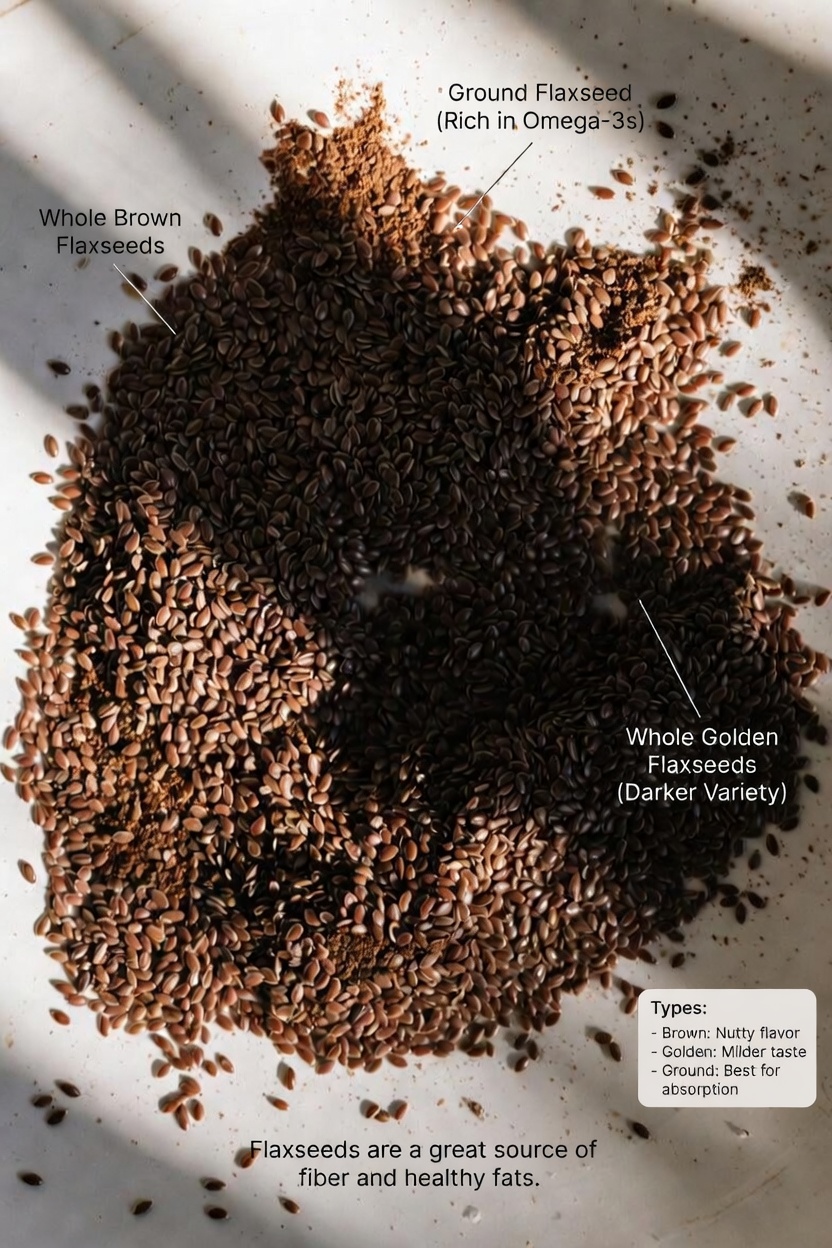
Flaxseeds (also called linseeds) are small seeds with an impressive nutritional profile. They are rich in:
- Plant-based omega-3 fatty acids, especially alpha-linolenic acid (ALA)
- Soluble and insoluble fiber
- Lignans, a unique group of phytoestrogen and antioxidant compounds
Lignans in flaxseeds act as weak plant hormones and antioxidants, and they may influence biological pathways involved in hormone metabolism and cellular growth.
Clinical research has begun to explore this connection:
- Some studies involving men with prostate concerns have noted favorable changes in biological markers after adding flaxseeds to the diet.
- In one randomized trial, men who consumed about 30 grams of ground flaxseeds daily (around 3 tablespoons) showed lower rates of cell proliferation in prostate tissue compared with men who did not take flaxseeds.
- Other research indicates that lignans may affect hormone-related pathways relevant to prostate function.
Beyond the prostate, the anti-inflammatory effects of ALA and the gut-supportive role of fiber contribute to overall health—particularly important as men age and aim to maintain energy, mobility, and resilience.
Key Nutrients in Flaxseeds and How They May Help
Here’s a closer look at the main components that make flaxseeds stand out for men’s health and prostate support:
-
Lignans (e.g., SDG – secoisolariciresinol diglucoside)
- In the gut, lignans are converted into compounds called enterolignans, including enterolactone.
- Some research links higher enterolactone levels with beneficial effects on hormone balance and reduced inflammation, which may be relevant for prostate health.
-
Omega-3 Fatty Acids (ALA)
- ALA is a plant-derived omega-3 that may help counter low-grade inflammation, a factor involved in many age-related conditions.
- Reducing inflammation can support general tissue health, including in the urinary and reproductive systems.
-
Fiber
- Flaxseeds provide both soluble and insoluble fiber, which supports regular bowel movements and a healthy gut microbiome.
- Better digestion and more stable blood sugar and hormone levels may indirectly support prostate wellness.
-
Antioxidants
- Flaxseeds contain various antioxidant compounds that help combat oxidative stress.
- Since oxidative damage tends to increase with age, antioxidants can play a role in protecting cells throughout the body, including prostate tissue.
While study results are not entirely uniform and more large, long-term trials are still needed, this combination of lignans, omega-3s, fiber, and antioxidants is a key reason flaxseeds are often recommended as a natural nutritional ally for men’s health.
What Research Says About Flaxseeds and Prostate Health
Several human and animal studies have explored how flaxseeds and flaxseed-derived compounds may influence prostate health and urinary symptoms:
-
Randomized controlled trial in men awaiting prostate surgery
- Participants who included ground flaxseeds in their diet showed reduced prostate cell proliferation compared with those on a control diet, even when fat intake was controlled.
- This suggests flaxseeds may help slow the rate at which certain prostate cells multiply.
-
Animal studies on benign prostatic hyperplasia (BPH)
- In experimental models of BPH, diets or extracts containing flaxseeds have been associated with reduced prostate enlargement and improved tissue structure.
- While animal data cannot be directly equated with human outcomes, they support the biological plausibility of flaxseed’s effects.
-
Human trial with lignan-rich flaxseed extract
- Men taking flaxseed-derived lignans over several months experienced improvements in lower urinary tract symptoms (for example, those measured by the International Prostate Symptom Score).
- In some cases, the symptom relief was comparable to that seen with standard management strategies.
These findings, published in peer-reviewed journals, suggest that flaxseeds and their lignans may play a supportive role in prostate and urinary health. However, they should be viewed as complementary to, not a replacement for, professional medical evaluation and treatment.
How to Add Flaxseeds to Your Daily Routine
If you’d like to test flaxseeds as part of a prostate-friendly lifestyle, it’s best to start gradually and be consistent.
1. Choose the Right Form
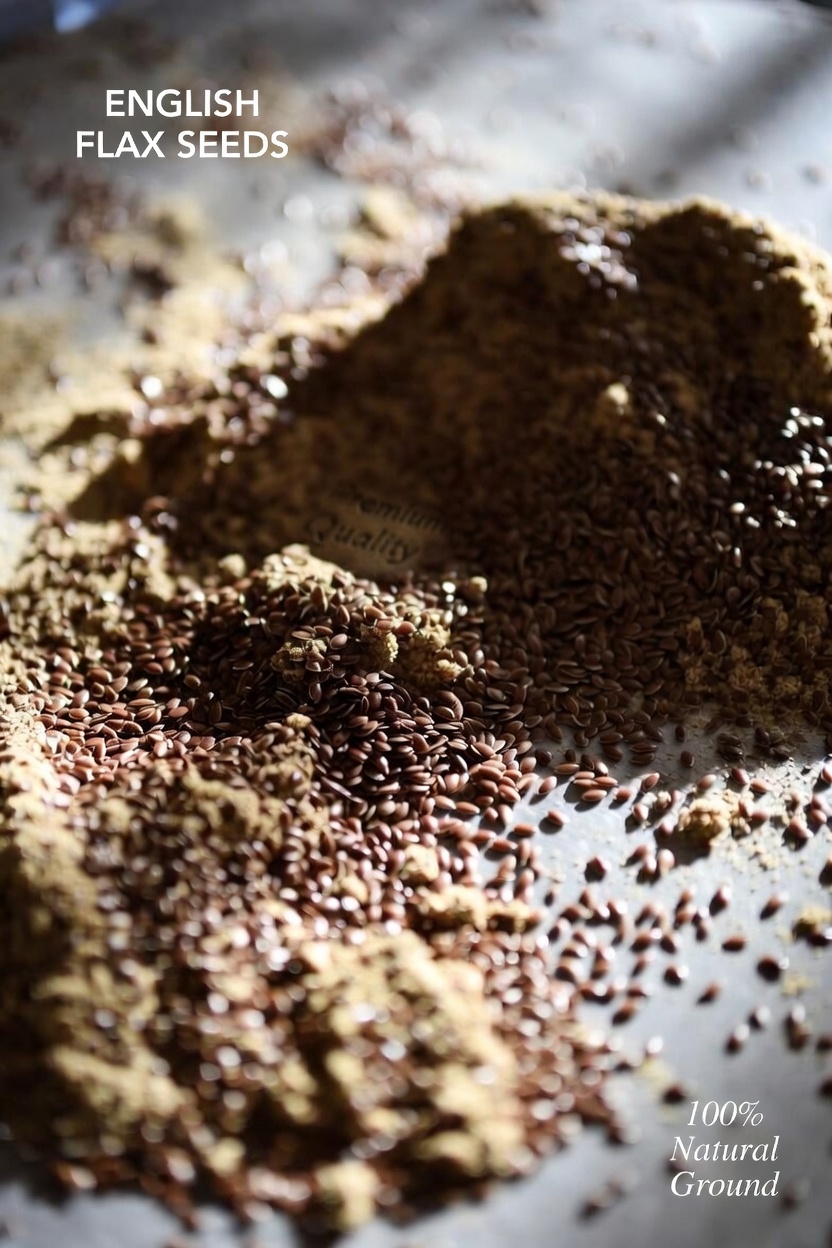
- Use ground flaxseeds: Whole seeds often pass through the digestive tract without being fully broken down, meaning you miss many of the benefits.
- You can buy pre-ground flaxseeds (flax meal) or grind whole seeds at home with a coffee grinder or high-speed blender.
- Store ground flaxseeds in an airtight container in the refrigerator or freezer to help prevent oxidation and maintain freshness.
2. Aim for a Practical Daily Amount
- Research often uses 20–30 grams per day, roughly 2–3 tablespoons of ground flaxseeds.
- For most people, it’s wise to begin with 1–2 tablespoons (10–20 grams) daily and slowly increase if tolerated.
3. Easy Ways to Use Flaxseeds
You can incorporate ground flaxseeds into many everyday meals without major changes to your diet:
- Sprinkle over oatmeal, yogurt, or fruit bowls
- Blend into smoothies or protein shakes
- Stir into soups, stews, or sauces after cooking
- Mix into salads or homemade salad dressings
- Add to baked goods, such as muffins, pancakes, or bread
- Combine into homemade energy bars or bliss balls
Hydration tip: Because flaxseeds are high in fiber, increase your water intake as you add them to your diet to support comfortable digestion and minimize bloating.
Additional Health Benefits Beyond the Prostate
While many men are interested in flaxseeds for prostate support, the seeds can offer broader advantages for overall wellness:
-
Cardiovascular support
- Flaxseeds may help improve cholesterol profiles and support heart health, an important consideration as cardiovascular risk rises with age.
-
Digestive health
- The fiber in flaxseeds promotes regular bowel movements and may help prevent constipation.
-
General anti-inflammatory effects
- ALA and other compounds can help modulate inflammation, supporting joint comfort, energy levels, and overall vitality.
Many men who consistently include flaxseeds as part of a balanced diet report feeling more comfortable and steady in their daily routines, although individual experiences naturally differ.
Important Considerations and Safety
Flaxseeds are generally considered safe for most people when eaten in typical food amounts, but there are a few points to keep in mind:
-
Introduce gradually
- Start with small amounts to allow your digestive system to adapt and reduce the likelihood of gas, bloating, or loose stools.
-
Hormone-sensitive conditions
- If you have a hormone-related condition (such as certain types of cancer) or are concerned about phytoestrogens, discuss flaxseed intake with your healthcare provider.
-
Thyroid and medications
- People with thyroid issues or those taking specific medications (including blood thinners) should consult a doctor before significantly increasing flaxseed consumption.
-
Quality and storage
- Use fresh, properly stored seeds to avoid rancidity, which can reduce benefits and affect taste.
Conclusion
Flaxseeds are a simple, nutrient-rich food that may help support prostate health as part of a comprehensive wellness plan. Their lignans, omega-3 fatty acids, fiber, and antioxidants work together to promote a healthier internal environment and can complement lifestyle strategies such as regular exercise, adequate hydration, stress management, and routine medical check-ups.
While flaxseeds are not a cure or primary treatment for prostate conditions, thoughtfully adding them to your daily diet can be a practical step toward maintaining comfort and quality of life as you age. If you’re experiencing urinary or prostate-related symptoms, always speak with your doctor to develop a personalized plan—dietary changes work best alongside professional guidance.
FAQ
How much flaxseed should I eat daily for potential prostate support?
Most research uses about 20–30 grams per day, equal to roughly 2–3 tablespoons of ground flaxseeds. It’s advisable to start with a smaller amount (1–2 tablespoons) and increase gradually as your body adjusts.
Are there side effects from eating flaxseeds?
Flaxseeds are generally well-tolerated. However, because they are high in fiber, larger amounts may cause:
- Bloating
- Gas
- Loose stools
These effects are usually mild and improve as your body adapts. Using fresh, ground flaxseeds and drinking enough water can help minimize discomfort.
Can flaxseeds replace medical treatment for prostate problems?
No. Flaxseeds are a supportive dietary tool, not a substitute for medical diagnosis or treatment. They do not cure or directly treat prostate diseases. If you have symptoms such as frequent urination, pain, or changes in urinary function, consult a healthcare professional for appropriate evaluation and management.