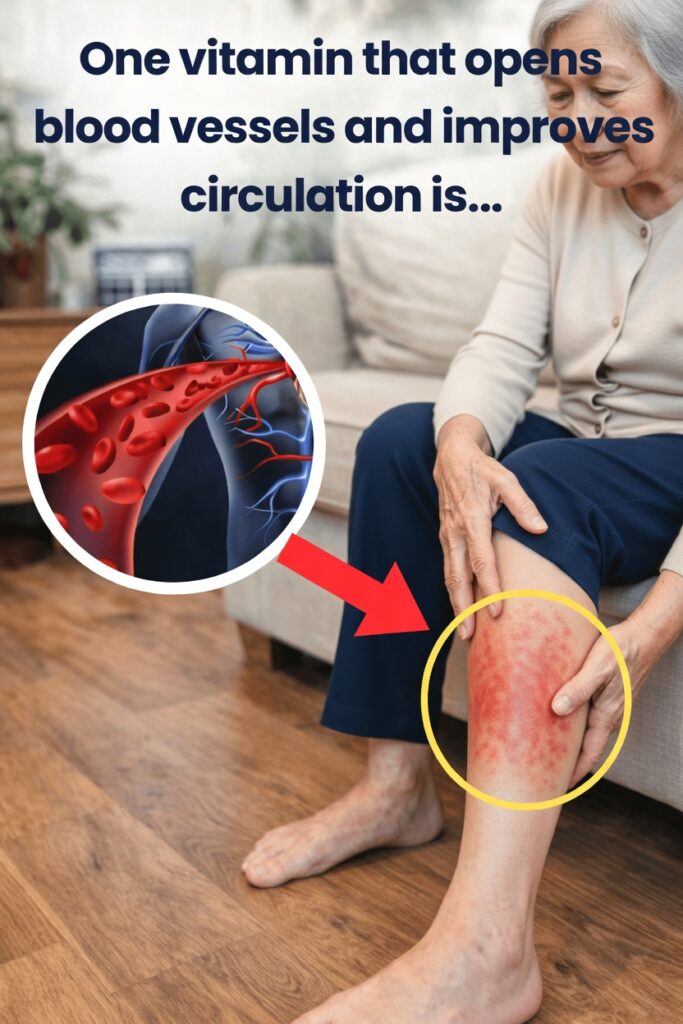
The Underrated Vitamin That Helps Support Leg Circulation After 50
As the years go by—particularly once we pass 50—it’s common to notice subtle shifts in how our legs and feet feel. A sense of heaviness by late afternoon, occasional pins and needles, or the feeling that blood just isn’t flowing as smoothly as it used to can make ordinary tasks feel more draining than before.
Because of gravity and age-related changes in blood vessel flexibility, circulation issues often show up first in the lower legs and feet. The encouraging news: thoughtful nutrition, especially certain key vitamins, can help your body maintain healthy blood flow and vascular function.
One vitamin in particular consistently stands out in research for its role in supporting flexible blood vessels and overall circulation—and its importance tends to increase as we age. Keep reading to find out which vitamin this is and how to naturally include more of it in your daily diet.
Why Circulation Often Changes After Age 50
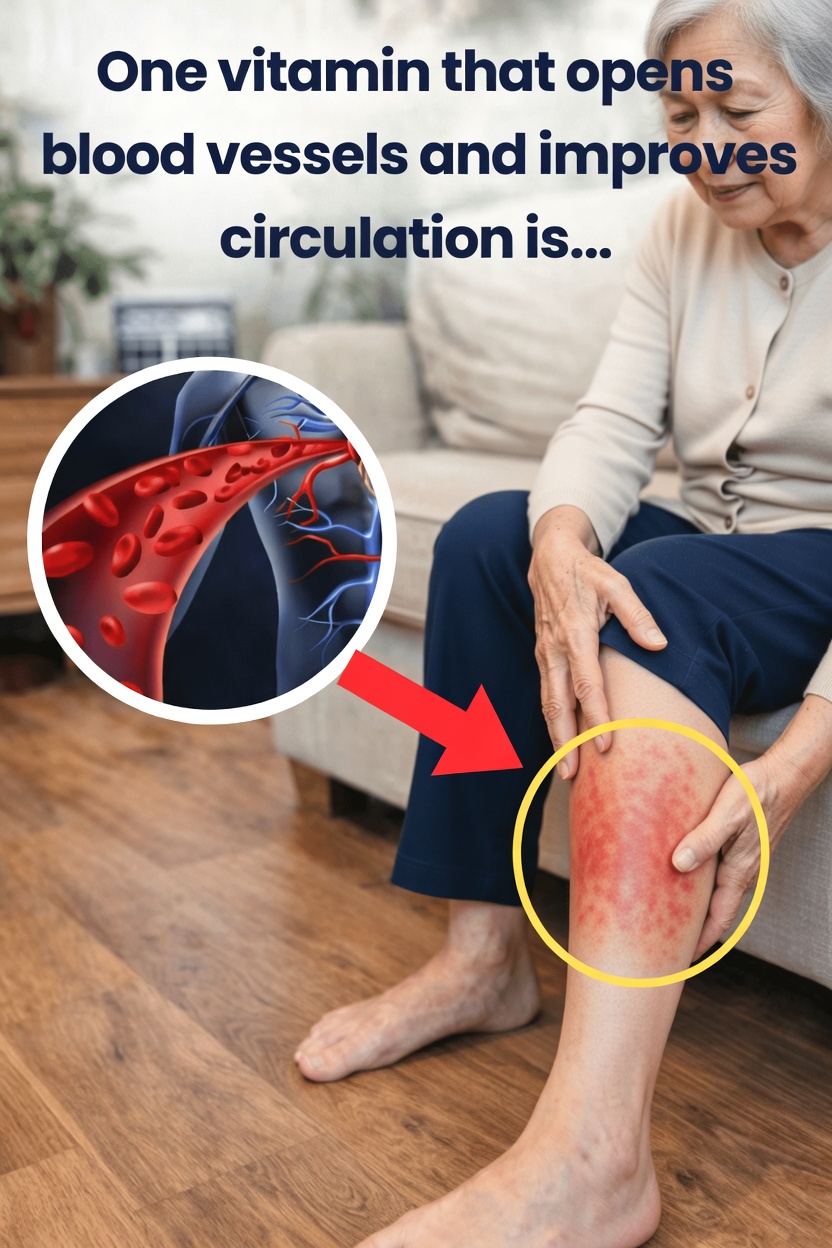
As we get older, our blood vessels gradually lose some of their natural elasticity. The inner lining of the vessels—the endothelium—can also become less responsive. When this happens, it’s harder for blood to move efficiently, especially to the areas farthest from the heart, like the legs and feet.
Two key changes are especially important:
- Reduced elasticity: Vessel walls may stiffen over time, making it more difficult for them to expand and contract.
- Declining endothelial function: The endothelium may produce less nitric oxide, a molecule that signals blood vessels to relax and widen.
Nitric oxide is crucial for smooth, easy blood flow. As its production becomes less efficient with age, supporting it through lifestyle and nutrition becomes more valuable.
On top of that, modern habits can compound the problem:
- Long hours sitting at a desk or in a car
- Less daily movement than in earlier decades
- Ongoing stress that affects the cardiovascular system
The result can be legs that feel cooler, heavier, or more tired by the evening. While no single nutrient is a magic cure, dietary choices can meaningfully support healthy circulation as part of a broader lifestyle approach.
The Vitamin That Gets the Spotlight for Vascular Support: Vitamin C
Vitamin C (ascorbic acid) frequently appears in discussions about vascular health and circulation because of its dual role as a collagen builder and a powerful antioxidant.
Here’s why it matters for your blood vessels:
- Collagen support: Collagen forms much of the structural “framework” of blood vessel walls. Vitamin C is essential for making collagen, helping vessels stay strong yet flexible.
- Endothelial support: Research suggests vitamin C can help improve nitric oxide availability, assisting blood vessels in relaxing and promoting smoother blood flow.
- Antioxidant defense: Vitamin C helps neutralize free radicals, which can damage cells and contribute to stiffening of blood vessels over time.

Why Vitamin C Becomes Even More Relevant After 50
With age, the body’s natural antioxidant defenses often decline, and exposure to everyday oxidative stress—from pollution, poor diet, smoking, or chronic stress—can affect vessel health. This makes vitamin C especially valuable for adults over 50 because it:
- Helps protect blood vessel cells from oxidative damage
- Supports the structural integrity of veins and arteries through collagen synthesis
- Contributes to better endothelial function and vascular relaxation
A number of studies associate adequate vitamin C intake with healthier endothelial performance and overall cardiovascular well-being.
How Vitamin C Helps Everyday Circulation
Vitamin C’s benefits for circulation go beyond just “stronger vessels.” It supports daily comfort and leg health through several key actions:
-
Reinforces vessel walls
By helping the body produce collagen, vitamin C contributes to resilient, flexible blood vessel walls that can better handle changes in pressure. -
Combats oxidative stress
As an antioxidant, vitamin C helps shield vessels from free radical damage, which can interfere with normal blood flow and vessel function. -
Supports nitric oxide pathways
Evidence suggests that vitamin C enhances the pathways involved in nitric oxide production and stability, which supports natural vessel dilation and healthy circulation.
Health resources and vascular research frequently highlight vitamin C as a standout nutrient for adults noticing changes in leg comfort, energy, or circulation—especially after midlife.
Other Helpful Nutrients for Healthy Blood Flow
While vitamin C plays a central role, optimal circulation is supported by a team of nutrients working together. A well-rounded diet that includes the following can provide additional vascular benefits:
-
Vitamin E
Acts as a fat-soluble antioxidant that helps protect the lining of blood vessels and supports smoother platelet function, which is important for healthy blood flow. -
B Vitamins (especially B3/niacin)
Certain B vitamins contribute to normal vessel relaxation and can support healthy cholesterol levels, both of which influence circulation. -
Vitamin D
Involved in regulating vascular tone and may help reduce low-grade inflammation that impacts cardiovascular health. -
Vitamin K
Supports overall vascular integrity and plays a role in calcium regulation, which is important for healthy arteries.
Focusing on a varied diet rich in fruits, vegetables, whole grains, nuts, seeds, and healthy fats allows these nutrients to work together, rather than relying on just one vitamin alone.
Simple Ways to Naturally Increase Your Vitamin C Intake
You don’t need complicated meal plans to boost vitamin C—many everyday foods are excellent sources. Here are practical ideas you can use right away:
-
Begin the day with citrus fruit
One medium orange contains over 70 mg of vitamin C, which already meets or exceeds the daily recommendation for most adults. -
Add bell peppers to salads and stir-fries
A single red bell pepper can provide around 190 mg of vitamin C, making it one of the richest common sources. -
Snack on vitamin C–rich fruits
Strawberries, kiwi, and blueberries are all flavorful ways to increase both vitamin C and overall antioxidant intake. -
Include cruciferous vegetables at lunch or dinner
Steamed or roasted broccoli and Brussels sprouts typically offer 50–100 mg per serving. -
Don’t overlook tomatoes and potatoes
Tomatoes (fresh or cooked) and baked potatoes with the skin on can also contribute meaningful amounts of vitamin C.
Most adults are advised to aim for roughly 75–90 mg of vitamin C per day, with higher needs for smokers or those under high stress. Food sources are preferable because they provide vitamin C alongside fiber, minerals, and other beneficial plant compounds.
Quick Comparison: Top Food Sources of Vitamin C
Here’s a simple reference to help you choose vitamin C–rich foods:
- Orange (1 medium): ~70 mg
- Red bell pepper (½ cup, raw): ~95 mg
- Kiwi (1 medium): ~70 mg
- Strawberries (1 cup): ~98 mg
- Broccoli (½ cup, cooked): ~51 mg
These foods are easy to incorporate into most eating patterns and offer additional health benefits beyond vitamin C alone.

Lifestyle Habits That Work Hand in Hand With Nutrition
To get the most from vitamin C and other circulation-supportive nutrients, pair them with simple daily habits that help blood flow—especially to the legs:
-
Move your body regularly
Short activity breaks of 10–15 minutes, such as walking, light stretching, or climbing stairs, help your leg muscles pump blood back toward the heart. -
Elevate your legs when you can
Propping your legs up on a pillow or footrest when resting counteracts gravity and can ease feelings of heaviness. -
Stay well hydrated
Adequate fluid intake helps maintain normal blood viscosity; dehydration can make blood thicker and circulation less efficient. -
Avoid sitting for long stretches
Try not to sit for several hours without standing up. Uncross your legs periodically to avoid compressing blood vessels. -
Wear supportive, comfortable footwear
Shoes that fit well and do not constrict the feet or calves, plus avoiding overly tight clothing around the lower legs, can make a noticeable difference.
These habits, combined with nutrient-dense meals, can contribute to more comfortable legs and less fatigue by the end of the day.
What You Can Realistically Expect
Many people notice improvements such as lighter-feeling legs, reduced evening heaviness, or better overall energy when they consistently:
- Get enough vitamin C from food
- Maintain a balanced intake of supportive nutrients
- Stay physically active and avoid prolonged sitting
However, responses are individual and depend on overall health, existing conditions, and lifestyle. Vitamin C is not a quick fix or a replacement for medical care; instead, it’s part of a sustainable approach to long-term vascular and circulation health.
When to Seek Medical Advice
If you notice any of the following, contact a healthcare professional promptly:
- Persistent or worsening swelling in the legs or feet
- Significant pain, cramping, or discomfort that doesn’t improve
- Changes in skin color or temperature in the legs or toes
- Sores on the legs or feet that do not heal
These can be signs of circulation problems or other conditions that require medical evaluation.
FAQ About Vitamin C and Circulation
1. Is vitamin C the only nutrient that supports better circulation?
No. Vitamin C is an important contributor, especially for collagen and antioxidant protection, but it is most effective as part of a broader strategy. Combining adequate vitamin C intake with vitamin E, B vitamins, vitamin D, vitamin K, regular movement, and good hydration offers wider benefits for vascular health.
2. Can most people get enough vitamin C from food alone?
Yes. For the majority of people, a diet that includes a variety of fruits and vegetables can easily meet daily vitamin C needs. Supplements may be useful if your diet is limited or if your doctor recommends them, but it’s wise to consult a healthcare provider before starting any supplement regimen.
3. Does vitamin C become more helpful after age 50?
Research indicates that vitamin C’s roles in collagen formation and antioxidant defense become particularly valuable as natural vessel flexibility and antioxidant capacity change with age. That makes consistent vitamin C intake especially relevant for adults over 50 who want to support circulation and vascular health.
4. Are there risks to taking too much vitamin C?
Vitamin C from food is generally very safe. High-dose supplements, especially far above recommended levels, can cause digestive discomfort in some people, such as diarrhea or stomach upset. Unless advised otherwise by a healthcare professional, stay within recommended daily amounts.
This information is educational in nature and is not a substitute for personalized medical advice, diagnosis, or treatment. Always consult a qualified healthcare provider before making significant changes to your diet, beginning new supplements, or if you have concerns about your circulation or overall health.