
High Creatinine and Fruit: What You Need to Know
Discovering that your creatinine levels are higher than normal can be unsettling—especially when it suddenly raises doubts about everyday foods, including fruit. Creatinine is a waste product that your kidneys are responsible for filtering out. When levels rise, it often indicates that your kidneys are under extra strain, and what you eat can either ease or add to that burden.
Fruit is generally considered healthy, but for people with reduced kidney function, certain fruits can contribute to excess potassium and other imbalances. The reassuring news is that you don’t have to cut out fruit entirely. With a few smart swaps and some portion control, you can still enjoy sweet, refreshing options that align with a kidney-friendly eating plan.
This guide walks you through:
- Which fruits are commonly limited when creatinine is high
- Lower-potassium alternatives that are often easier on the kidneys
- Practical tips for making fruit work for your kidney health
Always remember: these are general guidelines. Your specific needs may differ, so check with your doctor or a renal dietitian for personalized advice.

Why Fruit Choices Matter When Creatinine Is High
Your kidneys play a central role in clearing creatinine from your bloodstream. When they’re not working at full capacity, creatinine and other waste products can build up, and the kidneys can become overloaded.
Many fruits are rich in vitamins, fiber, and antioxidants—but some are also high in potassium. Healthy kidneys usually keep potassium in balance, but when kidney function is reduced, potassium can accumulate in the blood. Elevated potassium levels (hyperkalemia) may place additional stress on the kidneys and, in some cases, affect heart rhythm.
Because of this, kidney health guidelines often recommend:
- Limiting high-potassium fruits to prevent potassium buildup
- Choosing lower-potassium fruits that still deliver hydration, fiber, and antioxidants
Staying well hydrated and including fiber-rich fruits can gently support digestion and overall metabolic health, which indirectly benefits your kidneys.
Let’s break down which fruits are commonly limited—and what you can enjoy more freely instead.
6 Fruits Often Recommended to Limit or Avoid
For people with high creatinine or reduced kidney function, healthcare providers frequently suggest watching portions of certain fruits, mainly due to their potassium content or other potential concerns.
Here are six fruits that are often flagged:
-
Bananas
A medium banana contains roughly 400 mg or more of potassium. While healthy for most people, this can add up quickly if your kidneys can’t remove potassium efficiently. -
Oranges and orange juice
Oranges and their juice are relatively high in potassium and may also contain phosphorus. Many kidney-friendly meal plans suggest limiting them or keeping portions very small. -
Avocados
Nutrient-dense and rich in healthy fats, but one whole avocado can provide close to 1,000 mg of potassium—often too much for a strict low-potassium diet. -
Dried fruits (apricots, raisins, prunes, etc.)
Drying fruit concentrates nutrients, including potassium. Small handfuls of dried fruit can deliver a large potassium load quickly. -
Melons (such as cantaloupe and honeydew)
These refreshing fruits are flavorful but also naturally high in potassium, so they’re typically eaten sparingly on a kidney-conscious plan. -
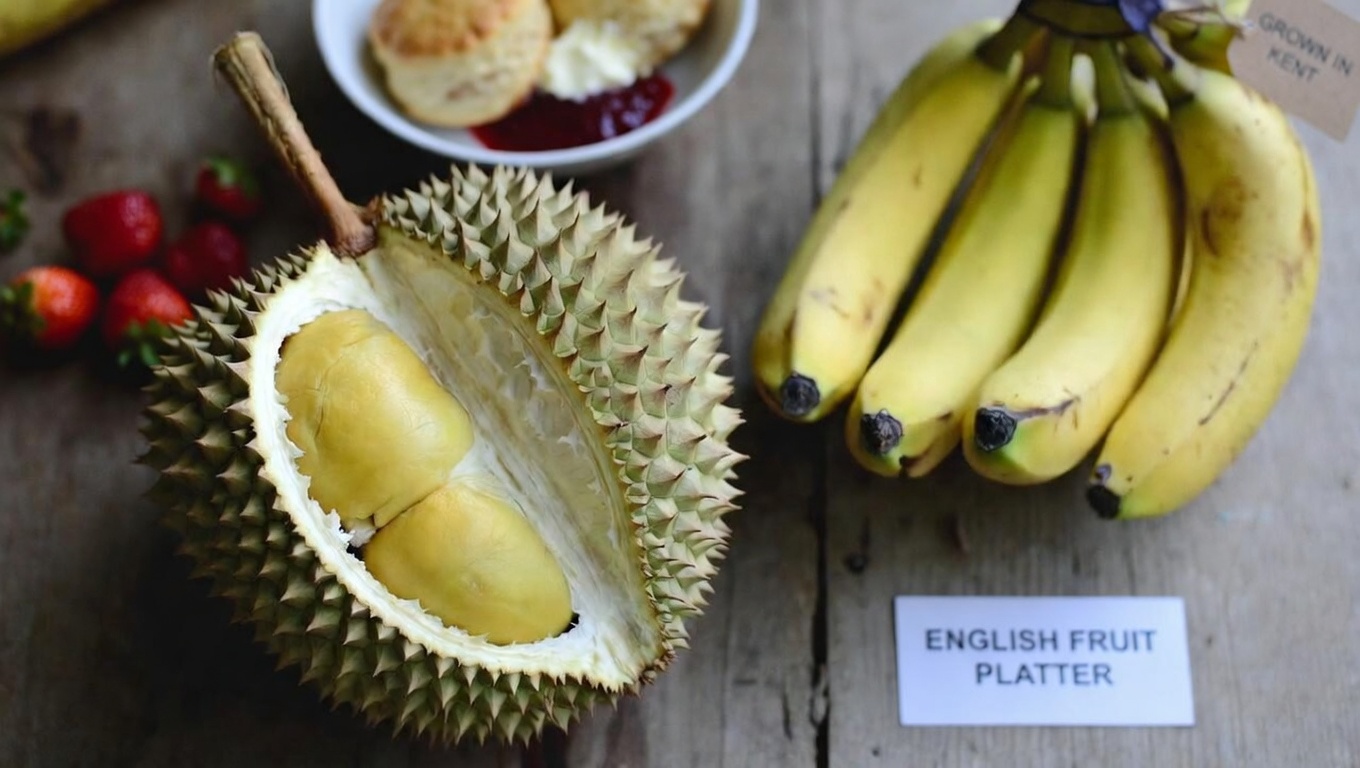
Durian
This tropical fruit is known to be especially high in potassium. There have been case reports of problems in people with kidney issues after consuming large amounts.
Limiting these fruits does not mean you can never enjoy them again. In many cases, moderate portions can be reintroduced under medical guidance, especially once your levels are more stable.
Potassium at a Glance: High vs. Lower-Potassium Fruits
Below is a simplified look at how some common fruits compare in terms of potassium per typical serving (approximate values):
| Category | Fruit & Serving Size | Approx. Potassium per Serving |
|---|---|---|
| Higher-potassium (limit) | Banana (1 medium) | ~422 mg |
| Avocado (1 whole) | ~975 mg | |
| Durian (common portion) | High (varies by portion) | |
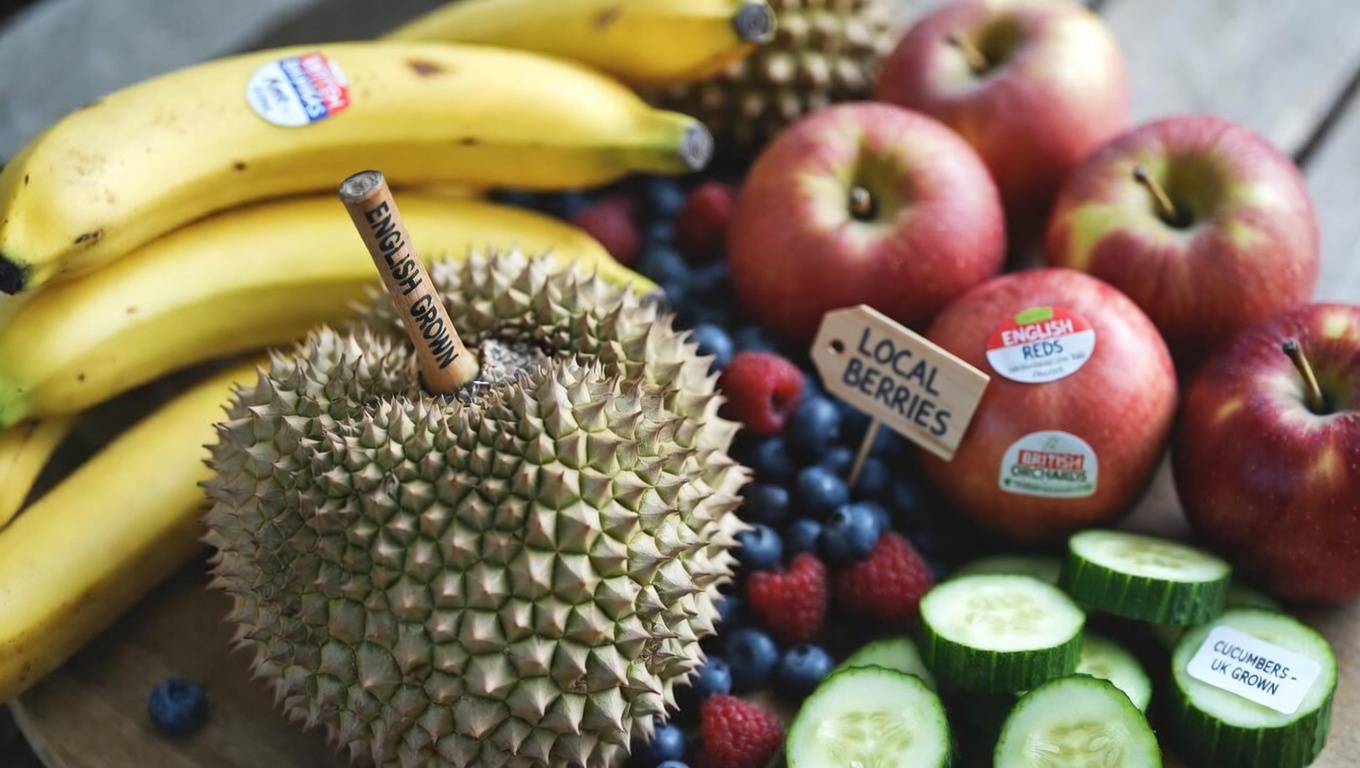
| Lower-potassium (often safer) | Apple (1 medium) | ~195 mg |
| Mixed berries (1 cup) | ~150–200 mg | |
| Cucumber (1 serving) | Very low |
Seeing the comparison side-by-side can make it easier to choose lower-potassium fruits without feeling deprived.
3 Kidney-Friendly Fruit (and Veggie) Choices to Enjoy More Often
When creatinine is elevated, focusing on lower-potassium options can help you protect kidney function while still benefiting from fruit’s nutrients. The following choices are frequently included in kidney-friendly meal plans:
-
Apples
Apples are naturally lower in potassium and provide a good amount of fiber—especially when eaten with the skin. They also contain antioxidants that support overall health. Enjoy them whole as a snack, sliced into salads, or stewed if you prefer something softer. -
Berries (such as blueberries, strawberries, cranberries)
Berries are rich in antioxidants that may help reduce oxidative stress in the body. They typically contain less potassium than many tropical fruits, making them a flavorful and colorful addition to yogurt, porridge, or smoothies formulated for kidney health. -
Cucumbers
Technically a fruit, though commonly used as a vegetable, cucumbers are over 95% water. Their high water content supports hydration, which is important for kidney function (within fluid limits recommended by your doctor). Add slices to water, salads, or sandwiches for a cooling, low-potassium boost.
These options are often highlighted in kidney-conscious diets because they provide flavor, texture, and nutrition with a lower mineral load.
How to Make Fruit Work for Your Kidneys: Actionable Tips
You don’t need a perfect diet to support your kidneys—consistent small changes can make a noticeable difference. Here are practical steps you can start using right away:
-
Control portions
Even low-potassium fruits can add up if you eat them in large quantities. Many plans recommend around 1–2 servings of fruit per day, unless your healthcare provider advises otherwise. -
Combine fruit with good hydration
Drinking enough water (according to your doctor’s recommendation) alongside fruit helps your kidneys flush waste more efficiently. Avoid sugary drinks and rely more on water unless you have fluid restrictions. -
Choose fresh or properly prepared options
- For canned fruits, pick versions packed in water or light syrup, then drain and rinse to help reduce extra sugar and some minerals.
- Avoid fruit products with added salt or unnecessary additives.
-
Keep a simple food log
Track what and how much fruit you eat for a week, along with any symptoms or changes in how you feel. Share this log with your doctor or dietitian so they can fine-tune your plan. -
Work with a kidney diet specialist
A renal dietitian can review your lab results (creatinine, potassium, GFR, and more) and map out a personalized list of fruits and portion sizes that best fit your stage of kidney disease and overall health.
These strategies are meant to give you more control over your health—not to make you feel restricted.
Putting It All Together: Supporting Kidney Health with Smart Fruit Choices
Having elevated creatinine doesn’t mean your meals have to be bland or joyless. By:
- Limiting high-potassium fruits like bananas, oranges, avocados, dried fruits, melons, and durian, and
- Leaning into lower-potassium choices like apples, berries, and cucumbers,
you can still enjoy variety while being mindful of your kidneys’ workload.
Combine thoughtful fruit choices with adequate hydration, portion control, and professional guidance, and you’ll be taking meaningful steps toward better kidney support.
FAQ
What can cause high creatinine levels?
High creatinine is often related to decreased kidney filtration. Common contributing factors include:
- Dehydration
- Certain medications
- Very high protein intake
- Acute or chronic kidney disease
- Other health conditions affecting kidney blood flow or function
Your doctor can evaluate lab results, medical history, and medications to identify the most likely cause in your case.
Can I ever eat the “limit” fruits again?
In many situations, yes—just not necessarily in the same amounts as before. Once your levels are more stable, your healthcare team may allow small portions of higher-potassium fruits occasionally, as long as they fit within your overall potassium and kidney management plan.
How much fruit is too much on a kidney-friendly diet?
There’s no single number that fits everyone, but many kidney-friendly eating plans suggest about 2–3 servings of low-potassium fruits and vegetables per day. The ideal amount for you depends on:
- Your stage of kidney disease
- Your potassium and creatinine levels
- Any fluid restrictions
- Your overall nutrition needs
A renal dietitian can give you a precise daily target and a customized list of fruits that match your lab results and lifestyle.