
Red Onion Tea & Blood Sugar: A Realistic Look
Many people feel discouraged when their blood sugar swings up and down, even though they are already trying to eat healthier and move more. Energy crashes, sudden mid-afternoon hunger, brain fog, and that heavy, uncomfortable feeling after meals can make everyday life far more exhausting than it needs to be.
This is why simple, natural foods that might gently support healthier blood sugar levels are getting so much attention — and one of the most talked‑about ingredients right now is red onion.
In this article, we’ll look at red onion from a practical, science-based point of view — and at the end, you’ll find a popular red onion tea recipe that many people are currently experimenting with.

Why Is Red Onion Getting So Much Attention for Blood Sugar?
Red (purple) onion is not some newly discovered “miracle superfood.” It has been used in everyday cooking in many cultures around the world for centuries.
What’s new is that modern research has begun to focus more closely on certain natural compounds found in red onion — especially the pigments responsible for its deep purple‑red color and several bioactive plant chemicals that may influence blood sugar and metabolic health.
Key Compounds in Red Onion
Researchers are particularly interested in the following components:
- Quercetin – a powerful flavonoid that is especially abundant in red onion
- Anthocyanins – natural pigments that give red onion its rich purple color
- Sulfur compounds – including alliin and allicin-like molecules released when onion is cut or crushed
- Chromium – a trace mineral present in small amounts
- Dietary fiber & prebiotic inulin – support gut health and digestion

These compounds are being studied for their potential roles in:
- Insulin sensitivity
- Inflammation
- Oxidative stress
- Overall metabolic health
What Does Research Say About Red Onion and Blood Sugar?
So far, the scientific picture looks like this:
Findings from Lab and Animal Studies
Many cell and animal studies suggest that components in red onion may:
- Help improve insulin sensitivity
- Reduce certain markers of oxidative stress and inflammation
- Support more stable blood glucose levels in experimental models
Early Human Studies
A few small pilot studies in humans using concentrated onion extracts have reported:
- Modest improvements in fasting blood glucose
- Slight reductions in HbA1c (a marker of long-term blood sugar levels)
However, these results mostly involve standardized, high-dose onion extracts, not ordinary culinary use or homemade onion tea.
A Very Important Reality Check
To keep expectations realistic, it’s helpful to remember:
- The strongest positive results come from concentrated extracts or supplements, not from typical food amounts.
- Eating red onion in normal dishes or drinking red onion tea is likely to have milder, supportive effects, not dramatic changes.
- At this time, there are no large, long-term, high-quality human trials proving that regular red onion tea alone can sharply lower blood sugar.
Bottom line:
Red onion can be a valuable supportive food for metabolic health, but it is not a substitute for medical treatment or prescribed diabetes medication.
How to Make Red Onion Tea (Popular Home Version)
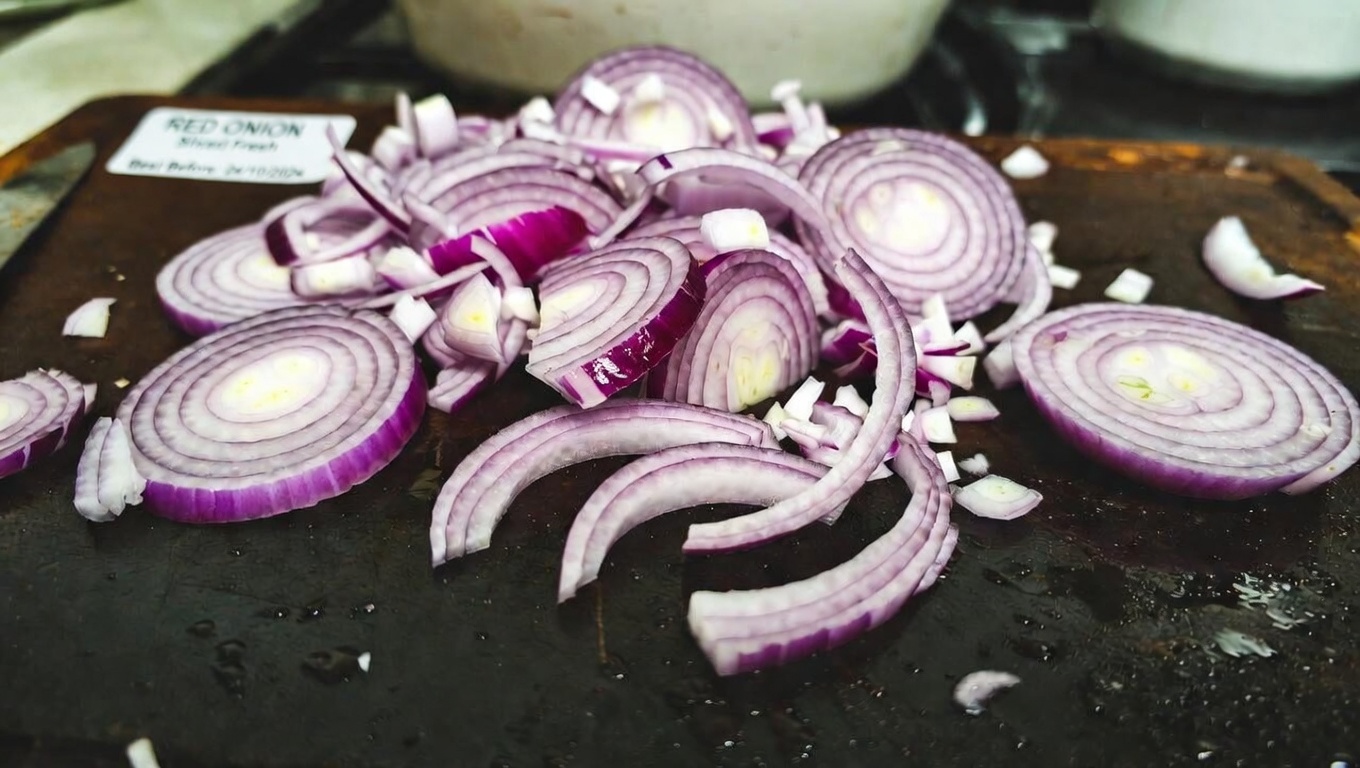
Below is a widely shared recipe for a fairly strong cup of red onion tea.
Ingredients (for 1 strong cup)
- 1 medium red onion (about 120–150 g)
- 350–400 ml clean water
- Optional: 2–3 thin slices of fresh ginger
- Optional: juice of ½ small lime or 1 teaspoon apple cider vinegar (for flavor)
Simple 4-Step Preparation
-
Prep the onion
- Peel the red onion, cut it in half, and slice as thinly as possible.
- Thinner slices increase the contact area and improve extraction of beneficial compounds.
-
Add to pot
- Place all the sliced onion (and ginger, if using) into a small saucepan.
-
Boil and simmer
- Pour in 350–400 ml of water.
- Bring to a boil, then immediately reduce to very low heat.
-
Gently simmer and steep
- Let it simmer gently for about 8–12 minutes.
- Turn off the heat, cover, and allow it to steep for another 10–15 minutes.
How to Drink for the Best Experience
- Strain out the onion slices before drinking.
- You can enjoy it warm or at room temperature.
- Many people prefer 1 cup per day, often:
- In the morning, or
- Between lunch and dinner.
To make the flavor more pleasant, a common adjustment is:
- Add a squeeze of lime or lemon juice, or
- Stir in a small amount of apple cider vinegar
Both options can significantly improve the taste and reduce the onion intensity.
Red Onion for Blood Sugar: 3 Common Ways People Use It
People interested in natural blood sugar support often use red onion in three main forms. Here’s a rough comparison:
| Method | Relative Strength for Blood Sugar Support | Convenience | Taste Challenge | Approx. Daily Quercetin Intake* |
|---|---|---|---|---|
| Normal cooking (salads, stir-fries, soups) | + (gentle support) | ★★★★★ Very easy | Low–medium | Low–medium |
| Red onion tea (simmered) | +++ (moderate support) | ★★★★ Medium | Medium–high | Medium–high |
| Concentrated extract supplement | +++++ (strongest, per dose) | ★★★★★ Very easy | None (capsule) | Very high |
*Estimated relative comparison only. Actual quercetin content depends on product, portion size, and preparation.
7 Practical Tips to Make Red Onion Tea Easier to Drink
If the taste is holding you back, these strategies can help:
-
Slice ultra-thin
- The thinner the slices, the better the extraction and the smoother the brew.
-
Extend the steeping time
- After simmering, let it steep covered for 15–25 minutes.
- This often softens the harsh smell and flavor.
-
Ginger to the rescue
- Add 1–2 very thin slices of ginger.
- Ginger aroma helps mask the onion scent surprisingly well.
-
Use acidity
- Finish with lemon/lime juice or a splash of apple cider vinegar.
- The acidity brightens the flavor and makes it more drinkable.
-
Drink with a straw
- Using a metal straw can reduce how much onion flavor you perceive.
-
Batch preparation
- Make enough for 1–2 days at once and store it in the refrigerator.
- Reheat gently or drink cool for convenience.
-
Start small
- Begin with ½ cup per day for the first few days.
- Let your taste buds (and digestion) adapt before increasing the amount.
Who Should Be Careful with Red Onion Tea?
For most healthy adults, using red onion in normal food quantities is considered safe. However, some people should be more cautious, especially if drinking strong onion tea regularly.
Be particularly careful if:
-
You are taking blood sugar–lowering medications
- For example: insulin, sulfonylureas, or other diabetes drugs.
- Combining strong natural hypoglycemic agents with medication may increase the risk of low blood sugar.
-
You have chronically low blood pressure
- Quercetin and other compounds may cause a slight drop in blood pressure in some people.
-
You have a stomach ulcer or very sensitive digestion
- Onion can be irritating for some individuals with existing digestive issues.
-
You are allergic to onion or other allium vegetables
- Such as garlic, leeks, chives, or shallots.
If you fall into any of these categories, talk to your doctor or healthcare professional before using red onion tea regularly.
How to Think About Red Onion Tea in a Realistic Way
Red onion tea is not a miracle drink that will cause your blood sugar to plummet overnight.
However, it can be a low-cost, easy-to-find, and potentially helpful habit that:
- Provides a decent amount of quercetin and other antioxidants
- Contains virtually no calories
- Can fit naturally into a long-term healthy eating pattern
The most balanced way to view it is:
Treat red onion tea as a science‑inspired, supportive habit — not as a standalone cure or replacement for medical treatment.
Trying it consistently for 2–4 weeks, alongside an overall healthy lifestyle, may help you see whether it fits you personally — at worst, you’ve only used a few onions.
Your Experience Matters
Have you ever tried red onion tea for blood sugar support or general wellness?
How did you prepare it, and what helped make the taste more pleasant?
Sharing real experiences can be very useful for others on a similar journey.
Common Questions – Quick Answers
Q1: Is it better to drink red onion tea in the morning or at night?
Most people feel most comfortable drinking it in the morning or early afternoon.
For some individuals with sensitive digestion, drinking it late at night can cause mild bloating or discomfort.
Q2: Can I use white or yellow onion instead of red onion?
Yes, you can make onion tea with white or yellow onions, and you will still get some beneficial compounds.
However, red/purple onions generally contain:
- Higher levels of quercetin
- More anthocyanin pigments
Because of this, red onion is usually considered the better choice if your goal is antioxidant and blood sugar support.
Q3: How long should I drink red onion tea before expecting any effect?
There is no guaranteed timeline, and responses vary widely.
People who report feeling subtle changes (such as steadier energy or fewer cravings) often mention:
- 3–6 weeks of regular use
- Combined with an overall balanced diet, blood sugar–friendly eating pattern, and lifestyle changes
Remember: red onion tea is just one small part of a broader approach to managing blood sugar.
Medical Disclaimer
The information in this article is for general educational purposes only and is not intended to diagnose, treat, cure, or prevent any disease.
Red onion tea is a food-based beverage, not a medication.
If you have diabetes, prediabetes, or any other medical condition — or if you are taking prescription drugs — always consult your doctor or qualified healthcare provider before making significant changes to your diet, herbal remedies, or supplement routine.