
Cinnamon and Blood Sugar: Can a Simple Spice Support Glucose Control?
Keeping blood sugar in a healthy range can feel challenging—especially when daily ups and downs leave you drained, moody, or concerned about long‑term health. Many people look for simple, natural strategies to help support stable glucose levels without completely changing their lifestyle. Among the everyday ingredients that researchers have examined, cinnamon stands out as a familiar kitchen spice with intriguing potential.
What if a small habit—like adding a pinch of cinnamon to your morning coffee or tea—could play a supporting role in your blood sugar management plan? Emerging studies suggest possible benefits. Below, we’ll break down what the science shows, how to use cinnamon in practical ways, and other straightforward habits that work together to support healthier glucose levels.

Why Stable Blood Sugar Is So Important
Blood sugar (blood glucose) naturally fluctuates throughout the day, influenced by:
- What and how much you eat
- Physical activity
- Stress levels
- Sleep quality
- Overall health
When blood sugar spikes too high too often, it can contribute over time to symptoms like fatigue, frequent thirst, and other metabolic concerns. Supporting steadier blood sugar through diet and lifestyle is a key pillar of overall wellness and metabolic health.
Because they’re accessible and generally low risk, many people turn to small lifestyle shifts. Research suggests that certain foods, herbs, and spices may help the body:
- Use insulin more effectively
- Process glucose more efficiently
- Slow the digestion and absorption of carbohydrates
Cinnamon is one of the most studied spices in this context.
What Research Suggests About Cinnamon and Blood Sugar
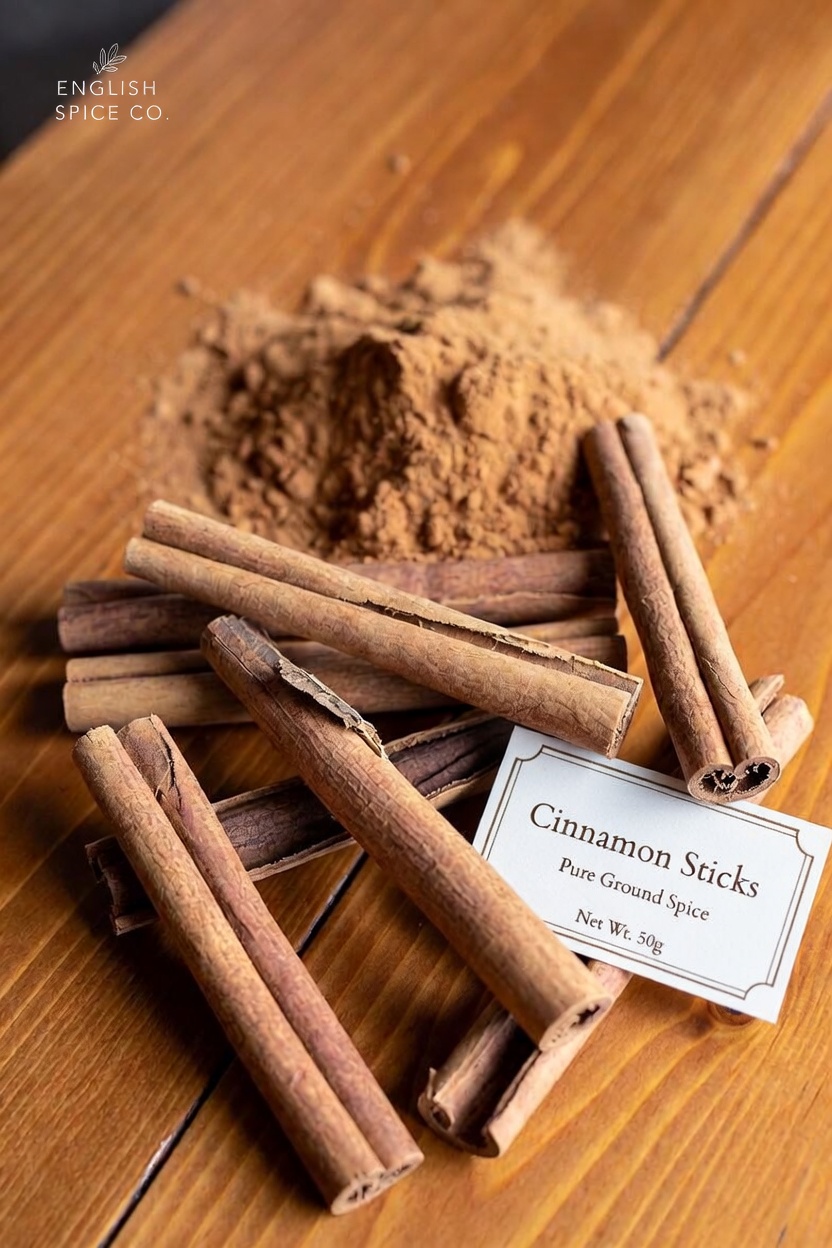
Cinnamon has been investigated for its potential role in healthy glucose metabolism and insulin sensitivity. Several systematic reviews and meta‑analyses of randomized controlled trials have examined how cinnamon supplementation affects fasting blood sugar and related markers.
Findings from Clinical Studies
Across multiple studies:
- Doses from roughly 120 mg up to 6 grams per day (about ¼–2 teaspoons) have been tested.
- Duration typically ranges from 4 to 18 weeks.
- Some meta‑analyses report modest reductions in fasting plasma glucose, often in the range of about 10–25 mg/dL in certain groups.
- Several trials also note improvements in insulin sensitivity and aspects of lipid profiles, such as lower triglycerides.
Examples include:
- Analyses of people with type 2 diabetes or prediabetes showing that cinnamon intake was associated with improved fasting glucose compared with control groups.
- A recent crossover trial in adults with prediabetes reporting lower 24‑hour glucose levels when cinnamon was included in the diet versus a placebo condition.
Important Limitations
The evidence is promising but not uniform:
- Some studies do not show significant changes in long‑term markers like HbA1c.
- Results vary depending on the type of cinnamon (Ceylon vs. Cassia), dosage, study design, and individual differences between participants.
- More high‑quality, long‑term research is needed to confirm the extent and consistency of these effects.
Overall, current data point to cinnamon as a potentially helpful adjunct for people aiming to support healthy blood sugar levels—best used alongside established lifestyle and medical strategies, not in place of them.
How to Add Cinnamon to Your Routine: Practical Guidance
One of cinnamon’s biggest advantages is its simplicity: you usually don’t need special supplements to get started. Common ground cinnamon from your pantry can be enough when used thoughtfully.
Getting Started Safely
-
Begin with small amounts
Try around ½–1 teaspoon per day (approximately 1–2 grams) and pay attention to how you feel. -
Stir it into warm drinks
Add a pinch to coffee, tea, or warm water with lemon for a comforting daily ritual. -
Sprinkle over everyday foods
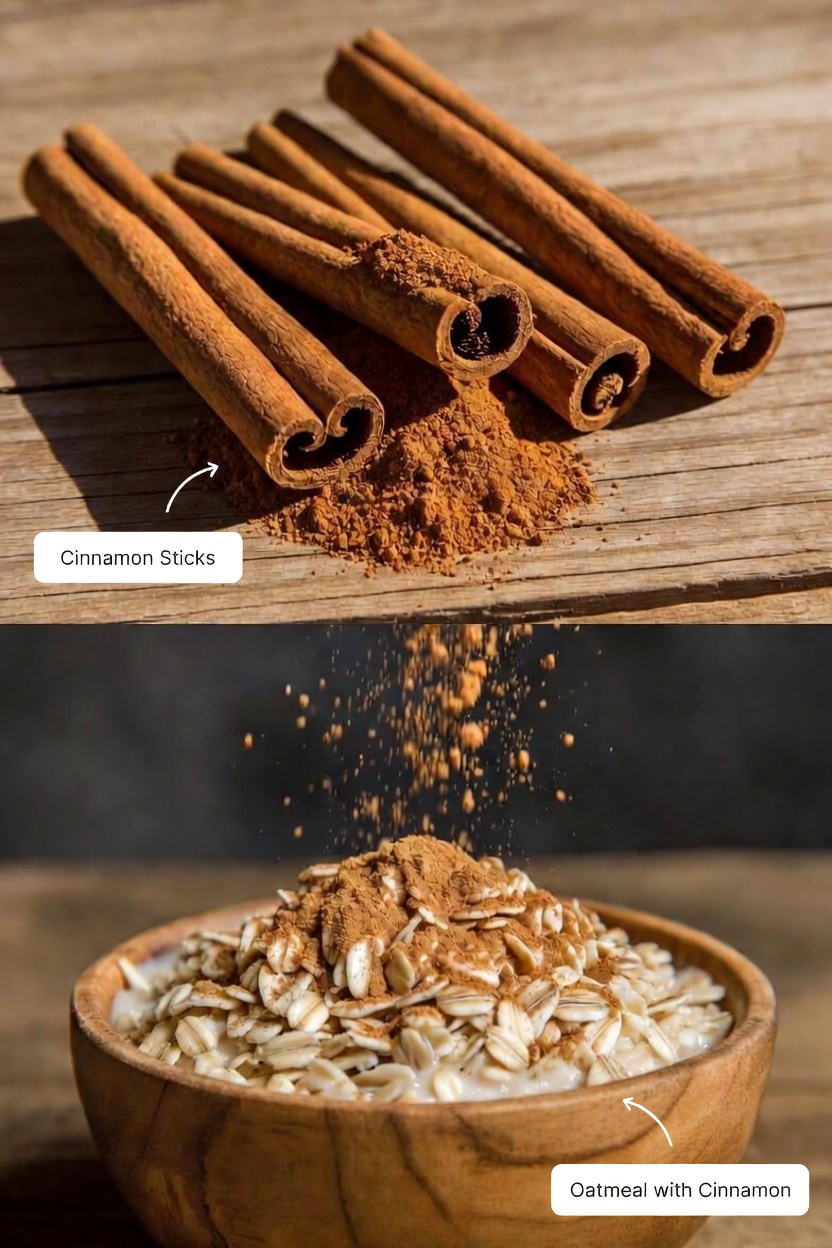
Mix cinnamon into oatmeal, yogurt, smoothies, cottage cheese, or sliced fruit to add flavor and natural sweetness. -
Use it in cooking and baking
Incorporate cinnamon into curries, stews, roasted vegetables, or baked goods to enhance taste without adding sugar. -
Consider timing with meals
Some people prefer using cinnamon with or just before carbohydrate‑containing meals, as certain research suggests it may help slow carbohydrate digestion and absorption.
When using larger daily amounts, many experts recommend choosing Ceylon cinnamon (often labeled “true cinnamon”), as it tends to contain lower levels of coumarin, a compound found in higher concentrations in Cassia cinnamon that may be a concern in large, long‑term doses.
Other Simple Habits That Support Healthy Blood Sugar
Cinnamon can be a helpful tool, but it is not a standalone solution. It works best when combined with other evidence‑based habits known to support glucose control and insulin sensitivity.
Foundational Strategies
-
Build balanced meals
Pair carbohydrates with protein, healthy fats, and fiber to slow digestion and reduce sharp blood sugar spikes. -
Move regularly
Even a 10–15 minute walk after meals can help your muscles take up glucose more efficiently and improve insulin sensitivity over time. -
Increase fiber intake
Aim for about 25–30 grams of fiber per day from vegetables, fruits, whole grains, nuts, seeds, and legumes to promote steadier blood sugar. -
Stay well hydrated
Adequate water intake supports overall metabolism. Some people enjoy lemon water, which may offer mild benefits for post‑meal blood sugar responses in certain contexts due to its acidity and vitamin C content. -
Manage stress and prioritize sleep
Chronic stress and poor sleep can disrupt hormones, increase cortisol, and negatively affect blood glucose regulation.
Combining cinnamon with these core habits can help create a more comprehensive and sustainable approach to blood sugar management.
Quick Comparison: Cinnamon vs. Other Supportive Habits
All of these strategies can work together; they’re not either‑or choices. Here’s how cinnamon stacks up against other common approaches:
-
Cinnamon
- Easy to include in everyday meals and drinks
- Research suggests modest support for fasting glucose in some individuals
- Very low in calories and versatile in the kitchen
-
Regular physical activity
- Strong evidence for improving insulin sensitivity and long‑term metabolic health
- Benefits extend far beyond blood sugar (heart, mood, weight management)
-
High‑fiber eating pattern
- Slows digestion and carbohydrate absorption
- Helps reduce blood sugar spikes and supports gut health
-
Lemon‑infused water
- Encourages hydration with minimal effort
- May gently support post‑meal glucose control for some people
Using several of these approaches together often provides a synergistic effect without feeling overly restrictive.
Everyday Ideas: How People Use Cinnamon for Ongoing Support
Many individuals who regularly include cinnamon in their diet describe experiencing more steady energy and fewer harsh peaks and crashes. While experiences vary, here are some practical, real‑world ways to use it:
- Brew herbal tea with a cinnamon stick and slices of lemon for a warm, aromatic drink.
- Sprinkle cinnamon over apple slices, pear, or banana for a simple snack that tastes like a treat but aligns with blood sugar goals.
- Add cinnamon to overnight oats or chia pudding for a grab‑and‑go breakfast.
- Mix cinnamon into plain yogurt along with a handful of nuts and berries for a balanced snack.
If you decide to try cinnamon regularly, consider tracking how you feel over several weeks—energy levels, cravings, and any noticeable changes in how you respond to meals. Small, consistent adjustments like this can build momentum and make it easier to adopt other healthy habits.
Frequently Asked Questions About Cinnamon and Blood Sugar
1. How much cinnamon do studies typically use for blood sugar support?
Most clinical research trials use about 1–6 grams per day (roughly ½–2 teaspoons), often divided across meals. However, individual tolerance and needs can vary. It’s wise to start with a lower amount, such as ½–1 teaspoon daily, and talk with your healthcare provider—especially if you have any medical conditions or take medications.
2. Is cinnamon safe for everyone?
For most healthy adults, culinary amounts of cinnamon used in cooking and baking are generally considered safe. However:
- High doses, concentrated extracts, or long‑term supplement use may not be appropriate for everyone.
- Cassia cinnamon in large quantities can increase exposure to coumarin, which may affect the liver in susceptible individuals.
- Cinnamon may interact with certain medications, including blood thinners or drugs used to lower blood sugar.
If you have liver disease, diabetes, are pregnant, or take prescription medications, consult your doctor before using cinnamon in supplement form or in large daily doses.
3. Can cinnamon replace diabetes medication or professional treatment?
No. Cinnamon should not be viewed as a substitute for prescribed diabetes medications, medical nutrition therapy, or professional guidance. Instead, it may be considered a complementary strategy alongside:
- Your prescribed treatment plan
- Regular medical check‑ups
- Balanced nutrition and physical activity
Any changes to medication or treatment must be made under the supervision of a qualified healthcare professional.
Key Takeaways and Important Disclaimer
Healthy blood sugar management is built on consistent, sustainable habits rather than quick fixes. Cinnamon is an accessible, research‑informed option that can be easily woven into daily life. When used alongside balanced meals, regular movement, quality sleep, and routine medical care, it may help support steadier glucose levels for some individuals.
This content is for informational purposes only and does not constitute medical advice, diagnosis, or treatment. Always consult a qualified healthcare professional before making changes to your diet, supplement routine, or health care plan—particularly if you have diabetes, prediabetes, liver conditions, are pregnant, or take any medications. Individual responses to cinnamon and other lifestyle strategies can vary, and ongoing research continues to refine what we know in this area.