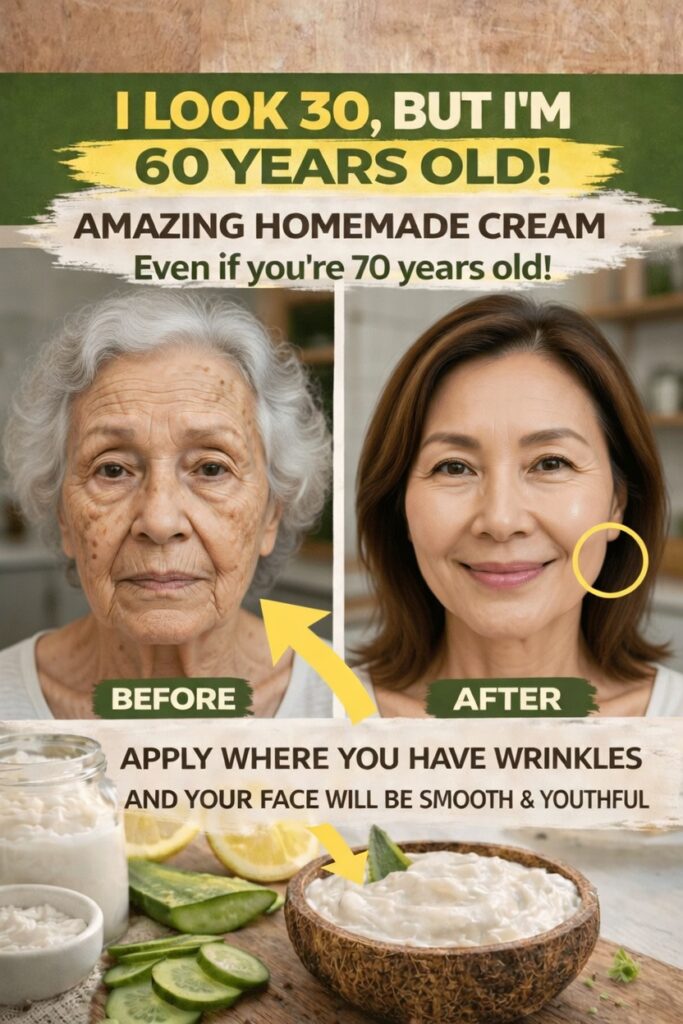
Restore Moisture to Dry, Aging Skin with a Simple DIY Moisturizer
As the skin ages, it often becomes drier, less elastic, and more prone to fine lines and rough texture. Daily exposure to sun, wind, air conditioning, and indoor heating can strip away moisture, leaving your face feeling tight, dull, and uncomfortable.
The encouraging news: you don’t need a complicated routine to support smoother, more hydrated skin. With just a couple of natural ingredients you may already have at home, you can create a gentle, nourishing moisturizer that fits easily into everyday skincare.
In this guide, you’ll learn how to make a simple aloe vera and coconut oil moisturizer that many people enjoy for its soothing and hydrating effects. You’ll also see what research says about these ingredients, how to prepare the cream step by step, and easy ways to fit it into your daily routine—plus a few extra tips to boost your overall results naturally.
Why Aloe Vera and Coconut Oil Work So Well Together
Aloe Vera: Lightweight Hydration and Barrier Support
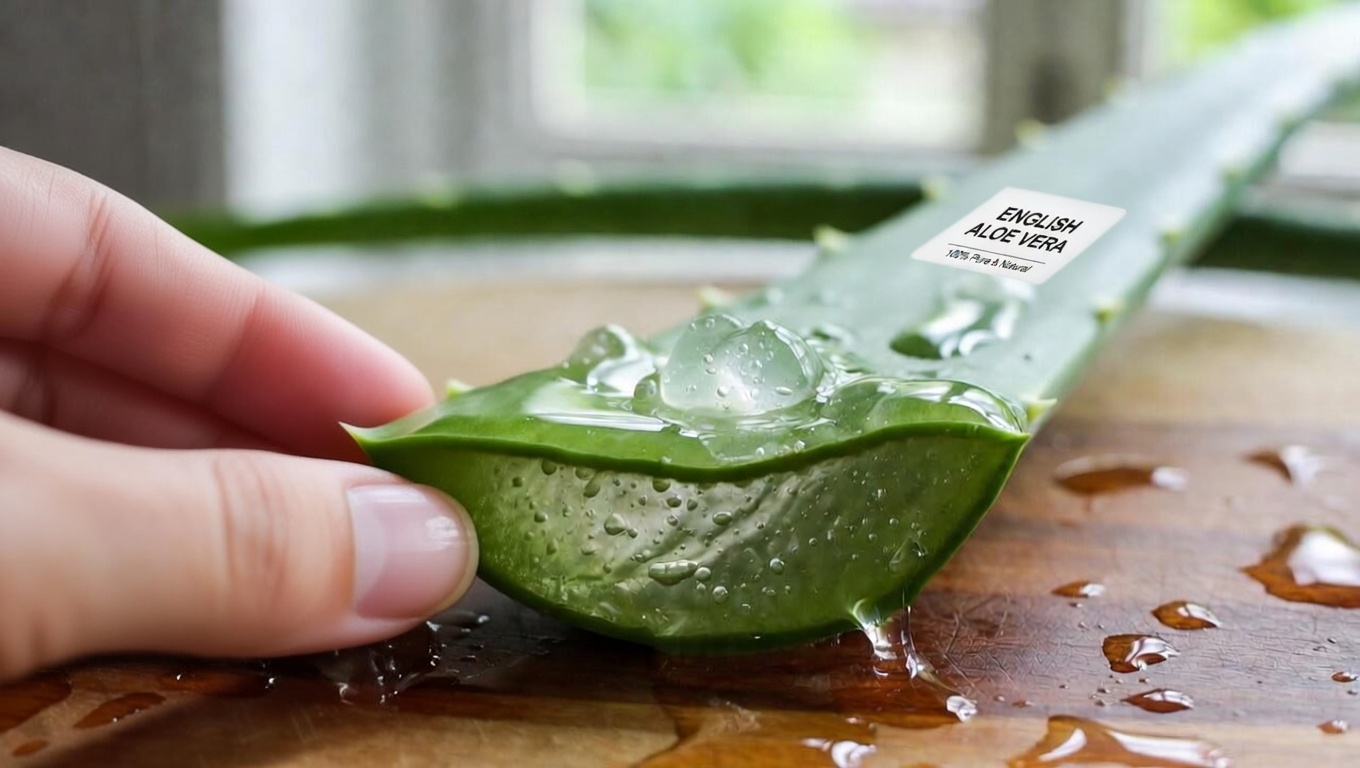
Aloe vera gel, found inside the thick leaves of the plant, has been used for centuries to calm and hydrate the skin. Its gel is rich in:
- Polysaccharides, which help attract and hold water in the outer layers of the skin
- Compounds that support the skin’s natural protective barrier
Research, including studies on oral aloe supplementation, suggests aloe can:
- Support collagen production
- Help improve skin elasticity
- Reduce the visible appearance of fine lines over time
This makes aloe vera a great base for a light, water-rich natural moisturizer.
Coconut Oil: Rich, Nourishing Lipid Layer
Coconut oil, pressed from the flesh of the coconut, contains a high level of medium-chain fatty acids, especially lauric acid. On the skin, these fatty acids can:
- Lock moisture in by forming a light occlusive layer
- Help soften dry, rough patches
- Leave the skin feeling smoother and more supple
When aloe vera gel and coconut oil are blended, you get a lightweight yet deeply nourishing cream: aloe delivers a refreshing water-based feel, while coconut oil adds softness and protection.
More Than Just Moisture
This combination provides several additional benefits:
- Aloe vera offers a cooling sensation, helpful after sun exposure or when the skin feels irritated.
- Coconut oil acts as a natural emollient, enhancing softness and flexibility of the skin’s surface.
Together, they support overall comfort, making this DIY face moisturizer a gentle option for at-home skincare.
What Research Says About Aloe Vera and Coconut Oil
Scientific studies have investigated both aloe vera and coconut oil for their potential roles in skin health.
Aloe Vera and Skin Firmness
Dermatology research has reported that components in aloe vera can:
- Stimulate fibroblasts, the cells responsible for producing collagen
- Help maintain skin firmness and resilience
In one study involving women over the age of 45, consistent use of aloe-derived ingredients was associated with:
- Improved elasticity
- A reduction in the appearance of fine wrinkles
This supports the idea that aloe vera can be a helpful component in routines focused on supporting aging or dry skin.
Coconut Oil and Moisture Retention
Coconut oil has been studied for its moisturizing properties, particularly for dry, compromised skin. Findings suggest that:
- Its fatty acids can penetrate the skin barrier
- It helps reduce transepidermal water loss (the evaporation of water from the skin’s surface)
- Regular use may lead to better hydration levels in dry skin types
While it isn’t a cure-all, it is a useful supportive moisturizer when used consistently and appropriately.
Part of a Complete Skincare Routine
It’s important to remember:
- These ingredients work best as part of a balanced routine that includes:
- Daily sunscreen
- Gentle cleansing
- A varied, nutrient-rich diet
- Adequate hydration
- Results vary depending on skin type, sensitivity, and how consistently the product is used.
Easy Aloe Vera and Coconut Oil Moisturizer Recipe
This DIY moisturizer recipe is quick to prepare, uses minimal ingredients, and makes a small batch—ideal if you’re trying it for the first time.
Ingredients
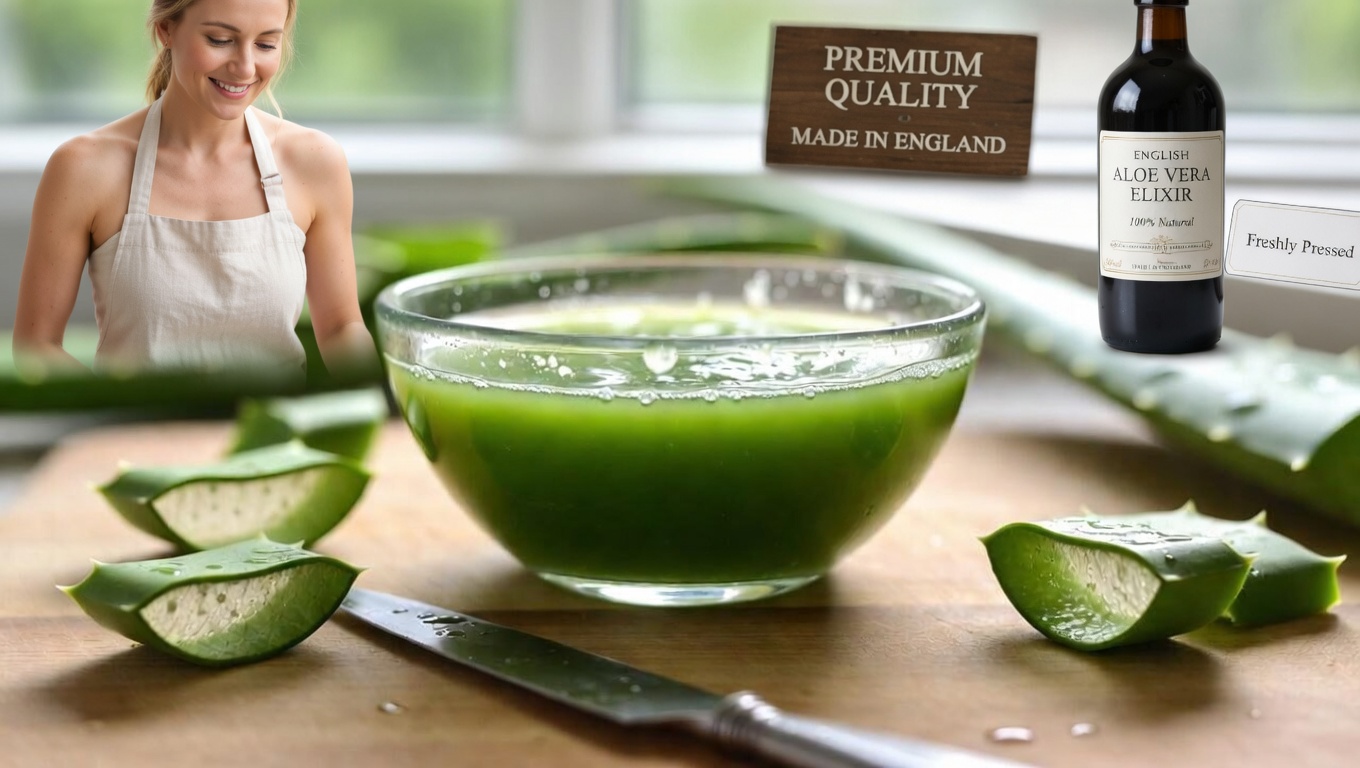
- 1/4 cup pure aloe vera gel
- Freshly scooped from the leaf or store-bought
- Choose a product with no added dyes, alcohol, or synthetic fragrance if possible
- 1/4 cup virgin coconut oil, softened at room temperature
- Optional: 4–6 drops lavender or frankincense essential oil for a light scent
- Skip this step if your skin is sensitive or reactive to fragrance
Instructions
- Place the aloe vera gel into a clean, dry mixing bowl.
- Add the softened coconut oil.
- Whisk vigorously with a fork or use a small hand mixer for 3–5 minutes, until the mixture becomes:
- Light
- Creamy
- Slightly fluffy, similar to a whipped lotion
- If you’re using essential oils, stir them in last to avoid over-whipping.
- Transfer the finished cream into a clean glass jar with a lid.
- Store in a cool, dry place. When properly stored, it typically keeps for about 1–2 months.
How to Apply
- Use on clean, dry or slightly damp skin.
- Gently massage a small amount over the face, neck, or any dry areas.
- For most people, evening use works well, especially if the skin tends to be dry.
Always perform a patch test first:
Apply a small amount to the inside of your forearm and wait 24 hours to check for any redness, itching, or irritation.
How to Use and Maximize the Benefits
To get the best results from your homemade aloe and coconut oil moisturizer, consider these practical tips:
-
Apply on damp skin
Use it right after washing your face, while your skin is still slightly moist. This helps trap extra water in the surface layers for better hydration. -
Start with a tiny amount
A pea-sized amount often covers the entire face. Adding too much can feel heavy or greasy, especially if your skin is combination or mildly oily. -
Pair with healthy daily habits
For smoother, more resilient skin over time, combine this moisturizer with:- Adequate water intake throughout the day
- Antioxidant-rich foods such as berries, leafy greens, nuts, and seeds
- Daily use of a broad-spectrum sunscreen (SPF 30 or higher)
- Gentle cleansing to avoid stripping natural oils
-
Adjust texture with storage
- In warm climates, store it in the refrigerator for a cooling, refreshing effect and to keep it firmer.
- In cooler conditions, room temperature will keep it softer and easier to spread.
Safety, Side Effects, and Who Should Be Cautious
Natural ingredients can be powerful and are not automatically safe for every skin type. Keep the following in mind:
Coconut Oil
- Can feel heavy or occlusive, especially for:
- Oily skin
- Combination skin
- Acne-prone skin
- Some people find it may clog pores or contribute to breakouts on the face.
If you tend to get blackheads or pimples easily, test it carefully or consider using the moisturizer only on body areas that are dry (like elbows or legs), rather than on the T-zone.
Aloe Vera
- Generally well tolerated, but in rare cases can cause:
- Mild itching
- Redness
- Irritation
If you notice any discomfort after applying aloe, rinse off gently with lukewarm water and discontinue use.
Why You Should Skip Lemon
You may have seen lemon used in DIY skincare recipes. However, it is better to avoid lemon juice in homemade facial products because:
- Its high acidity can disrupt the skin’s natural pH
- It may cause irritation, stinging, or dryness
- It can increase photosensitivity, making sun damage and uneven pigmentation more likely
When to Talk to a Dermatologist
Consult a skincare professional before trying new products if you:
- Have very sensitive or reactive skin
- Experience eczema, rosacea, or psoriasis
- Have a history of contact allergies
- Are managing persistent acne or other ongoing skin conditions
Natural vs. Commercial Moisturizers: A Quick Comparison
Both homemade and store-bought moisturizers can fit into a healthy routine, but they each have different strengths.
-
Homemade (aloe vera + coconut oil)
- Simple, minimal-ingredient formula
- No added preservatives, synthetic fragrance, or dyes
- Budget-friendly and customizable
- Focuses on hydration, soothing, and softness
-
Commercial moisturizers
- Often contain stabilizers, preservatives, and texture enhancers
- May include active ingredients such as:
- Hyaluronic acid for deep hydration
- Niacinamide for tone and barrier support
- Ceramides for barrier repair
- Offer more targeted benefits (anti-aging, brightening, oil control)
-
Bottom line
- Both natural and commercial products can hydrate effectively when chosen with your skin type and needs in mind.
- You can also combine approaches—for example, using this DIY cream at night and a lighter, non-comedogenic moisturizer with sunscreen during the day.
Key Takeaways
- Skin often becomes drier and less elastic with age and daily environmental stress.
- A simple blend of aloe vera and coconut oil can provide gentle hydration and help the skin feel smoother and more comfortable.
- Scientific studies suggest both ingredients can support moisture retention, elasticity, and barrier function when used regularly.
- Always patch test and adapt the recipe or usage frequency to your unique skin type.
- Natural skincare works best as part of a complete routine that includes sun protection, good nutrition, sufficient water intake, and gentle cleansing.
FAQ
How often can I use this homemade moisturizer?
Most people find that once or twice a day works well—typically in the morning and/or evening, or whenever the skin feels dry.
Can this replace my regular face cream?
It can serve as a natural alternative for hydration, especially if you prefer minimal ingredients. For complete care, continue to use:
- A gentle cleanser
- Daily sunscreen
You can also alternate between this DIY cream and your usual moisturizer depending on how your skin feels.
Is this aloe and coconut oil moisturizer suitable for all skin types?
- It is generally most comfortable for normal, dry, and mature skin.
- Those with oily or acne-prone skin should be cautious, as coconut oil may feel too rich or potentially clog pores.
- Sensitive skin users should always patch test first and avoid essential oils if they tend to react to fragrance.