14 Warning Signs of Cancer You Should Not Ignore
From time to time, most people notice changes in their bodies that seem unusual. Often, these shifts are harmless and temporary. However, when symptoms continue without a clear reason, they should not be overlooked. Ongoing exhaustion despite enough rest, unexpected weight changes, or a lump beneath the skin can interfere with daily life and raise concern.
These symptoms do not automatically mean cancer, but they can be important clues that something needs medical attention. Trusted sources such as the Mayo Clinic and the American Cancer Society emphasize that noticing warning signs early can improve the chances of finding serious conditions sooner, when treatment may be more effective.
This guide covers 14 common signs that should prompt a discussion with your doctor, along with simple ways to stay alert and proactive about your health.
Why Paying Attention to Symptoms Matters
Cancer does not always look the same from one person to another. Signs can differ based on the type of cancer and where it develops in the body. Still, some symptoms appear across many forms of the disease. Health experts consistently report that recognizing persistent body changes can lead to earlier medical evaluation and better outcomes.
It is also important to remember that these warning signs are not unique to cancer. In many cases, they are linked to other conditions that are also treatable. Either way, listening to your body is an important step toward protecting your health.
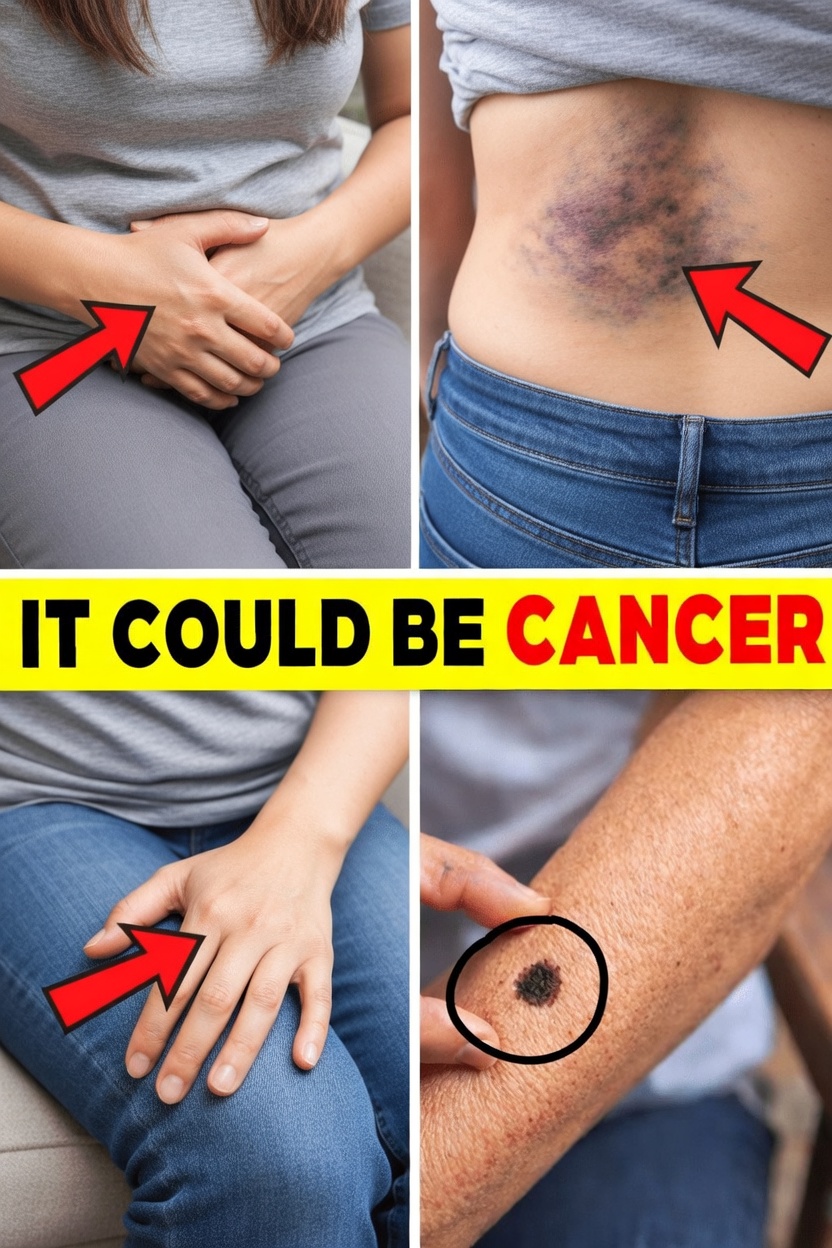
1. Unexplained Weight Loss or Weight Gain
A sudden change in body weight without changes in eating habits or physical activity may be a signal that something is wrong. Losing or gaining 10 pounds or more unexpectedly is often one of the first noticeable symptoms in some people later diagnosed with cancer.
This can happen because the body is using energy differently, metabolism changes, or appetite is affected. If the shift continues for several weeks, keep track of your meals and activity levels so you can share clear information with your doctor.
2. Fatigue That Does Not Improve With Rest
Feeling tired after a long day is normal. Constant, overwhelming exhaustion is different. If you are sleeping enough but still feel drained all the time, it may be more than ordinary fatigue.
According to the American Cancer Society, persistent fatigue can sometimes be linked to anemia or the body’s reaction to abnormal cell growth. If tiredness begins to affect your work, routine, or enjoyment of daily activities, it is worth discussing with a healthcare professional.
3. Lumps or Areas of Thickening Under the Skin
A new lump or hardened area in places such as the breast, neck, armpit, or groin should be checked, especially if it feels firm, irregular, or does not go away. This is one of the more widely recognized general cancer warning signs.
Routine self-checks can make it easier to notice changes early. Once a month, take a few minutes to gently feel for anything new or unusual.
4. Skin Changes, Altered Moles, or Sores That Do Not Heal
The skin often gives visible clues when something is not right. Watch for new spots, sores that remain open, or moles that change in size, color, or shape.
The American Cancer Society recommends using the ABCDE rule for moles:
- Asymmetry
- Border irregularity
- Color variation
- Diameter larger than 6 mm
- Evolving appearance
Daily sunscreen use can help reduce risk, but any suspicious skin change should still be examined by a doctor.
5. A Cough or Hoarseness That Lasts for Weeks
A cough that does not improve, especially if it comes with chest pain or blood, should not be ignored. The same is true for hoarseness that continues without a clear cause.
Persistent respiratory symptoms can be related to many conditions, but reliable medical sources note that they may also be linked to cancers affecting the lungs or throat. If symptoms remain after two to three weeks, schedule an evaluation.
6. Changes in Bowel or Bladder Habits
Ongoing digestive or urinary changes may be important warning signs. These include:
- Long-lasting diarrhea or constipation
- Narrower-than-usual stools
- Blood in the stool
- Frequent urination
- Pain during urination
- A noticeable change in bathroom habits that continues
Keeping a short symptom diary can help you provide specific details during a medical visit.

7. Trouble Swallowing or Constant Indigestion
Difficulty swallowing food or liquids should always be taken seriously, especially if it happens often. Persistent indigestion, ongoing heartburn, or stomach discomfort that does not improve with basic remedies can also deserve closer attention.
Johns Hopkins Medicine and other leading institutions note that these symptoms can sometimes be linked to problems involving the esophagus or stomach. Eating smaller meals and noting possible triggers may help, but do not delay care if symptoms continue.
8. Unusual Bleeding or Discharge
Unexpected bleeding can be one of the clearest reasons to speak with a doctor. Warning signs include:
- Blood in the urine
- Blood in the stool
- Vaginal bleeding outside the normal cycle
- Bleeding after menopause
- Bloody nipple discharge
Even when the cause turns out to be non-cancerous, abnormal bleeding should never be dismissed. Try to record how often it happens and how much blood is present.
9. Persistent Pain Without a Clear Explanation
Pain that lasts and has no obvious cause deserves medical attention. This may include chronic headaches, back pain, or bone pain that does not go away.
Although pain is not always an early sign of cancer, it can appear early in some cases. Temporary relief from over-the-counter medication does not replace proper evaluation if the problem keeps returning.
10. Frequent Fevers or Night Sweats
Repeated fevers without a known infection, or intense night sweats that soak clothing or bedding, can be a sign that the body is fighting something significant.
These symptoms occur in many illnesses, but some cancers are also associated with them. Monitor your temperature and note when the episodes happen so you can give your doctor a clearer picture.
11. Bloating or Ongoing Abdominal Discomfort
Persistent bloating, pressure in the pelvis, abdominal pain, or feeling full after eating only a small amount may point to an underlying issue. MD Anderson Cancer Center notes that these symptoms can appear in certain cancers, particularly when they continue over time.
You can temporarily reduce gas-producing foods to see whether symptoms improve, but lasting discomfort should still be evaluated.
12. Changes in the Look or Feel of the Breast
Breast warning signs are not limited to lumps. Other changes may include:
- Skin dimpling
- Redness
- Nipple turning inward
- Scaliness or irritation
- Swelling
- Changes in breast shape or texture
Regular self-awareness is important. Checking your breasts once a month, ideally at the same point in your cycle, can help you notice subtle differences sooner.
13. Ongoing Headaches or Vision Changes
A new pattern of severe headaches, blurred vision, or vision disturbances that continue should not be ignored. While many headaches are caused by stress, dehydration, or tension, persistent or unusual symptoms require medical attention.
If rest, hydration, and basic self-care do not help, arrange a medical evaluation.
14. Bruising Easily or Bleeding More Than Usual
Bruises that appear without injury, or cuts that bleed longer than expected, may indicate a problem with the blood or clotting system. In some cases, these symptoms can be associated with blood disorders, including certain cancers.
Make note of where bruises appear, how often they happen, and whether you have had any unusual bleeding recently.

Practical Ways to Stay Proactive About Your Health
Simple habits can make a big difference in early detection and peace of mind. Consider the following steps:
-
Schedule regular check-ups
- Stay current with age-appropriate screenings such as mammograms, colonoscopies, and other tests recommended by your doctor.
-
Perform self-exams
- Check your skin and breasts monthly, and do not skip annual physical exams.
-
Track unusual symptoms
- Write down changes that last more than two weeks, including when they started and how often they occur.
-
Build healthy daily routines
- Focus on a balanced diet, regular exercise, avoiding tobacco, and limiting alcohol. These habits support overall health and may help reduce cancer risk.
-
Learn what is normal for your body
- The better you understand your usual patterns, the easier it is to recognize when something changes.
Small, consistent actions can make it easier to catch problems early and seek help with confidence.
When You Should See a Doctor
If any of these symptoms last for more than a few weeks, become more intense, or interfere with your daily life, make an appointment with a healthcare provider. Early medical advice can either offer reassurance or lead to timely treatment when needed.
FAQ
What if my symptoms are not caused by cancer?
That is often the case. Many of these changes are linked to benign or temporary conditions. Still, getting checked is the best way to rule out serious concerns and gain clarity.
How often should I get screened for cancer?
Screening schedules depend on your age, family history, personal risk factors, and overall health. Talk with your doctor about a screening plan based on trusted medical guidelines.
Can lifestyle habits really lower cancer risk?
Yes. Research strongly supports healthy weight management, regular physical activity, eating more fruits and vegetables, and avoiding tobacco as important ways to reduce cancer risk and support long-term wellness.