
Support Your Kidneys With Smarter Everyday Choices
As people get older, many begin to think more seriously about kidney health, especially when dealing with issues such as high blood pressure, diabetes, or a diet filled with ultra-processed foods. Over time, these common factors can place silent stress on the kidneys and may contribute to tiredness, fluid retention, or more significant health problems that affect quality of life.
The encouraging part is that kidney support does not always require dramatic measures. Simple, research-backed changes in food choices and daily habits can help maintain healthy kidney function and reduce unnecessary strain.
This guide covers practical, realistic ways to care for your kidneys through everyday nutrition and lifestyle habits. Be sure to read through to the end for an often-missed tip about portion control.
Why Kidney Health Deserves More Attention
Your kidneys work nonstop to filter waste, manage fluid levels, and keep key minerals in balance. When your diet is built around nutrient-rich foods, these organs are better equipped to perform their essential jobs efficiently. Findings highlighted by trusted groups such as the National Kidney Foundation suggest that balanced eating patterns, especially those that include more plant-based foods, may help support kidney wellness.
The goal is not harsh restriction. Instead, the focus should be on adding foods that offer antioxidants, fiber, and beneficial fats while paying attention to minerals such as potassium and phosphorus.

Best Foods for Kidney Support
Some foods stand out because of their nutritional profile and how well they fit into a kidney-conscious eating plan. Below are several evidence-based options worth considering.
1. Berries: Small Fruits With Big Benefits
Blueberries, strawberries, and raspberries are packed with fiber, vitamins, and plant compounds that help fight oxidative stress. These fruits are generally lower in potassium than many other fruits, making them a smart option for people trying to support kidney health.
Research also suggests that berries may help lower inflammation, which can indirectly benefit kidney function.
- Add berries to oatmeal, yogurt, or smoothies
- Rotate different types to get a wider range of nutrients
2. Apples and Cauliflower: Reliable Low-Potassium Choices
Apples are a convenient source of fiber and may offer anti-inflammatory benefits, especially when eaten with the skin. Cauliflower is another useful staple because it is versatile, filling, and relatively low in potassium.
These foods are easy to include in daily meals:
- Roast cauliflower with olive oil and herbs
- Slice apples for a quick snack or pair them with a balanced breakfast
3. Fatty Fish and Egg Whites: Protein With Purpose
Salmon and other fatty fish, when eaten in moderation, provide omega-3 fatty acids that support heart and blood vessel health. This matters because kidney function and cardiovascular health are closely connected. Egg whites are another strong choice, offering high-quality protein with less phosphorus than many other protein sources.
Try simple ways to add them to your routine:
- Grill or bake fish once or twice a week
- Make egg white scrambles for breakfast
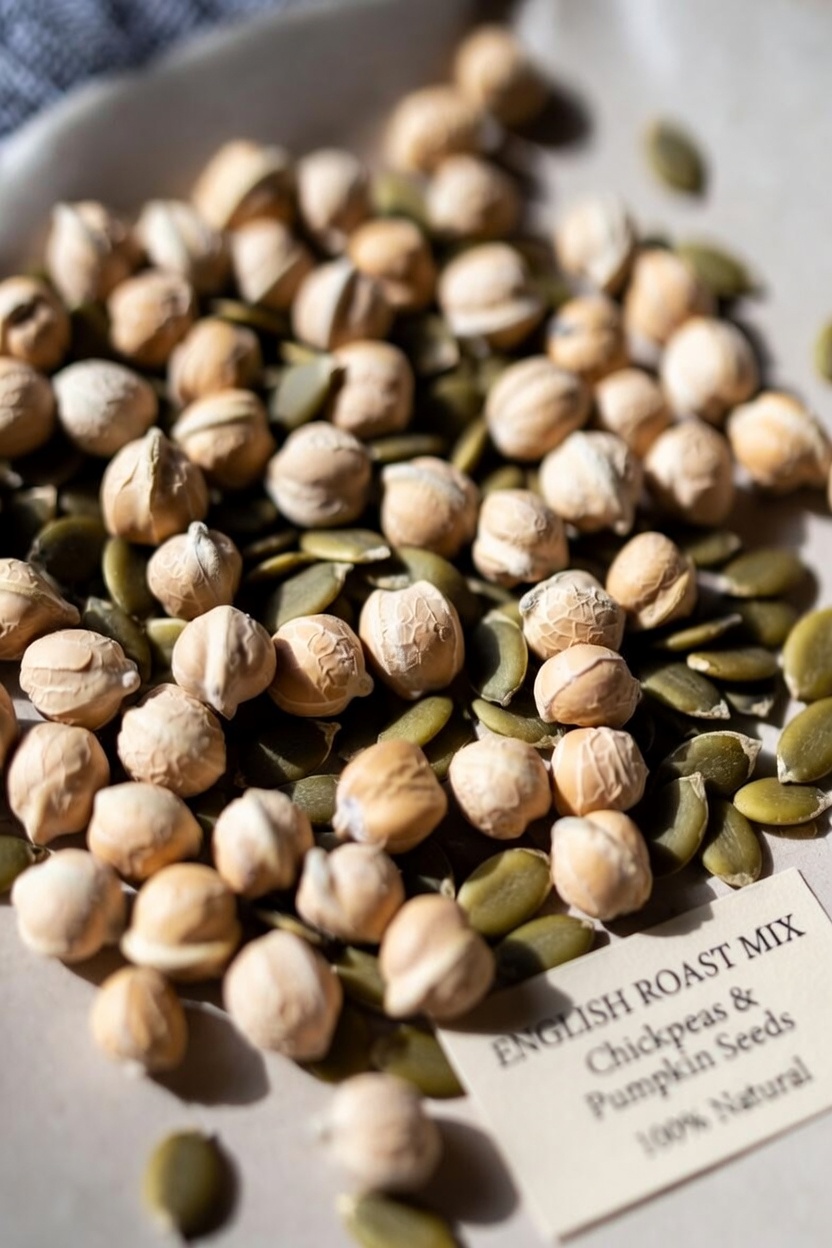
4. Pumpkin Seeds: Helpful, but Mind the Portion
Pumpkin seeds may come as a surprise, but some studies on urine composition suggest they could help reduce certain risk factors related to kidney stone formation. Their mineral profile and natural compounds, including phosphorus, may influence urine chemistry in useful ways. They also contain magnesium and healthy fats.
That said, pumpkin seeds are relatively high in both potassium and phosphorus, so portion size matters, especially for anyone with more advanced kidney concerns.
A practical way to include them:
- Start with 1 tablespoon of roasted, unsalted pumpkin seeds per day
- Sprinkle them over salads or add them to homemade trail mix
5. Chickpeas: Plant Protein and Fiber in One
Chickpeas, also known as garbanzo beans, provide plant-based protein and fiber that can help with digestion and blood sugar balance. Compared with many animal proteins, the minerals in legumes may be handled differently by the body. Resources such as DaVita Kidney Care note that chickpeas are moderate in potassium and phosphorus, which means they can often fit into a kidney-aware diet when prepared carefully, such as by rinsing canned beans.
Research also indicates that the phosphorus found in beans is less bioavailable, which may make it gentler on the kidneys than phosphorus from some other foods.
Easy ideas to try:
- Toss rinsed chickpeas with cucumber, lemon juice, and fresh herbs
- Blend them into hummus and serve with lower-potassium vegetables like carrots
Daily Habits That Help Protect Kidney Function
Food matters, but long-term kidney support also depends on what you do each day. Consistent habits can make a meaningful difference.
- Drink enough water, following your doctor’s guidance on the right amount for you
- Reduce sodium by cooking with fresh ingredients, spices, and herbs instead of relying on salt
- Stay active regularly, even with simple movement like walking
- Watch portions of foods that are higher in potassium or phosphorus
Quick Guide to Mindful Food Choices
Here is a simple way to think about balance:
Foods to Watch More Carefully
These can fit into the diet, but portion control is important:
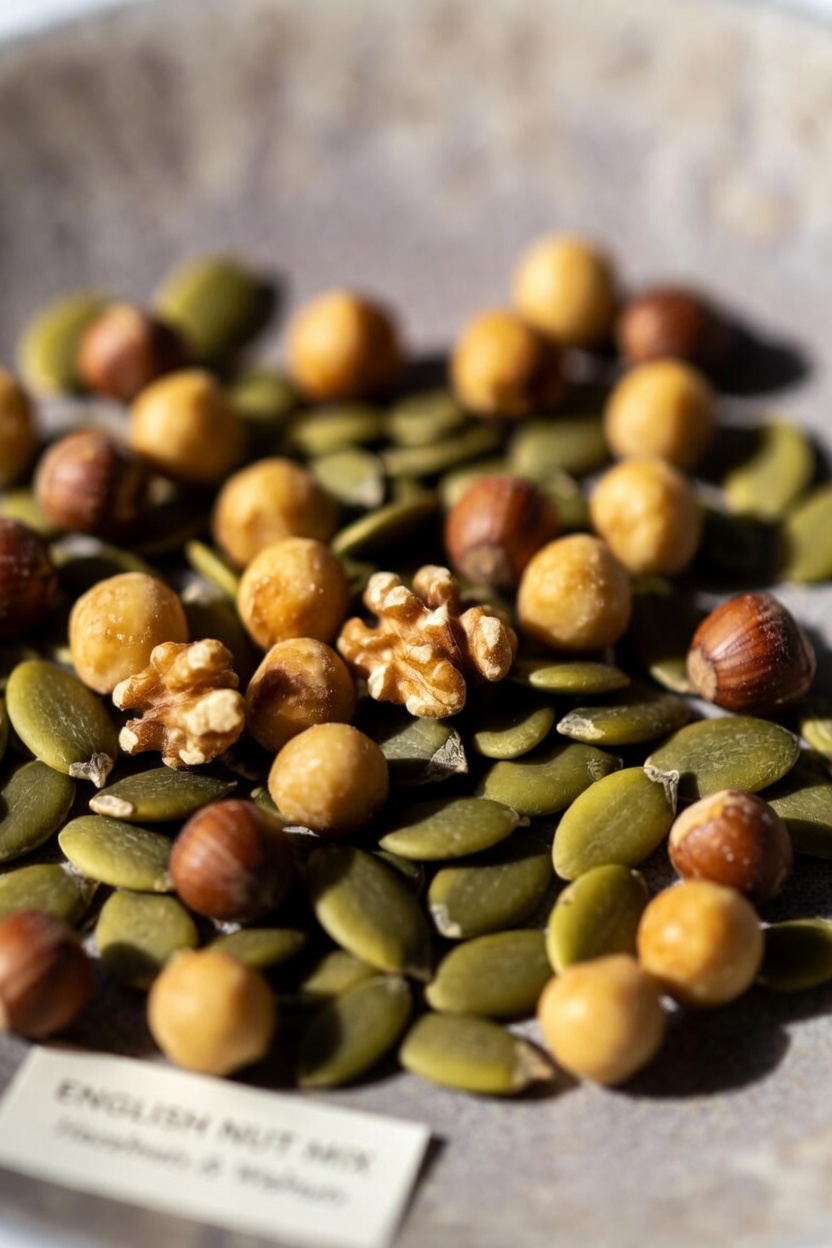
- Nuts and seeds
- Beans and legumes
- Dairy products
Foods Often Easier to Include
These are generally lower in problematic minerals and can often be enjoyed more freely:
- Berries
- Apples
- Cabbage
- Bell peppers
A Simple 30-Day Kidney-Friendly Starter Plan
Making too many changes at once can feel overwhelming. A gradual approach is often easier to maintain and more effective over time.
Week 1
Add one low-potassium vegetable to your meals each day, such as cauliflower or red bell peppers.
Week 2
Include more plant-based protein by eating chickpeas twice during the week and adding a small serving of pumpkin seeds.
Week 3
Use berries to bring natural sweetness to meals instead of relying on added sugar.
Week 4
Pay attention to how you feel and adjust portion sizes based on your energy, digestion, and overall comfort.
This step-by-step method can help build lasting habits without making the process stressful.
Frequently Asked Questions
Can everyone eat seeds and beans?
Many people can enjoy them in moderation. However, those with advanced chronic kidney disease or strict dietary limits should speak with a healthcare provider or registered dietitian first.
How can I tell if a food is kidney-friendly?
Look for foods that are lower in sodium and have a reasonable mineral balance. Trusted organizations such as the National Kidney Foundation provide helpful guidance.
What if I have had kidney stones before?
Some seeds may support urinary health based on certain studies, but individualized advice is still the safest option if you have a history of stones.
Is it okay to change my diet quickly?
It is better to start slowly and observe how your body responds. Major diet changes are safest when guided by a medical professional.
Final Note
This article is intended for educational purposes only and should not replace medical advice. Before making meaningful dietary changes, especially if you have kidney disease or a related condition, speak with your doctor or a registered dietitian.