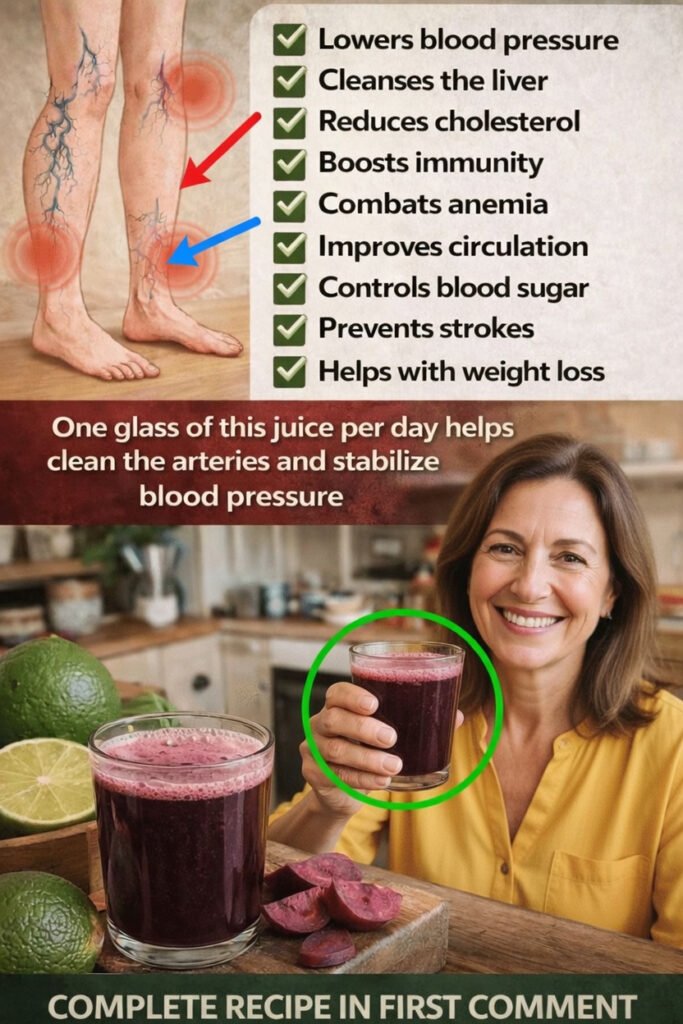
A Simple Daily Juice That May Support Healthy Circulation
Many adults feel their energy drop as the day progresses. Activities like climbing stairs or walking a bit farther may seem more exhausting than they once did. Age, everyday stress, and modern dietary habits can all affect how well blood vessels stay flexible and how smoothly circulation works. Over time, this may leave you feeling less energetic and more mindful of your long-term cardiovascular wellness.
The encouraging news is that one well-known deep red juice has drawn scientific interest for its possible role in supporting healthy blood flow. Thanks to its naturally occurring compounds, beetroot juice may be an easy and refreshing addition to your daily routine. In this article, you will also find a simple recipe and practical ways to enjoy it regularly.
Why Beetroot Juice Is Often Linked to Heart-Healthy Habits
Beetroot, or beet, is a root vegetable naturally rich in dietary nitrates. After you consume these nitrates, the body converts them through a studied process into nitric oxide. This compound helps blood vessels relax and expand, which can promote smoother circulation and help support blood pressure that is already within a normal range.
A number of studies, including small clinical trials and broader research reviews, have examined this effect. Some have reported short-term improvements in systolic blood pressure after regular beetroot juice intake, especially in certain groups such as older adults or people who began with higher readings. Reviews combining results from multiple studies have also suggested that nitrate-rich beetroot juice may offer supportive benefits for systolic blood pressure when used consistently.
Beyond nitrates, beetroot contains antioxidants and other plant nutrients. If you keep the pulp, it also provides fiber, making it a useful part of a whole-food eating pattern.
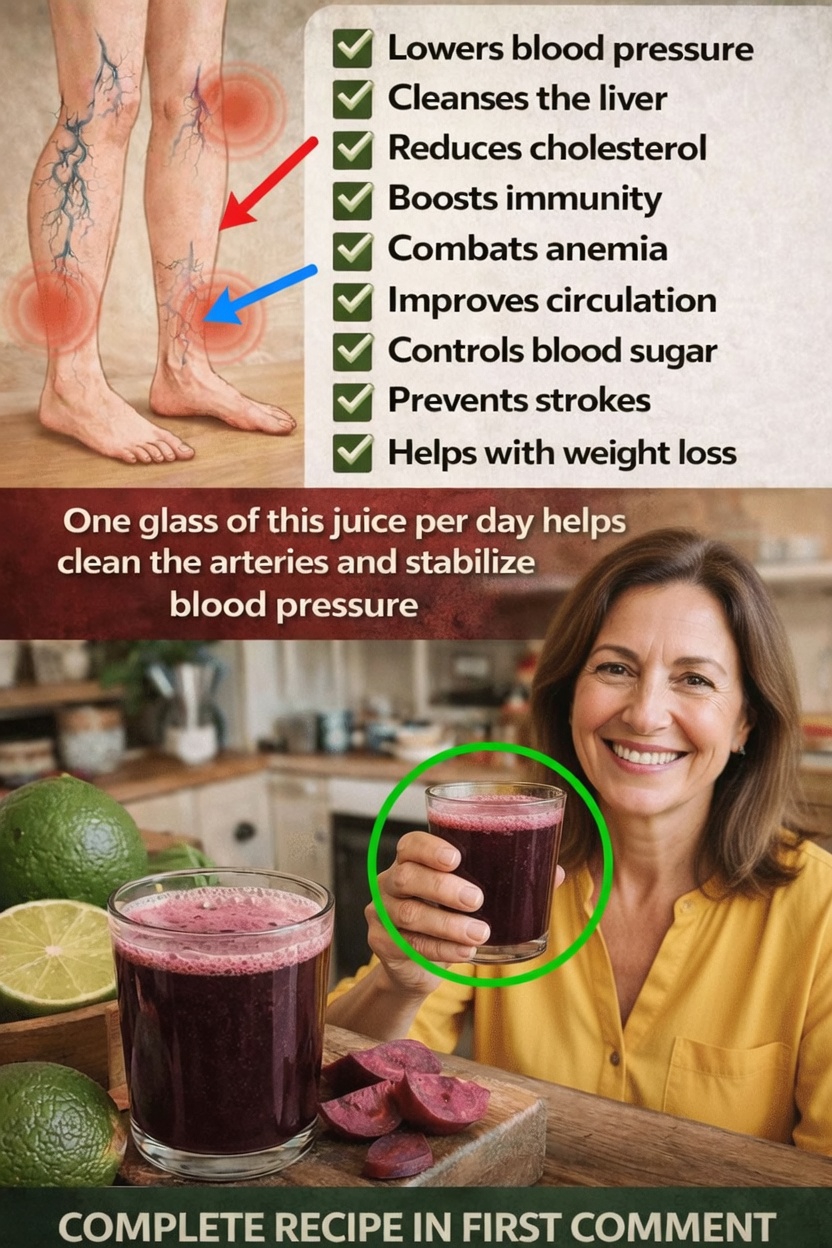
The Nitrate Pathway Made Easy to Understand
Your body can produce nitric oxide on its own, but this ability may decrease with age and certain lifestyle factors. Vegetables high in nitrates, especially beetroot, can help provide another source.
The process begins in the mouth, where nitrates start converting into nitrites. From there, the transformation continues in the stomach and throughout the circulatory system, eventually leading to nitric oxide production. This is one reason nitrate-rich vegetables are often studied for vascular health.
Research on beetroot juice has shown that it can raise plasma nitrite levels and influence blood pressure readings under controlled conditions. Not every person responds the same way, and the effects do not always last a full day. Still, many participants in short- and mid-term studies found beetroot juice to be a practical addition to their wellness habits.
It is important to remember that research findings do not replace professional medical guidance. If you have blood pressure concerns, take medication, or manage any health condition, speak with your healthcare provider before changing your diet.
Potential Benefits Studied in Research
Current research has explored beetroot juice in several areas:
- Support for circulation: Increased nitric oxide production may help blood vessels work more effectively.
- Blood pressure support: Some studies found modest improvements in systolic blood pressure, especially with regular intake.
- Improved daily vitality: Some people report feeling more energetic, possibly because of better oxygen use in the body.
- Antioxidant protection: Beetroot contains betalains and other compounds that help support the body against oxidative stress as part of a balanced diet.
Beetroot is not the only vegetable that contains beneficial nitrates. Spinach, arugula, and celery are also good sources, so beetroot juice works best as part of a diverse, vegetable-rich eating style.
Easy Beetroot, Lime, and Ginger Juice Recipe
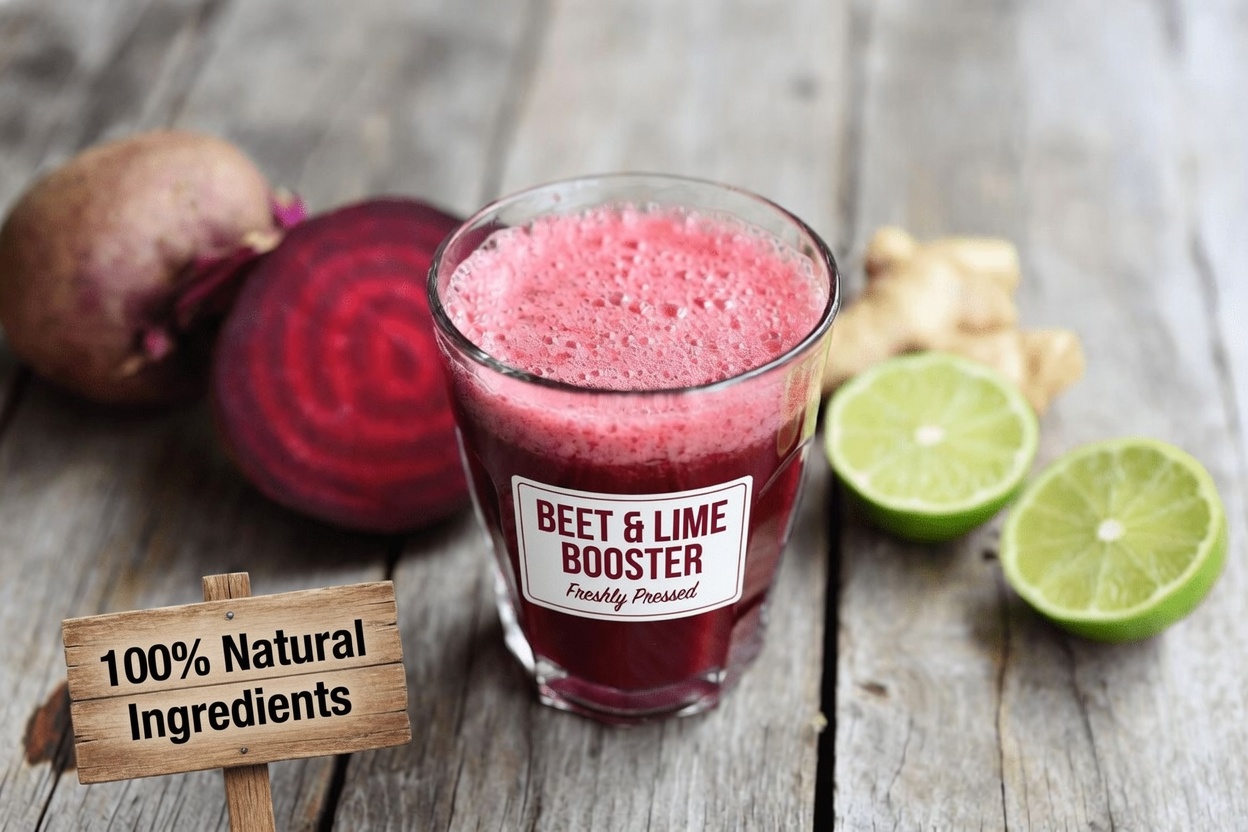
This bright and refreshing drink balances the earthy flavor of beetroot with the citrusy freshness of lime and the warmth of ginger. You can make it with either a blender or a juicer, and it yields about two servings.
Ingredients
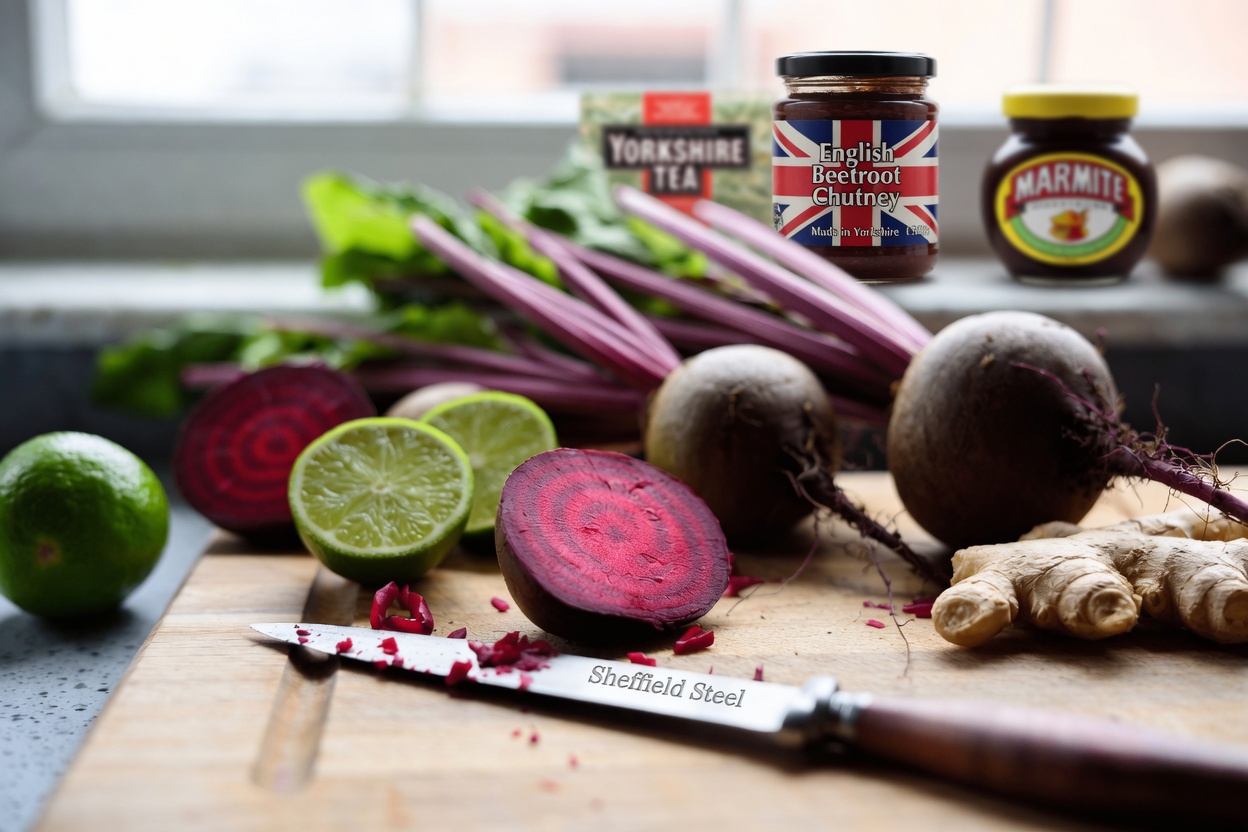
- 2 medium fresh beetroots, washed, peeled, and chopped, about 300 g total
- 2 limes, juiced, or 1/2 cup fresh lime juice
- 1-inch piece of fresh ginger, peeled and sliced
- 1 to 2 cups water, depending on your preferred consistency
- Optional: 1 small apple or carrot for a naturally sweeter taste
- Optional: 1 teaspoon honey or maple syrup if needed
How to Prepare It
- Prep the produce: Clean the beets thoroughly, peel them, and cut them into small pieces. Peel the ginger and squeeze the limes.
- Blend or juice: If using a blender, combine the beetroot, ginger, lime juice, and water, then blend until smooth. If using a juicer, juice the beetroot and ginger first, then mix in the lime juice.
- Strain if preferred: For a smoother drink, pour the mixture through a fine sieve or a nut milk bag. If you like a thicker texture and extra fiber, keep the pulp.
- Adjust the flavor: Add more water if needed, and use a small amount of natural sweetener only if the earthy taste feels too strong.
- Serve immediately: Pour over ice and drink fresh for the best flavor and nutrient quality. Refrigerate leftovers in a sealed container and use within 24 hours.
Helpful Tip
Try drinking it in the morning or before exercise to make it easier to turn into a daily habit. If beetroot is new to you, begin with a smaller amount and see how your body responds.
How to Turn Beetroot Juice Into a Lasting Routine
Consistency matters if you want to experience potential long-term benefits. These simple habits can help:
- Begin gradually: Start with half a glass each day before moving up to a full serving.
- Drink it with balanced meals: Pair it with protein and healthy fats as part of an overall nourishing diet.
- Choose fresh ingredients: Freshly made juice is often better than pre-bottled options that may contain added sugar.
- Notice your response: Some people observe differences in energy or digestion after several weeks, though results vary.
- Support it with healthy habits: Regular activity, stress management, maintaining a healthy weight, and eating plenty of fruits and vegetables all matter.
No single drink can do everything on its own. The biggest benefits usually come from a full lifestyle pattern centered on healthy food and daily movement.
Easy Variations to Avoid Boredom
Keeping the recipe flexible can make it easier to stick with over time. Here are a few ideas:
- For a sweeter taste: Add an apple or orange for natural sweetness and extra vitamin C, which may help support nitrate conversion.
- For extra spice: Mix in a pinch of black pepper or turmeric for more plant-based compounds.
- For more greens: Blend in a little kale or spinach without greatly changing the flavor.
- For more fiber: Skip straining and enjoy the thicker texture.
Small changes like these can keep the drink interesting and help make it a regular part of your routine.
Common Questions About Beetroot Juice
How much beetroot juice can I drink each day?
Many studies have used amounts in the range of 200 to 500 ml per day, or roughly 1 to 2 cups. It is wise to start with less and increase gradually based on how you feel. For personal advice, consult a healthcare professional.
Is beetroot juice suitable for everyone?
Most healthy adults can enjoy it as part of a balanced diet. However, people with kidney conditions, low blood pressure, or those taking blood pressure medication should talk to a doctor first, since dietary nitrates can influence blood pressure.
Can it cause side effects?
Beetroot may turn urine or stool pink or red in some people. This is called beeturia and is usually harmless and temporary. Some people also find the taste quite earthy at first, which is why lime and ginger can make it much more enjoyable.
How quickly might I notice a difference?
Some research has observed effects within a few hours, while other findings suggest that regular use over several weeks or months may be more meaningful. Individual responses can differ quite a lot.
Final Thoughts
Adding a daily glass of beetroot, lime, and ginger juice to your routine can be a simple and enjoyable way to support healthy circulation and overall wellness. While it is not a cure-all, it may complement a heart-friendly lifestyle built on balanced nutrition, regular movement, and good daily habits. With fresh ingredients and a recipe that is easy to prepare, this vibrant juice can become a practical part of feeling more energized and supporting your cardiovascular health naturally.