Muscle Strength After 60: The Food and Habits That Help You Stay Stronger Longer
As people age, especially after 60, it is common to notice a slow drop in strength, stamina, and day-to-day mobility. One major reason is the natural loss of muscle mass that comes with aging, known as sarcopenia. This gradual change can make ordinary activities feel more demanding, raise the risk of falls, and reduce independence over time. Research suggests that without deliberate lifestyle changes, muscle loss can speed up and leave older adults feeling noticeably less capable than before.
The encouraging part is that practical, science-backed habits can help protect muscle health and improve how strong and energetic you feel. Findings from organizations such as the PROT-AGE study group and specialists in aging consistently show that adequate protein intake combined with regular physical activity is one of the best strategies. Even more important, one particular category of nutrient-rich foods can play a surprisingly powerful role in helping muscles stay stronger with age.

Why Muscle Health Becomes More Important After 60
After age 60, the body does not use protein as efficiently to repair and preserve muscle tissue. This process is called anabolic resistance. As a result, muscles need more support from both nutrition and activity to maintain their size and function. Without enough quality protein and consistent movement, muscle fibers tend to shrink over time.
Large observational studies have linked low protein intake with faster declines in lean body mass and physical strength. That means nutrition becomes especially important later in life.
The good news is that increasing protein through daily meals, while also including strength-focused activity, can help slow or reduce this decline. Experts from Harvard Health and the European Society for Parenteral and Enteral Nutrition often suggest that older adults may benefit from more protein than the basic standard recommended for younger adults.
How Much Protein Do Adults Over 60 Need?
The standard recommended dietary allowance for protein is 0.8 grams per kilogram of body weight per day. However, growing evidence indicates that this level may be too low for ideal muscle maintenance in older adults.
Many experts now recommend 1.0 to 1.2 grams per kilogram daily for healthy seniors. For those who exercise regularly, especially with resistance training, some studies support intake in the range of 1.2 to 1.6 grams per kilogram per day.
For someone who weighs 150 pounds (about 68 kilograms), that works out to about:
- 68 to 82 grams of protein per day at the lower recommended range
- Potentially more if they are physically active or doing strength exercises
It is also helpful to spread protein intake across the day instead of eating most of it in a single meal. Aiming for around 20 to 35 grams per meal may support muscle protein synthesis more effectively than one large serving eaten all at once.
Protein amount matters, but so does protein quality. Foods that contain essential amino acids, especially leucine, are particularly useful because leucine helps trigger muscle repair and rebuilding.
Best Foods to Help Maintain Muscle Mass
To support muscle health after 60, focus on protein-rich, nutrient-dense foods that are easy to include in everyday meals. The following choices are among the most strongly supported by current research:
-
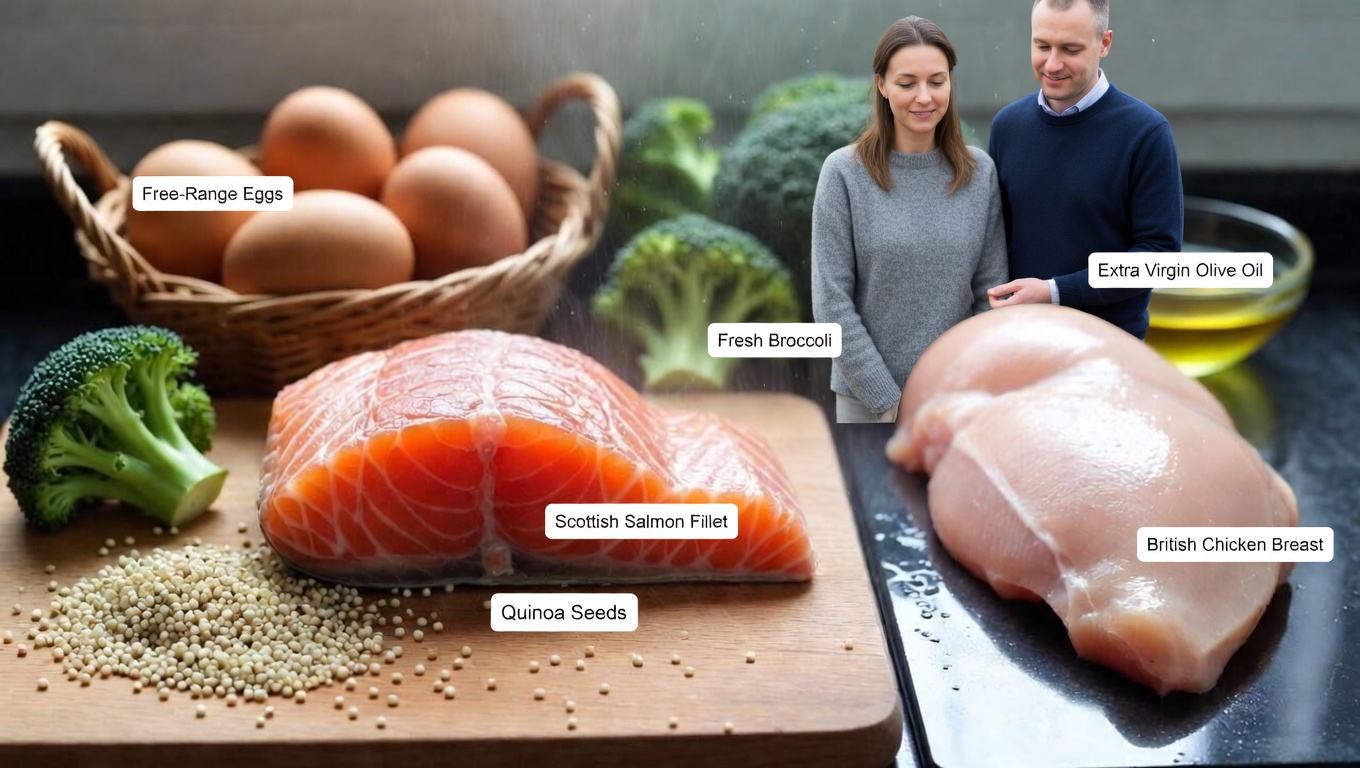
Lean poultry and eggs
- Chicken breast and turkey provide complete protein with relatively little fat.
- A cooked 3-ounce chicken breast typically contains about 25 to 30 grams of protein.
- Eggs are also highly bioavailable and naturally rich in leucine.
-
Fish such as salmon and tuna
- These provide roughly 20 to 25 grams of protein per serving.
- Fatty fish like salmon also contain omega-3 fatty acids, which may help reduce inflammation.
-
Dairy foods like Greek yogurt and cottage cheese
- Low-fat Greek yogurt can offer 20 or more grams of protein per cup.
- These foods also contribute nutrients that support bone health.
-
Plant-based protein sources
- Lentils, chickpeas, quinoa, tofu, nuts, and seeds can provide about 8 to 18 grams of protein per serving, depending on the food and portion.
- They also deliver fiber, minerals, and other beneficial compounds.
-
Lean beef or pork in moderate amounts
- These options offer complete protein, heme iron, and a high leucine content that can support muscle maintenance.
Studies suggest that eating a variety of protein sources may be more beneficial than depending on only one type of food.
Daily Habits That Make Protein Work Better
Protein helps on its own, but the results are stronger when it is paired with regular movement. Resistance exercise encourages the muscles to grow and adapt, while protein provides the raw materials needed for repair.
Here are a few simple habits that can make a real difference:
-
Do strength exercises 2 to 3 times per week
- Try bodyweight squats, wall push-ups, chair stands, or light dumbbell rows.
- Begin with 8 to 12 repetitions per set, depending on your comfort level.
-
Eat protein close to your workout
- Having 20 to 30 grams of protein within a couple of hours after exercise may support recovery and muscle repair.
-
Distribute protein evenly during the day
- Include protein at breakfast, lunch, and dinner rather than waiting until the evening.
-
Stay hydrated and eat fruits and vegetables
- Good hydration and a diet rich in produce support recovery and supply nutrients such as vitamin D, which plays a role in muscle function.
-
Monitor gradual progress
- Pay attention to small improvements, such as climbing stairs more easily or carrying groceries with less effort.
Research repeatedly shows that resistance training plus higher protein intake is more effective for preserving muscle mass and physical function than either strategy alone.
Sample High-Protein Meal Plan for Older Adults
Here is a simple example of a day that provides about 80 to 100 grams of protein:
-
Breakfast
- Greek yogurt with berries and a small handful of almonds
- Approximate protein: 25 grams
-
Lunch
- Grilled chicken salad with chickpeas and mixed vegetables
- Approximate protein: 30 grams
-
Snack
- Cottage cheese or one hard-boiled egg
- Approximate protein: 15 grams
-
Dinner
- Baked salmon with quinoa and broccoli
- Approximate protein: 30 grams
Portions can be adjusted based on body size, activity level, and personal preference.
Common Questions About Supporting Muscle After 60
How long does it take to notice results?
Many people begin to feel stronger and more energetic within 4 to 8 weeks of consistently increasing protein intake and adding light resistance exercise. Visible changes in muscle may take longer, but functional improvements often come first.
Is eating more protein dangerous?
For most healthy older adults, protein intake up to 1.6 grams per kilogram of body weight is generally considered safe. However, anyone with kidney disease or other medical conditions should speak with a healthcare provider before increasing protein significantly.
Can plant-based foods provide enough protein?
Yes, it is possible to meet protein needs with plant foods alone. Combining foods such as beans, tofu, lentils, and grains can help provide a full range of amino acids. Still, animal-based proteins often supply more leucine per serving, which can be helpful for muscle support.
Final Thoughts
Maintaining muscle after 60 is not about extreme changes. It comes down to smart, sustainable choices in both eating and movement. Getting enough high-quality protein, staying active, and practicing basic strength exercises can improve balance, strength, and everyday quality of life over time.
This article is for informational purposes only and should not be considered medical advice. Always consult a qualified healthcare professional before making major changes to your diet or exercise routine, especially if you have existing health concerns.