
Grapes and Prostate Health: Can This Antioxidant-Rich Fruit Offer Support?
Many men over 40 deal with the discomfort of an enlarged prostate. Common issues include frequent urination, especially overnight, a weaker stream, and the nagging sensation that the bladder has not fully emptied. Over time, these symptoms can interrupt sleep, drain energy, and affect comfort, confidence, and everyday quality of life.
Medical guidance should always come first. Still, growing research suggests that certain natural foods containing protective plant compounds may help support prostate health when included in a balanced lifestyle.
What about grapes? This familiar fruit is loaded with antioxidants and other beneficial nutrients that have attracted scientific interest. Let’s look at what the research says and how grapes may fit into a prostate-friendly routine.
Why Prostate Health Becomes More Challenging With Age
As men get older, the prostate often increases in size. This common, non-cancerous condition is called benign prostatic hyperplasia, or BPH. When the gland enlarges, it can put pressure on the urethra and lead to lower urinary tract symptoms, also known as LUTS. For some, these symptoms are mild. For others, they become a major daily frustration.
Researchers believe several factors may contribute to these changes, including:
- Inflammation
- Oxidative stress
- Hormonal shifts
- Lifestyle habits, including diet
A growing body of evidence suggests that eating patterns rich in fruits and vegetables may support better overall prostate function. Antioxidant compounds found in produce appear especially important. In grapes, two standout compounds—resveratrol and proanthocyanidins—have gained attention in laboratory and animal studies for their possible role in supporting cellular health.

How Grapes May Help Support the Prostate
Grapes, especially red and purple varieties, contain resveratrol, a naturally occurring polyphenol found mainly in the skin. Scientists have studied this compound in lab settings and animal models to better understand how it may affect prostate tissue.
Some studies suggest resveratrol may:
- Help support normal cellular function
- Reduce oxidative stress in prostate tissue
- Influence inflammatory pathways
- Play a role in regulating cell growth processes
Grape seed extract has also been examined for its high concentration of proanthocyanidins, another group of potent antioxidants. In preclinical research, these compounds have shown potential for helping maintain a healthier environment for prostate cells.
Human evidence is still limited, and current findings should be considered early-stage. However, a few small studies have reported slower PSA-related changes in certain groups taking grape seed extract. While larger and better-designed trials are needed, these results have increased interest in grapes as part of a supportive nutritional strategy.
And grapes offer more than just resveratrol alone.
Important Nutrients in Grapes
Grapes deliver a valuable combination of nutrients and plant compounds that may benefit overall wellness, including prostate support.
- Resveratrol: Found mostly in the skin of red grapes and widely studied for its antioxidant properties
- Proanthocyanidins: Present in seeds and skins; associated with vascular and cellular support
- Other polyphenols: Help contribute to the fruit’s broader anti-inflammatory and antioxidant potential
- Vitamin C and potassium: Support general health and daily body function
- Fiber and water: Whole grapes also help with hydration and digestion
Eating grapes whole is especially useful because you get the natural fiber and water content along with the active compounds.

Simple Ways to Add Grapes to Your Daily Diet
If you want to include more grapes in your routine, there are several easy ways to do it consistently.
-
Eat them fresh
- Try 1 to 2 cups of red or purple grapes per day as a snack
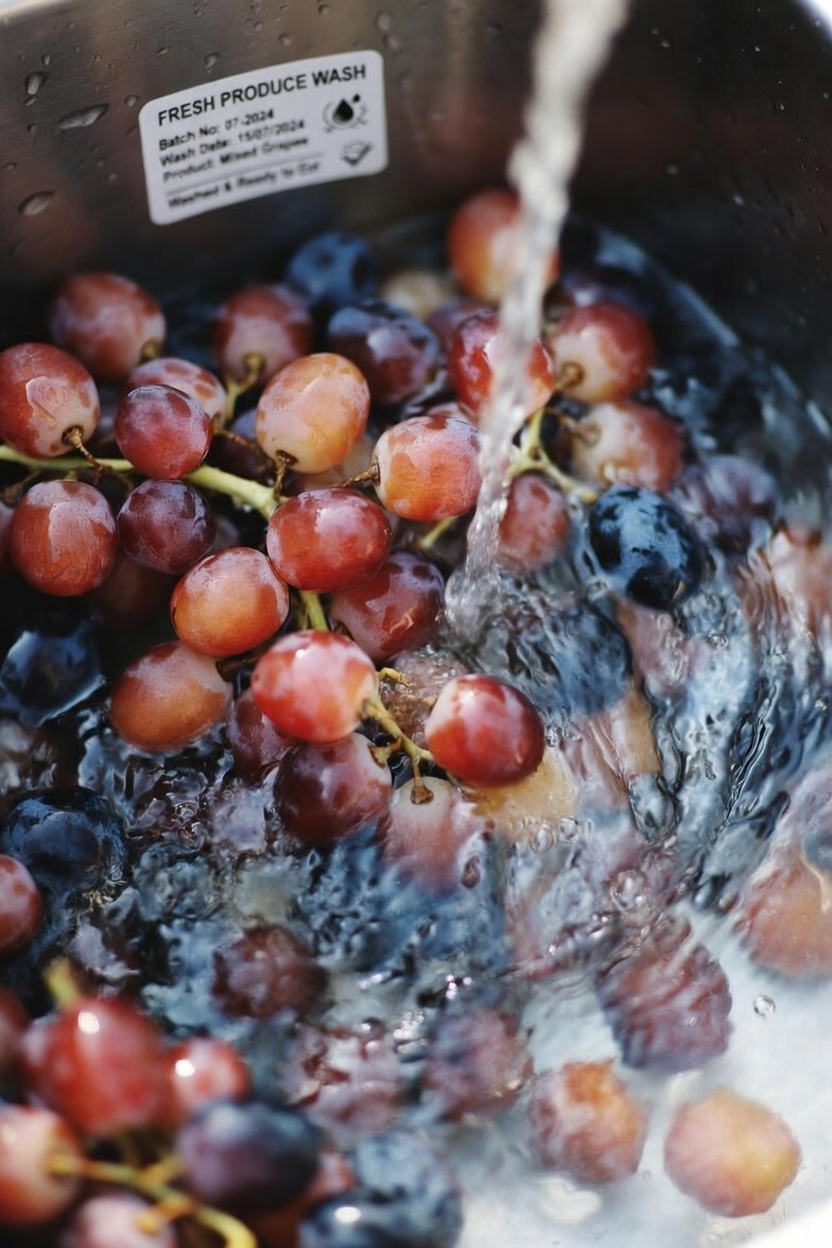
- Wash them well and keep the skin on to get the most benefit
-
Freeze them for convenience
- Rinse, dry, and portion them before freezing
- They make a refreshing, healthy snack that is easy to grab anytime
-
Blend them into smoothies
- Add a handful of grapes to a morning smoothie with yogurt, berries, and spinach
- This is a simple way to increase antioxidant intake
-
Include them with meals
- Add grapes to salads
- Pair them with nuts for a balanced snack
-
Choose different varieties
- Organic grapes may help reduce pesticide exposure when available
- Combining red and green grapes can add variety to your nutrient intake
Start with a modest amount and notice how your body responds over time. For best results, combine dietary improvements with exercise, good hydration, and regular health check-ups.
Other Foods That Can Support Prostate Wellness
Although grapes are promising, they work best as part of a broader, nutrient-dense diet. Other foods often linked with prostate support include:
- Tomatoes: A well-known source of lycopene, which has been associated with prostate cell support
- Pumpkin seeds: Rich in zinc and phytosterols, with some studies suggesting possible benefits for BPH symptoms
- Berries: Packed with antioxidants that complement those found in grapes
- Fatty fish: Provide omega-3 fats that may help manage inflammation
- Leafy greens: Supply essential vitamins and minerals for overall health
Many studies point to a Mediterranean-style diet as a smart approach for men’s health. This eating pattern emphasizes:
- Fruits
- Vegetables
- Nuts and seeds
- Healthy fats
- Whole foods over processed options
What Current Research Really Shows
The science around grapes and prostate health is encouraging, but it is important to stay realistic. Much of the evidence so far comes from:
- Laboratory studies
- Animal research
- Small-scale human trials
- Observational nutrition data
Current findings suggest that grape compounds may influence biological pathways tied to inflammation, oxidative stress, and prostate cell behavior. Some data also links higher antioxidant intake with better prostate-related outcomes.
At the same time, clinical studies involving grape seed extract and similar interventions are still limited, and results are not yet consistent enough to draw firm conclusions.
That means grapes should be viewed as a supportive food, not a treatment.
A Practical Takeaway
Adding grapes to your diet is a simple and enjoyable way to increase your intake of antioxidants that early research has connected with prostate support. Fresh, whole grapes can be part of a realistic daily habit that benefits overall health without making nutrition complicated.
Small, steady changes often matter most. Pay attention to how you feel, stay consistent with healthy habits, and seek professional advice for guidance tailored to your needs.
Frequently Asked Questions
How many grapes should I eat for possible benefits?
A practical starting point is 1 to 2 cups per day. Red or purple grapes with the skin left on are generally preferred because they contain more of the compounds most studied for prostate support. They should be part of a balanced diet, not the only focus.
Are supplements better than whole grapes?
Whole grapes offer more than isolated compounds. In addition to antioxidants, they provide fiber, hydration, and a wider nutrient profile. Supplements such as grape seed extract may deliver concentrated ingredients, but they do not fully replace the benefits of whole fruit. Speak with a healthcare provider before using supplements.
Can eating too many grapes cause side effects?
For most people, grapes are safe when eaten in moderation. Larger amounts may cause digestive discomfort in some individuals because of their natural sugar content. People with diabetes or blood sugar concerns should monitor portions carefully and consult a healthcare professional if needed.