5 Foods Linked to Higher Cancer Risk and Smarter Alternatives to Choose
Many people wonder whether daily food choices can influence long-term health, especially when the conversation turns to cancer risk. According to findings from respected health authorities, some eating patterns, particularly those built around certain foods, are associated with a greater likelihood of developing specific cancers over time.
The encouraging part is that you do not need a perfect diet to make progress. Simple, practical changes in what you eat can improve overall health and may help reduce risk. Below, we’ll look at five foods commonly connected to increased cancer risk, explain why experts suggest cutting back, and offer realistic substitutes you can start using right away. At the end, you’ll also find an often-overlooked strategy for creating a more protective way of eating.
Why Certain Foods May Increase Cancer Risk
Cancer is influenced by many factors, including genetics, age, environment, physical activity, body weight, and lifestyle habits. Food is only one piece of that bigger picture. Still, scientific evidence consistently shows that some foods may raise risk by increasing inflammation, disrupting hormones, contributing to excess weight, or exposing the body to harmful compounds.
Leading organizations such as the American Cancer Society, the World Health Organization, and the World Cancer Research Fund all note that no single food automatically causes cancer on its own. However, regularly eating certain high-risk foods as part of an unhealthy overall diet can make a measurable difference over time.
Large studies, reviews, and meta-analyses have found links between heavy intake of these foods and higher rates of cancers such as colorectal, breast, and pancreatic cancer. The goal is not fear, but balance: eat more whole, nutrient-dense foods and limit the items most often associated with risk.
1. Processed Meats
Processed meats are foods such as bacon, sausages, hot dogs, ham, salami, and deli meats that have been preserved through smoking, curing, salting, or chemical additives.
The International Agency for Research on Cancer (IARC) classifies processed meat as a Group 1 carcinogen, meaning there is strong evidence that it raises the risk of colorectal cancer.
Why this matters
During processing, substances such as nitrates and nitrites can form compounds that may damage cells in the digestive system. Research suggests that even modest daily intake, such as a hot dog or several strips of bacon, is linked to a meaningful increase in colorectal cancer risk in population studies.
Healthier alternatives
- Choose fresh chicken, turkey, or fish instead.
- Use beans, lentils, or chickpeas as protein-rich plant options.
- Add flavor with herbs, spices, garlic, and marinades rather than cured meats.
- If you need sandwich meat, look for turkey or chicken slices with no added nitrates.
2. Red Meat
Red meat includes beef, pork, lamb, and veal. It does provide protein, iron, and other nutrients, but high consumption has also raised concern in cancer research.
IARC classifies red meat as probably carcinogenic to humans (Group 2A), with the strongest evidence pointing to colorectal cancer and some possible links to pancreatic and prostate cancers.
Why this matters
Red meat contains heme iron, which may contribute to processes that damage cells in the body. In addition, cooking red meat at very high temperatures can produce harmful chemicals such as HCAs and PAHs. Over time, these compounds may increase cancer risk. Studies suggest the risk becomes more concerning when intake regularly exceeds recommended levels, such as more than 18 ounces per week.
Healthier alternatives
- Eat smaller portions and choose lean cuts when you do have red meat.
- Replace it more often with fish, eggs, tofu, beans, or nuts.
- Use gentler cooking methods and avoid charring or burning meat.
- Build more meals around plant proteins during the week.
3. Ultra-Processed Foods
Ultra-processed foods are industrial products made with many ingredients, often including preservatives, additives, emulsifiers, colorings, and artificial flavors. Common examples include packaged snacks, sugary breakfast cereals, frozen pizza, soda, instant noodles, and many ready-to-eat meals.
Why this matters
A growing body of research, including multiple meta-analyses, has linked high intake of ultra-processed foods to an increased risk of cancer overall, as well as certain cancers such as breast and colorectal cancer. These foods also tend to promote weight gain, reduce diet quality, and increase inflammation, all of which can indirectly raise risk.
Healthier alternatives
- Make homemade versions of common meals and snacks when possible.
- Choose fruit, yogurt, nuts, or boiled eggs instead of cookies and chips.
- Read ingredient labels and look for simpler, minimally processed products.
- Keep convenient staples on hand, such as oats, canned beans, frozen vegetables, and whole-grain bread.
4. Sugar-Sweetened Beverages
This category includes soft drinks, sweetened teas, sports drinks, energy drinks, and fruit-flavored beverages with large amounts of added sugar.
Why this matters
Sugar does not directly “feed” cancer in the way many myths claim. All cells use glucose for energy. The larger issue is that sugary drinks can drive excess calorie intake, weight gain, and obesity, which is a known risk factor for at least 13 types of cancer. Some laboratory research has also suggested that high fructose exposure may speed tumor growth under certain conditions.
Healthier alternatives
- Make water your main drink throughout the day.
- Try sparkling water with lemon, mint, or berries.
- Choose unsweetened tea, herbal tea, or black coffee.
- Eat whole fruit when you want sweetness, since it also provides fiber.
5. Alcohol
Alcohol includes beer, wine, and spirits, and even moderate consumption carries health risks.
Alcohol is classified as a Group 1 carcinogen and is linked to at least seven types of cancer, including breast, liver, and colorectal cancer.
Why this matters
When your body processes alcohol, it produces acetaldehyde, a toxic compound that can damage DNA. Even lower levels of drinking can contribute to increased cancer risk, which is why many experts recommend limiting alcohol as much as possible or avoiding it entirely.
Healthier alternatives
- Choose alcohol-free beer, wine, or mocktails.
- In social settings, drink sparkling water with fruit or herbs.
- Reserve alcohol for rare occasions, or skip it altogether for the greatest benefit.
Simple Ways to Build a More Protective Diet
If you want to shift toward eating habits that align with cancer prevention guidance, start with manageable steps rather than drastic restrictions.
- Fill half your plate with vegetables and fruit.
- Pick whole grains like oats, quinoa, brown rice, and whole wheat more often than refined grains.
- Include plant proteins regularly, such as beans, lentils, soy foods, seeds, and nuts.
- Keep red and processed meats as occasional foods rather than daily staples.
- Drink water most often.
- Watch portion sizes to help maintain a healthy weight.
An important tip many people overlook is this: when you focus on building meals around colorful, plant-rich foods, less healthy choices often naturally become a smaller part of your diet.
Foods That May Support Overall Health
No single food can guarantee cancer prevention, but research supports dietary patterns rich in whole plant foods and other nutrient-dense ingredients.
Helpful foods to include more often
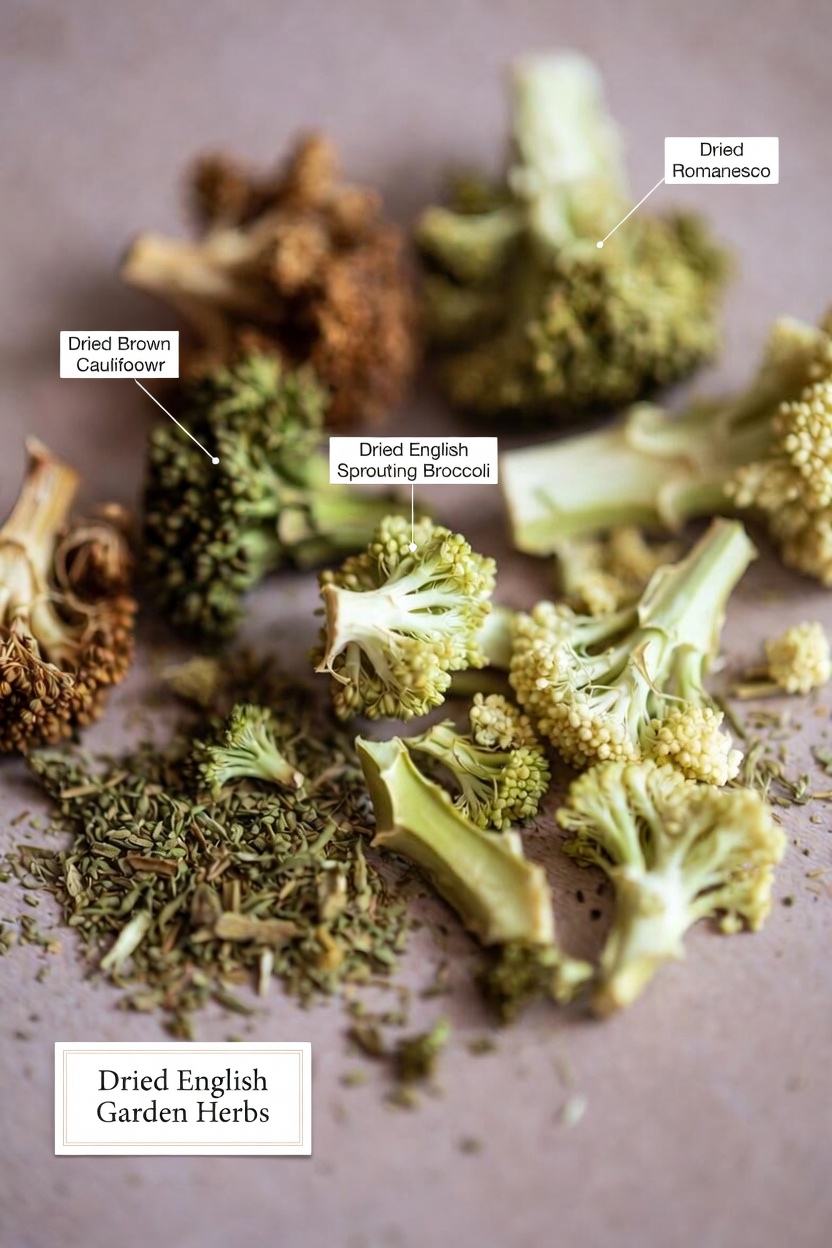
- Cruciferous vegetables like broccoli, cauliflower, cabbage, and Brussels sprouts, which contain compounds studied for possible protective effects
- Berries and citrus fruits, which provide antioxidants and fiber
- Whole grains and legumes, which support digestive and gut health
- Healthy fats from olive oil, avocados, nuts, and seeds
Eating these foods regularly can help create a dietary pattern associated with better long-term health and potentially lower risk.
Conclusion
What you put on your plate every day can play a meaningful role in supporting long-term wellness. By cutting back on processed meat, red meat, ultra-processed foods, sugary drinks, and alcohol, while choosing more whole and plant-forward foods, you move closer to evidence-based recommendations from major health organizations.
The most effective changes are often the ones you can maintain. Small, steady improvements in your diet can add up to important health benefits over time.
FAQ
Does sugar directly feed cancer cells?
No. Both healthy cells and cancer cells use glucose for energy. The real concern is that too much added sugar can contribute to weight gain and other conditions associated with higher cancer risk.
Is it okay to eat red meat sometimes?
Yes, moderation matters. Most guidance suggests limiting how much you eat, choosing leaner cuts, and relying on other protein sources more often.
Are ultra-processed foods really that harmful?
Research shows that higher intake is associated with greater cancer risk and poorer overall health. Replacing them with homemade or minimally processed foods is a smart and practical improvement.