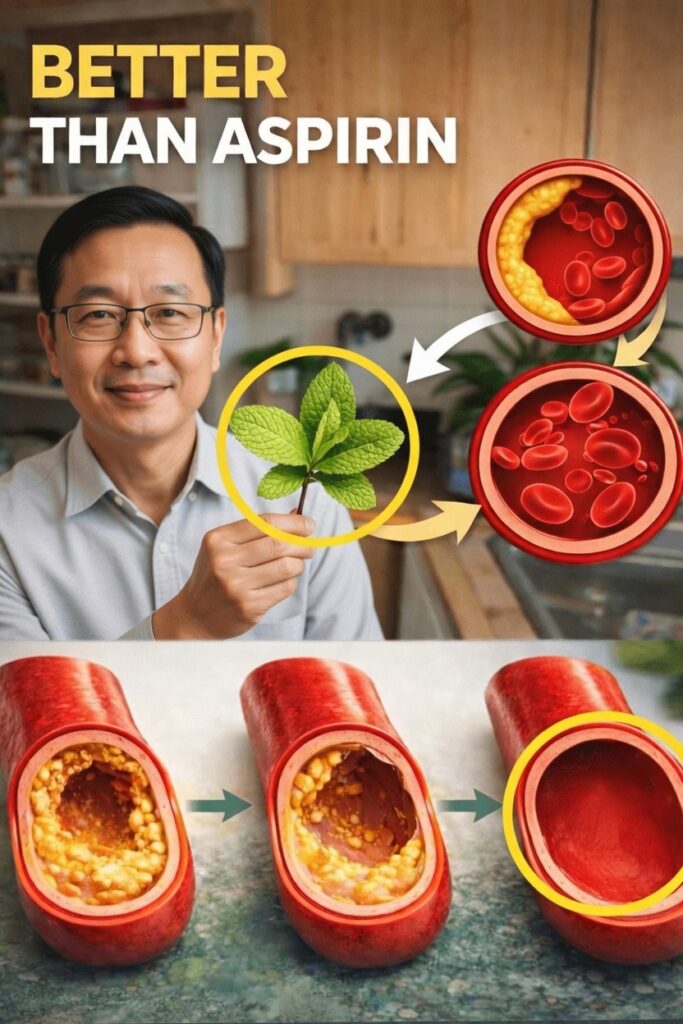
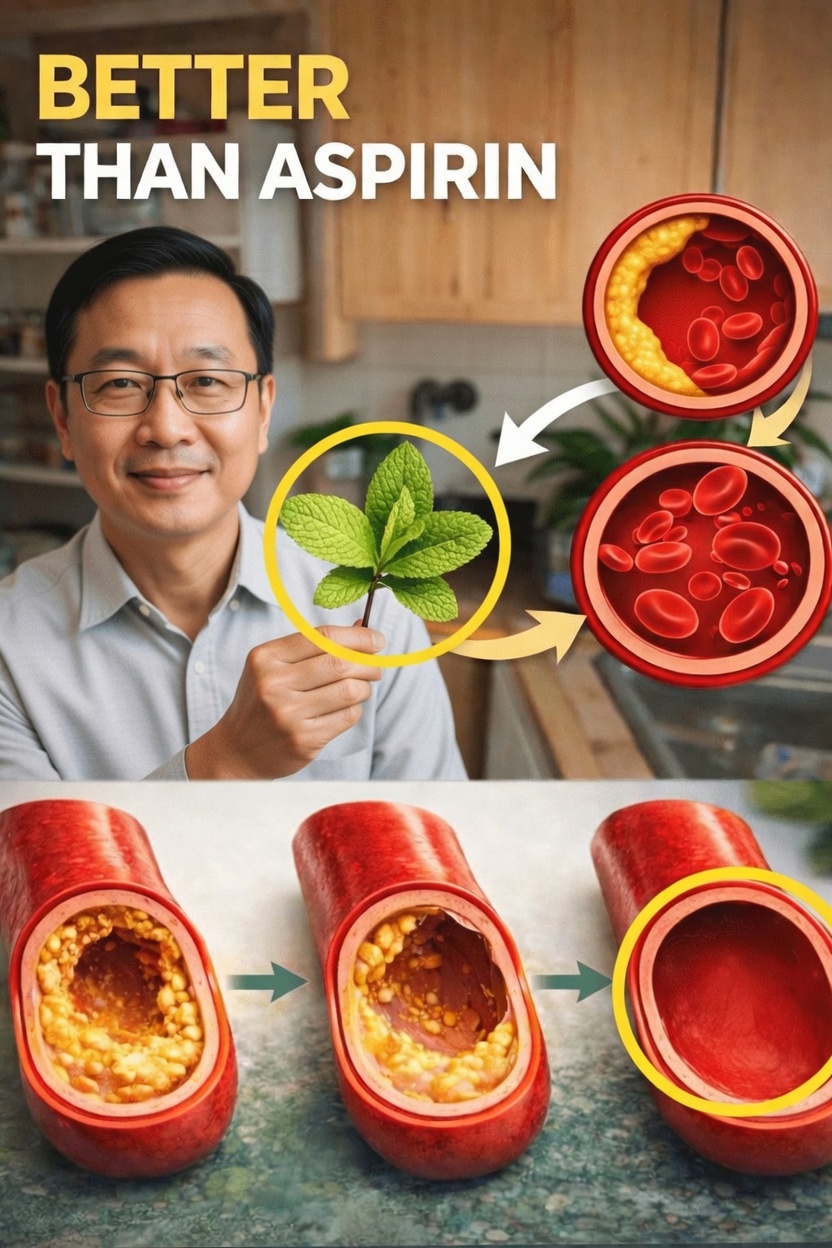
Foods That Help Support Healthy Arteries and Circulation
As people get older, many start thinking more seriously about heart health, clear arteries, and steady blood flow. Modern life does not always help. Stress, rushed schedules, and heavily processed foods can gradually affect cardiovascular wellness without obvious warning signs at first. Over time, poor circulation and plaque accumulation may contribute to low energy, discomfort, and a greater chance of heart-related problems.
The good news is that everyday meals can play a meaningful role in supporting the body’s natural ability to maintain healthy circulation and heart function. By choosing the right foods consistently, you can give your cardiovascular system valuable nutritional support. This guide covers research-backed foods associated with better vascular health, along with simple ways to include them in your day. At the end, you will also find one easy daily habit that brings everything together.
Why Your Diet Plays a Big Role in Heart Health
Leading health authorities, including the American Heart Association and Harvard Health, continue to emphasize that eating patterns centered on whole, nutrient-dense foods can help maintain healthy cholesterol, support blood vessel flexibility, and promote better circulation.
These effects are linked to key nutrients and compounds such as:
- Antioxidants
- Fiber
- Heart-healthy fats
- Naturally anti-inflammatory plant compounds
Research also points to the long-term benefits of eating styles like the Mediterranean diet, which focuses on vegetables, fruits, legumes, olive oil, fish, nuts, and other minimally processed foods. People who follow this type of eating pattern tend to have a lower risk of cardiovascular problems over time.
Still, some foods stand out even more because they offer especially concentrated benefits.
Best Foods for Heart and Artery Support
Below are some of the most studied foods linked to improved cardiovascular wellness.
Fatty Fish High in Omega-3 Fatty Acids
Fish such as salmon, mackerel, sardines, and trout are rich in omega-3s. Studies connect these healthy fats with better blood pressure balance, reduced inflammation, and support for normal heart rhythm.
Try to eat two servings per week. Easy options include:
- Grilled salmon
- Baked trout
- Sardines on whole-grain toast
Nuts and Seeds for Everyday Heart Support
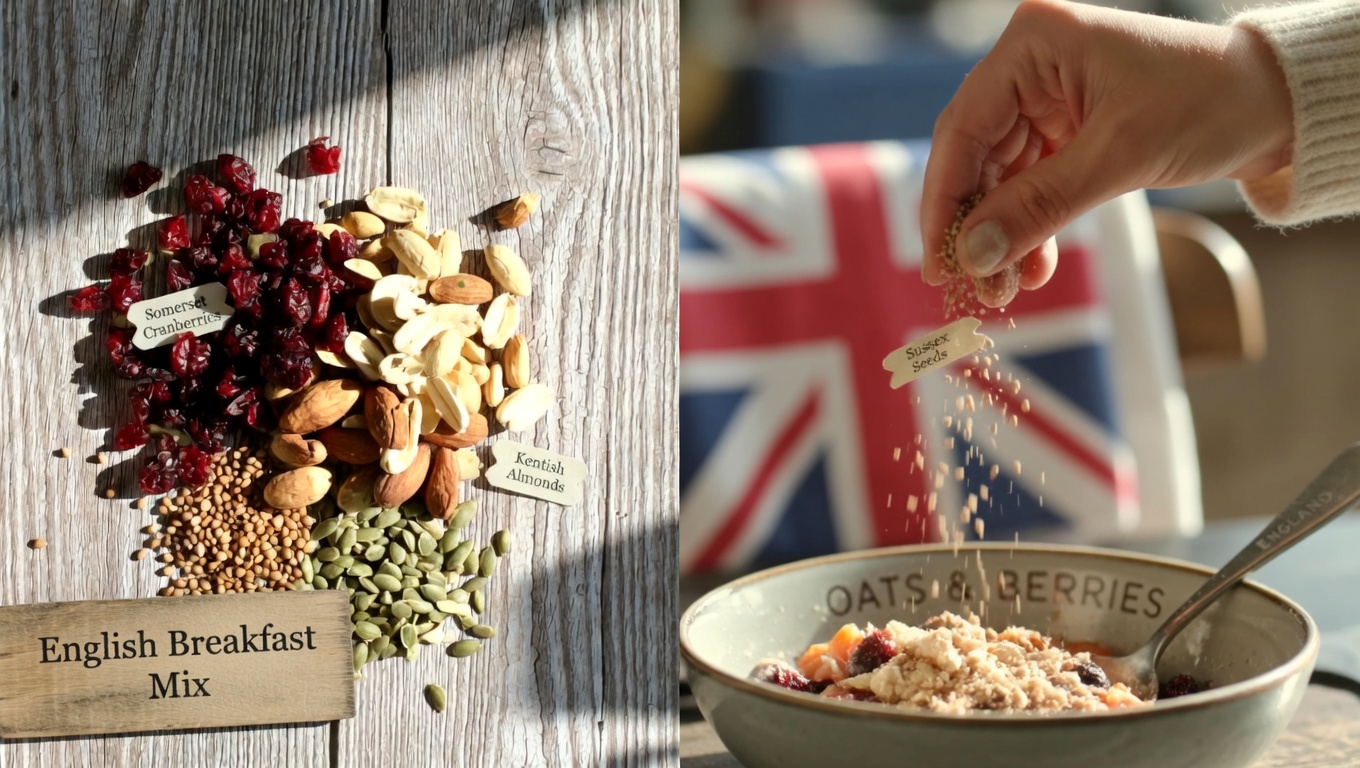
Walnuts, almonds, flaxseeds, and chia seeds provide fiber, healthy fats, vitamin E, and plant-based omega-3s. Regular intake has been associated with healthier cholesterol levels and better blood vessel function.
A practical target is one small handful per day, or about 1 ounce. You can easily add them by:
- Topping oatmeal with walnuts
- Mixing chia seeds into smoothies
- Sprinkling flaxseeds over yogurt
Berries Loaded With Protective Antioxidants
Blueberries, strawberries, raspberries, and cranberries are packed with flavonoids and polyphenols. Research suggests these compounds help defend blood vessels from damage and may support healthy blood pressure.
Simple ways to enjoy them include:
- Adding a cup to breakfast
- Blending them into smoothies
- Eating them fresh as a snack
Leafy Greens and Beets for Natural Nitrate Support
Vegetables like spinach, kale, arugula, and beets contain dietary nitrates, which the body can convert into compounds that help blood vessels relax and support smoother blood flow.
Leafy greens also offer important minerals such as:
- Potassium
- Magnesium
These nutrients help support healthy blood pressure. Try:
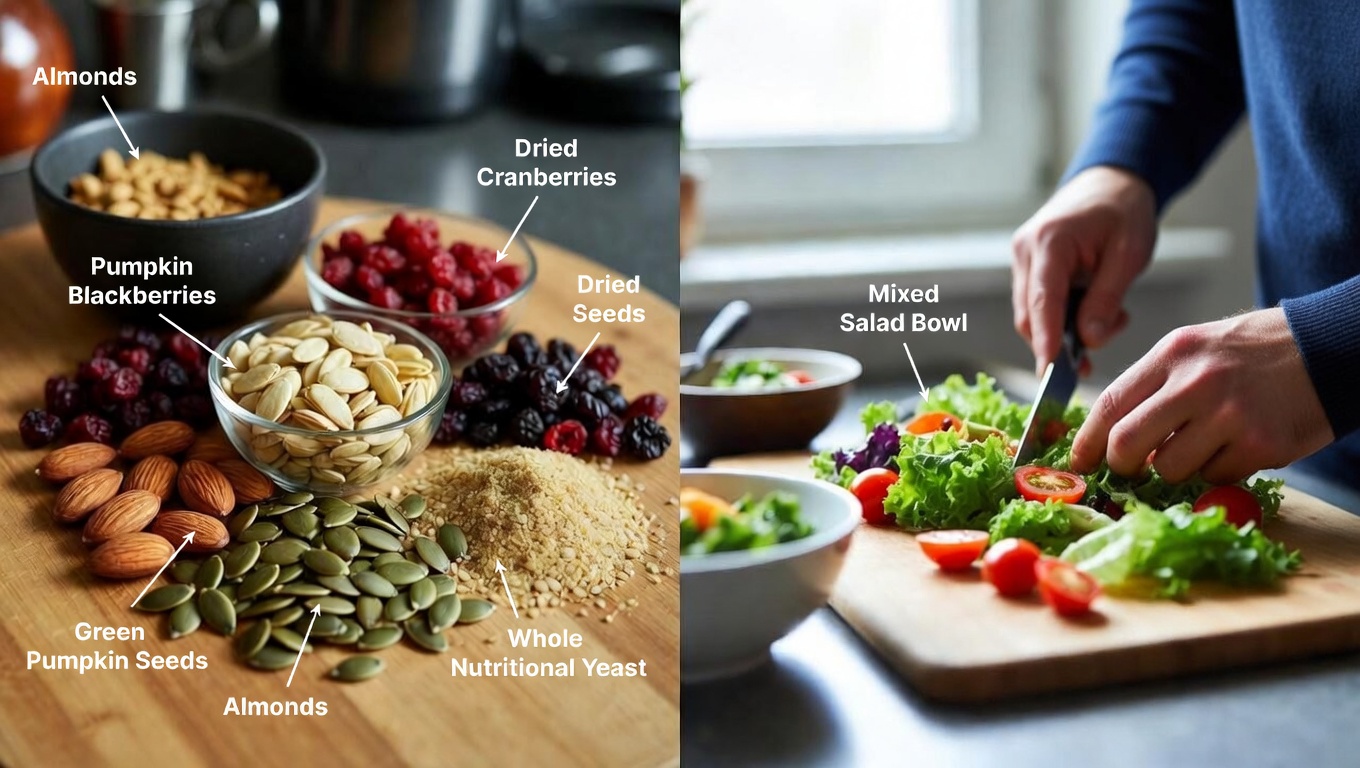
- A large mixed green salad
- Sautéed spinach with garlic
- Roasted beets as a side dish
Extra-Virgin Olive Oil as a Smart Everyday Fat
Extra-virgin olive oil is a staple of heart-friendly diets for a reason. It contains monounsaturated fats and antioxidant-rich polyphenols. Studies have linked regular use with healthier blood lipids and improved endothelial function, which refers to the health of the inner lining of blood vessels.
It works well in many meals:
- Drizzled over vegetables
- Used in salad dressings
- Added to cooking in place of butter
For many people, 2 to 3 tablespoons daily fits well into a balanced eating pattern.
Garlic for Flavor and Circulation Support
Garlic contains allicin and other sulfur-based compounds that may help support healthy blood pressure and circulation when eaten regularly.
For best culinary use and potential benefit:
- Crush or chop fresh garlic
- Let it rest for about 10 minutes
- Add it to your dish
This simple step helps preserve its active compounds.
Quick Comparison: Why These Foods Matter
| Food Category | Main Beneficial Compounds | Heart Support Linked in Research | Easy Daily Serving Idea |
|---|---|---|---|
| Fatty fish | Omega-3 fatty acids | Reduced inflammation, rhythm support | Grilled salmon twice a week |
| Nuts and seeds | ALA omega-3s, fiber, vitamin E | Better cholesterol and vessel function | Small handful as a snack |
| Berries | Anthocyanins, polyphenols | Antioxidant support and vessel protection | 1 cup fresh or frozen |
| Leafy greens and beets | Nitrates, potassium, magnesium | Vessel relaxation and blood pressure support | Large salad or side serving |
| Olive oil | Monounsaturated fats, polyphenols | Endothelial support and healthy lipid levels | Drizzle on salads or vegetables |
| Garlic | Allicin, sulfur compounds | Potential support for circulation and pressure | 1 to 2 cloves in meals |
Easy Ways to Start Adding These Foods Today
You do not need to completely change your lifestyle overnight. Small, repeatable steps are often the most effective. Here are some simple ideas:
- Start breakfast with oats topped with berries, walnuts, and flaxseeds
- Replace butter with olive oil when cooking
- Add fatty fish to your weekly meal plan
- Snack on unsalted nuts instead of chips or processed snacks
- Mix garlic and leafy greens into soups, stir-fries, and even smoothies
- Drink beet juice or eat roasted beets two to three times a week
The key is consistency. Minor improvements done regularly can lead to meaningful long-term benefits.
One Daily Habit That Brings It All Together
If you want one simple strategy that makes these foods easier to include, build a colorful, plant-forward plate at each meal.
A helpful visual guide is:
- Half the plate: vegetables and fruits
- One quarter: whole grains
- One quarter: healthy protein such as fish, beans, or nuts
Research suggests that this overall pattern supports heart health more effectively than relying on a single “superfood.” Try following this method for one week and see how your meals—and possibly your energy—begin to change.
FAQ
When is the best time to eat these heart-healthy foods?
It is best to spread them throughout the day. For example:
- Berries or nuts at breakfast
- Greens and olive oil at lunch
- Fish and garlic at dinner
This helps provide a steady supply of beneficial nutrients.
Can supplements provide the same benefits as these foods?
Whole foods are usually the better first choice because they deliver a combination of nutrients, fiber, and natural compounds that supplements often cannot fully match. If you are considering supplements, speak with a healthcare professional first.
How long does it take to notice results?
Some people notice improvements in energy or digestion within a few weeks. Measurable changes in cholesterol or other cardiovascular markers often take 3 to 6 months of consistent healthy eating.
Are there foods I should reduce for better heart support?
Yes. Limiting the following can help your healthy choices work better:
- Processed meats
- Sugary drinks
- Refined carbohydrates
- Excess saturated fat
Important Note
Always talk with your healthcare provider before making major dietary changes, especially if you have a medical condition or take prescription medications. This article is for informational purposes only and should not be considered medical advice.