Common Mallow (Malva sylvestris): Health Benefits, Traditional Uses, and Simple Ways to Use It
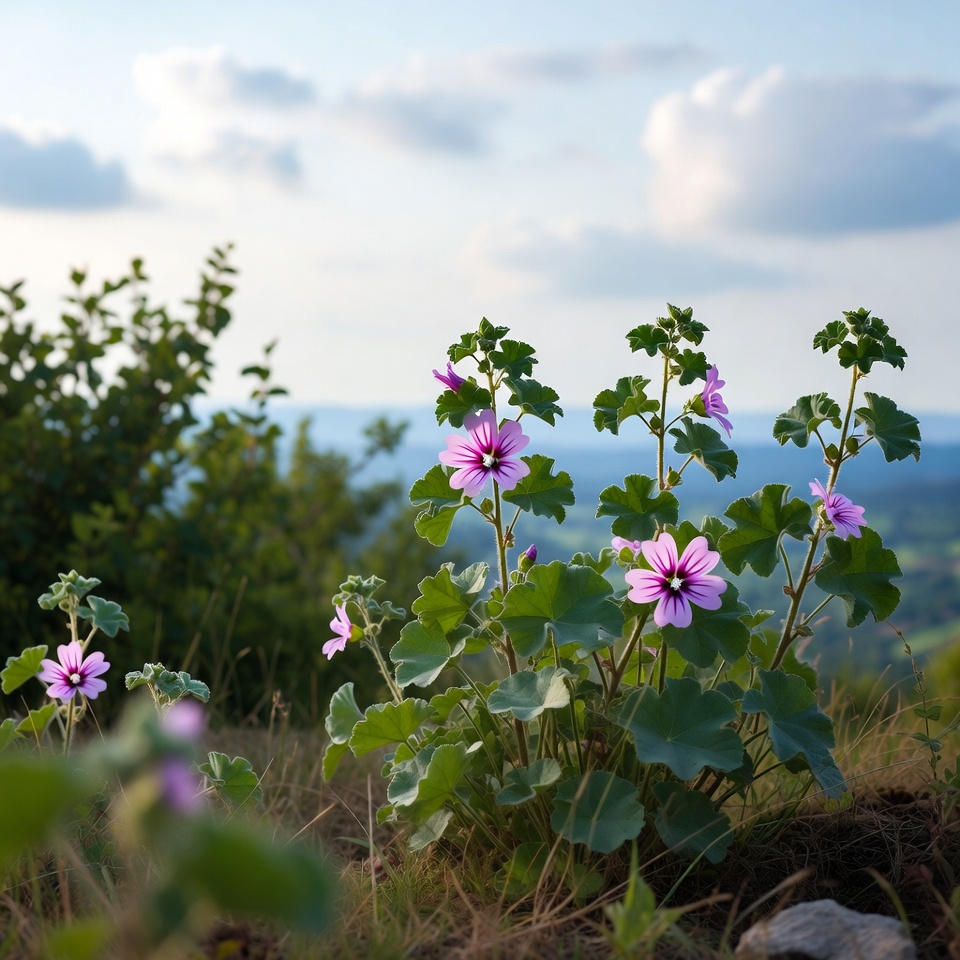
Common mallow (Malva sylvestris) is often dismissed as an ordinary wild plant, yet it has been valued for centuries as a trusted medicinal herb. With its striking purple blooms and nutrient-rich leaves, this traditional remedy offers a wide range of wellness benefits. It contains antioxidants, vitamins, and soothing plant compounds that may support the respiratory system, digestion, skin health, and more.
In this guide, you’ll discover the key benefits of common mallow, its traditional applications, and practical ways to include it in your everyday wellness routine.
1. Helps Calm Coughs and Respiratory Irritation
One of the best-known uses of common mallow is for easing coughs, sore throats, and bronchial discomfort. Its high mucilage content creates a soothing, gel-like coating that can help protect the throat and airways. This may reduce irritation, dryness, and inflammation.
How to use it:
- Make mallow tea by steeping 1 tablespoon of dried leaves and flowers in 1 cup of hot water for 10 to 15 minutes.
- Drink 2 to 3 cups daily to help soothe the throat and reduce coughing.
- Add honey and lemon for extra comfort and flavor.
2. Supports Digestion and May Relieve Constipation
Common mallow is traditionally used as a gentle natural laxative. Its mucilage may help soften the digestive tract, making it useful for constipation, indigestion, and bloating. It can also help coat and protect the stomach lining, which may promote smoother digestion.
How to use it:
- Drink mallow tea before meals to support digestion and ease stomach discomfort.
- Add fresh mallow leaves to soups or salads for extra fiber and digestive support.
3. Promotes Skin Health and Supports Minor Wound Care
Because of its soothing and anti-inflammatory properties, common mallow is often used for irritated or damaged skin. It may help calm redness, dryness, burns, rashes, eczema, and minor wounds while keeping the skin hydrated.
How to use it:
- Mallow compress: Soak a clean cloth in cooled mallow tea and place it on sunburned, itchy, or inflamed skin.
- Mallow-infused oil: Soak dried mallow flowers in olive oil for 2 weeks, then use the oil as a natural moisturizer for dry or sensitive skin.
4. May Support Urinary Tract Health
Common mallow is known for its mild diuretic effect, which may help the body flush out excess fluids and toxins. It has also been traditionally used to ease bladder irritation and support urinary tract wellness.
How to use it:
- Drink mallow tea regularly to help maintain urinary health.
- Combine it with herbs such as dandelion or parsley for a stronger cleansing blend.
5. Helps Reduce Inflammation and Joint Discomfort
The anti-inflammatory compounds in common mallow may help ease swelling, stiffness, and discomfort linked to arthritis, overworked muscles, and sore joints. It can be used both internally and externally for this purpose.
How to use it:
- Mallow poultice: Crush fresh mallow leaves and apply them to sore muscles or swollen joints.
- Mallow bath: Add mallow-infused water to a warm bath to relax the body and soothe tired muscles.
6. Supports the Immune System
Common mallow contains vitamin C, flavonoids, and antioxidants that may help strengthen the body’s natural defenses. These nutrients can support immune function and may be helpful during colds, seasonal flu, or periods of low resistance.
How to use it:
- Drink mallow tea when you feel run down or are beginning to feel sick.
- Chew fresh leaves or add them to green smoothies for extra nutritional value.
7. May Help Balance Blood Sugar Levels
Some studies suggest that common mallow may play a role in supporting healthy blood sugar regulation. This makes it potentially useful for people managing glucose levels or trying to reduce sugar spikes after meals.
How to use it:
- Drink mallow tea regularly as part of a balanced routine.
- Include mallow in meals for additional fiber, which may help slow glucose absorption.
Easy Ways to Use Common Mallow Every Day
1. Mallow Tea
A simple infusion is one of the easiest and most popular ways to enjoy the benefits of common mallow.
Ingredients:
- 1 tablespoon dried mallow leaves or flowers
- 1 cup hot water
- Honey, optional
Instructions:
- Place the dried mallow in a cup.
- Pour hot water over it.
- Let it steep for 10 to 15 minutes.
- Strain and drink.
- You may enjoy up to 3 cups per day.
2. Simple Mallow Soup
Fresh mallow leaves can also be used as a nourishing ingredient in savory dishes.
Ingredients:
- 1 cup fresh mallow leaves
- 1 chopped onion
- 2 minced garlic cloves
- 4 cups vegetable broth
- Salt and pepper to taste
- Olive oil for sautéing
Instructions:
- Heat a little olive oil in a pot.
- Sauté the onion and garlic until fragrant.
- Add the fresh mallow leaves and stir for 1 to 2 minutes.
- Pour in the vegetable broth.
- Simmer for 15 minutes.
- Blend if desired, then serve warm.
3. Mallow Face Mask
This soothing face mask may help calm and refresh the skin.
Ingredients:
- 2 tablespoons dried mallow flowers
- 1 tablespoon yogurt
- 1 teaspoon honey
Instructions:
- Mix all ingredients until smooth.
- Apply the mixture to clean skin.
- Leave it on for 15 minutes.
- Rinse with lukewarm water.
Final Thoughts
Common mallow (Malva sylvestris) is far more than a roadside weed. It is a versatile herbal remedy with a long history of use for coughs, digestive support, skin care, urinary health, inflammation, and immune wellness. Whether prepared as a tea, added to meals, or used in natural skin treatments, this gentle herb deserves a place in a traditional wellness routine.
Its combination of soothing mucilage, antioxidants, and beneficial plant compounds makes common mallow a valuable addition to any natural herbal cabinet.