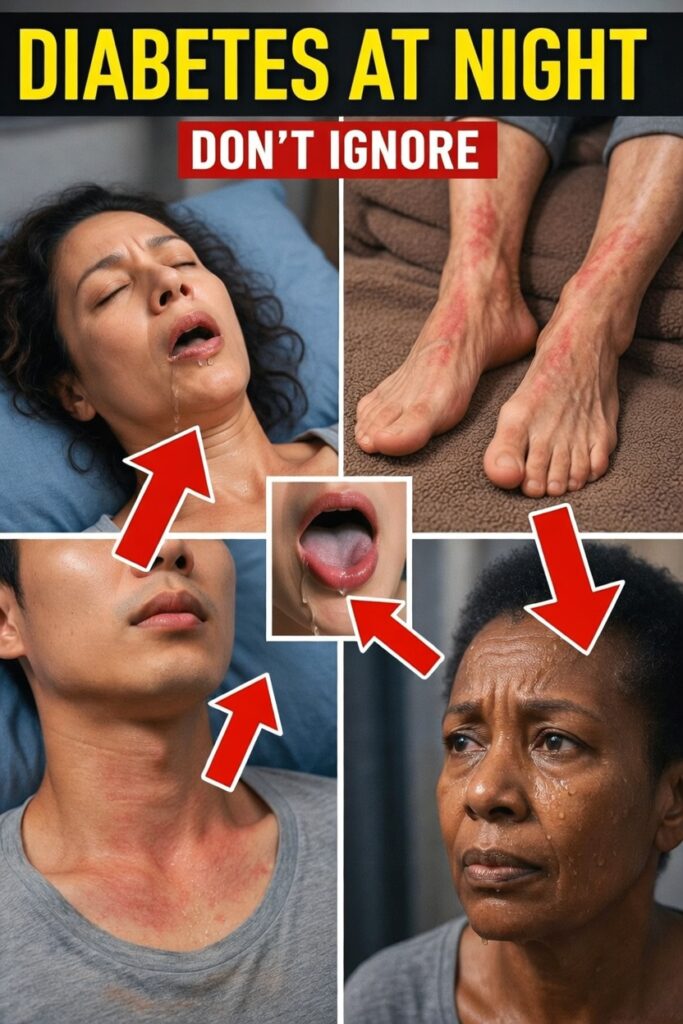
Waking Up Often at Night Could Be a Diabetes Warning Sign
Repeatedly waking up at night and still feeling unrefreshed in the morning can wear you down fast. When this happens over and over, many people assume it is just stress, light sleep, or getting older. However, disrupted sleep can sometimes point to a deeper issue, including blood sugar changes associated with diabetes.
Needing to urinate several times, noticing strange feelings in your legs, or waking up sweaty can all interrupt sleep and leave you fatigued the next day. The encouraging part is that these patterns can be tracked, discussed with a healthcare professional, and managed more effectively once you know what may be causing them.
This article covers seven nighttime symptoms commonly linked to diabetes, why they may occur, and practical ways to monitor and reduce them. At the end, you will also find a simple bedtime routine that many people use to support more restful sleep.
Why Nighttime Symptoms Can Be Important
Diabetes influences blood sugar levels day and night. When blood sugar is too high, extra glucose may pass into the urine. This draws water out of the body, increasing urination and contributing to dehydration. When blood sugar falls too low during sleep, the body releases stress hormones to bring levels back up quickly, which can disturb rest.
Organizations such as the American Diabetes Association have noted that sleep problems are common among people living with diabetes. Recognizing these signs early may help support better energy, comfort, and long-term well-being.
In some cases, nighttime symptoms are also related to longer-term complications, such as nerve damage. These sensations can feel even more noticeable at night when the body is at rest and there are fewer distractions.
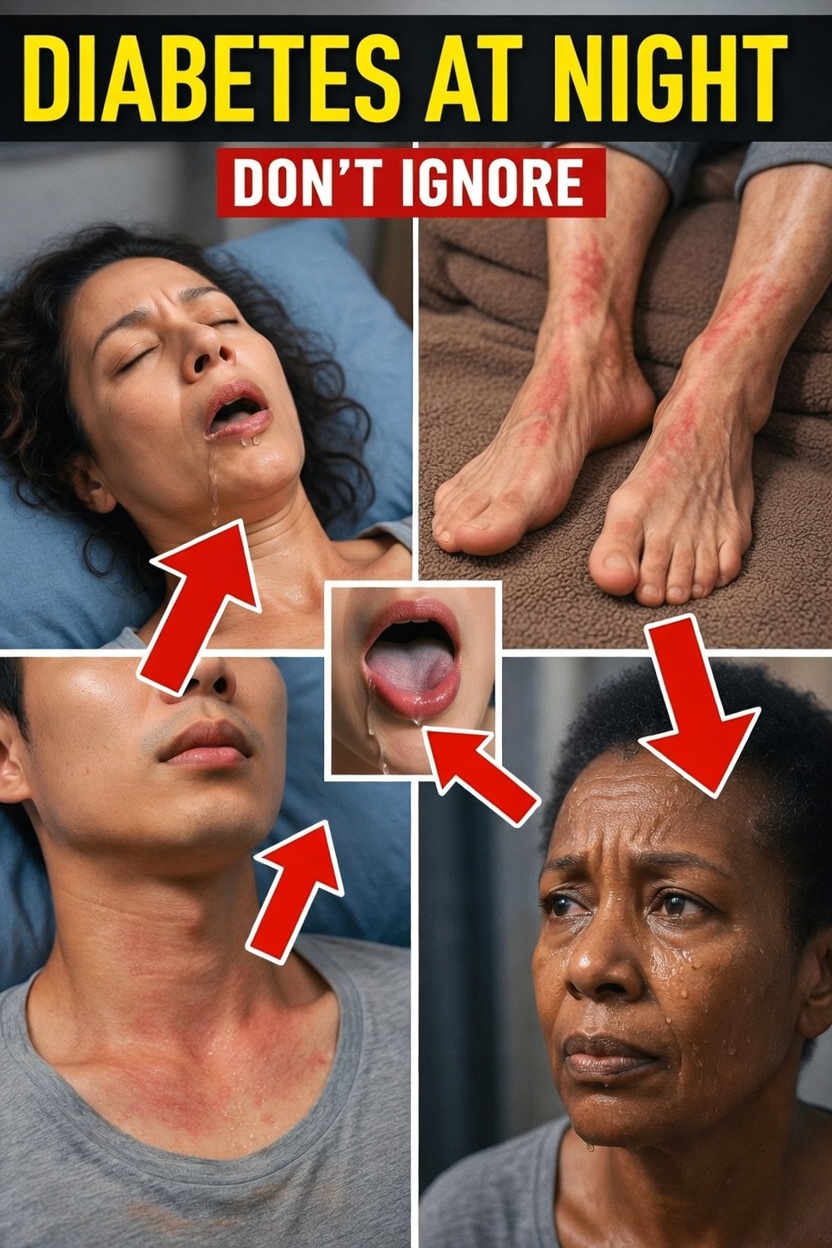
1. Waking Up Often to Use the Bathroom
One of the most common nighttime complaints is frequent urination, also called nocturia. If you are getting out of bed more than once or twice, even after reducing evening fluids, elevated blood sugar may be a factor.
When glucose levels are high, the kidneys work harder to remove the extra sugar. That process pulls more water into the urine, leading to more bathroom trips. It can quickly become a frustrating cycle: you urinate more, feel thirstier, drink more, and then wake up again later.
Over time, this interrupted sleep can leave you exhausted during the day.
What you can do now:
- Cut back on fluids later in the evening, especially after 7 p.m.
- Avoid alcohol and caffeine before bed
- Record how many times you wake up each night for one week
- Raise your legs slightly in the evening if you tend to retain fluid
2. Intense Thirst During the Night
If you wake up with a dry mouth or a strong need to drink water, this may be connected to the same pattern as frequent urination. As the body loses more fluid, it sends stronger thirst signals.
That dry, uncomfortable feeling can make it difficult to fall asleep again. Research has shown that high blood sugar may contribute to ongoing mouth and throat dryness, especially overnight.
Helpful tip:
- Keep a small glass of water near your bed
- Take small sips instead of drinking a large amount at once
- Watch whether your thirst improves when you stay well hydrated earlier in the day
3. Tingling, Burning, or Pain in the Feet and Legs
Some people notice pins-and-needles sensations, burning, aching, or discomfort in their feet and lower legs that seems worse at night. This may be related to diabetic neuropathy, a type of nerve damage that can develop after long-term high blood sugar.
These symptoms often feel stronger when lying down because nighttime is quieter and the mind is less distracted. Mayo Clinic and similar medical sources note that nerve-related discomfort commonly becomes more noticeable during rest.
Ways to ease discomfort before bed:
- Stretch your calves gently
- Wear loose socks, or skip them if they add pressure
- Soak your feet in warm, not hot, water for 10 to 15 minutes
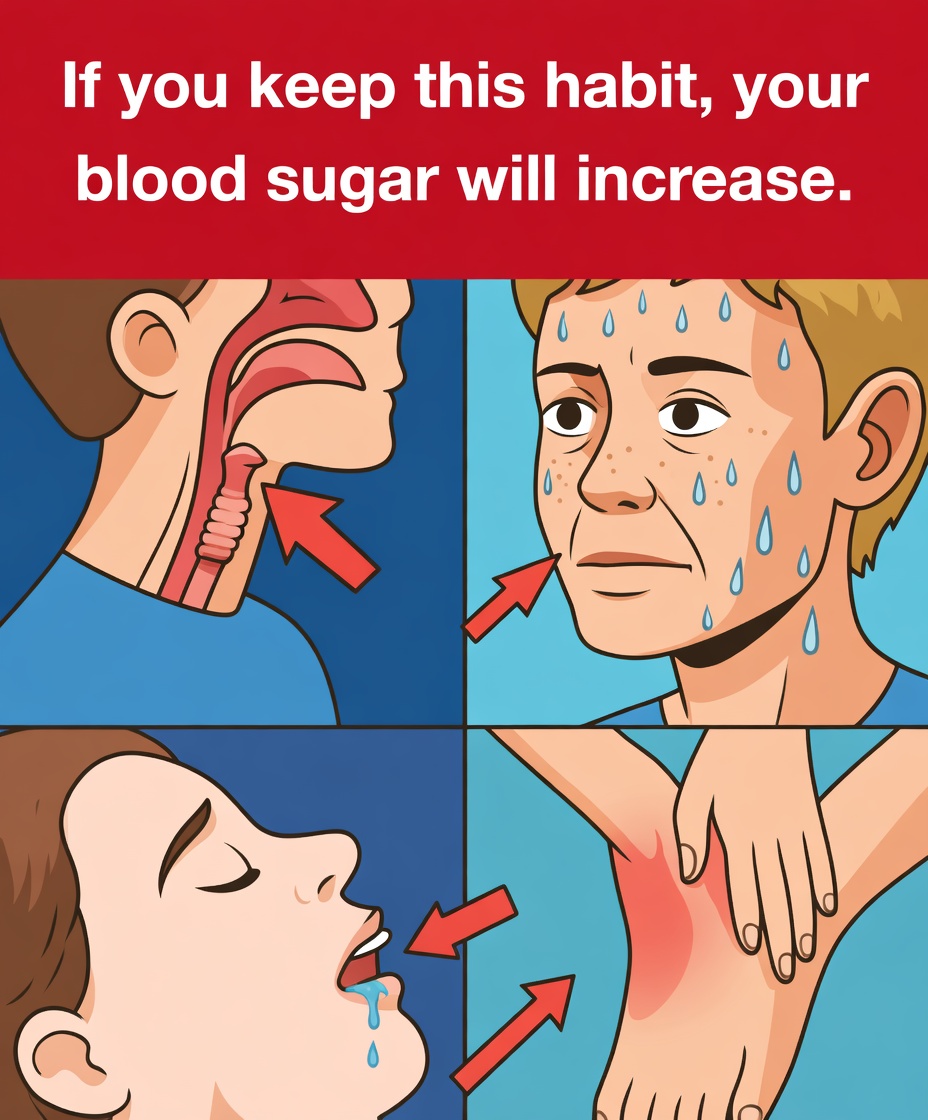
4. Night Sweats or Waking Up Clammy
If you wake up sweaty, sticky, or with damp sheets, low blood sugar during the night may be one possible reason. When glucose drops too far, the body can release adrenaline and other stress hormones to correct it. That response may cause sweating and sudden waking.
Johns Hopkins Medicine has reported that nocturnal hypoglycemia may show up as sweating, restless sleep, or vivid dreams. In some cases, high blood sugar may also affect the body’s ability to regulate temperature properly.
Try these quick adjustments:
- Keep the bedroom cool
- Choose breathable sleepwear
- Use lighter blankets
- Notice whether sweating happens after intense evening exercise or skipping food
5. Restless Legs or Nighttime Cramping
A strong urge to move your legs, or sudden cramps in your calves and feet, can interrupt sleep and make bedtime frustrating. These symptoms may be tied to nerve irritation, circulation issues, or shifts in mineral balance that can occur alongside blood sugar problems.
Some evidence also links restless legs syndrome to diabetes-related changes, especially when symptoms worsen in the evening.
What may help:
- Take a short walk before bedtime
- Do light leg and calf stretches
- Include magnesium-rich foods such as bananas or nuts in the evening
- Avoid sitting for long periods during the day
If you are considering supplements, it is best to speak with your doctor first.
6. Nightmares, Restlessness, or Waking Up Exhausted
Vivid dreams, tossing and turning, waking up confused, or feeling unusually drained in the morning may also be signs of overnight low blood sugar. The brain relies heavily on glucose, so drops during sleep can trigger unusual sleep patterns and poor rest.
Diabetes specialists have noted that nighttime lows may go unnoticed while you sleep, yet still leave you with symptoms in the morning such as:
- Fatigue
- Headaches
- Irritability
- A “hungover” feeling
Simple tracking strategy:
- Keep a sleep journal
- Write down bedtime, wake-ups, dream disturbances, and how you feel in the morning
- Bring that information to your healthcare provider if the pattern continues
7. Morning Headaches or Dry Mouth
Starting the day with a headache or a dry, sticky mouth may point to overnight blood sugar changes. High glucose during the night can increase dehydration and contribute to inflammation, while low glucose can lead to rebound symptoms by morning.
Resources such as diaTribe often mention these issues as common signs of nighttime hyperglycemia.
Morning habit to try:
- Drink water slowly after waking up
- Pay attention to whether symptoms follow certain evening meals or snacks
- Note whether late-night eating affects how you feel the next morning
Practical Steps to Improve Nighttime Comfort
Several simple habits may help reduce overnight disruptions and support better sleep quality.
Useful strategies include:
- Track patterns: Write down sleep interruptions, evening food and drinks, and how you feel the next day
- Create a calming bedtime routine: Lower the lights, avoid screens, and choose relaxing activities before bed
- Consider a balanced snack: If recommended by your healthcare team, a light snack with protein and carbohydrates may help support steadier overnight blood sugar
- Stay active during the day: Gentle movement can improve circulation and sleep quality
These small changes can make it easier to spot triggers and discuss clear patterns with a medical professional.
A Simple Nightly Routine to Support Better Sleep
A straightforward bedtime routine can bring several of these strategies together.
Try this approach:
- Reduce fluids and avoid caffeine later in the evening
- Do a few gentle leg stretches before bed
- Keep your bedroom cool and comfortable
- Track symptoms for at least one week
- Maintain steady daytime habits, including hydration and light activity
Many people notice fewer interruptions when they combine these steps consistently.
FAQ
What if I have more than one of these nighttime symptoms?
If several of these signs are happening together, it is a good idea to speak with a healthcare provider. A combination of symptoms can offer important clues about blood sugar patterns and sleep disruption.
Can lifestyle changes be enough to improve these problems?
For some people, yes. Adjustments such as changing hydration timing, improving bedtime habits, and tracking symptoms may help. Still, professional guidance is important to make sure the approach is safe and appropriate.
How can I tell whether the issue is blood sugar or something else?
Only a healthcare professional can confirm the cause through proper evaluation, testing, and medical history. If these symptoms happen regularly, do not ignore them. Early attention can make a real difference.