Garlic for Joint Comfort: A Simple Food That May Help Support Mobility
As the years go by, joint discomfort becomes a common issue for many people, especially in the knees, hips, and hands. Even basic routines such as walking, climbing stairs, or getting out of bed can start to feel difficult. Stiffness, soreness, and reduced flexibility may also interfere with sleep and make daily life less comfortable.
The good news is that everyday nutrition can play a helpful role in supporting joint comfort. Among the foods often discussed for this purpose, garlic stands out. When used as part of a balanced lifestyle, it may help promote healthier movement and overall joint well-being in a natural way.
Why Garlic Gets Attention for Joint Health
Garlic has a long history in traditional wellness practices, and scientific research has begun to explore why it may be beneficial. One reason is its content of sulfur-based compounds, including diallyl disulfide, which is released when garlic is chopped or crushed. These compounds may influence inflammation-related activity in the body.
Some observational studies have found that people who eat more allium vegetables—such as garlic, onions, and leeks—may have a lower risk of certain joint problems, including hip osteoarthritis. In one twin study, diets higher in these vegetables were associated with more favorable joint health markers.
Researchers have also looked at garlic supplements in people with knee discomfort. In a 12-week trial involving women who were overweight or obese, those who took a garlic supplement reported lower pain severity than those given a placebo. The improvement may have been linked to reductions in inflammatory markers such as resistin.
That said, garlic is not a miracle cure. It does not instantly restore cartilage or eliminate joint disease. Its value appears to be in helping create a body environment that may be more supportive of joint comfort, especially when paired with other healthy habits.
How Garlic May Help Ease Joint Discomfort
Garlic contains several active compounds known for antioxidant and anti-inflammatory effects. These include:
- Allicin: Created when fresh garlic is chopped or crushed; this compound is responsible for garlic’s strong smell and many of its potential health benefits.
- Diallyl disulfide: Studied in laboratory settings for its possible influence on enzymes involved in cartilage health.
- Other sulfur compounds: These may help regulate pathways connected to inflammation.
Research Highlights
- Reviews of studies on garlic and rheumatic conditions have reported improvements in pain, stiffness, and inflammatory markers in some people with osteoarthritis or rheumatoid arthritis.
- Both animal studies and human research have shown that garlic may reduce certain biological signals linked to joint discomfort.
- Much of the stronger evidence comes from garlic supplements, including aged garlic extract and garlic powder, but fresh garlic still provides many of the same beneficial compounds and is easy to use in meals.
A Practical Way to Add Garlic to Your Daily Routine
You do not need expensive products to start using garlic regularly. Fresh garlic is budget-friendly, easy to find, and simple to include in food. A common natural approach is to use about 2 tablespoons of prepared garlic mixture per day.
Simple Garlic Preparation: Step by Step
- Take 4 to 6 fresh garlic cloves. If you are not used to raw garlic, begin with less.
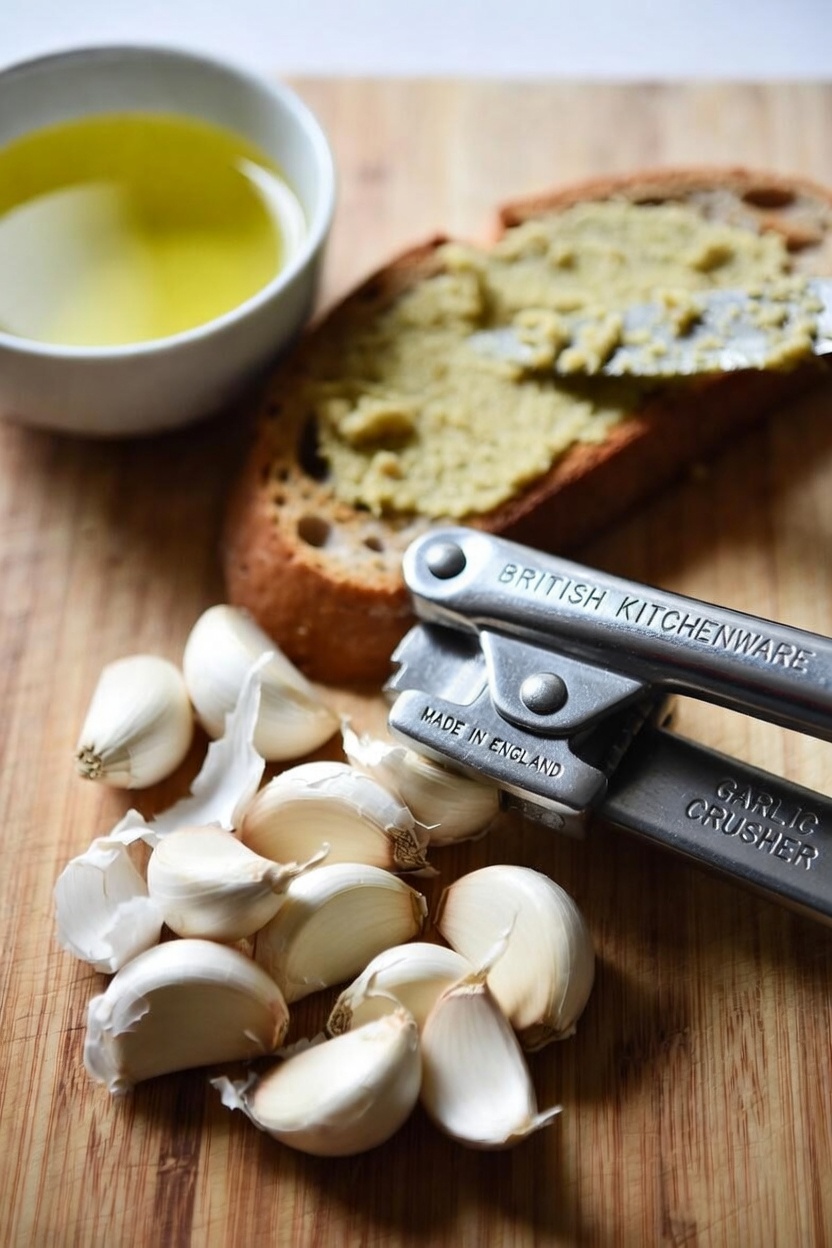
- Peel the cloves and crush or finely chop them.
- Let the garlic sit for 10 to 15 minutes. This resting time helps activate allicin.
- Mix it with a small amount of olive oil or honey to create a smoother paste.
- Use about 2 tablespoons daily in a way that suits your taste.
This mixture can be:
- spread on toast
- stirred into yogurt
- added to salads
- mixed into warm soup

Why This Method Works
Crushing garlic helps release its active compounds. Combining it with a healthy fat such as olive oil may also support absorption and make it easier to digest.
Easy Ways to Eat More Garlic Every Day
If the raw preparation feels too strong, there are many other simple options:
- Roast whole garlic bulbs and spread the softened cloves on bread or vegetables
- Add minced garlic to stir-fries, soups, sauces, or marinades
- Use garlic-infused oil in dressings and meal prep
- Include garlic in fermented dishes such as kimchi for added digestive and inflammation-related support
Fresh Garlic vs. Garlic Supplements
Both fresh garlic and supplements can fit into a wellness routine, but each has different advantages.
Fresh Garlic
- Natural and affordable
- Contains a broad range of active compounds
- Easy to use in everyday cooking
- Has a stronger taste and smell
Supplements
- Offer standardized amounts
- Often available in odor-controlled forms
- Studied more often in clinical trials for joint support
- May be more convenient for some people
Many people prefer fresh garlic because it feels more sustainable and enjoyable as part of daily eating. If you are considering supplements, it is best to speak with a healthcare professional first, especially if you take medication.
Lifestyle Habits That Work Well Alongside Garlic
Garlic is most helpful when it supports a bigger picture of healthy living. For better joint support, consider combining it with these habits:
- Stay active with low-impact movement such as walking, swimming, or gentle yoga
- Maintain a healthy body weight to reduce pressure on the knees and hips
- Eat a nutrient-rich diet with plenty of fruits, vegetables, nuts, seeds, and omega-3 sources
- Focus on good sleep and stress management, since ongoing stress can make discomfort feel worse
What Science Supports—And Its Limits
The research on garlic and joint health is encouraging, but it is still developing. Any benefits seem to depend on regular use over time, not one-time intake. Results are more likely to appear over weeks or months rather than overnight.
It is also important to remember that no single food or supplement can replace medical care for diagnosed joint conditions. Some studies involve specific groups, such as people who are overweight, so the effects may not be the same for everyone.
Garlic should be seen as a supportive dietary tool, not a guaranteed treatment.
Conclusion
Adding garlic to your meals is a simple and natural step that may help support joint comfort thanks to its anti-inflammatory potential. Whether you choose a daily fresh garlic mixture or simply start cooking with it more often, small consistent habits can make a meaningful difference over time.
Start gradually, pay attention to how your body responds, and combine garlic with movement, balanced nutrition, and good self-care for the best results.
FAQ
1. How much garlic is generally safe to eat each day?
Many people tolerate 1 to 2 cloves daily, either raw or cooked. Some studies use larger amounts, but it is wise to begin with a small quantity and increase only if it feels comfortable for you.
2. Can garlic interact with medications?
Yes, it can. Garlic may have a mild blood-thinning effect, so people taking blood thinners, blood pressure medications, or those preparing for surgery should check with a healthcare provider first.
3. Is raw garlic better than cooked garlic for joint support?
Freshly crushed raw garlic provides the highest amount of allicin, which is one of its most talked-about compounds. Cooked garlic still offers benefits, though, and is often easier on the stomach.