
Why Adding Cucumbers to Salad Is a Simple Habit With Big Benefits
A lot of people find it hard to drink enough water during the day, especially when work, errands, and packed schedules leave little room for regular hydration breaks. At the same time, choosing a snack or meal that feels light but still satisfying can be tricky, and many quick options end up being calorie-dense or heavily processed.
Cucumbers are often treated as a basic salad ingredient, mainly added for freshness and crunch. However, their value goes far beyond texture. According to information shared by trusted health sources such as Healthline and WebMD, cucumbers can support daily wellness in several meaningful ways. Even better, making them a regular part of your salads is an easy change that may improve how your meals make you feel.
There is also one important point many people miss: when cucumbers are combined with other salad ingredients, they can do more than simply add volume. That small adjustment may completely change how you view your next plate.

The Impressive Nutrition Inside Cucumbers
Although cucumbers are commonly used like vegetables, they are technically classified as fruits. One of the main reasons they stand out nutritionally is their extremely high water content. Cucumbers are made up of roughly 95% to 96% water, which makes them naturally refreshing and very low in calories.
A cup of sliced cucumber contains only about 16 calories, yet it still offers useful nutrients that contribute to overall health.
A standard serving of cucumber can provide:
- Vitamin K, which supports bone strength and healthy blood clotting
- Potassium, an important mineral that helps maintain healthy blood pressure
- Small amounts of vitamins C and A, which play roles in immune support and skin health
- Fiber, which helps promote regular digestion
When eaten as part of a balanced diet, these nutrients work together to support everyday well-being.
Cucumbers Help Increase Hydration Naturally
Staying hydrated is not always as easy as it sounds. This becomes even harder in hot weather, after exercise, or during long and busy days. Cucumbers can help because they deliver water in food form, making hydration feel effortless.
When you add cucumber slices to a salad, you are not just improving flavor and texture. You are also increasing the meal’s water content. This can be a practical way to complement your fluid intake, especially for people who struggle to drink enough plain water.
Their mild taste and crisp bite also make salads more enjoyable. That matters because foods that are pleasant to eat often encourage healthier habits. Over time, eating hydrating foods like cucumbers may help you feel fresher, more comfortable, and less sluggish during the day.
A Smart Choice for Better Digestion
Cucumbers may also support digestive comfort. Their combination of water and fiber can help keep digestion moving smoothly, which is especially helpful for people who do not get enough fiber from their regular diet.
The fiber found in cucumbers, along with their hydrating nature, can gently support bowel regularity. When paired with salad staples such as lettuce, tomatoes, carrots, or other vegetables, cucumbers help create a meal that feels both light and filling.
Some people notice that meals containing cucumbers are easier on the stomach and may leave them feeling less bloated afterward.
Digestive benefits of adding cucumbers to salads may include:
- Water and fiber working together to support regularity
- More food volume with very few calories, which can improve satisfaction
- A gentle, mild ingredient that blends easily with many vegetables
Cucumbers Can Support Weight Management Goals
If you are trying to manage portions or build lighter eating habits, cucumbers are an excellent ingredient to keep on hand. Because they are low in calories but high in volume, they help make salads feel more substantial without significantly increasing calorie intake.
This is important for satiety, or the feeling of fullness after eating. Foods with low energy density, like cucumbers, allow you to eat more physical volume while consuming fewer calories overall.
That makes cucumbers a smart substitute for heavier crunchy toppings when used in excess, such as large amounts of croutons or calorie-dense add-ins. Swapping some of those ingredients for cucumber slices can keep salads fresh, satisfying, and easier to fit into a balanced eating plan over time.
Heart-Friendly Benefits Worth Knowing
Cucumbers also contain potassium, a mineral that helps balance sodium in the body. This is one reason potassium-rich foods are often linked to heart-supportive eating patterns.
In addition, cucumbers contain antioxidants such as flavonoids and lignans. These compounds are associated with overall wellness and may support the body as part of a varied, plant-rich diet.
While cucumbers alone are not a cure-all, regularly eating salads that include them fits well with general health advice encouraging higher vegetable intake for long-term cardiovascular support.
A Helpful Option for Balanced Blood Sugar
Research from laboratory and animal studies has explored how cucumbers may assist with more stable blood sugar responses. Their low glycemic nature and fiber content make them a sensible choice for people who want lower-impact carbohydrate options.
In salads, cucumbers add bulk and crunch without causing a rapid spike in energy intake. For even better balance, they can be paired with protein or healthy fats, such as grilled chicken, beans, olive oil, feta, or seeds. This combination may help support steadier energy levels throughout the day.
Easy Ways to Add More Cucumbers to Your Salad
Adding cucumbers to meals does not require much planning. A few simple steps can make them a regular part of your routine.
Here are some practical ways to start:
-
Pick fresh cucumbers
Choose ones that are firm, bright green, and free from soft spots. -
Slice or chop as needed
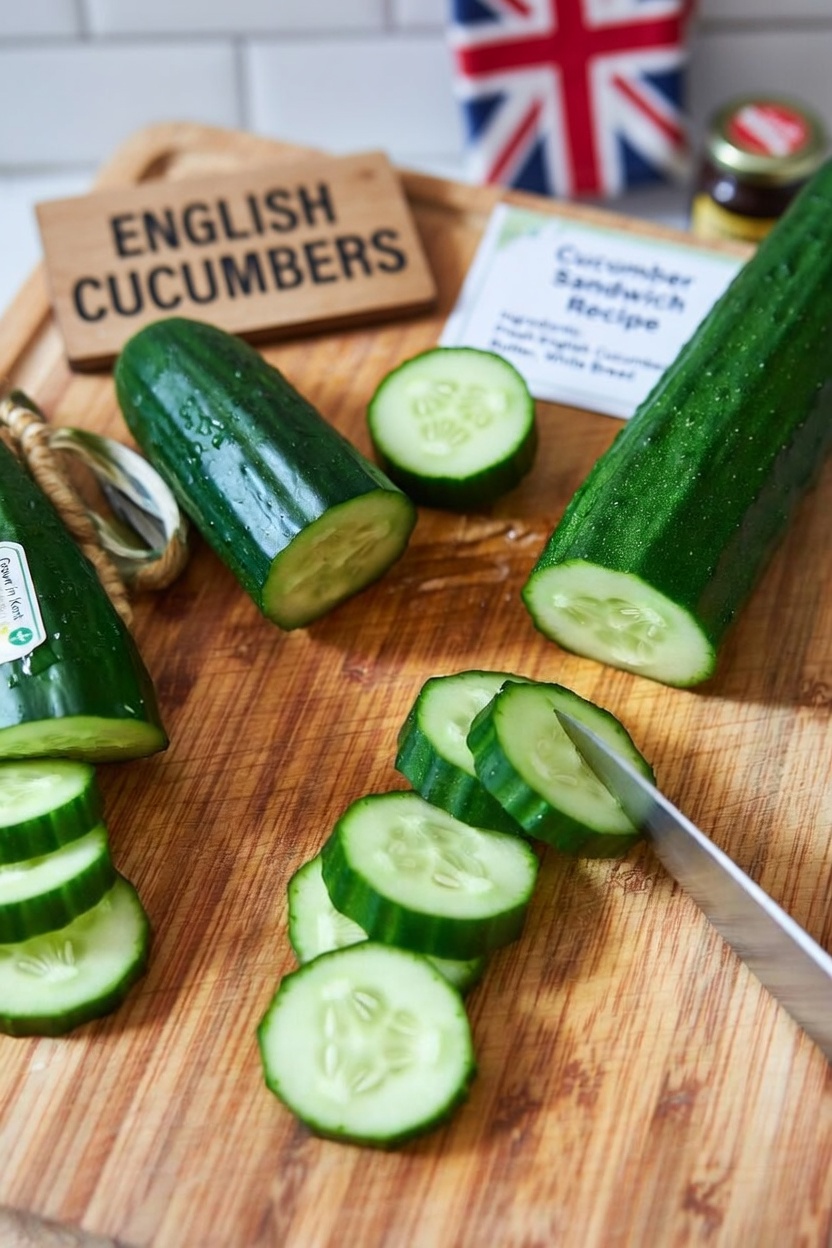
You can cut them into rounds, half-moons, or cubes depending on the salad style. -
Keep the peel on when possible
The skin adds extra fiber and nutrients, but wash it well first. -
Pair with simple ingredients
Cucumbers work especially well with lettuce, tomatoes, onions, and light dressings like olive oil and lemon juice. -
Try fresh herbs
Dill, parsley, or mint can make cucumber salads even more refreshing. -
Prep in advance
Slice a few cucumbers ahead of time and refrigerate them for quick meal assembly.
A Simple Daily Salad Idea
If you want an easy starting point, try this combination:
- Base: mixed greens
- Main ingredient: plenty of sliced cucumber
- Add-ins: cherry tomatoes, olives, and optional feta
- Dressing: a light vinaigrette or yogurt-based dressing
This kind of salad is quick to prepare, easy to customize, and suitable for lunch, dinner, or a side dish.

What to Keep in Mind When Eating More Cucumbers
Cucumbers are generally easy to tolerate, but increasing your intake too quickly may cause mild digestive changes in some people. A small number of individuals notice gas or stomach discomfort, especially when eating the peel or larger amounts all at once.
If cucumbers are not already a regular part of your meals, it may help to increase them gradually. As with any food, moderation and variety are the best approach.
Final Thoughts
Adding cucumbers to your salads is a small change that can deliver several everyday benefits. They help increase hydration, support digestion, add satisfying volume, and keep meals low in calories. They may also contribute to heart-friendly eating habits and balanced energy when combined with other nutritious ingredients.
For such a simple ingredient, cucumbers can make a surprisingly meaningful difference in how your meals support your health.
Frequently Asked Questions
Is it better to eat cucumbers with the peel in salads?
Yes, eating cucumbers with the peel on can provide extra fiber and nutrients. Still, peeling them is perfectly fine if you prefer a softer texture or milder taste.
How much cucumber should I use in a daily salad?
A good starting point is one medium cucumber sliced into your salad. You can adjust the amount based on your appetite, the size of the meal, and your personal preference.
Can cucumbers in salad replace drinking water?
No. Cucumbers can support hydration because of their high water content, but they should not replace plain water or other fluids completely. They are best used as a helpful addition to your hydration routine.