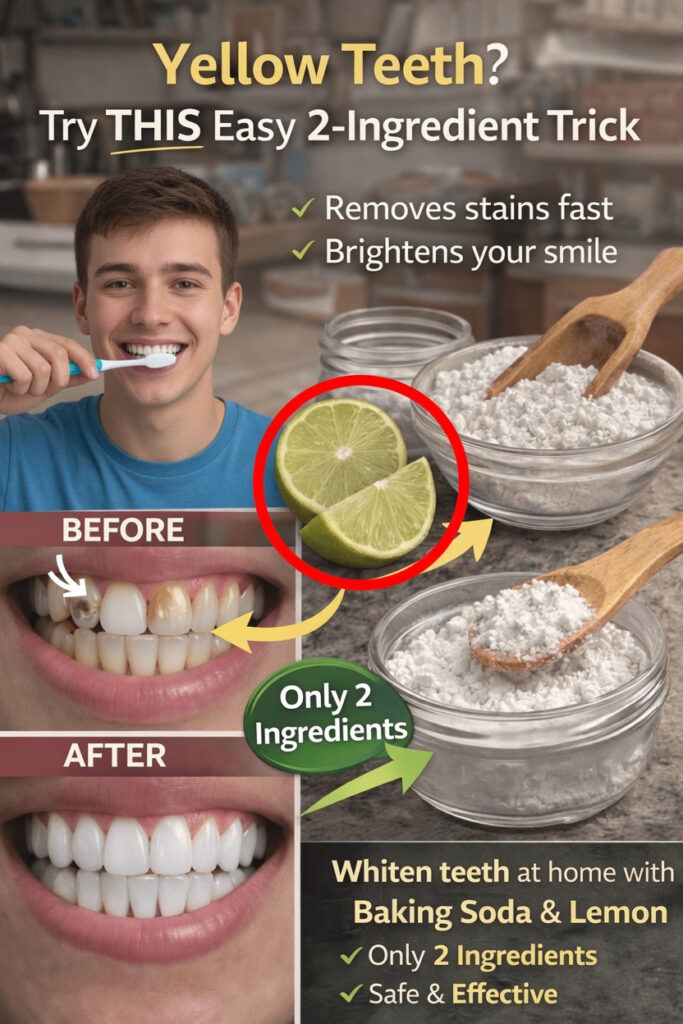
Baking Soda for Brighter Teeth: What It Can Help With and the Mistake to Avoid
Over time, teeth often lose some of their natural brightness because of everyday habits like drinking coffee or tea and eating deeply pigmented foods. When that happens, many people start to feel less confident smiling in pictures or during face-to-face conversations. The problem becomes even more frustrating when home whitening trends promise fast results but do not clearly explain the risks.
One of the most talked-about household options is baking soda. It is widely used for cleaning, but when it comes to teeth, there is one common mistake that can affect long-term oral comfort. Understanding how baking soda works—and how it should not be used—can help you make safer choices.
Why Baking Soda Is Often Mentioned for Teeth Cleaning
Baking soda, also called sodium bicarbonate, is known for its mild abrasive texture. That light abrasiveness can help remove surface stains from the outer layer of the teeth without relying on harsher whitening chemicals used in some professional treatments.
Research on baking soda dentifrices has shown that they can be effective for reducing external stains while remaining relatively gentle compared with some other abrasive ingredients. The American Dental Association has also indicated that baking soda is generally safe for enamel and dentin when used appropriately. That is one reason it appears in many store-bought toothpastes.
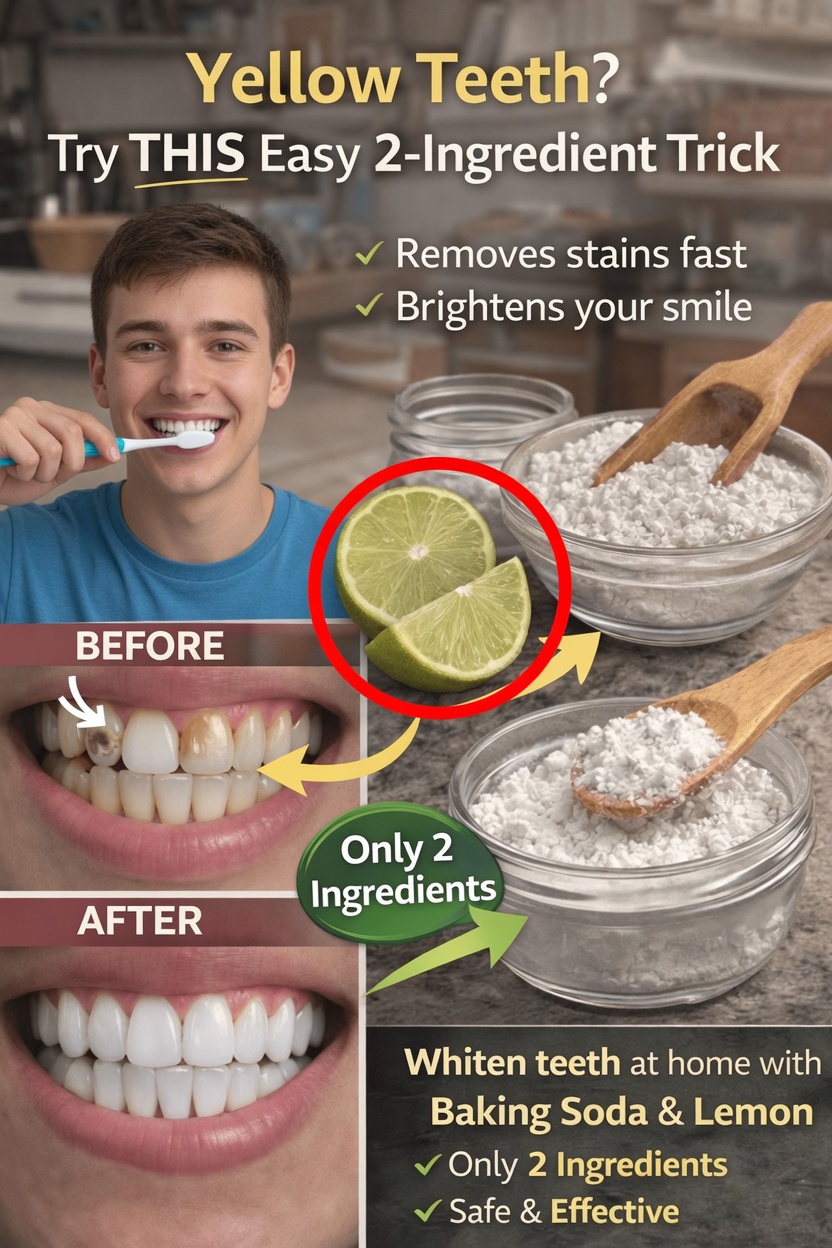
However, the situation changes when baking soda is mixed with acidic ingredients. On its own, it may support gentle stain removal. In the wrong combination, though, it can become much less tooth-friendly.
The Big Mistake: Mixing Baking Soda With Lemon Juice
A popular do-it-yourself trend online involves making a paste from baking soda and lemon juice. Because the mixture bubbles and fizzes, it can seem like it is producing quick whitening results. But dental professionals regularly warn against this approach.
Lemon juice is highly acidic because it contains significant amounts of citric acid. That acid can temporarily soften the enamel, which is the hard protective outer surface of the teeth. If you then add the scrubbing action of baking soda, the enamel may become more vulnerable to wear over time.
This is a serious concern because enamel does not grow back once it is lost. As enamel becomes thinner, teeth may become more sensitive to hot, cold, or sweet foods and drinks. In some cases, teeth may even appear more yellow because the dentin underneath becomes easier to see. Studies on acidic exposure, including citrus-based liquids, consistently show that repeated contact can contribute to enamel erosion.
Many viral home recipes ignore this important interaction. While the fizzing mixture may remove some buildup in the short term, frequent use can create long-term problems. That is why people sometimes notice sensitivity or discomfort after trying this trend.
How Baking Soda Works When Used Alone
When used carefully and in moderation, baking soda can help reduce everyday surface stains left behind by foods and beverages. Its fine texture allows it to polish the teeth more gently than some stronger whitening products, such as strips or bleaching gels.
Dental research supports the idea that baking soda-based products can play a role in stain removal as part of a regular oral hygiene routine. It also offers mild buffering effects, which may temporarily help neutralize acids in the mouth.
Still, baking soda has an important limitation: it does not contain fluoride. Fluoride is essential for strengthening enamel and helping prevent tooth decay. For that reason, baking soda should not replace your main fluoride toothpaste.
Safe Ways to Use Baking Soda in Your Routine
If you want to try baking soda for mild stain removal, the best approach is to use it gently and only from time to time. A simple method often recommended in dental guidance includes the following steps:
- Mix a small amount of baking soda with water to create a thin paste.
- Use a soft-bristled toothbrush to apply the paste, or add a small pinch to your regular toothpaste.
- Brush gently with small circular motions for about one to two minutes.
- Make sure to cover all tooth surfaces without scrubbing aggressively.
- Rinse your mouth thoroughly with water afterward.
- Limit use to a few times per week instead of every day.
It is also important to continue using your standard fluoride toothpaste as the foundation of your daily oral care. That helps protect enamel while allowing you to occasionally benefit from baking soda’s polishing effect.
Important Safety Reminders
Before trying any home method, keep these precautions in mind:
- Use a soft toothbrush to reduce unnecessary pressure on the teeth and gums.
- Do not scrub hard or leave baking soda mixtures on the teeth for long periods.
- Stop using it right away if you notice increased sensitivity or irritation.
- Avoid home treatments if you currently have cavities, gum problems, or recent dental work unless a dental professional says it is safe.
Comparing Popular At-Home Whitening Approaches
Here is a simple way to look at some common options:
- Baking soda with water: A mild abrasive option for lifting surface stains; usually lower risk when used occasionally.
- Baking soda with lemon juice: A more harmful combination because acid can soften enamel before abrasion occurs; repeated use may increase wear.
- Whitening toothpaste with baking soda: Often a more balanced option because many products also include fluoride and carefully controlled abrasive levels.
- Professional whitening treatments: Usually provide more noticeable results with customized strength and protective supervision.
For many people, a fluoride toothpaste that contains baking soda offers a practical middle ground. It supports everyday cleaning and stain management without the extra risks linked to homemade acidic mixtures.
Daily Habits That Help Teeth Look Brighter
No single ingredient can do everything. The appearance of your smile is shaped most by consistent daily habits. To help keep teeth looking cleaner and brighter over time, consider these practices:
- Brush twice a day for a full two minutes.
- Floss daily to remove plaque from between the teeth.
- Rinse with water after drinking coffee, tea, or other staining beverages.
- Use a straw for acidic drinks when possible to reduce direct contact with teeth.
- Visit your dentist regularly for cleanings and personalized advice.
These habits not only help reduce staining but also support overall oral health and comfort.
What Research Generally Suggests
Dental studies, including findings published in the Journal of the American Dental Association, indicate that baking soda dentifrices can help remove stains and improve the clean appearance of teeth. However, the outcome depends on several factors, including diet, brushing habits, and the type of staining involved.
At the same time, acidic ingredients such as lemon are repeatedly identified in research as potential contributors to enamel erosion when used frequently. Professional dental organizations continue to emphasize that home remedies may provide modest benefits, but they are not a substitute for complete oral care or professional evaluation.
Frequently Asked Questions
How often can baking soda be used for brushing?
Many dental sources suggest using a plain baking soda paste only a few times per week. If you want a daily option, it is usually better to choose a toothpaste that is specifically formulated with baking soda and fluoride.
Will baking soda and lemon whiten teeth quickly?
You may notice some surface stain removal because of the abrasive action, but the lemon juice introduces acidity that may harm enamel with repeated use. Safer, more gradual methods are usually better for long-term comfort.
Can I use baking soda if I have sensitive teeth?
If your teeth are already sensitive, it is best to speak with a dental professional before using any abrasive home treatment. They can check the condition of your enamel and recommend options that are better suited to your needs.
Final Thoughts
Using household ingredients like baking soda to improve the appearance of your smile can seem simple and appealing. But it is important to understand both the benefits and the risks before making it part of your routine. The key lesson is to use baking soda in moderation and avoid combining it with acidic ingredients like lemon juice.
A healthy-looking smile usually comes from steady daily care rather than quick fixes. Small, consistent habits often provide the most lasting results while helping you protect comfort and enamel health over time.