Garlic and Onion for Varicose Veins: Can These Everyday Foods Support Leg Comfort?
Bulging, rope-like veins in the legs are a common concern for many people. They may come with heaviness, aching, swelling, or discomfort that tends to worsen after standing or sitting for long periods. As the veins become more visible over time, they can also affect confidence and make daily activities, from walking to choosing what to wear, feel more frustrating.
Although medical treatment may be necessary in advanced cases, many people are also interested in gentle, natural ways to support circulation and reduce everyday discomfort. One question that often comes up is whether common kitchen ingredients like garlic and onion can help.
Let’s explore what varicose veins are, what current research suggests about garlic and onion, and how these foods may fit into a broader vein-support routine.
What Causes Varicose Veins?
Varicose veins form when the small valves inside the veins stop working efficiently. Instead of pushing blood smoothly back toward the heart, weakened valves allow blood to collect in the veins. Over time, this pressure can make the veins enlarge, twist, and stand out beneath the skin.
Common risk factors include:
- Family history
- Pregnancy
- Excess body weight
- Aging
- Long hours of standing
- Extended sitting
Typical symptoms may include:
- Aching or throbbing legs
- A heavy feeling
- Mild swelling
- Itching around the veins
- Discomfort that gets worse later in the day
Research suggests that habits supporting healthy blood flow and lowering inflammation may help ease these symptoms. Diet can be one part of that strategy.
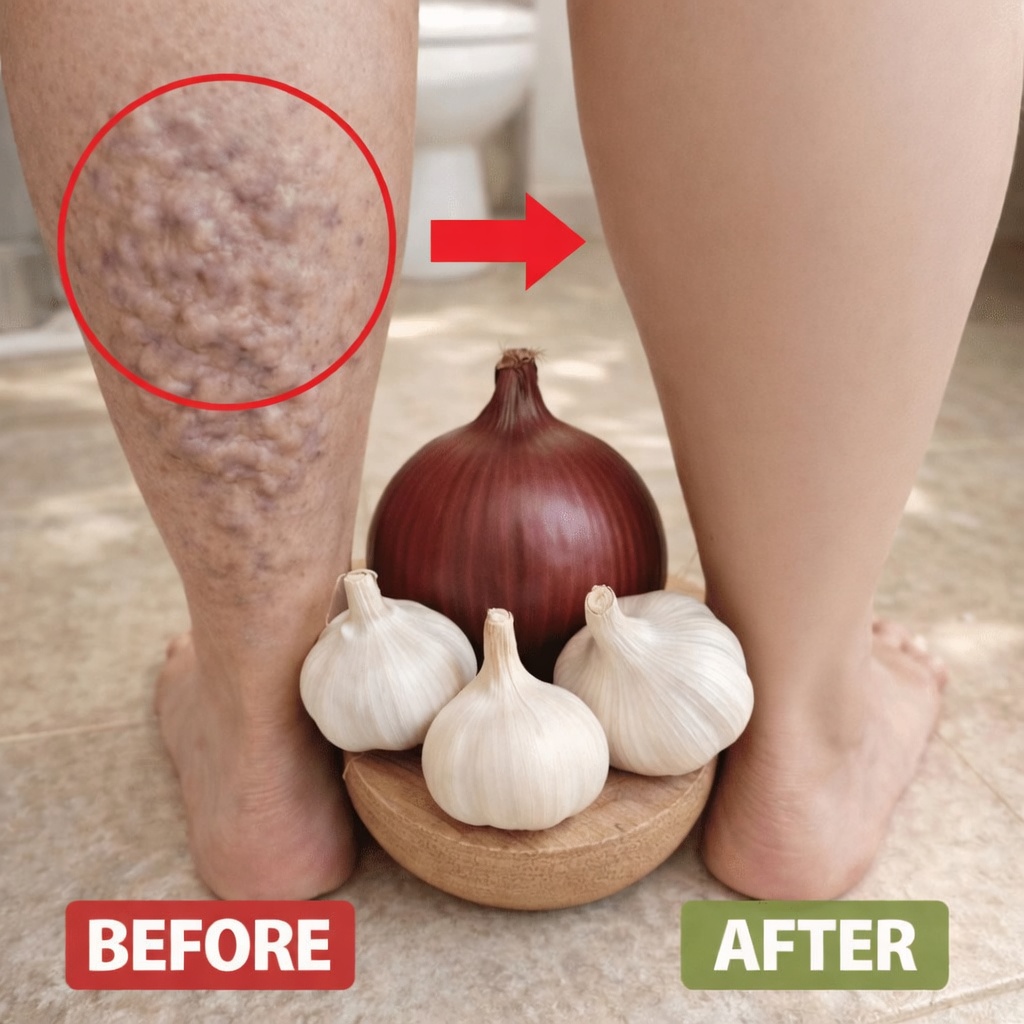
Why Garlic and Onion Are Often Linked to Circulation Support
Garlic and onion are both members of the Allium vegetable family. They contain plant compounds that have attracted attention for their possible effects on vascular health.
Key compounds include:
- Garlic: organosulfur compounds such as allicin
- Onion: flavonoids, especially quercetin
Preclinical research, including laboratory and animal studies, has examined how these compounds may influence:
- Oxidative stress
- Inflammation
- Blood vessel function
- Circulatory efficiency
Some findings suggest that garlic may help encourage nitric oxide production, which plays a role in relaxing blood vessels and supporting blood flow. Onion, thanks to its antioxidant content, may help reduce certain inflammatory processes that affect vascular tissues.
Even so, it is important to keep expectations realistic. Human studies focused specifically on varicose veins are still limited. Garlic and onion should be seen as supportive foods, not a stand-alone treatment.
Can Garlic and Onion Really Help Varicose Veins?
These ingredients are unlikely to create dramatic or immediate changes on their own. However, when eaten regularly as part of a healthy lifestyle, they may offer mild circulation support and contribute to overall vein health.
Here is a simple breakdown of their potential value:
-
Garlic
- Rich in sulfur-containing compounds
- May help blood vessels relax
- May reduce platelet stickiness
-
Onion
- High in quercetin
- Provides antioxidant support
- May help with mild inflammatory swelling
-
Both foods
- Show anti-inflammatory effects in experimental settings
- May support vascular wellness as part of a balanced diet
Several reviews point to promising vasoprotective properties in these foods, but more high-quality clinical research is needed before firm conclusions can be made.
How to Add Garlic and Onion to Your Routine
If you want to try a food-based approach for vein comfort, consistency matters more than extremes. Small daily habits are usually more realistic and sustainable.
1. Use Them Regularly in Meals
Adding garlic and onion to everyday dishes is one of the easiest options.
Ideas include:
- Fresh chopped garlic in soups, salads, and stir-fries
- Lightly cooked onions in omelets and grain bowls
- Raw onion in sandwiches or wraps
- Roasted garlic and onion alongside vegetables or lean proteins
2. Pair Them With Other Vein-Friendly Foods
For broader nutritional support, combine them with foods rich in antioxidants and flavonoids, such as:
- Citrus fruits
- Berries
- Spinach
- Bell peppers
- Leafy greens
This creates a more circulation-conscious eating pattern rather than relying on one or two ingredients alone.
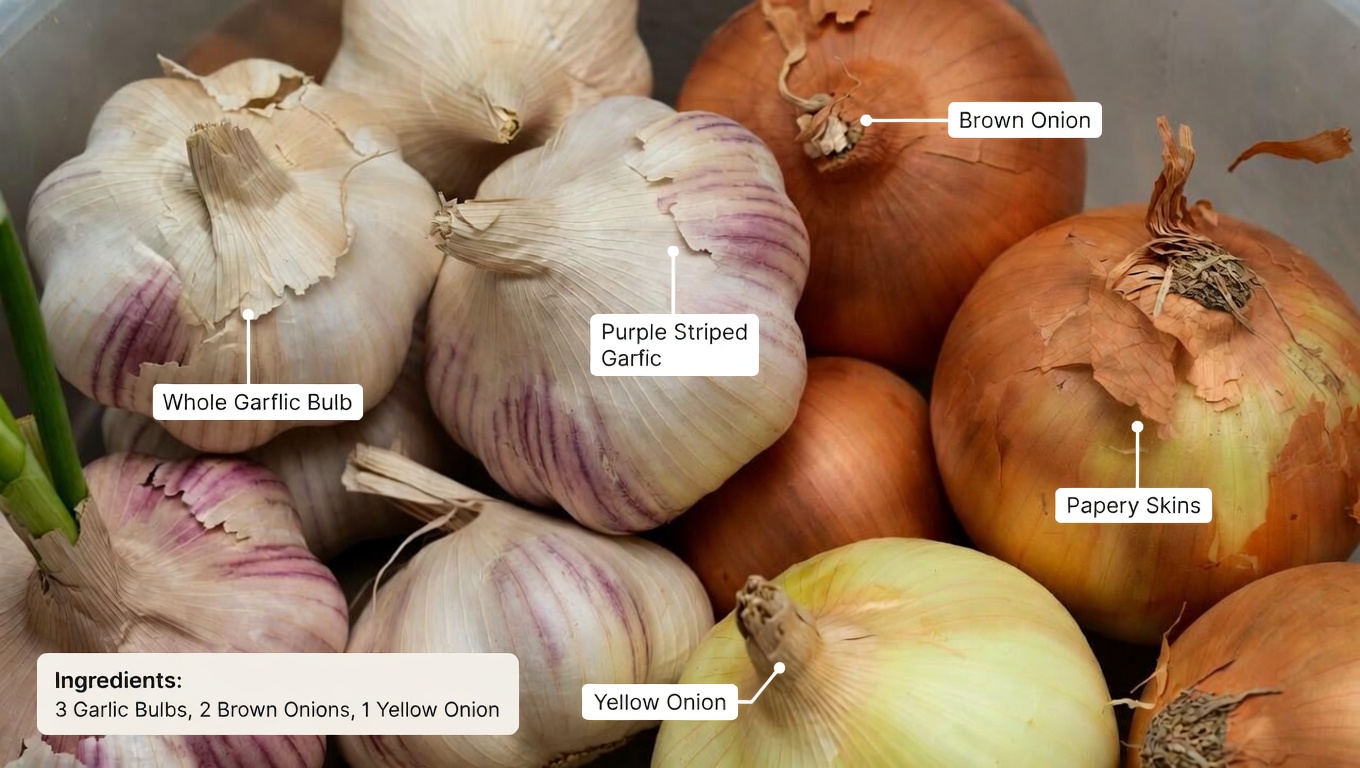
3. Consider a Gentle Infused Oil for Massage
Some people use garlic and onion in homemade infused oils for light leg massage.
A simple method:
- Crush several garlic cloves.
- Slice a small onion.
- Combine them with a carrier oil such as olive oil.
- Let the mixture sit for about 24 hours.
- Strain before use.
- Apply gently to the legs.
Important precautions:
- Always do a patch test first
- Do not apply to broken or irritated skin
- Stop use if redness or burning occurs
- Avoid use if you have known allergies
Topical use may irritate sensitive skin, so caution is essential.
Lifestyle Habits That Often Make the Biggest Difference
Food can help support healthy circulation, but lifestyle changes are usually the most effective natural tools for improving daily leg comfort.
Wear Compression Stockings
Compression stockings provide steady pressure to the legs, helping blood move upward more effectively. This can reduce pooling, swelling, and heaviness.
Elevate Your Legs
Raising your legs above heart level for 15 to 20 minutes several times a day can encourage fluid drainage and ease pressure in the veins.
Stay Active
Low-impact exercise helps the calf muscles pump blood back toward the heart. Good options include:
- Walking
- Swimming
- Cycling
Maintain a Healthy Weight
Carrying extra weight increases pressure on the veins. Even gradual weight management can reduce strain on the legs.
Avoid Long Periods of Sitting or Standing
Try to move at least once every hour. Short walking breaks or calf raises can support circulation throughout the day.
When these habits are combined with a balanced diet, many people notice their legs feel lighter and less uncomfortable.
What Current Research Says About Natural Vein Support
Sources such as health reviews and medical summaries often highlight flavonoid-rich foods, including onion and garlic, as helpful additions to a circulation-friendly diet. Animal studies have shown improvements in markers linked to oxidative stress and blood vessel function.
Still, experts consistently note one important point: dietary support may help manage mild symptoms, but it does not replace professional treatment for significant varicose veins.
The natural strategies with the strongest practical support include:
- Regular physical activity
- Daily use of compression garments
- Leg elevation
- Anti-inflammatory eating habits
- Weight control
These measures are generally the most reliable for symptom relief and are commonly recommended in vascular care guidance.
A Realistic Way to Think About Garlic and Onion
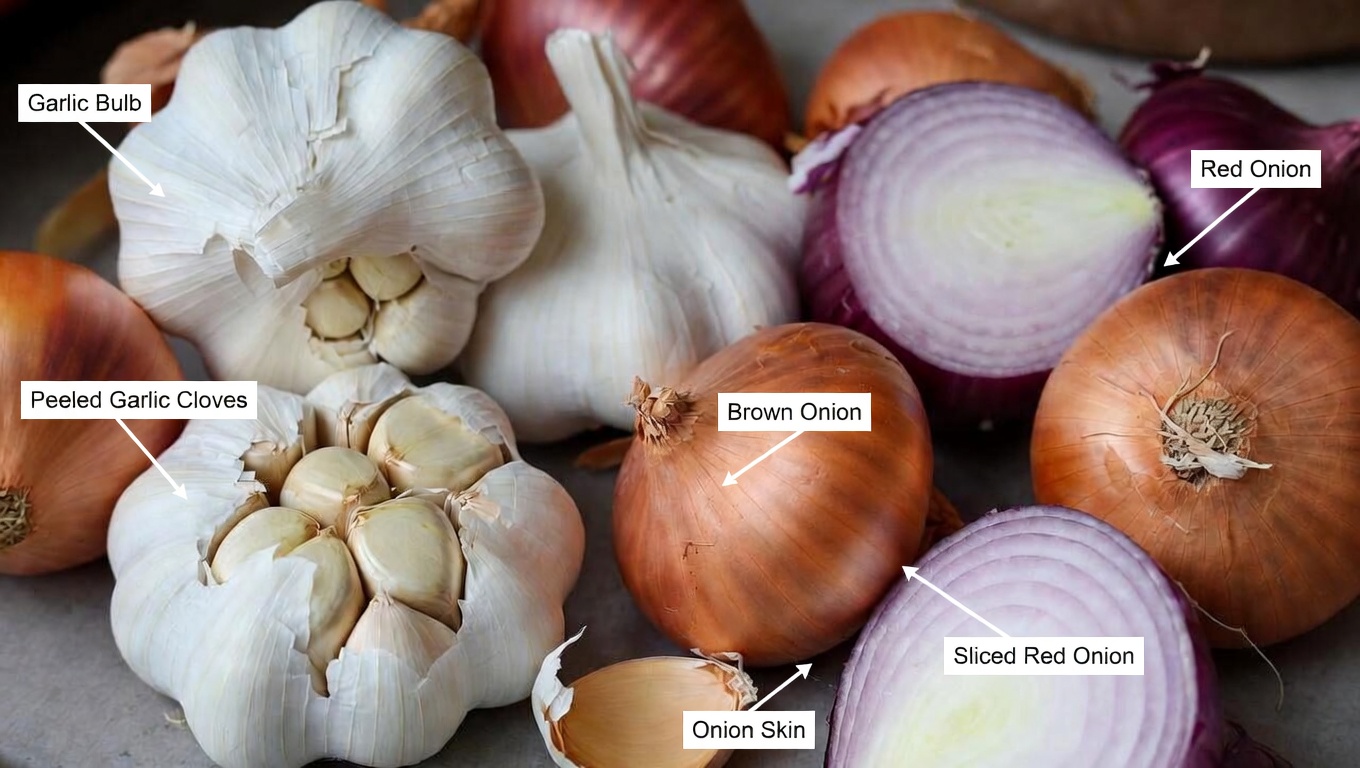
Garlic and onion may be useful as part of a larger routine aimed at supporting circulation and reducing everyday leg discomfort. They are easy to include in meals, widely available, and associated with heart-healthy eating patterns.
That said, they work best when combined with proven supportive habits such as:
- Walking regularly
- Elevating the legs
- Wearing compression stockings
- Managing body weight
- Avoiding long hours without movement
Small, steady changes often bring the most noticeable improvement over time.
Conclusion
If you are looking for a natural way to support vein comfort, garlic and onion are reasonable foods to include in your daily diet. Their plant compounds may help promote healthy circulation and reduce inflammatory stress, especially when paired with a lifestyle that supports vascular health.
While they are not a cure for varicose veins, they may contribute to less heaviness and improved leg comfort over time. Start with simple steps, stay consistent, and pay attention to how your body responds.
FAQ
How long does it take to notice benefits from eating more garlic and onion?
Some people notice mild improvements in leg comfort after several weeks of regular use, especially if they also walk more, elevate their legs, and follow other supportive habits. Results vary from person to person.
Is it safe to apply garlic or onion to the skin?
Topical use can irritate the skin in some individuals. Always patch-test first and avoid applying it to cuts, sores, or sensitive areas. If irritation develops, stop using it and consult a healthcare professional.
When should I see a doctor about varicose veins?
Seek medical advice if you have worsening pain, persistent swelling, skin discoloration, or ulcers. Home care may help with mild symptoms, but more serious vein problems need professional evaluation.