Onion for Eye Health: What’s True, What’s Not
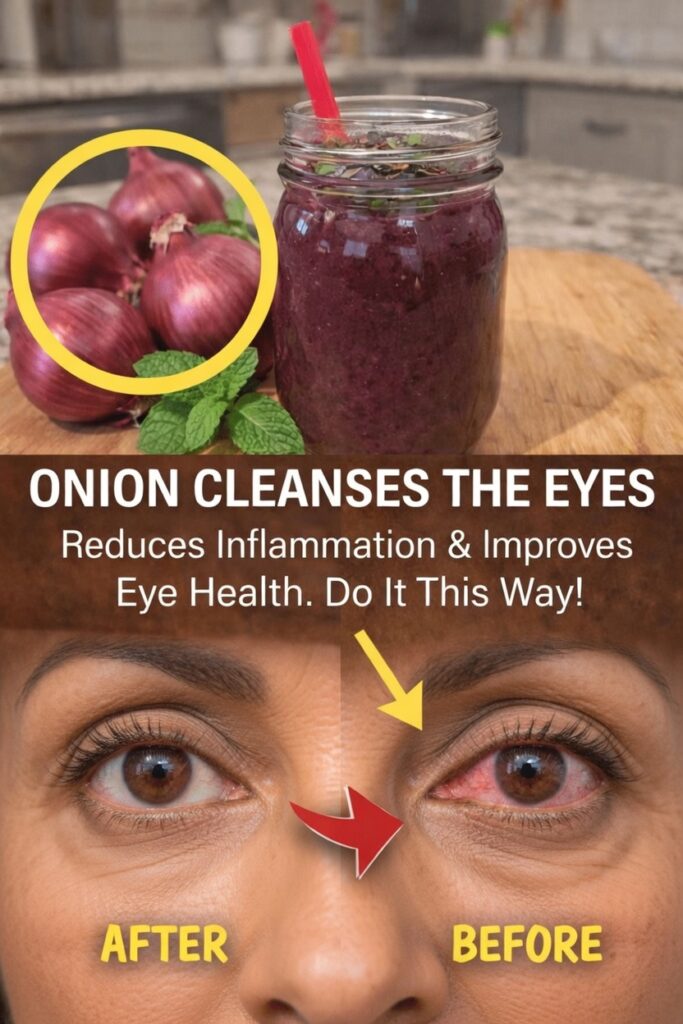
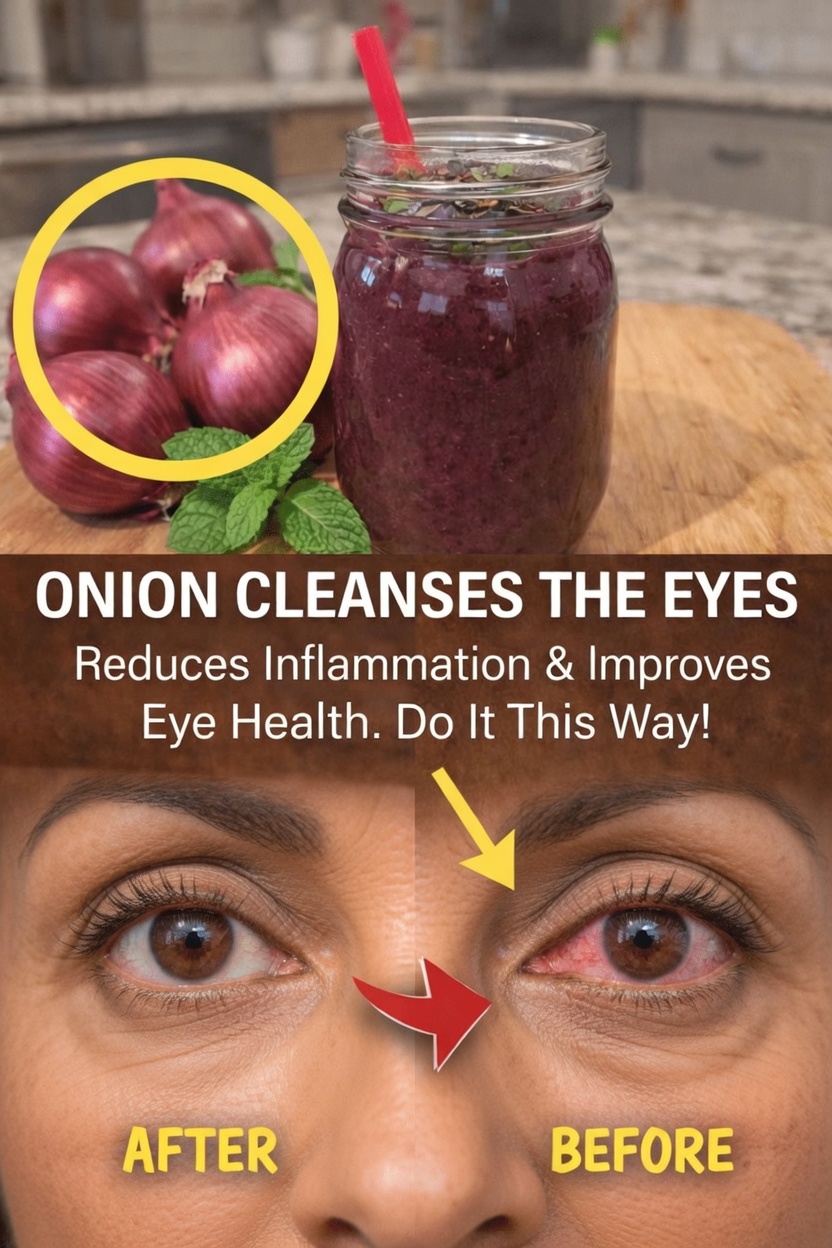
Claims circulating online say that onion juice in the eyes, or a special onion drink, can deeply cleanse the eyes, remove redness, or sharpen vision within a few days. These statements are not backed by solid human research and can be misleading.
Applying raw onion juice directly to the eyes is not safe. Because onions contain sulfur-based compounds—the same substances that make your eyes water when you cut them—they can cause stinging, burning, irritation, and potentially more serious problems. Eye specialists and existing research caution against putting onion juice in the eyes because it may increase the risk of infection or injury.
That does not mean onions are useless for eye wellness. When eaten as part of a healthy diet, onions provide valuable nutrients and plant compounds, including quercetin and sulfur-containing antioxidants, that may help support overall eye health. Most of the research in this area comes from laboratory and animal studies, but findings suggest these compounds may help lower oxidative stress, strengthen antioxidant defenses, and calm mild inflammation related to age-associated eye concerns.
Some early preclinical studies have looked at onion-derived compounds for their possible role in protecting lens cells and supporting corneal health. Quercetin, in particular, has attracted attention for its anti-inflammatory and antioxidant potential, and it may indirectly help maintain tear balance and eye comfort.
Can Eating Onions Help Support Eye Wellness?
As people get older, many begin to notice dry eyes, screen-related strain, and general visual fatigue. No single food can restore eyesight or “repair” vision on its own. Still, a diet rich in antioxidant-containing foods, including onions, may help support long-term eye comfort and resilience against daily stress.
Why Onions May Benefit Eye Health
Onions—especially red onions—contain several compounds that make them a useful addition to an eye-friendly diet:
- Quercetin: A plant flavonoid known for antioxidant and anti-inflammatory effects. Research suggests it may help defend eye tissues against oxidative damage and support a healthy inflammatory response.
- Sulfur compounds: These help the body produce glutathione, an important antioxidant involved in protecting the lens and retina.
- Vitamin C and trace selenium: These nutrients contribute to maintaining the structure and health of eye cells.
Reviews of nutritional research and animal-based studies suggest onions may help support tear production and reduce signs of eye-related stress. However, this should not be confused with guaranteed vision improvement. Human clinical evidence remains limited.
The biggest takeaway is simple: safe, regular dietary habits matter far more than extreme or unproven home remedies.
Safe Ways to Add Onions to Your Diet
If you want to explore onions for their potential nutritional support, focus on eating them regularly instead of using them topically or in questionable “eye-cleansing” methods.
Here are a few practical tips:
- Choose red onions when possible: They often contain more quercetin than yellow or white varieties.
- Eat them raw or lightly cooked: High heat may reduce some beneficial compounds, so try them in salads, salsa, or as a garnish.
- Pair them with healthy fats: Olive oil or avocado can help improve absorption of certain nutrients in a balanced meal.
- Start gently if needed: Raw onions can be intense for some people, so cooked onions may be easier to tolerate at first.

A Simple Onion-Based Smoothie for Daily Nutritional Support
This recipe takes inspiration from the viral onion trend, but in a much safer way—by using onions as food, not as an eye treatment.
Ingredients
- 1 small red onion, peeled and roughly chopped
- 1 cup mixed berries, such as blueberries or strawberries
- 1 handful fresh mint leaves
- 1 apple or 1 carrot for natural sweetness
- Juice of 1/2 lemon
- 1 cup water or unsweetened plant milk
- Optional: a small handful of spinach for extra lutein
If raw onion feels too strong, begin with half an onion and adjust gradually.
How to Make It
- Add all ingredients to a blender.
- Blend until smooth.
- Strain if you want a lighter texture.
- Drink immediately, preferably fresh in the morning.
- Try it consistently for 4 to 5 days as part of an overall balanced diet.
This smoothie can provide quercetin and other helpful plant nutrients without the risks linked to direct eye exposure.
Other Foods and Habits That Help Support Eye Health
Onions work best as one piece of a broader eye-friendly lifestyle. To build a stronger nutritional foundation, combine them with foods that are more strongly associated with visual health:
- Leafy greens like spinach and kale: rich in lutein and zeaxanthin, which help protect the macula
- Fatty fish such as salmon: provide omega-3 fatty acids that may help with dry eye symptoms
- Citrus fruits: supply vitamin C, important for collagen in eye tissues
- Nuts and seeds: offer vitamin E, which helps protect cells from oxidative stress
Good daily habits also matter:
- Limit prolonged screen strain with regular breaks
- Stay hydrated
- Wear UV-protective sunglasses outdoors
- Get routine eye exams
Onion vs. Other Foods for Eye Support
| Food | Key Compounds | Potential Eye Benefit | Easy Ways to Use |
|---|---|---|---|
| Red Onion | Quercetin, sulfur compounds | Antioxidant support and mild inflammation balance | Salads, wraps, smoothies |
| Blueberries | Anthocyanins | Help protect the retina from oxidative stress | Fresh, snacks, smoothies |
| Spinach | Lutein, zeaxanthin | Helps filter harmful blue light | Salads, sautés, side dishes |
| Salmon | Omega-3 fatty acids | May reduce dry eye discomfort | Grilled, baked, or steamed |
Final Thoughts
Adding onions to your meals is a simple and flavorful way to increase intake of nutrients that may support eye comfort and general eye wellness. They are not a miracle cure, and they will not rapidly improve vision, but they can be part of a healthy eating pattern that supports the eyes over time.
If you include onions regularly in balanced meals, you may help your body better manage oxidative stress and everyday visual strain. Results will vary from person to person, and realistic expectations are important.
FAQ
1. Is onion juice safe to put in the eyes?
No. Most eye experts advise against this because it can cause burning, irritation, and possible damage. Eating onions is the safer option.
2. How much onion should I eat for possible eye benefits?
A reasonable amount is about half to one medium onion several times a week as part of meals. More is not necessarily better, so aim for balance.
3. Can onions replace glasses or routine eye exams?
No. Onions may offer nutritional support, but they do not correct vision problems or treat eye disease. Regular checkups with an eye doctor are still essential.