Rice Water for Damaged Hair: A Simple Natural Rinse for Smoother, Healthier-Looking Strands
Damaged hair can be difficult to manage. Dry, fragile strands, persistent breakage, and a lack of shine can make even basic styling feel frustrating. Because of this, many people look for affordable, gentle ways to improve the look and feel of their hair without relying on harsh ingredients or costly salon treatments.
One traditional remedy that continues to attract attention is rice water. Passed down through generations, this simple rinse is often used to help condition and soften hair. Although social media tends to highlight dramatic transformations, the real benefit of rice water lies in its long history of use and its potential hair-supporting properties, even if scientific research is still limited.
Rice water is especially interesting because it contains vitamins, minerals, amino acids, and compounds such as inositol, which may help coat and support the hair shaft. However, one important detail is often missed: how you make and apply rice water can strongly influence the results. Below, you will learn how rice water may benefit damaged hair, how to prepare it safely at home, and how to use it as part of a balanced hair care routine.
Why Rice Water Has Become So Popular
Rice water is created by soaking or fermenting rice in water so that nutrients are released into the liquid. This practice has been part of Asian beauty traditions for centuries. In some communities, including the Yao women in China, fermented rice water has long been associated with long, strong, healthy-looking hair.
Interest in rice water grew rapidly in recent years after viral videos showed hair appearing shinier, smoother, and easier to manage with regular use. Many personal accounts suggest that it may reduce friction along the hair surface, which could lead to less breakage and a silkier texture. Some older studies involving rice-based compounds have also suggested possible benefits such as improved elasticity and less tangling, though more direct research on plain rice water is still needed.
Studies on rice-derived ingredients like rice bran have shown encouraging results in laboratory settings, including reduced inflammation and effects on signals related to the active hair growth phase. A systematic review of rice bran applications found increased expression of factors linked to hair growth activity. Even so, experts from sources such as Cleveland Clinic and WebMD note that while rice water is generally low-risk to try, there is still not enough strong scientific evidence to support extreme claims.
Its popularity is easy to understand:
- It is budget-friendly
- It requires only one main ingredient
- It fits well into a natural hair care routine
- It is easy to prepare at home
What Is in Rice Water and How Might It Help Hair?
Rice water is more than just starchy liquid. It contains several components that may improve the appearance and feel of hair.
Inositol
Inositol is a carbohydrate that some research suggests may penetrate the hair shaft. It may help support damaged areas and improve elasticity, making hair feel stronger and less prone to snapping.
Amino Acids
Amino acids are the building blocks of protein. In rice water, they may help hair feel more resilient and reinforced, especially when strands are weakened by heat, coloring, or mechanical damage.
Vitamins and Antioxidants
Rice water may contain small amounts of B vitamins, vitamin E, and antioxidants such as ferulic acid. These compounds may provide light protection against environmental stress and help support overall hair condition.
Starch
The starch in rice water can leave a light coating over the cuticle. This may smooth the surface of the hair, helping reduce frizz and improve shine.
Because of these elements, many people notice that their hair feels softer, looks shinier, and becomes easier to detangle. Still, results are not the same for everyone. Hair type matters. Straight hair, wavy hair, curly hair, and coily hair may all respond differently, and applying rice water too often can lead to buildup.
How to Make Fermented Rice Water at Home
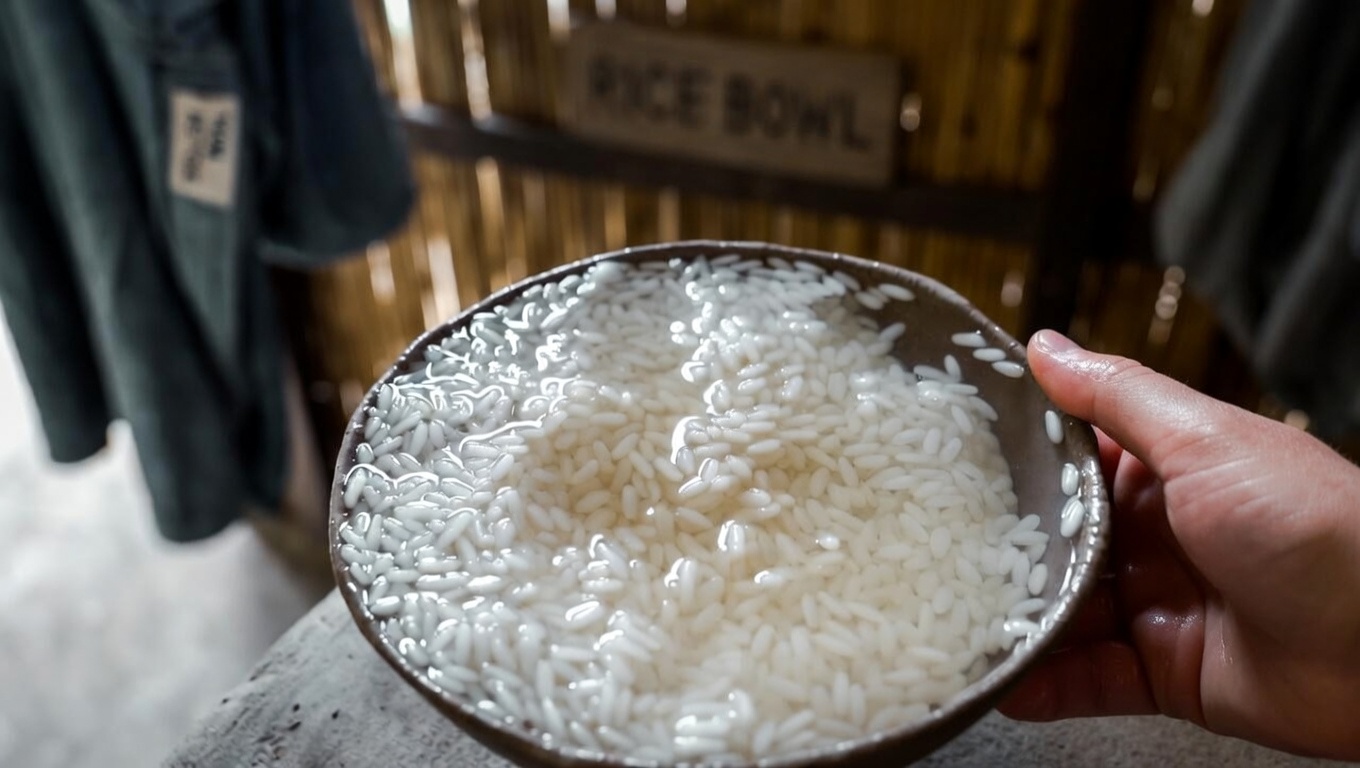
Fermented rice water is especially popular because fermentation may help release more beneficial compounds and create a lower pH, which can be more compatible with hair. Here is a simple method you can follow at home.
Step-by-Step Instructions
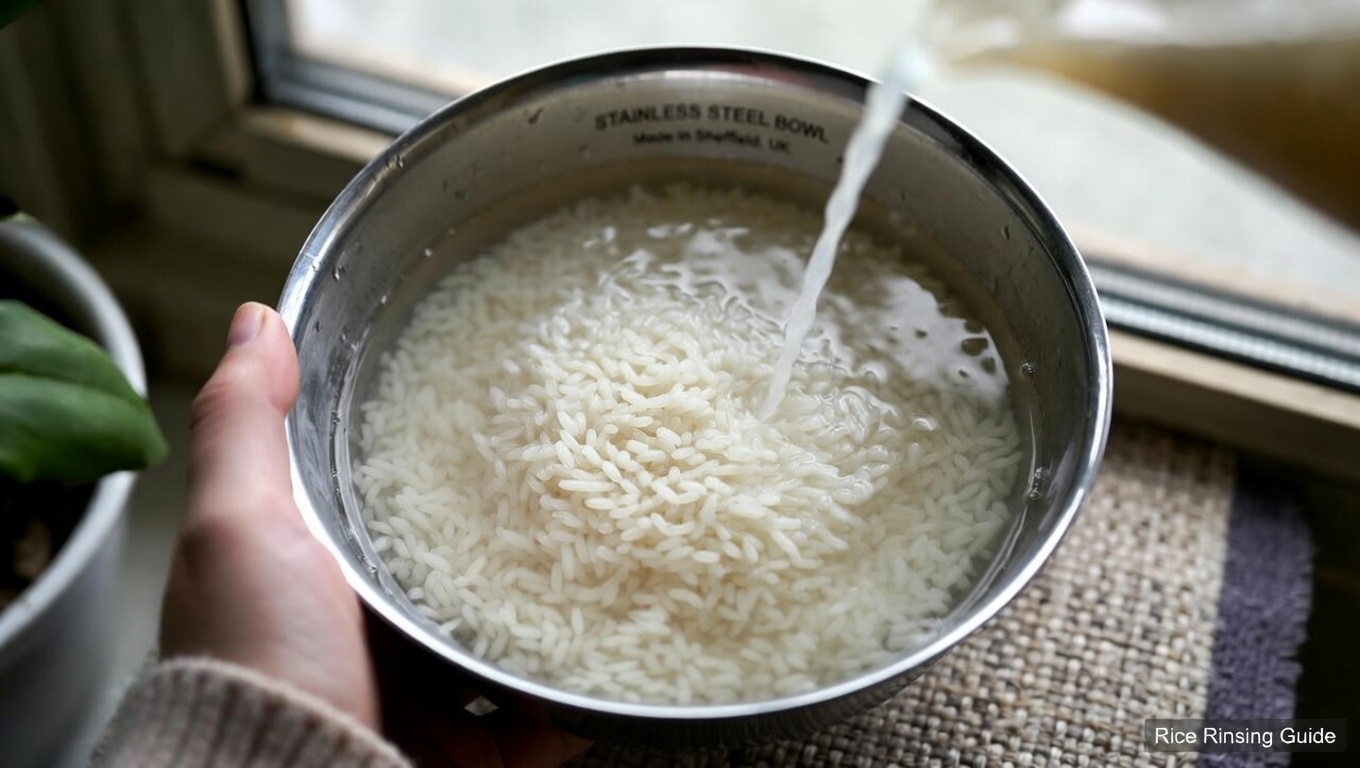
- Rinse 1/2 cup of uncooked rice under cool water to remove dirt and residue.
- Transfer the rice to a clean bowl or jar.
- Add 2 to 3 cups of water.
- Stir gently, then let the rice soak for about 30 minutes.
- Strain the liquid into a clean container. At this point, you have basic rice water.
- If you want to ferment it, loosely cover the strained liquid and leave it at room temperature for 12 to 48 hours.
- Once it develops a slightly sour smell, it is ready. Avoid leaving it out too long, as that can lead to spoilage.
- Strain again if necessary and store it in the refrigerator for up to one week.
Tips for Better Results
- Choose organic rice when possible to reduce pesticide exposure
- If you are new to fermented rice water, begin with a shorter fermentation time
- If the rinse feels too strong, dilute it with plain water in a 1:1 ratio
This method is simple, inexpensive, and requires minimal effort.
How to Use Rice Water as a Hair Rinse
Adding rice water to your routine is easy. The key is to use it gently and not overdo it.
Simple Application Method
- Shampoo your hair as you normally would.
- Pour the prepared rice water over your hair, focusing mainly on the mid-lengths and ends.
- If your scalp becomes oily easily, avoid saturating the roots too much.
- Massage the rice water gently into the hair for 2 to 5 minutes.
- Leave it on for about 10 to 20 minutes.
- Rinse thoroughly with cool water.
Cool water may help smooth the cuticle, which can enhance shine.
How Often Should You Use It?
Start with once or twice a week. Then adjust based on how your hair responds.
Important Precautions
- Do a patch test before first use to check for irritation
- If your hair starts to feel stiff, dry, or overloaded, reduce how often you use it
- Dilute the rice water more if needed
- Follow with conditioner if your hair needs extra softness or moisture
Many users find that with moderate, consistent use, their hair gradually feels smoother and looks healthier.
What Results Can You Realistically Expect?
Experiences with rice water vary from person to person. Some people notice increased shine, smoother texture, and less breakage after a few weeks. Others report more subtle benefits, such as easier detangling or softer-feeling hair.
A number of factors affect the outcome, including:
- Hair porosity
- Hair thickness
- Current level of damage
- Diet and overall health
- The rest of your hair care routine
Experts often remind people that rice water is not a miracle treatment. Dermatologists generally agree that it may work well as a conditioning rinse, but claims of instant or dramatic transformation should be approached carefully. The starch in rice water can temporarily smooth the outer layer of the hair, but long-term improvement still depends on gentle care, moisture balance, and reduced damage from heat and handling.
Rice Water vs. Commercial Conditioners
Rice water and store-bought conditioners can both help improve manageability, but they work in different ways.
Rice Water
- Natural and inexpensive
- Easy to customize by adjusting fermentation strength
- Contains minimal ingredients
- Supported by long-standing traditional use
Commercial Conditioners
- Often designed with silicones or conditioning agents for immediate slip
- Usually contain preservatives for a longer shelf life
- Can offer targeted solutions for moisture, repair, or frizz control
What They Have in Common
- Both can make hair feel smoother
- Both may improve manageability when used properly
- Both work best when matched to your hair’s needs
Possible Drawbacks of Rice Water
- May cause buildup if used too often
- Might not suit very dry or protein-sensitive hair unless diluted
- Results can be subtle rather than dramatic
Final Thoughts on Using Rice Water for Damaged Hair
Rice water is a practical, traditional option for anyone interested in natural hair care. Because it may help coat, smooth, and soften the hair shaft, it can be a useful addition to a gentle routine for damaged hair. The most important thing is to pay attention to how your hair responds. If the strength and frequency are right for your hair type, rice water may help improve softness, shine, and overall manageability over time.
Frequently Asked Questions
How long should rice water ferment for hair use?
Most people leave rice water to ferment at room temperature for 12 to 48 hours. A shorter fermentation produces a milder rinse, while a longer one may be stronger but also carries a greater risk of spoilage. Once ready, store it in the refrigerator.
Can all hair types use rice water?
Yes, but the method may need adjustment. Fine hair may benefit from a more diluted rinse so it does not feel weighed down. Thick, coarse, or damaged hair may tolerate it better. Watch for signs of buildup and adapt the routine as needed.
Is it safe to use rice water every day?
Daily use is usually not recommended. For most people, 1 to 2 times per week is enough. Using it too frequently may lead to dryness, stiffness, or protein overload. Always rinse it out thoroughly after use.