Vitamin E: An Overlooked Nutrient for Healthy Circulation
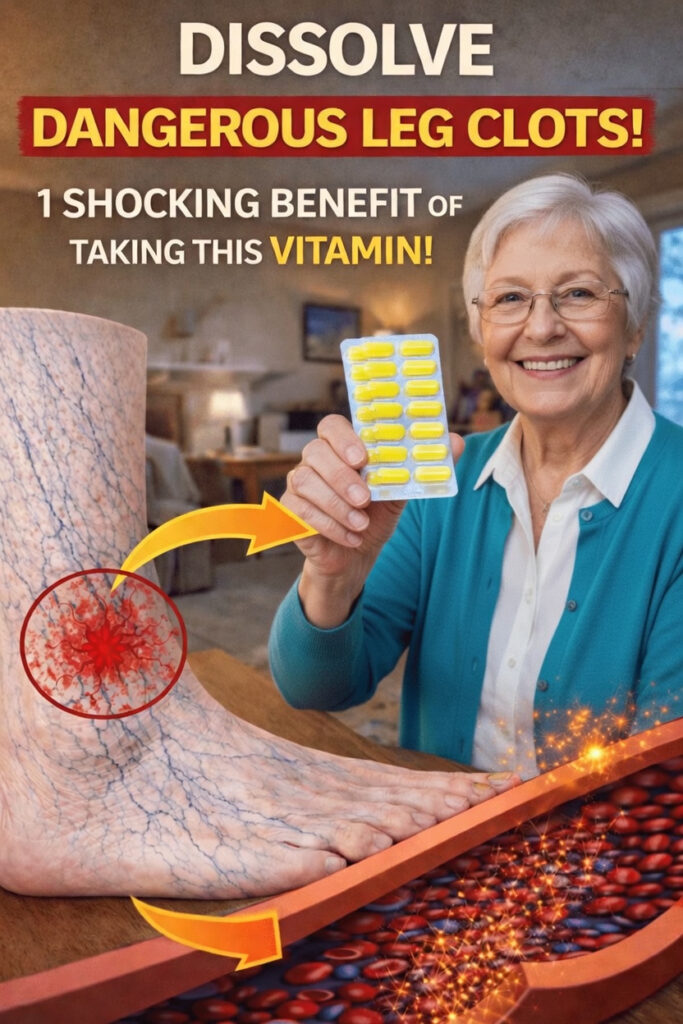
The nutrient at the center of this discussion is vitamin E. In cardiovascular care, it often comes up because it serves as a strong antioxidant that many people fail to prioritize in everyday nutrition.
Scientific findings suggest that vitamin E may help shield blood vessels from oxidative stress and promote healthier blood movement through the arteries. Researchers have also examined how it may affect platelet activity, an important factor in overall circulatory function.
Still, its benefits go beyond that. As we grow older, vitamin E deserves closer attention for the role it may play in supporting vascular health.
Why Blood Circulation Often Changes With Age
Aging naturally affects the body in many ways, including the circulatory system. Over time, arteries may lose some of their flexibility. Lower activity levels, dietary habits, and the gradual effects of wear and tear can all contribute to this process. When circulation becomes less efficient in the legs and feet, people may notice mild swelling, heaviness, or occasional discomfort.
Many older adults assume these symptoms are simply unavoidable. However, nutritional support can sometimes make a meaningful difference. Vitamin E is especially notable because it helps protect cell membranes within blood vessels from damage caused by free radicals.
How Vitamin E May Support Blood Flow
Vitamin E, especially its natural form known as alpha-tocopherol, works by helping neutralize unstable molecules that can place stress on vascular tissue. Some studies suggest that it may assist in preserving blood vessel flexibility and supporting normal platelet behavior, both of which may contribute to smoother circulation.
Observational research and lab-based studies have connected healthy vitamin E levels with better vascular indicators in older adults. While it is not a replacement for medical care, exercise, or other healthy habits, it may be a useful part of a larger strategy for maintaining daily energy and comfort.
Why Vitamin E Matters for Older Adults
- It helps reduce the effects of long-term oxidative stress
- It may support the inner lining of arteries
- It can be obtained from both everyday foods and high-quality supplements
Foods Naturally High in Vitamin E
You do not need expensive products to increase your vitamin E intake. Many familiar foods already contain this nutrient in useful amounts. Including them regularly can be an easy and enjoyable way to support your circulation and overall wellness.
Good Dietary Sources of Vitamin E
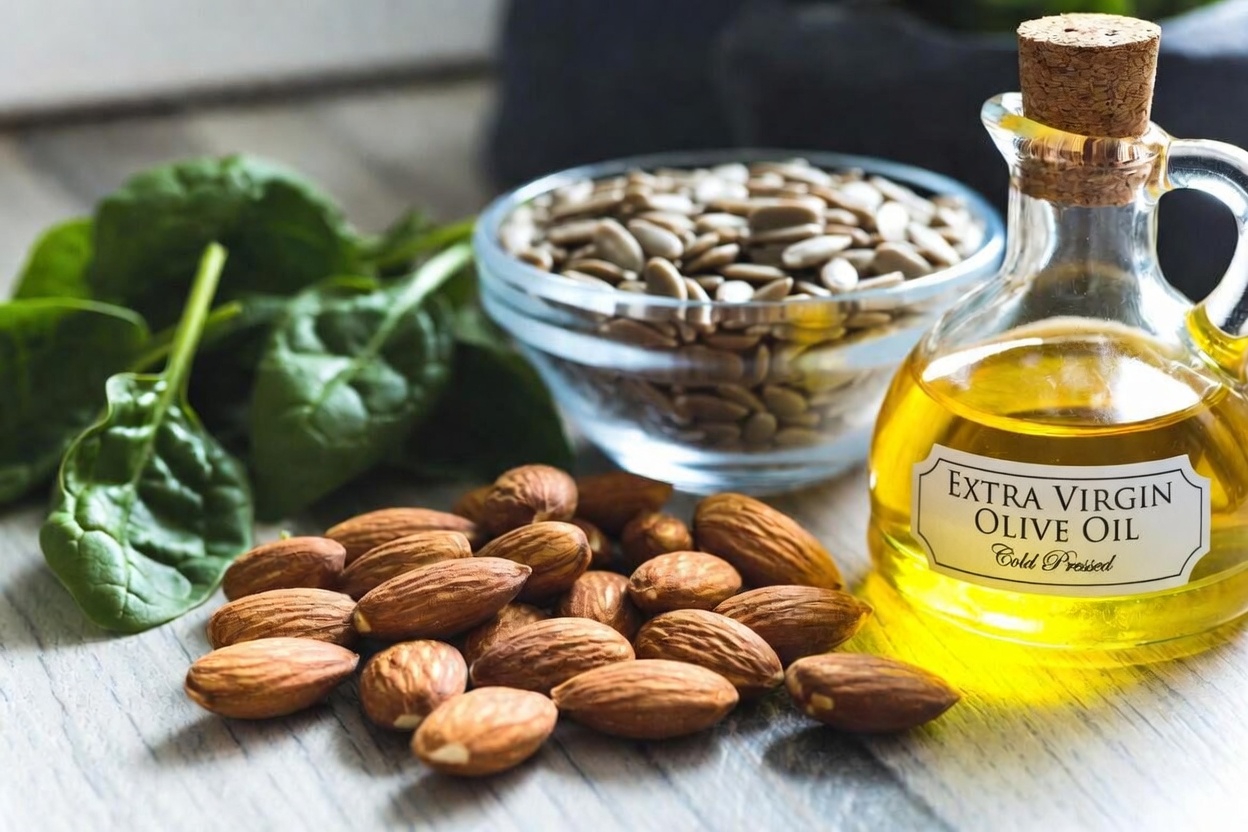
- Nuts and seeds, including almonds, sunflower seeds, and hazelnuts
- Plant oils such as wheat germ oil, sunflower oil, and safflower oil
- Leafy green vegetables like spinach and kale
- Avocados and olives
- Fortified cereals and whole grains
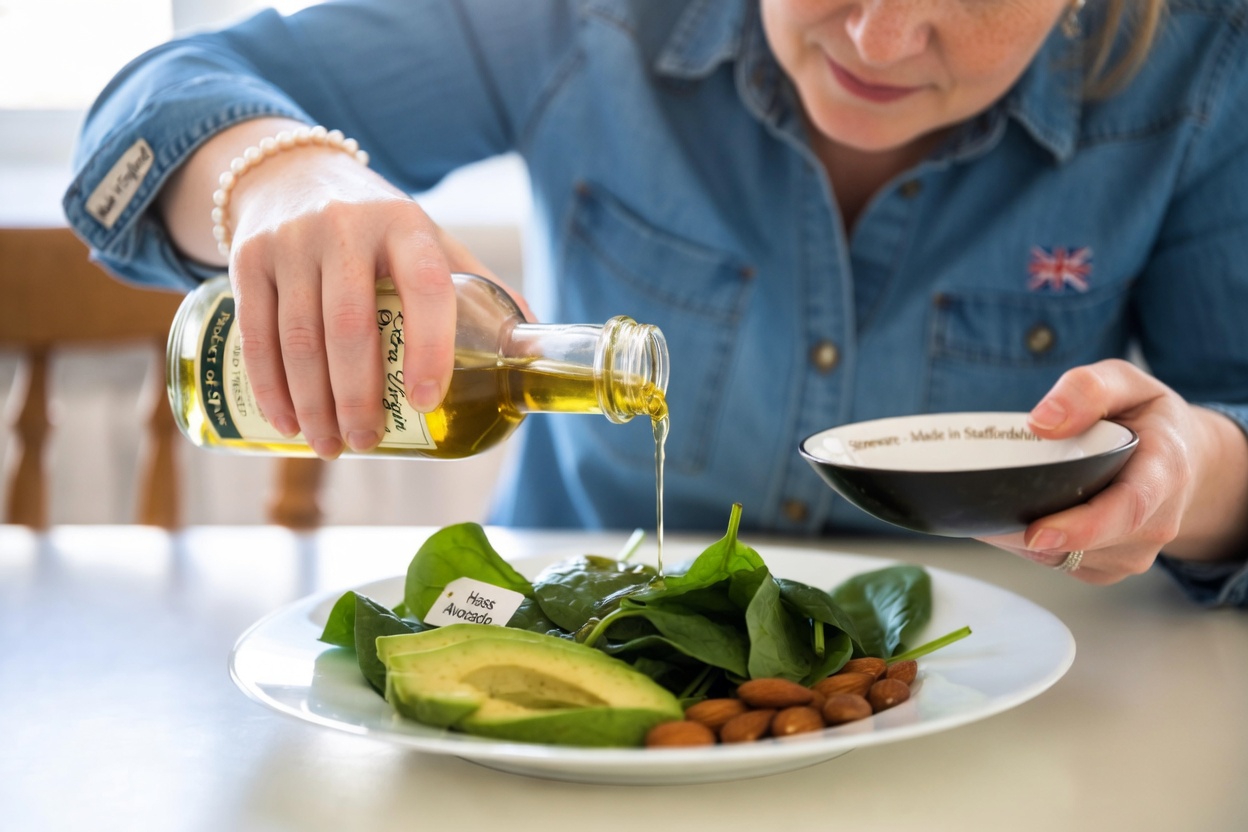
Small changes can make a difference. For example, you might add almonds to yogurt in the morning or drizzle sunflower oil over a salad at lunch. These simple habits can gradually improve your nutrient intake without changing your lifestyle dramatically.
Vitamin E Supplements for Older Adults
If your meals do not provide enough vitamin E, a supplement may help fill the gap. The recommended daily intake for most adults is about 15 mg (22 IU), although some research has looked at higher doses under professional supervision.
When choosing a supplement, natural forms such as d-alpha-tocopherol are often preferred because the body tends to use them more effectively than synthetic alternatives. It is also wise to select products that have been third-party tested for purity and strength.
Safe and Practical Ways to Add Vitamin E to Your Routine
You can begin with a few straightforward steps:
- Review your eating habits and note how often you consume nuts, seeds, or leafy greens
- Introduce one vitamin E-rich food each day, such as a small serving of almonds as a snack
- Speak with your healthcare provider before starting a supplement, especially if you take blood-thinning medications or have ongoing medical conditions
- Take vitamin E with meals that contain healthy fats, since it is a fat-soluble vitamin and absorbs better that way
- Be consistent, because the benefits of nutrition usually build gradually over time
Another useful approach is to combine vitamin E intake with circulation-friendly habits. Staying hydrated, lifting your legs from time to time, and doing gentle activity such as walking or ankle rotations can all support vascular comfort.
Nutrients That Work Well With Vitamin E
Vitamin E is not the only nutrient involved in vascular support. Several others play complementary roles:
- Vitamin C: Supports collagen formation, which helps maintain blood vessel structure
- B vitamins: Contribute to energy production and help regulate homocysteine levels
- Omega-3 fatty acids: Found in fatty fish, these may work alongside antioxidants to support vascular health
A well-balanced diet with colorful vegetables, quality protein, healthy fats, and whole grains naturally brings many of these nutrients together.
Common Questions About Vitamin E and Circulation
How soon can you notice results?
Responses vary from person to person. Some individuals report feeling better after making consistent dietary improvements over several weeks or months, particularly when those changes are paired with regular physical activity.
Is vitamin E safe for everyone?
For most healthy adults, vitamin E from food is considered very safe. Supplements are usually well tolerated when used at recommended amounts. However, higher doses can interact with certain medications, especially blood thinners. That is why medical guidance is important before beginning supplementation.
Can food alone provide enough vitamin E?
Yes. Many people can meet their needs through diet if they eat vitamin E-rich foods regularly, such as seeds, nuts, and vegetable oils. Supplements are mainly helpful when food intake is insufficient.
Should vitamin E be taken with other vitamins?
Some studies have explored combinations of antioxidants and fat-soluble vitamins, but there is no single rule that applies to everyone. A varied diet should come first, along with advice tailored to your health needs.
Lifestyle Habits That Improve Vascular Comfort
No single nutrient can do all the work. Regular movement remains one of the best ways to encourage healthy circulation. Even brief walks, swimming sessions, or chair-based exercises can help. Maintaining a healthy weight, reducing stress, and avoiding long stretches of inactivity are also important.
If you smoke, quitting can significantly improve circulation at any age.
In clinical practice, one lesson stands out repeatedly: small, realistic changes often create the best long-term outcomes. Vitamin E can be a valuable part of that plan, especially when combined with broader heart-healthy habits.
Final Thoughts
Supporting healthy blood flow does not need to be confusing. Paying more attention to vitamin E, whether through nutrient-rich foods or a carefully selected supplement, offers older adults a practical way to care for their vascular system.
This information is intended for education only and should not replace personal medical advice. Before making changes to your diet or supplement routine, speak with your doctor to determine what is most appropriate for your individual health situation.