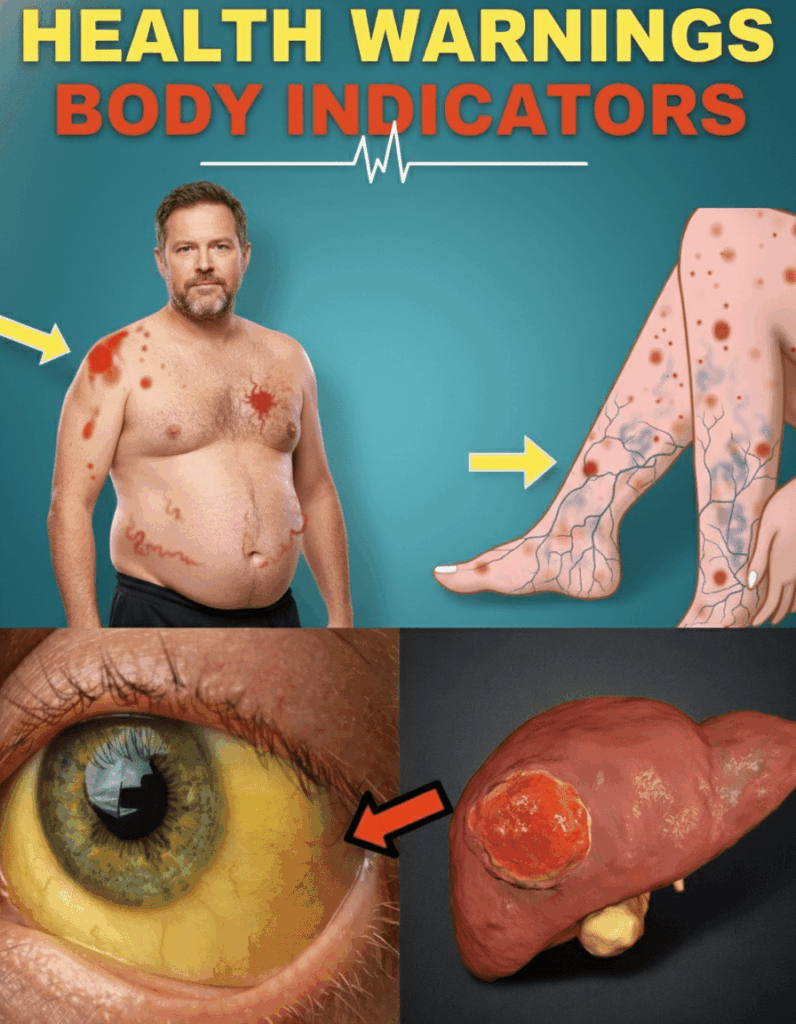
10 Warning Signs of Fatty Liver Disease and What You Can Do Early
Fatty liver disease can develop silently, with few or no obvious symptoms at first. Because of that, many people do not realize anything is wrong until routine blood tests or imaging uncover a problem. The condition is commonly associated with excess weight, poor nutrition, and low physical activity, and it can gradually interfere with how the body handles energy, fat, and nutrients.
The challenge is that visible symptoms may not appear until the liver is already under strain. The positive side is that spotting subtle changes early and making practical lifestyle improvements can help support liver function and overall health. Below, you’ll learn 10 important signs to look out for, along with simple actions you can start taking now.
Why Fatty Liver Disease Is Easy to Miss in the Beginning
According to respected medical sources such as the Mayo Clinic and Cleveland Clinic, fatty liver disease, now often referred to as metabolic dysfunction-associated steatotic liver disease (MASLD), frequently causes no noticeable symptoms in its early phase. Many cases are discovered by accident during tests done for unrelated reasons.
When symptoms do show up, they are often mild and easy to blame on stress, poor sleep, or everyday digestive issues. However, overlooking these signals may allow the condition to worsen over time. Research suggests that daily habits have a major impact, and even modest lifestyle adjustments can help lower risk and improve outcomes.
To better understand what to watch for, let’s go through the most common early and later signs.
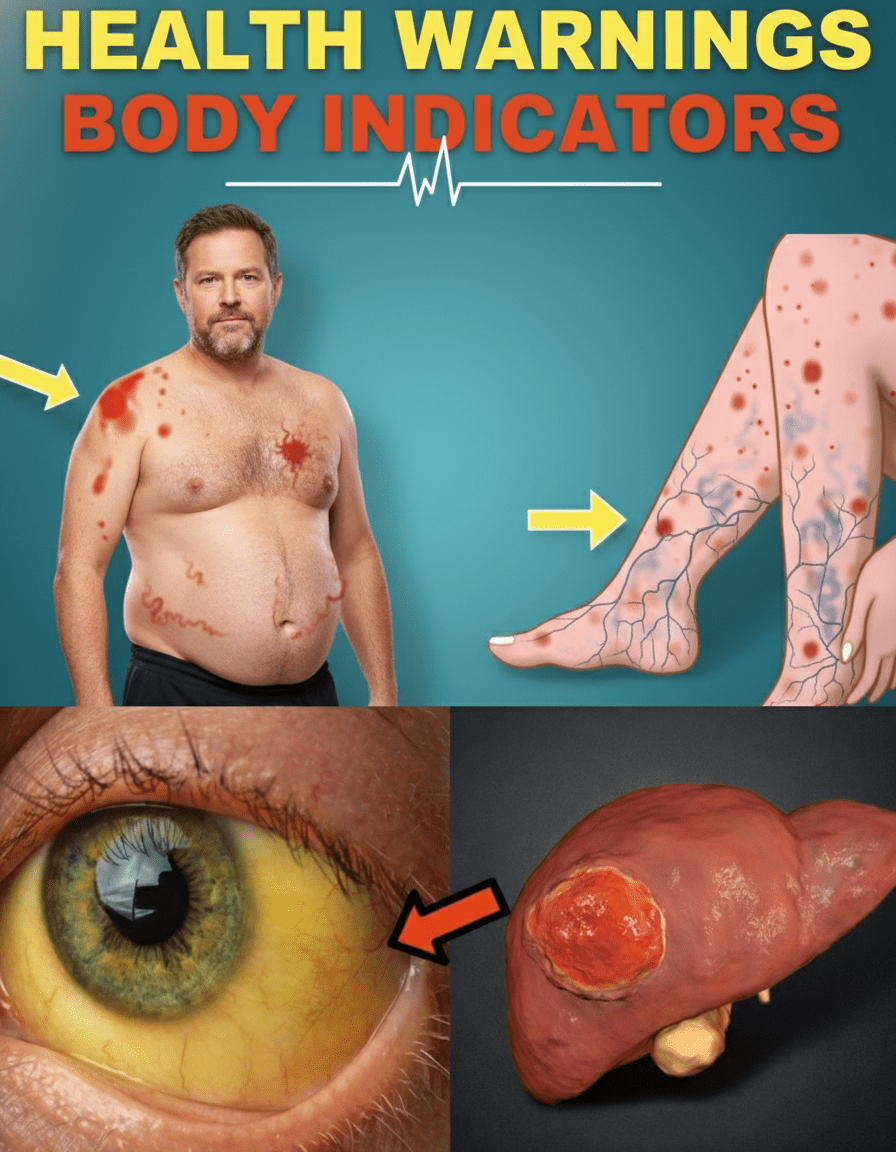
1. Ongoing Fatigue and Reduced Energy
Constant tiredness is one of the most commonly reported early symptoms. Even after sleeping well, you may still feel drained or mentally foggy. Since the liver plays a key role in energy regulation, excess fat in the liver can affect how efficiently this process works.
Many people describe this as a persistent heaviness or low-energy feeling that does not improve much with rest or caffeine. If this sounds familiar, it can help to track when your energy dips during the day and whether meals or activity levels seem to affect it.
2. Pressure or Discomfort in the Upper Right Abdomen
A dull ache, heaviness, or feeling of fullness under the ribs on the right side can be another early clue. This area is where the liver is located. The sensation is not always painful, but it may feel unusual, especially after large or rich meals.
Medical sources such as Johns Hopkins Medicine note that this can happen when the liver becomes slightly enlarged because of fat accumulation. It is easy to mistake this for simple indigestion, but recurring discomfort deserves attention.
3. Unexplained Weight Changes or Decreased Appetite
Fatty liver can sometimes affect appetite and the way the body processes nutrients. Some people notice a gradual change in weight without meaning to, while others simply feel less interested in eating.
Although abdominal weight gain is often linked to the metabolic issues associated with fatty liver, unintentional weight loss may also occur in some cases. If your appetite declines for no clear reason, it is worth paying closer attention to your eating habits and daily routine.
4. A General Sense of Feeling Unwell
Another subtle sign is malaise, or a vague feeling that something is off. You may feel weak, slightly nauseated, or just not like yourself, even if you cannot explain why.
This symptom is often mentioned in clinical guidance from organizations such as the NHS and Cleveland Clinic. Because it is nonspecific, many people dismiss it as stress, aging, or a busy schedule. Still, when it appears alongside other symptoms, it should not be ignored.
5. Mild Nausea or Digestive Discomfort
Occasional nausea, bloating, or a sensation of slow digestion may also appear. The liver helps process fats and filter substances from the body, so when it is under pressure, digestion may not feel quite normal.
Trying lighter meals, drinking enough water, and avoiding overly heavy foods may help reduce discomfort. If symptoms continue, it may be time to seek medical advice.
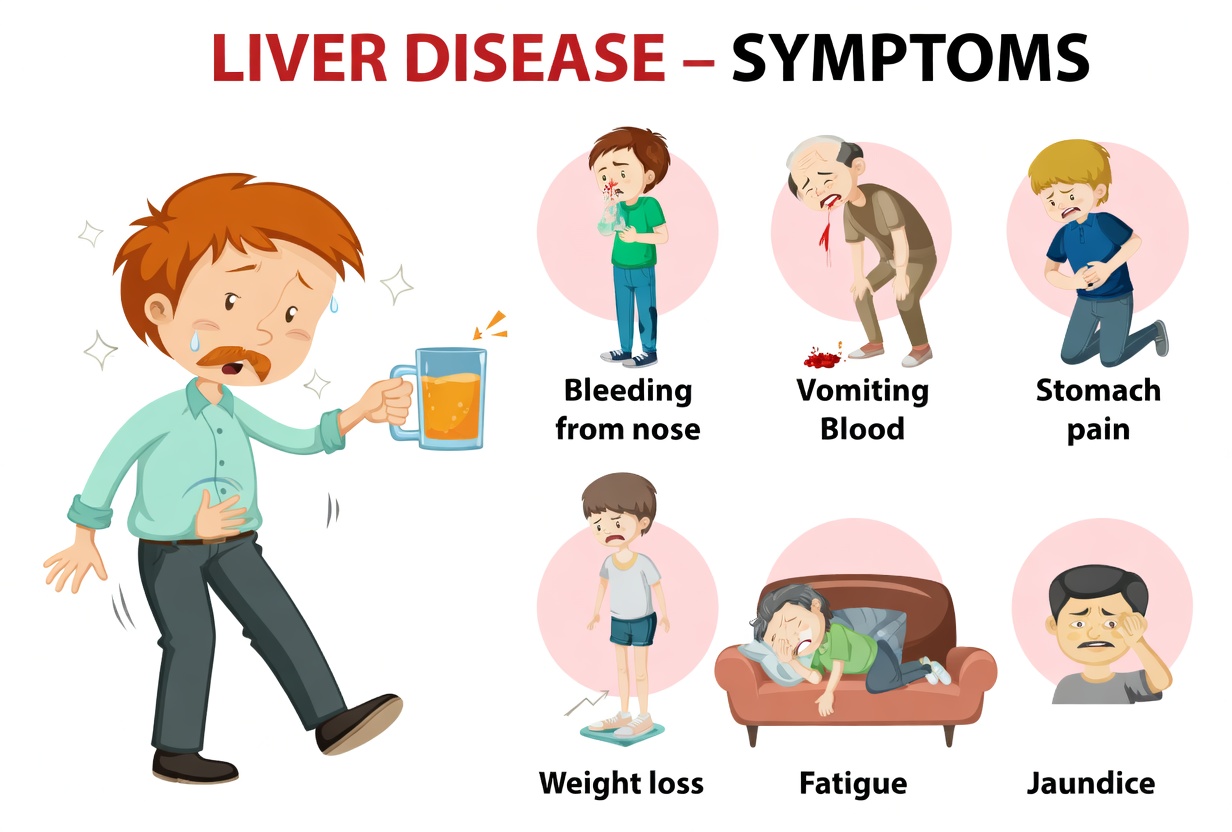
6. Itchy Skin Without a Clear Cause
As fatty liver disease becomes more advanced, some people develop persistent itching without a visible rash. This can happen when liver function becomes more affected and certain substances build up in the body.
If itching is ongoing and cannot be explained by dry skin, allergies, or other common causes, it should be taken seriously.
7. Yellowing of the Skin or Eyes
Yellow skin or yellowing in the whites of the eyes, known as jaundice, is a more serious warning sign. This usually suggests the liver is struggling to process bilirubin properly.
Jaundice is not considered an early symptom and should be evaluated promptly by a healthcare professional.
8. Swelling in the Abdomen or Legs
Fluid buildup in the belly or lower limbs may indicate that the condition has progressed. This type of swelling can be linked to inflammation, scarring, or changes in how the liver and circulation are functioning.
If you notice unusual puffiness, tightness, or abdominal enlargement, do not delay medical evaluation.
9. Spider-Like Blood Vessels on the Skin
Small, visible clusters of blood vessels that resemble spider webs can appear on the skin in more advanced liver disease. These are often called spider angiomas.
Although they can occur for other reasons too, their presence along with other liver-related symptoms deserves medical attention.
10. Dark Urine or Pale Stools
Changes in urine or stool color may also signal more significant liver involvement. Dark urine or pale, clay-colored stools can reflect problems with bile processing and liver function.
These changes should not be ignored, especially if they happen together with jaundice, fatigue, or swelling.
Early Signs vs. Later Signs
Recognizing the difference between mild and advanced symptoms can help you act sooner.
Early-stage signs
- Persistent fatigue
- Mild upper right abdominal discomfort
- Reduced appetite or unexplained weight changes
- General malaise
- Mild nausea or digestive unease
Later-stage signs
- Itchy skin
- Jaundice
- Swelling in the abdomen or legs
- Spider-like blood vessels on the skin
- Dark urine or pale stools
The earlier these warning signs are noticed, the greater the chance of taking action before more serious liver damage develops.
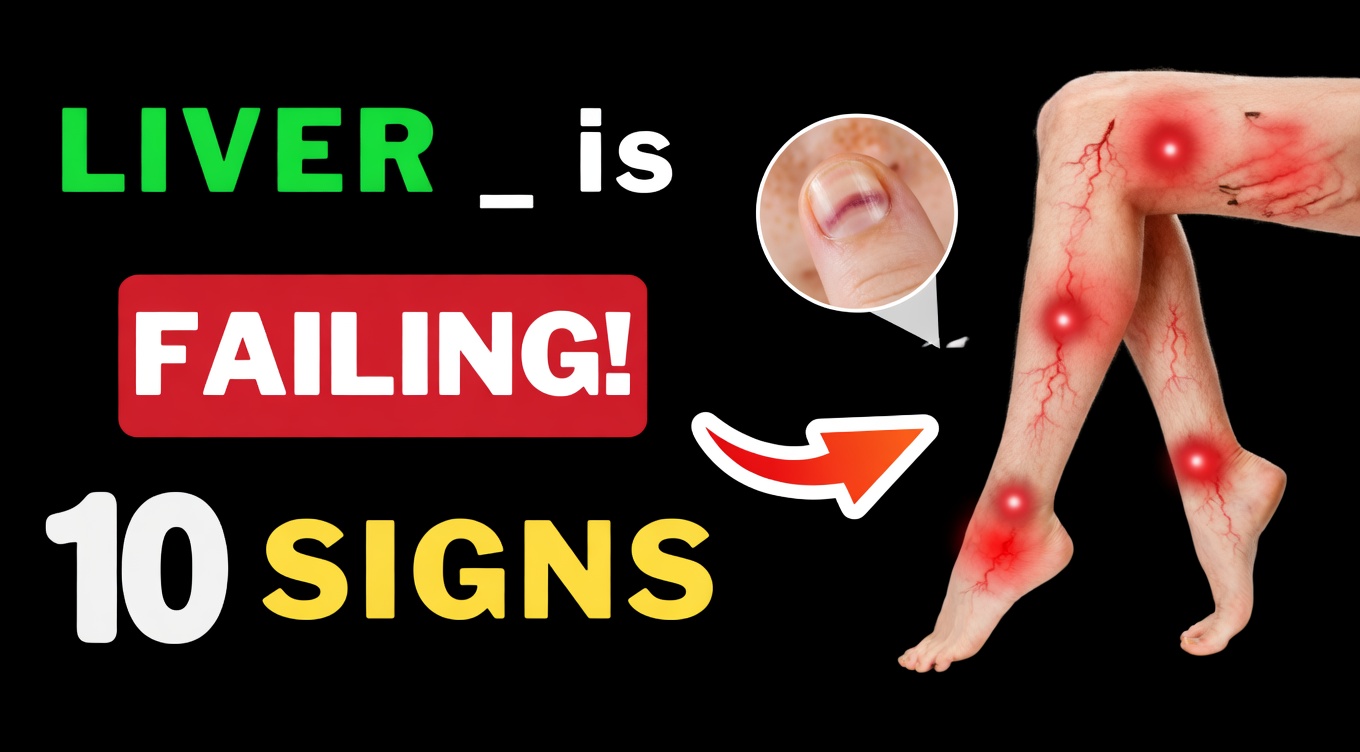
Practical Steps to Support Liver Health Starting Today
The encouraging news is that many fatty liver risk factors respond well to everyday lifestyle changes. Health authorities commonly recommend the following:
1. Improve your diet gradually
Focus on nutrient-dense foods such as:
- Vegetables
- Fruits in moderation
- Lean protein
- Whole grains
- Healthy fats like olive oil, nuts, and avocado
At the same time, try to cut back on:
- Added sugars
- Sugary drinks
- Refined carbohydrates
- Highly processed foods
2. Be more physically active
Aim for at least 150 minutes of moderate exercise each week. Brisk walking is a good example, and short sessions still count. What matters most is consistency.
3. Work toward a healthy weight
If you are overweight, losing even 5% to 10% of body weight gradually may significantly reduce liver fat, according to research. Fast or extreme dieting is not necessary. Steady progress is more sustainable.
4. Limit or avoid alcohol
Alcohol can add extra stress to the liver, even in moderate amounts. Reducing intake or avoiding it entirely may be beneficial, especially if fatty liver is already present.
5. Stay hydrated and watch portion sizes
Drinking enough water and eating reasonable portions can help reduce the body’s overall metabolic burden. Mindful eating can also make it easier to avoid overeating.
The Overlooked Link Between Daily Habits and Liver Health
Diet and exercise matter, but they are not the full story. Sleep quality, stress management, and limiting processed foods also influence liver health. Research continues to show that these daily factors affect fat storage, inflammation, and the body’s ability to repair itself.
In other words, liver wellness is shaped by the full pattern of your routine, not just one meal or one workout.
Final Thoughts: Pay Attention to Early Clues
Fatty liver disease often begins quietly before becoming more obvious. From low energy and abdominal discomfort to jaundice and swelling, these 10 signs can offer important clues that something is not right.
The good news is that early awareness can make a real difference. Balanced eating, regular movement, healthy weight management, and other consistent habits can provide meaningful support for your liver. Listening to your body sooner rather than later is one of the smartest steps you can take.
FAQ
What are the most common causes of fatty liver disease?
Frequent causes include excess body weight, diets high in sugar and refined foods, lack of exercise, and metabolic conditions such as insulin resistance. Genetics and some medications may also contribute.
Can fatty liver disease be reversed?
In many cases, liver fat can decrease with healthy lifestyle changes, especially when the condition is found early. Results vary from person to person, depending on the cause and severity.
When should I see a doctor?
You should speak with a healthcare professional if you have ongoing fatigue, repeated upper abdominal discomfort, appetite changes, or more serious symptoms such as jaundice, swelling, or unexplained itching. Proper testing is important for an accurate diagnosis.