
Staying Strong as You Age: Can Moringa Seeds Support Muscle Health?
As people grow older, it is common to feel a gradual drop in muscle strength and daily stamina. Activities that once felt easy, such as walking up stairs or carrying shopping bags, may start to require more effort. These age-related changes can affect mobility, confidence, and overall quality of life.
Nutrition can make a meaningful difference. Evidence shows that foods rich in protein, antioxidants, and essential minerals may help support muscle function over time. Among these options, moringa seeds have gained attention as a simple, natural addition to a balanced diet. If you are looking for practical ways to support strength and energy, moringa seeds may be worth considering.
Understanding Why Muscle Strength Declines With Age
As the years pass, the body naturally tends to lose muscle mass and power. This happens for several reasons, including:
- Lower physical activity levels
- Hormonal changes
- Reduced efficiency in using nutrients
- Increased inflammation and oxidative stress
Research also suggests that older adults often need more protein than younger individuals to help preserve muscle tissue. That means daily food choices become even more important with age.
The good news is that weakness does not have to be seen as unavoidable. Many people can better maintain mobility and vitality by combining regular movement with nutrient-dense foods.

Why Moringa Seeds Are Getting Attention
Moringa oleifera is a tropical plant often referred to as the “miracle tree” because of its impressive nutritional profile. While its leaves are widely known, the seeds also contain valuable nutrients that may help support overall wellness.
Some of the key reasons moringa seeds stand out include:
- Protein content: They supply essential amino acids needed for muscle repair and maintenance.
- Antioxidant compounds: Substances such as quercetin may help reduce oxidative stress, which is associated with aging.
- Important minerals: They provide nutrients like iron, calcium, and magnesium that contribute to energy production and general health.
Studies on moringa, including animal research, have shown promising effects related to endurance, inflammation, and physical performance in aging models. Human research is still developing, but the nutrient density of moringa seeds makes them an appealing option for people who want to naturally strengthen their diet.
How Moringa Seeds May Help Support Muscle Function
Moringa seeds may contribute to muscle health in several ways. Their amino acid profile is especially important because amino acids are the basic components the body uses to build and repair muscle tissue.
In particular, branched-chain amino acids such as leucine are known for their role in stimulating protein synthesis. This process is essential for helping muscles stay strong and resilient.
Moringa also contains antioxidants that may help limit oxidative stress, which is considered one factor behind age-related muscle decline. In addition, its anti-inflammatory properties could offer further support for recovery and physical function.
Animal studies have suggested that moringa extracts may improve endurance and assist skeletal muscle metabolism. While this does not make moringa a cure-all or a substitute for exercise, it may be a useful part of a broader healthy-aging routine.
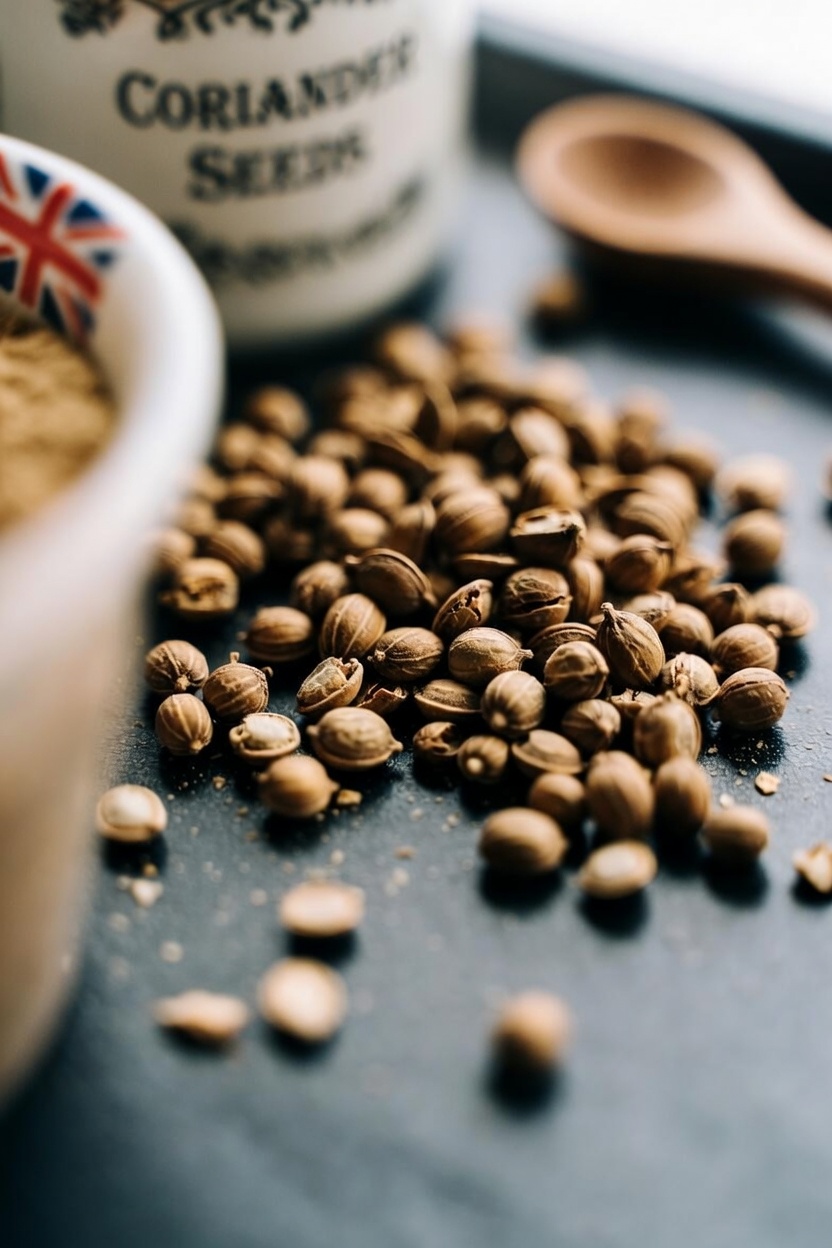
Easy Ways to Add Moringa Seeds to Your Diet
Using moringa seeds does not require a major lifestyle change. Starting with a small amount is usually the best approach so you can see how your body responds.
Here are some practical ways to include them in your routine:
-
Buy high-quality seeds
- Choose organic, dried moringa seeds from trusted brands or suppliers.
-
Begin with a small serving
- Start with about 3 to 5 seeds per day to test tolerance, especially if you are new to them.
-
Keep preparation simple
- You can chew them as they are, or soak them overnight and blend them into a smoothie.
-
Add them to meals
- Try mixing them into salads, yogurt, soups, or other dishes for an extra nutrient boost.
-
Combine them with movement
- Pairing nutritious foods with light resistance exercise, walking, or bodyweight training may provide better overall support for muscle health.
Many people find that when they consistently include nutrient-rich foods in their meals, they feel steadier and more energized over time.
How Moringa Seeds Compare With Common Foods
Based on general nutrition data, moringa seeds offer several advantages that make them stand out from more familiar foods:
- Protein: They can provide more protein per gram than many nuts, which may help meet muscle-supporting needs.
- Iron: In some comparisons, their iron content is higher than spinach, supporting oxygen transport and energy.
- Essential amino acids: They contain a complete amino acid profile, offering a plant-based option comparable in some ways to animal-derived protein sources.
Because of this, moringa seeds can be especially useful for people who follow plant-focused or mixed diets and want more variety in their nutrition.
Important Things to Know Before You Start
Although moringa seeds are nutrient-rich, they are not right for everyone in the same amount. Some people may notice mild digestive discomfort when first adding them to their diet.
Keep these points in mind:
- Start slowly rather than taking large amounts
- Pay attention to how your body reacts
- Speak with a healthcare professional if you take medication or manage a medical condition
- Focus on regular, moderate use instead of overconsumption
Long-term consistency usually matters more than taking too much at once.
Final Thoughts: A Small Habit That May Help You Stay Stronger
Maintaining muscle health with age depends on a few key habits: smart nutrition, regular activity, and consistency. Moringa seeds offer a concentrated source of protein, antioxidants, and minerals that may help support strength, endurance, and daily energy.
They are not a replacement for a healthy lifestyle, but they can be a helpful addition to one. By using them thoughtfully as part of a balanced routine, you may take a simple but meaningful step toward preserving independence and staying active longer.
Small daily choices can lead to lasting results.
FAQ
How many moringa seeds should I eat each day?
A common starting point is 3 to 5 seeds daily. If you tolerate them well, you can increase gradually while keeping intake moderate as part of a varied diet.
Can moringa seeds replace protein supplements?
Not entirely. Moringa seeds provide useful plant-based protein and other nutrients, but they work best alongside other protein sources such as beans, eggs, dairy, fish, or lean meat.
Are there any side effects?
Most people tolerate moringa seeds well, but some may experience mild stomach discomfort in the beginning. If symptoms continue, stop using them and consult a doctor.