How Common Pain Relievers May Affect Heart Health in Older Adults
Many seniors use over-the-counter pain medicine to ease daily aches, stiff joints, headaches, or lingering back pain. Because these products are easy to buy, they often become part of a routine for arthritis, minor injuries, and age-related discomfort. Yet growing research and clinical experience suggest that regular or long-term use of some pain relievers—especially non-steroidal anti-inflammatory drugs, or NSAIDs, such as ibuprofen and naproxen—may place extra stress on the cardiovascular system in adults over 60. Over time, they may contribute to higher blood pressure, fluid retention, and changes in heart function.
This topic matters even more with age, since the body handles medications differently over time and the heart is already going through natural changes. The positive news is that better awareness and a few simple adjustments can help protect heart health while still keeping pain under control.
Why These Medications Can Be a Concern for the Aging Heart
As the body gets older, the cardiovascular system can become more vulnerable to outside influences, including certain medications. Research has found that NSAIDs may sometimes raise blood pressure or cause the body to hold onto extra fluid, both of which can make the heart work harder. The American Heart Association and other health organizations have highlighted these possible risks, especially for older adults who use these drugs often.
What seems like a harmless pill for soreness can quietly affect important heart-related factors when taken repeatedly. Symptoms such as mild fatigue, swelling in the feet or legs, or small shifts in energy levels are not always linked to pain medicine right away, but they may be worth noticing.
Understanding the risks does not mean avoiding pain treatment altogether. It means making informed choices that support both comfort and long-term heart wellness.
Common Medications That May Influence Heart Health
Experts recommend extra caution with several types of products, particularly for adults over 65.
1. NSAIDs
This group includes:
- Ibuprofen, such as Advil or Motrin
- Naproxen, such as Aleve
- Other similar nonprescription anti-inflammatory drugs
Studies suggest these medicines may increase blood pressure or lead to fluid buildup, which can create additional strain on the heart.
2. Certain Decongestants
Cold and flu medications containing ingredients like pseudoephedrine can temporarily increase blood pressure. For older adults with existing heart concerns, this effect may be more important than many realize.
3. Some Supplements and High-Dose Vitamins
Certain herbal products or large doses of vitamins can interact with medications or influence blood pressure and heart function in unexpected ways.
Not everyone will have side effects, and short-term use under medical guidance is often appropriate. The biggest concerns usually involve how often the medicine is taken and how much is used.
Heart-Friendly Ways to Manage Pain
The good news is that there are several practical options for easing discomfort without putting unnecessary stress on the heart.
Talk with Your Doctor Before Using Pain Relievers Regularly
Before starting or continuing any medication, review your full health history and medication list with your doctor. A healthcare professional can help you find the lowest effective dose or recommend a safer alternative.
Consider Acetaminophen When Appropriate
For some people, acetaminophen may be a better first option for pain relief when NSAIDs raise concerns. It generally has less effect on blood pressure and fluid balance, though proper dosing is still essential.
Try Topical Pain Relief
Creams, gels, and patches with ingredients like diclofenac or capsaicin can target pain directly in one area. Because they act more locally, they may have fewer whole-body effects than oral medications.
Add Gentle Movement to Your Routine
Low-impact activity can reduce stiffness and improve joint comfort. Helpful options include:
- Walking
- Swimming
- Tai chi
- Light stretching
Regular movement may also reduce the need for frequent pain pills.
Choose More Anti-Inflammatory Foods
Diet can support comfort and overall wellness. Consider adding:
- Fatty fish rich in omega-3s
- Berries
- Turmeric
- Ginger
- Leafy green vegetables
These foods may help support a healthier inflammatory response while also benefiting the heart.
Everyday Habits That Help Build Heart Strength
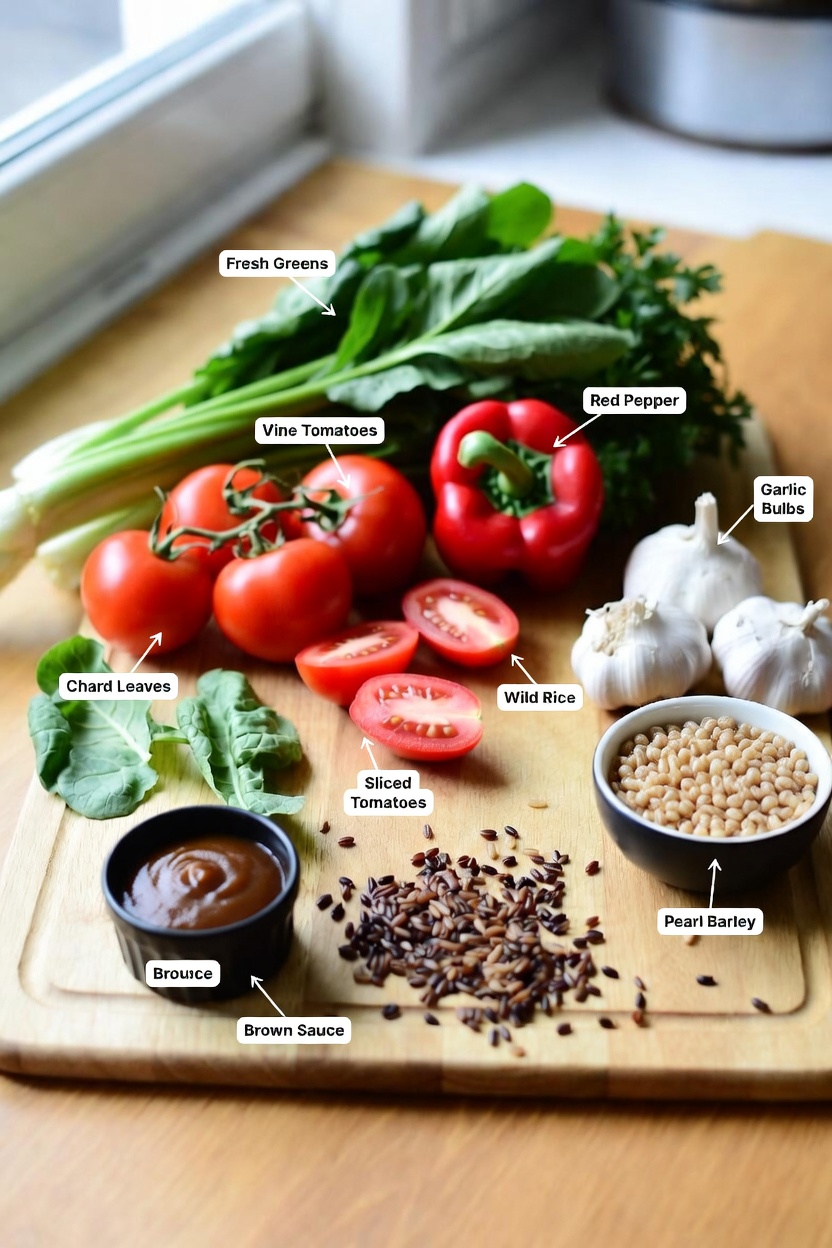
Medication choices matter, but daily routines also play a big role in heart resilience. Small steps can make a lasting difference.
- Stay hydrated: Drinking enough water supports healthy fluid balance.
- Check blood pressure at home: Regular monitoring can help catch changes early.
- Get enough sleep: Aim for 7 to 8 hours each night to support recovery and energy.
- Cut back on salt: Lower sodium intake can help keep blood pressure in a healthier range.
- Manage stress: Deep breathing, short walks, and calming routines can reduce tension that affects the cardiovascular system.
Research continues to show that thoughtful medication use, combined with healthy lifestyle habits, leads to better overall results.
What Research Says About Protecting the Heart
Reviews from major heart health organizations consistently note that some pain relievers come with possible cardiovascular risks, especially in older adults. At the same time, these risks can often be reduced through smart, preventive choices.
Common recommendations include:
- Use the lowest effective dose.
- Take the medication for the shortest time needed.
- Explore non-drug approaches before relying on pills regularly.
- Discuss all medications and supplements with a healthcare provider.
When older adults stay informed and work closely with their doctors, they can manage pain more safely while also supporting healthy heart function.
Final Thoughts
Protecting your heart does not mean living with unnecessary pain. It means choosing a safer, more sustainable approach to pain management. Start by reviewing your current routine with your doctor and asking whether gentler alternatives may be a better fit.
Small changes made today can lead to better mobility, improved energy, and greater peace of mind in the future.

Frequently Asked Questions
Is occasional NSAID use safe if I have heart concerns?
For many people, short-term occasional use may be acceptable. However, if you have high blood pressure, a history of heart failure, or take multiple medications, it is best to check with your healthcare provider first.
What should I do if I develop swelling or fatigue while taking pain relievers?
Swelling, tiredness, or sudden changes in how you feel may sometimes be linked to fluid retention or other medication effects. Contact your doctor promptly so your treatment plan can be reviewed and other possible causes can be ruled out.
Are there natural ways to relieve joint pain without medication?
Yes. Many people benefit from:
- Gentle exercise
- Heat or cold therapy
- Maintaining a healthy weight
- Eating anti-inflammatory foods
These approaches can ease discomfort and support overall well-being without relying only on pills.