6 Common Garlic Mistakes Seniors Make and How to Avoid Them
Many older adults love using garlic in everyday meals. It adds rich flavor and has been associated with several health-supporting effects in scientific research. Still, after age 60, the body may respond differently to certain foods and active compounds. With garlic, a few common habits can lead to stomach discomfort, medication concerns, or even noticeable changes in breath and sleep quality.
The encouraging part is that these problems can usually be prevented with simple, practical changes.
In this guide, you’ll learn six often-overlooked garlic mistakes seniors make, along with easy ways to enjoy garlic more safely and comfortably. Be sure to read through to the final tip, because it may have the biggest impact on your daily routine.
Why Garlic Needs More Attention After 60
Studies published in sources such as Advances in Therapy and Nutrition Reviews have examined how garlic’s sulfur-rich compounds, especially allicin, affect the body. These compounds may offer interesting benefits, but they can also irritate the digestive tract, slightly reduce blood clotting, and influence how some medications are processed.
As we get older, those effects may become easier to notice.
That does not mean seniors should avoid garlic altogether. It simply means using garlic more carefully and intentionally.
Mistake #1: Eating Too Much Raw Garlic on an Empty Stomach
When garlic is crushed or chopped, allicin is released rapidly. Younger people may tolerate that well, but many adults over 60 find raw garlic harsher on the stomach.
Common reactions can include:
- A burning feeling in the stomach
- Heartburn that lingers for hours
- Nausea, sometimes even the next day
A Better Way
Begin with a very small amount, around 1/4 to 1/2 clove per day, and never eat raw garlic by itself on an empty stomach. Pair it with food that contains some fat or protein, such as:
- Yogurt
- Avocado toast
- Soup stirred in after cooking
- A spread or dip served with a meal
This simple step helps protect the stomach lining and often reduces irritation significantly.
Mistake #2: Using Garlic Supplements Without Informing Your Doctor
Garlic supplements are widely used because they are easy to take and often have less odor than fresh garlic. However, they are not risk-free, especially for seniors taking prescription medication.
Garlic supplements may interact with common medications such as:
- Blood thinners like warfarin, apixaban, and rivaroxaban
- Antiplatelet medicines such as clopidogrel or high-dose aspirin
- Certain blood pressure medications
Research discussed in the Journal of Nutrition suggests garlic compounds may have a mild blood-thinning effect. When combined with prescribed drugs, that effect can become more important.
What to Do Instead
Bring the supplement bottle or label to your next appointment with your doctor or pharmacist and ask:
“Is this safe with the medications I take now?”
If you use blood-thinning medicine or heart medication, do not start or stop a garlic supplement on your own.
Mistake #3: Keeping Chopped or Crushed Garlic for Too Long
Once garlic is chopped or crushed, allicin starts to form, but it also begins breaking down fairly quickly into other sulfur compounds. If chopped garlic sits out at room temperature for more than 10 to 15 minutes, or stays in the refrigerator for longer than a day, it may become harder on the digestive system.
There is also a more serious issue to keep in mind. Garlic stored in oil at room temperature can create conditions that allow botulism to develop. Although rare, this is a serious food safety risk.
Smarter Storage Habits
- Chop or crush garlic only when you are ready to use it
- If you prep it ahead of time, refrigerate it and use it within a few hours
- Never leave chopped garlic in oil at room temperature
- If storing garlic in oil, freeze it immediately in small portions
These small precautions help preserve quality while reducing digestive and food safety concerns.
Mistake #4: Cooking Garlic at High Heat for Too Long
Many people add garlic early in the cooking process, but intense heat can quickly destroy allicin and other valued sulfur compounds. Frying or sautéing garlic for more than 2 to 3 minutes can greatly reduce the compounds many people hope to benefit from.
A Better Cooking Method
To preserve more of garlic’s active compounds while still getting great flavor:
- Add minced or crushed garlic during the final 1 to 2 minutes of cooking
- Use roasted whole garlic for a milder, sweeter option
- Spread roasted garlic on bread or mash it into vegetables
Roasted garlic is often easier on the stomach than raw garlic, making it a good option for seniors with sensitive digestion.
Mistake #5: Not Understanding the Difference Between Fresh Garlic and Aged Garlic Extract
Not all garlic products work the same way in the body. Fresh raw garlic and aged garlic extract, often called AGE, are quite different.
Aged garlic extract is made by aging garlic under controlled conditions for several months. Reviews published in Phytotherapy Research suggest that AGE may be easier on the stomach and may have a gentler effect on blood pressure and platelet activity than fresh raw garlic.
Quick Comparison
-
Fresh raw garlic
- Strong taste
- Rapid allicin release
- Higher chance of stomach irritation
-
Aged garlic extract
- Milder and more processed
- Designed to reduce irritation
- Often better tolerated by older adults
If fresh garlic causes stomach discomfort, a high-quality aged garlic extract may be a useful alternative. As always, check with your doctor before making the switch.
Mistake #6: Eating Garlic Too Close to Bedtime
Garlic’s sulfur compounds are partly released through the lungs. That is why eating a lot of garlic in the evening can lead to strong morning breath. For some seniors, it may also trigger mild reflux when lying down at night.
If you already deal with occasional heartburn or disrupted sleep, late-night garlic may make the problem worse.
Simple Fix
Try to eat your largest garlic-containing meal earlier in the day. If you want garlic with dinner:
- Choose cooked or roasted garlic instead of raw
- Keep the amount moderate
- Aim for about 1 to 2 cloves total in the meal
This can reduce reflux risk and make sleep more comfortable.
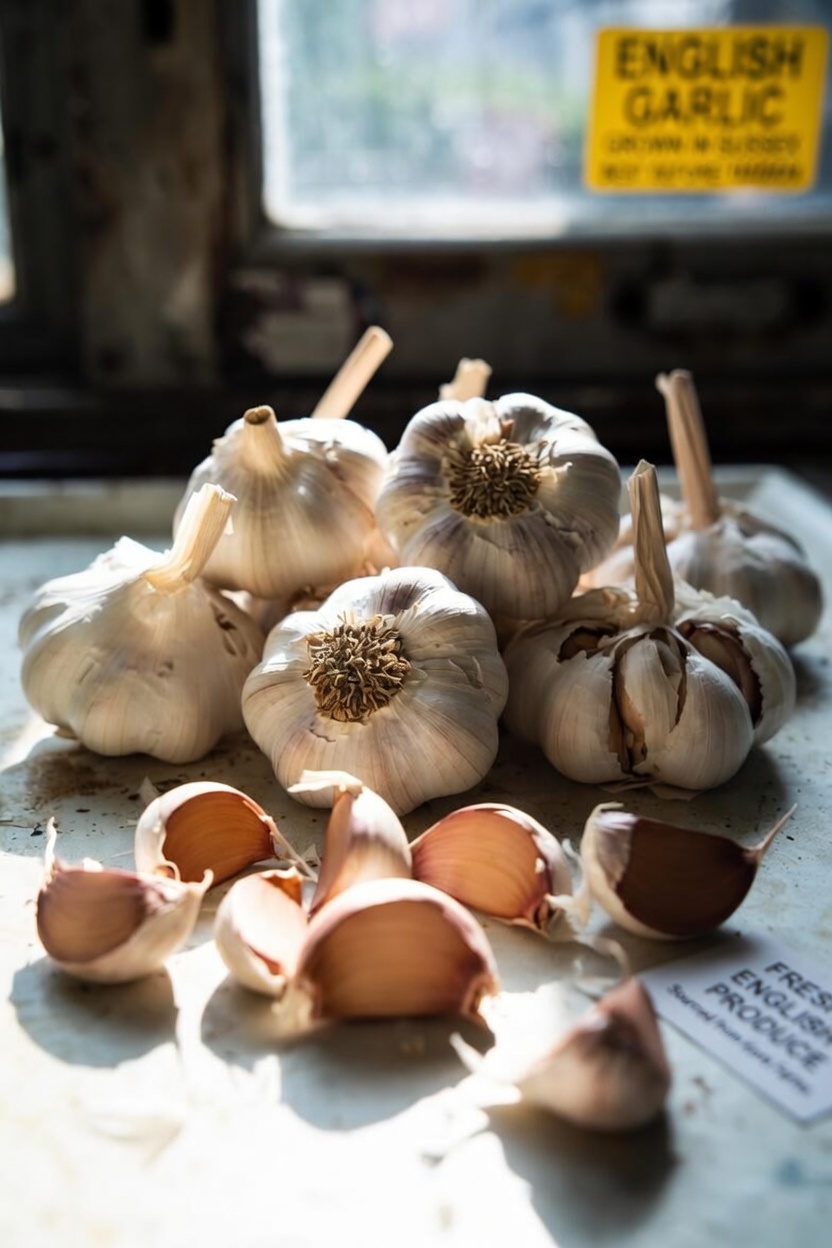
Quick Garlic Checklist for Seniors
Use this simple reference to enjoy garlic more safely:
- Start with small amounts: 1/2 clove raw or 1 to 2 cloves cooked per day
- Always eat garlic with food, not on an empty stomach
- Tell your doctor about any garlic supplements you use
- Chop garlic right before use instead of storing it long-term
- Add garlic near the end of cooking when possible
- Consider aged garlic extract if fresh garlic causes discomfort
- Save larger portions for lunch or an early dinner
Final Thoughts
Garlic can still be a delicious and supportive part of your diet in your 60s, 70s, and beyond. The key is paying attention to portion size, preparation method, timing, and your body’s response. Often, small adjustments, such as adding garlic later in cooking or choosing gentler forms, make a big difference in comfort.
Pay attention to your digestion, keep your healthcare provider informed, and make gradual changes until you find the approach that works best for you.
Frequently Asked Questions
Is it safe for seniors to eat garlic every day?
Yes, in moderate amounts, garlic is usually well tolerated. A daily intake of 1 to 2 cooked cloves or a small amount of raw garlic eaten with food is generally reasonable. Start slowly and monitor how you feel.
Can garlic help lower blood pressure naturally?
Some studies suggest garlic, especially aged garlic extract, may offer mild support for healthy blood pressure. However, it should never replace prescribed treatment. Always follow your doctor’s recommendations for blood pressure management.
How can I reduce garlic breath?
These strategies may help:
- Eat parsley or mint after meals
- Try apples or lemon
- Brush your teeth thoroughly
- Use mouthwash
- Choose cooked garlic instead of raw whenever possible
Cooked garlic tends to cause much less odor than raw garlic.