Datura Stramonium: Benefits, Traditional Uses, and Serious Safety Risks
Datura stramonium, widely recognized as Thorn Apple, Jimsonweed, or Devil’s Trumpet, is one of the most intriguing and hazardous medicinal plants in the world. It belongs to the nightshade family and has a long history in traditional healing, ceremonial practices, and hallucinogenic use. Although it has been valued for certain therapeutic effects, it is equally known for its high toxicity and potentially life-threatening consequences.
This article explores the botanical profile of Datura stramonium, its traditional medicinal applications, and the major dangers associated with its use.
Botanical Profile of Datura Stramonium
Here are the key botanical facts about this plant:
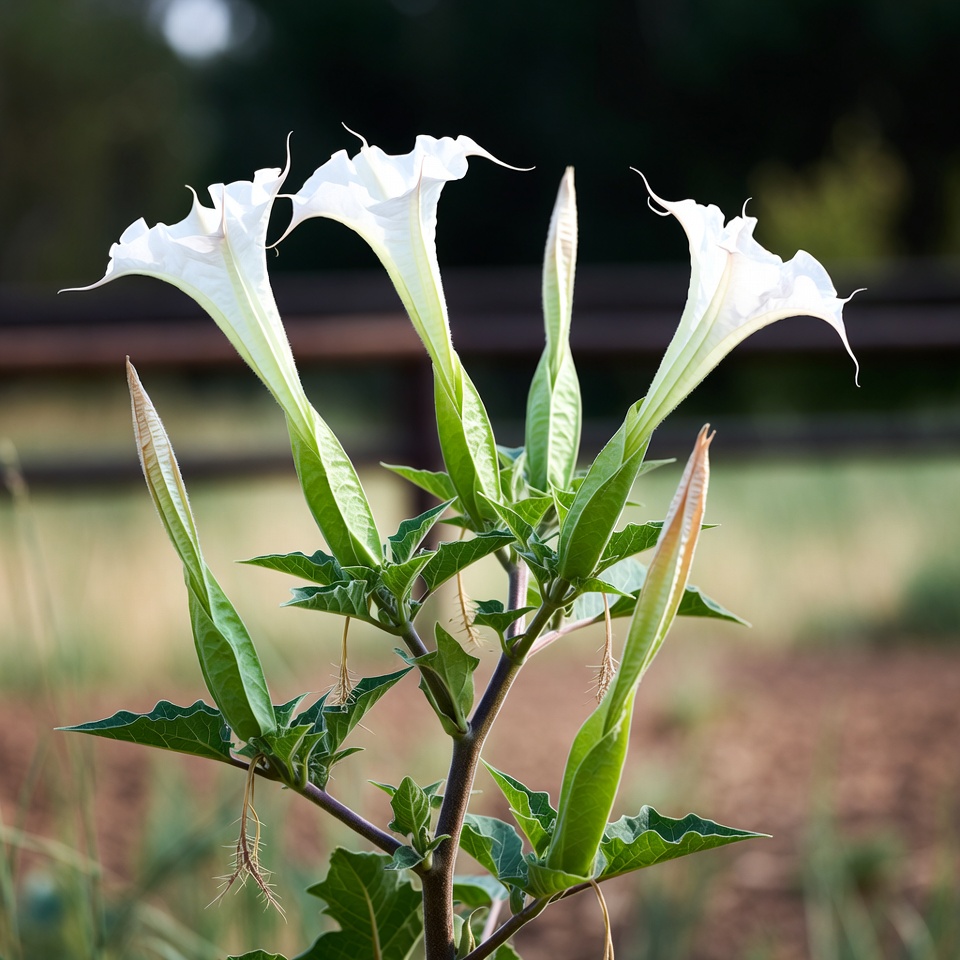
- Scientific name: Datura stramonium
- Common names: Thorn Apple, Jimsonweed, Devil’s Snare, Moonflower
- Plant family: Solanaceae, also known as the nightshade family
- Native range: Originally from North and South America, but now naturalized in many parts of the world
- Distinctive features: Sharp, spiny seed capsules, large trumpet-like blooms, and strong psychoactive properties
Datura is visually striking, but its appearance should never be mistaken for safety. Every part of the plant contains potent compounds that can be dangerous.
Traditional and Medicinal Uses of Datura Stramonium
For centuries, Datura stramonium has appeared in folk medicine and traditional systems of healing. Its use has often been highly controlled because of its strength.
1. Respiratory Support
Historically, Datura was used to help open the airways.
- It was traditionally valued as a bronchodilator for easing symptoms linked to asthma and chronic bronchitis
- In some traditional practices, small quantities were smoked to reduce congestion and support breathing
This use was based on the plant’s active alkaloids, which may relax certain muscles in the respiratory tract.
2. Pain Relief and Muscle Relaxation
Datura contains naturally occurring compounds such as atropine and scopolamine, which have strong physiological effects.
- These alkaloids were traditionally used for their analgesic and antispasmodic properties
- In Ayurvedic medicine, the plant has been applied for issues such as:
- Joint pain
- Muscle spasms
- Neuralgia
Because of its potency, even traditional use required extreme caution.
3. Sedative Effects and Sleep Support
In certain cultures, carefully measured doses of Datura were used for calming purposes.
- It has been employed in traditional remedies for insomnia
- Some historical uses also include support for anxiety relief
- These effects are linked to its influence on the central nervous system
However, the line between a sedative effect and poisoning is very narrow.
4. Wound Care and Anti-Inflammatory Use
External application of the plant has also been part of folk medicine.
- Crushed or prepared Datura leaves have been used topically for:
- Wounds
- Boils
- Minor skin infections
- Its anti-inflammatory action was believed to help reduce:
- Swelling
- Irritation
- Local discomfort
Topical use is often considered less risky than internal use, but it still requires caution.
5. Spiritual and Ritual Use
Beyond medicine, Datura stramonium has held a place in spiritual traditions.
- It has been used in shamanic ceremonies and ritual settings in different cultures
- The plant was believed to trigger:
- Visions
- Altered states of consciousness
- Deep spiritual experiences
Its hallucinogenic effects made it significant in ritual contexts, but those same effects are also responsible for many cases of poisoning.
Dangers and Toxicity of Datura Stramonium
Despite its historical medicinal use, Datura stramonium is highly toxic and should be handled with extreme care.
Major Risks
- Consuming large amounts can lead to severe poisoning
- Toxic reactions may include:
- Hallucinations
- Confusion
- Seizures
- Delirium
- Death in extreme cases
Common Overdose Symptoms
Signs of Datura toxicity may include:
- Dry mouth
- Rapid heartbeat
- Blurred vision
- Intense thirst
- Mental confusion
- Delirium
Because the plant’s alkaloid content can vary greatly, there is no reliable “safe” self-administered dose.
How to Use Datura More Safely
Datura is not suitable for casual or unsupervised use. If it is considered at all, professional guidance is essential.
Safer Traditional Approaches
- Topical application: Crushed leaves have sometimes been used externally for localized pain relief
- Highly diluted extracts: Some traditional systems use very diluted preparations under expert supervision
- Avoid ingestion: Without professional medical or herbal supervision, Datura should not be consumed in any form
Self-medication with Datura can be extremely dangerous and is strongly discouraged.
Final Thoughts on Datura Stramonium
Datura stramonium is a remarkable but dangerous plant. It has a long legacy in traditional medicine, pain relief, respiratory support, and spiritual ritual, yet its toxic nature makes it one of the riskiest herbal substances to use.
While it does have recognized medicinal potential, the dangers associated with improper use are serious. Anyone considering Datura for any purpose should first speak with a qualified doctor, medical herbalist, or other trained professional.
Key Takeaway
Datura stramonium may offer therapeutic benefits, but its toxicity demands extreme caution. Respect for the plant, informed guidance, and avoidance of self-treatment are essential.