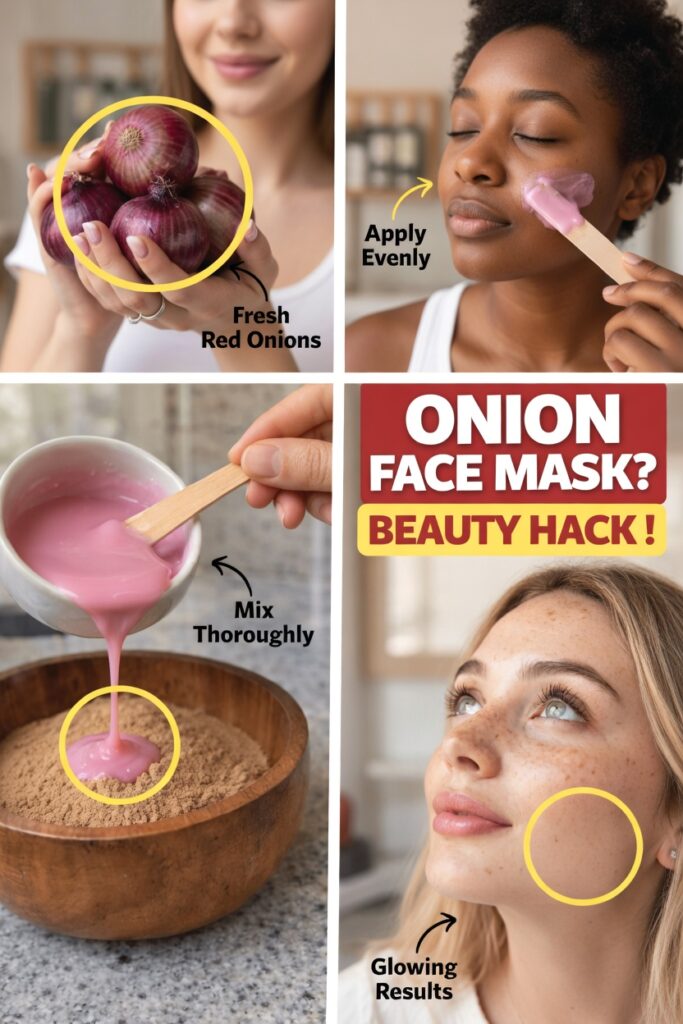
Red Onion Juice for Skin: A Simple Natural Option for Brighter, Smoother-Looking Skin
As time passes, many people begin to notice fine lines, patchy skin tone, or darker areas that make the face appear tired and less radiant. Daily sun exposure, the natural aging process, and lifestyle habits can all contribute to skin that looks dull and feels less firm. Fortunately, some everyday kitchen staples may offer gentle support for a healthier-looking complexion, and red onions are one of the most interesting options.
What if an ordinary ingredient sitting in your kitchen could become part of an easy at-home skincare routine? Red onion juice has gained attention for its plant-based compounds and its potential role in supporting brighter, fresher-looking skin. Below, we’ll look at why red onions are worth considering, what science currently suggests, and how to prepare and use them safely at home.
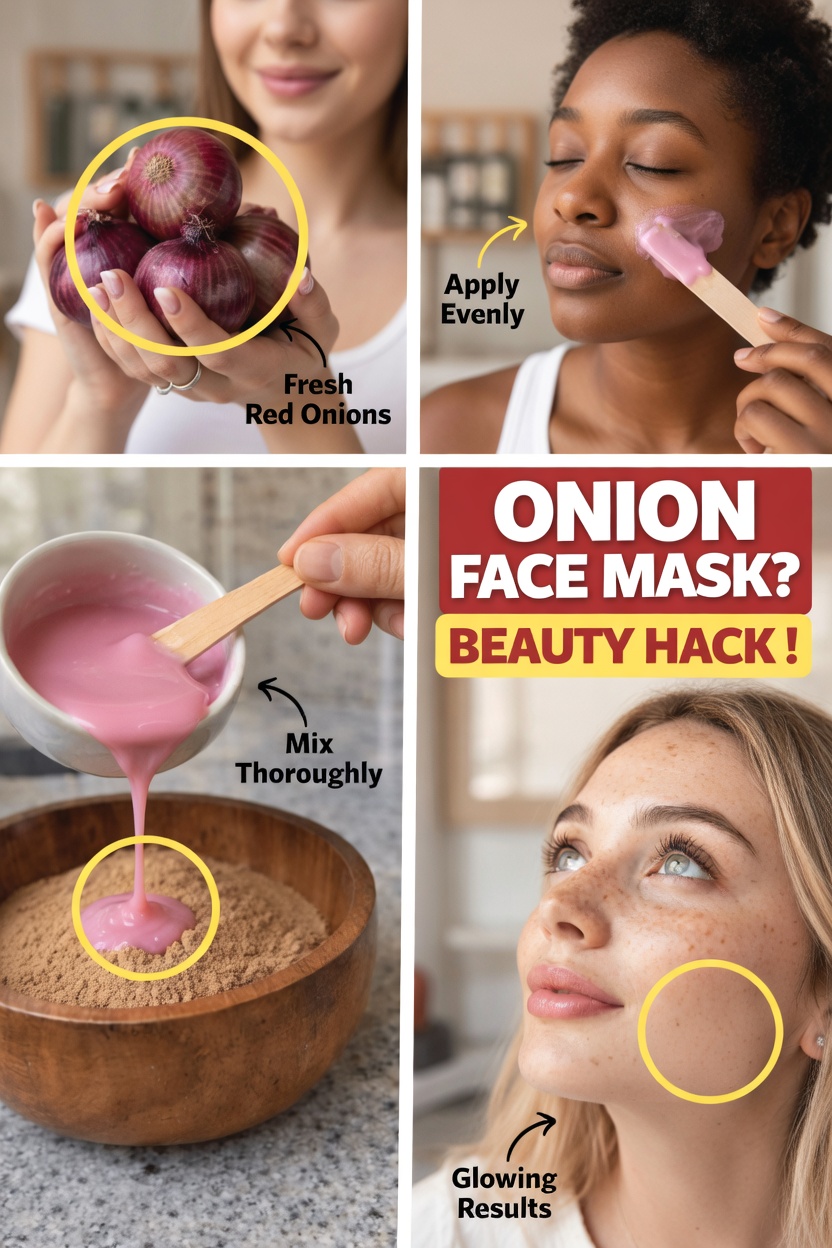
Why Red Onions Are Interesting for Skincare
Red onions, known scientifically as Allium cepa, contain a variety of beneficial natural compounds. One of the most studied is quercetin, a powerful antioxidant found in especially high amounts in red onions and their outer layers.
Antioxidants help defend the skin against free radicals, which are unstable molecules associated with visible aging, including fine lines and loss of vibrancy. Quercetin has also been studied for its possible role in supporting the skin’s natural recovery processes.
Red onions also contain vitamin C, which is important for collagen support. Collagen is the structural protein that helps skin stay firm, smooth, and supple. In addition, sulfur compounds found in onions may provide mild antibacterial effects, which can be useful for maintaining balanced skin.
Although outcomes can differ from person to person, these nutrients make red onion juice a promising natural addition to a simple skincare routine.
Potential Skin Benefits of Red Onion Juice
Current research and early findings suggest several possible ways red onion juice may support the skin.
1. May Help Brighten the Complexion
The antioxidant content of red onions, along with their vitamin C, may help improve the appearance of uneven tone over time. Some studies on onion-derived extracts suggest they may assist in reducing the look of discoloration through gentle, gradual effects.
2. May Reduce the Appearance of Fine Lines
By helping to neutralize free radicals, compounds such as quercetin may support skin elasticity and smoother texture. This makes red onion juice an interesting ingredient for people exploring natural anti-aging skincare.
3. May Help Fade the Look of Dark Spots
Quercetin and other phenolic compounds found in red onions may play a role in limiting processes linked to excess melanin production. This could potentially help soften the appearance of pigmentation and dark patches.
4. May Support Healthier-Looking Skin Overall
When applied topically, red onion juice may help promote a fresher glow. Its anti-inflammatory properties may also calm occasional redness, while improved surface circulation can contribute to a more revived appearance.
It is important to keep expectations realistic. Much of the available evidence comes from laboratory studies, animal research, or limited human trials. More clinical research is still needed.
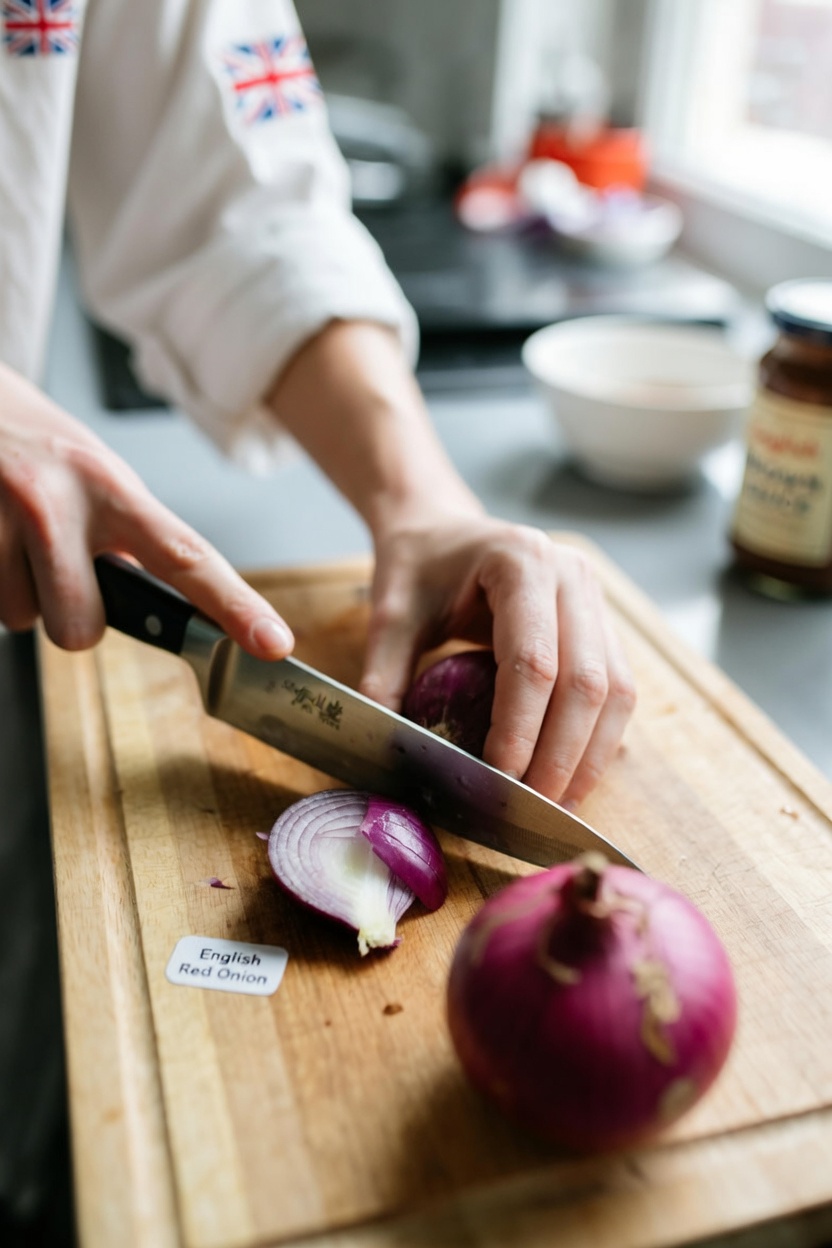
How to Make Red Onion Juice at Home
Preparing red onion juice is simple and requires only a few basic kitchen tools.
What You Need
- 2 to 3 medium fresh red onions
- A knife and cutting board
- A blender
- A fine strainer or cheesecloth
- A clean glass jar for storage
Step-by-Step Preparation
- Select fresh red onions, ideally with a deep purple-red color, as these may contain more quercetin.
- Remove the dry outer layers and wash the onions thoroughly.
- Cut them into small chunks to make blending easier.
- Blend until smooth. If necessary, add a small splash of water to help the process.
- Strain the mixture through a fine mesh strainer or cheesecloth to collect the juice.
- Pour the juice into a clean glass container and refrigerate it.
- Use within 3 to 4 days for best freshness.
If you want a milder version, combine the juice with soothing ingredients such as honey or yogurt before applying it to the skin.
Easy Red Onion Juice Face Mask Recipes
These simple DIY masks can help you try red onion juice in a more balanced and skin-friendly way.
Basic Brightening Mask
Ingredients
- 1 tablespoon fresh red onion juice
- 1 tablespoon raw honey
How to use
- Mix the two ingredients well.
- Apply to clean skin, avoiding the eye area.
- Leave it on for 10 to 15 minutes.
- Rinse with lukewarm water.
Suggested frequency
- 2 to 3 times per week
Soothing Yogurt Mask
Ingredients
- Equal parts red onion juice and plain yogurt
Why it works
Yogurt contains lactic acid, which offers gentle exfoliation while helping calm the skin.
How to use
- Blend the ingredients together.
- Apply evenly to the face.
- Leave on for about 15 minutes.
- Rinse thoroughly.
Honey and Aloe Blend
Ingredients
- 1 teaspoon red onion juice
- 1 tablespoon aloe vera gel
- 1 teaspoon honey
Why it works
This combination helps hydrate the skin while adding antioxidant support and soothing benefits.
How to use
- Stir the ingredients until smooth.
- Spread a thin layer on the face.
- Leave it on briefly, then rinse well.
Patch Testing Is Essential
Before applying red onion juice to your face, always do a patch test.
How to patch test
- Apply a small amount of the mixture to the inside of your arm.
- Wait 24 hours.
- Check for stinging, redness, itching, or irritation.
If your skin reacts badly, do not use it on your face.
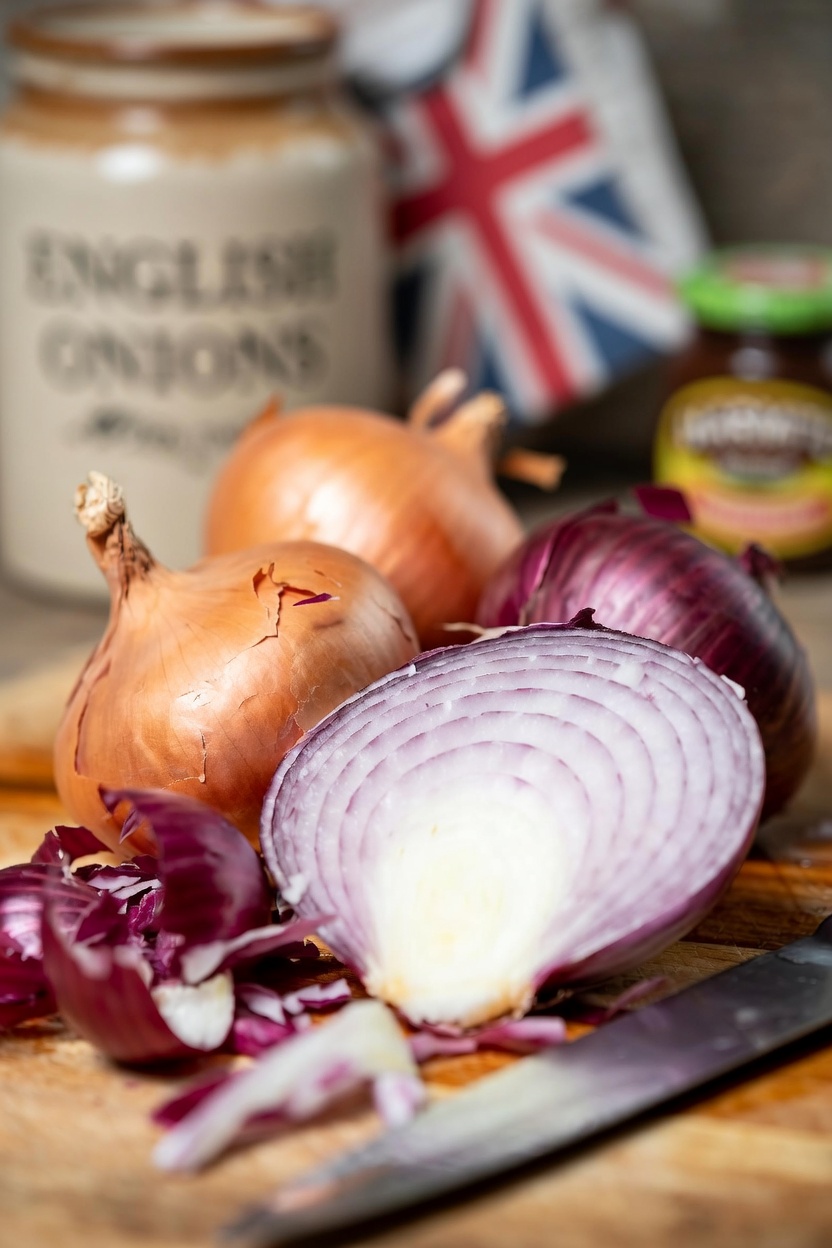
Tips for Using Red Onion Juice Safely
To get the best experience while reducing the risk of irritation, keep these tips in mind:
- Begin slowly, using it once or twice a week at first.
- Dilute the juice if your skin is sensitive.
- Avoid using pure onion juice on easily irritated skin.
- Apply it in the evening if you are concerned about the smell.
- Use sunscreen every day, since natural skincare does not replace UV protection.
- Be consistent, as visible changes usually take time.
Ingredients That Pair Well With Onion Juice
You can customize red onion juice with other common skincare ingredients to make it gentler or more effective for your needs.
- Honey: Helps moisturize and adds mild antibacterial support
- Yogurt: Provides gentle exfoliation and a soothing effect
- Aloe vera: Calms irritation and boosts hydration
- Lemon: Adds extra vitamin C, but should be used sparingly because it may irritate sensitive skin and increase photosensitivity
What Research Says About Onion Extract and Skin
Scientific interest in onion-based skincare is growing. Dermatology sources have noted the use of onion extract in scar gels because of its antioxidant and anti-inflammatory properties. Red onion skins, which are particularly rich in quercetin, have shown encouraging results in laboratory studies related to brighter and firmer-looking skin.
Some research on fermented onion extracts has also suggested potential effects on enzymes associated with photoaging. However, strong human evidence is still limited, so these findings should be viewed as promising rather than conclusive.
Final Thoughts
Red onion juice is an affordable and natural ingredient that may help support the skin thanks to its antioxidants, vitamin C, and sulfur compounds. It is not a miracle solution, but when used carefully and consistently, it may contribute to a smoother, more radiant appearance over time.
If you decide to try it, start gently, patch test first, and observe how your skin responds. In skincare, small and steady habits often make the biggest difference.
FAQ
How often can I use onion juice on my face?
Most people begin with 2 to 3 applications per week. If your skin tolerates it well, you may continue at that pace. Always pay attention to signs of irritation.
Can red onion juice help with dark spots?
Some studies suggest that onion-derived antioxidants may help reduce the appearance of pigmentation over time. Results can vary depending on skin type and consistency of use.
Is onion juice irritating for the skin?
Yes, it can be, especially for sensitive skin. Some people experience stinging, redness, or discomfort. That is why dilution and patch testing are strongly recommended.