How to Support Enamel Naturally and Keep Teeth Stronger Over Time
Noticing the first signs of tooth sensitivity or slight discoloration can be unsettling. Many people worry that a small weak spot in the enamel could eventually turn into a bigger dental problem. Concerns about pain, dental appointments, missed time from normal routines, or even the noise of dental instruments can make the situation feel more stressful.
Daily habits can also work against your teeth more than you realize. Constant snacking or regularly drinking acidic beverages can disrupt the mouth’s natural balance, making it harder for enamel to stay protected. The good news is that your body already has a built-in defense system. Scientific research shows that saliva, along with a few smart everyday habits, helps protect and reinforce enamel through a natural mineral-repair process. This guide covers practical, research-backed strategies you can start using right away, including one simple tip at the end that many people overlook.
How Teeth Naturally Stay Strong
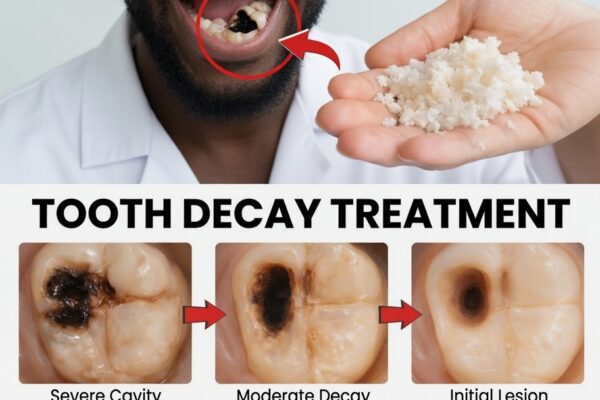
Teeth are always going through a cycle of mineral loss and mineral recovery. Saliva plays a major role in this process. When acids from foods, drinks, or oral bacteria lower the pH inside the mouth, important minerals such as calcium and phosphate can leave the enamel. When the environment becomes more balanced again, saliva helps return those minerals to the tooth surface.
Organizations such as the National Institute of Dental and Craniofacial Research have noted that this process, known as remineralization, happens every day. With the right habits, you can support it more effectively.
It is important to remember, however, that once decay moves beyond the earliest enamel stage, home care is no longer enough. At that point, professional dental treatment is necessary. The goal here is to help protect overall oral health and support enamel before problems progress.
Why Your Diet Has a Bigger Effect Than You May Expect
Everything you eat and drink affects the conditions inside your mouth. Cutting back on sugary and starchy foods reduces the fuel that acid-producing bacteria rely on. That gives saliva a better chance to do its job and support enamel repair. Research consistently connects balanced nutrition with better long-term tooth strength.
Foods That Help Support Enamel
-
Calcium-rich foods
Dairy products such as yogurt and cheese provide calcium and phosphate, both essential for enamel support. Cheese is especially helpful because it can increase saliva flow and help neutralize acids after meals. -
Phosphorus-containing foods
Eggs, fish, nuts, and lean meats supply minerals that contribute to the tooth’s natural rebuilding process. -
Vitamin D sources
Fatty fish, fortified foods, and sensible sun exposure help the body absorb and use minerals more effectively for oral health. -
Crunchy, fiber-rich produce
Foods like apples, carrots, and celery can help clean the teeth naturally while also encouraging saliva production.
Foods and Drinks to Limit
Frequent exposure to the following can shift the mouth toward mineral loss:
- Sugary snacks
- Soda
- Acidic drinks such as citrus juices
- Vinegar-heavy foods and beverages
Reducing how often you consume these items can make a real difference, especially when combined with good oral care.
Daily Oral Hygiene Habits That Make a Difference
A consistent oral care routine is one of the strongest ways to help your teeth defend themselves. Brushing twice a day with fluoride toothpaste remains one of the most thoroughly studied methods for supporting remineralization. Fluoride strengthens enamel by helping create a surface that is more resistant to acid.
A Simple Daily Routine to Follow
-
Brush twice a day for two minutes
Use a soft-bristled toothbrush and fluoride toothpaste. Brush gently in the morning and again before bed. -
Floss once every day
Flossing removes plaque and food particles from between teeth, where a toothbrush cannot reach. -
Rinse with water after acidic foods or drinks
This can help clear residue from the mouth and reduce how long acids stay in contact with enamel. -
Chew sugar-free gum after meals
Gum made with xylitol is especially useful because it boosts saliva flow and may help lower harmful bacteria levels.
Xylitol is a natural sweetener found in some gums and mints. Unlike sugar, it does not feed cavity-causing bacteria, which helps support a healthier oral environment.

Small Lifestyle Changes That Support Better Oral Health
Long-term benefits often come from simple adjustments. Drinking enough water throughout the day helps keep saliva production steady. Saliva is essential because it washes away particles, helps balance acids, and carries minerals back to the teeth.
Another helpful habit is avoiding constant snacking. Giving your mouth longer breaks between meals allows the pH to return to a healthier level, which gives remineralization more time to work.
Some people also try oil pulling with coconut oil as an added traditional practice. While research findings are mixed, it is generally considered safe as an extra step for many people. Still, it should never replace brushing, flossing, or regular dental care.
Helpful Habits vs. Harmful Habits
Habits That Help
- Eating meals rich in minerals
- Using fluoride toothpaste or other fluoride products
- Chewing xylitol gum after eating
- Drinking water regularly
Habits That Can Work Against You
- Frequent sugary or acidic snacks and drinks
- Inconsistent brushing and flossing
- Dry mouth caused by dehydration
- Reduced saliva flow linked to certain medications
When It’s Time to See a Dental Professional
Healthy habits at home are valuable, but they do not replace regular dental visits. A dentist can identify early signs of enamel changes and recommend the best next steps based on your specific needs. In some cases, professional treatments such as fluoride applications may be advised to give your teeth extra support.
Early guidance matters. The sooner small issues are identified, the easier they usually are to manage.

Final Thoughts: Start Small and Stay Consistent
You do not need to completely change your lifestyle to better support your teeth. Lasting results often come from a few steady habits: choosing foods that supply key minerals, using fluoride products, staying hydrated, and encouraging saliva production with options like xylitol gum.
Your mouth already has natural systems designed to protect enamel. By making thoughtful choices each day, you help those systems work more effectively. The most important step is to begin now and remain consistent.
Frequently Asked Questions
Can early enamel problems improve with better daily habits?
Yes. In many cases, early enamel changes can be supported through remineralization when diet and oral hygiene improve. Dental research suggests that good daily habits may help maintain or strengthen enamel in its earliest stages.
Do I need fluoride if I prefer a more natural approach?
Fluoride is naturally present in water and certain foods, and it is widely recommended in toothpaste because of its well-established role in strengthening enamel. For those exploring other options, alternatives such as hydroxyapatite are also available.
How long does it take to notice results?
The timeline is different for each person. However, consistent habits over several weeks or months, along with regular dental check-ups, often lead to better oral health and improved enamel support.