
A Simple Seed-and-Water Habit to Support Better Digestion
Many people deal with occasional bloating, irregular bowel movements, or a heavy, uncomfortable feeling after eating. This is especially common when life gets hectic and meals rely more on processed foods than whole ingredients. Even mild digestive discomfort can affect your energy, mood, and overall sense of wellness during the day.
The encouraging part is that a few natural, plant-based additions may help support easier digestion and greater gut comfort without requiring drastic changes.
In this article, you’ll learn how a simple habit—adding one spoonful of fiber-rich seeds to water—may help your digestive system feel lighter and more balanced. At the end, you’ll also find an easy step-by-step method to try it yourself, plus practical tips to make the habit sustainable.

Why Digestive Health Deserves More Attention
Your digestive system influences far more than just what happens after a meal. When your gut is functioning well, it helps your body absorb nutrients, supports immune function, and can even affect focus and mental clarity. When digestion feels slow or sluggish, many people also notice a drained, “stuck” kind of energy.
Plant fiber plays an important role in maintaining regular digestion. There are two main types:
- Soluble fiber absorbs water and forms a gel-like texture.
- Insoluble fiber adds bulk to stool and helps it move through the intestines more efficiently.
Research suggests that getting enough fiber on a consistent basis can promote regular bowel movements and reduce occasional constipation.
However, many adults do not reach the commonly recommended 25 to 30 grams of fiber per day. That is why simple daily habits can make a meaningful difference.
How Fiber-Rich Seeds May Help the Gut
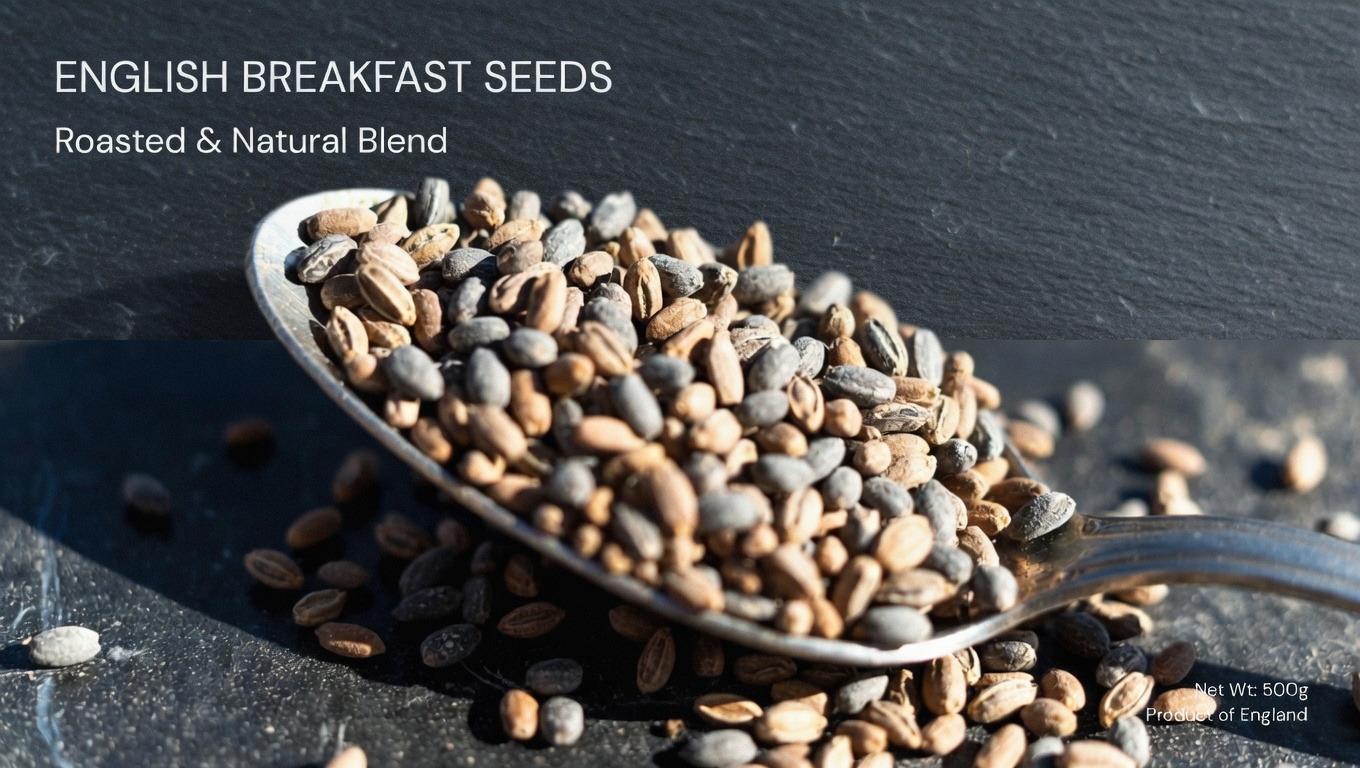
Certain seeds, including chia seeds, flaxseeds, and psyllium husk, are widely recognized for their fiber content and digestive benefits. Although small in size, they contain a powerful combination of soluble fiber, insoluble fiber, healthy fats, and beneficial nutrients.
Here is how each one may support gut comfort:
- Chia seeds absorb liquid and expand into a gel, which may help soften stool and support gentle elimination.
- Ground flaxseeds provide omega-3 fatty acids and lignans, and some evidence suggests they may help encourage a healthier digestive balance.
- Psyllium husk is known for absorbing large amounts of water and adding bulk, making it a popular option for supporting regularity.
Studies on dietary fiber continue to show that these ingredients can contribute to healthy digestion when included as part of a balanced eating pattern. Soluble fiber may help regulate movement through the digestive tract, while insoluble fiber can help prevent that slow, heavy feeling.
Just as important, fiber works best when paired with enough water. Without proper hydration, its benefits are reduced.
Why Mixing Seeds with Water Can Be Effective
One of the easiest ways to use these ingredients is to stir a spoonful into a glass of water and drink it, ideally in the morning before breakfast. As the seeds absorb liquid, they expand and create a texture that may help support the body’s natural digestive processes.
This simple combination matters for a few reasons:
- Water helps keep digestion moving
- Fiber can bind to waste and help move it through the system
- Together, they may help reduce bloating and create a lighter feeling
Health reviews and nutrition guidance often emphasize that hydration plus fiber supports gut motility and may also benefit the balance of gut microbes.
Step-by-Step: How to Start This Daily Habit
If you want to try this routine, keep it simple and start slowly.
-
Pick your seed
- Use 1 tablespoon of chia seeds, ground flaxseeds, or psyllium husk powder.
- Choose whichever is easiest for you to find or most appealing in texture.
-
Add it to water
- Mix the seeds into 8 to 12 ounces of room-temperature or warm water.
- That equals roughly 250 to 350 ml.
-
Stir and let it sit
- Stir well and leave it for 5 to 10 minutes.
- A gel-like texture may form, especially with chia or psyllium. This is completely normal.
-
Drink slowly
- Sip the mixture gradually, ideally first thing in the morning on an empty stomach.
-
Drink more water after
- Follow with another glass of plain water to help maintain hydration.
If you are new to fiber, begin with once daily and pay attention to how your body responds. Some people prefer to increase gradually over time.
Comparing Popular Seeds for Digestive Support
Each option offers slightly different benefits, so there is no need to overcomplicate your choice.
-
Chia Seeds
- High in omega-3 fats
- Quickly forms a thick gel
- May also help with fullness and satiety
-
Flaxseeds
- Rich in lignans
- Best used ground for improved absorption
- Commonly used to support regular bowel movements
-
Psyllium Husk
- Excellent at absorbing water
- Often used as a bulk-forming fiber source
- Popular for digestive regularity
A good strategy is to start with one, see how it feels, and later rotate or combine options if desired.
Extra Ways to Improve Digestive Wellness Naturally
The seed-and-water habit can be helpful, but it works even better alongside other supportive routines. Small daily choices often make the biggest long-term impact.
Consider these habits:
- Eat more whole foods such as fruits, vegetables, legumes, and whole grains
- Move your body regularly, even with short walks after meals
- Get enough sleep and manage stress, since both can influence digestion
- Reduce reliance on highly processed foods when possible
- Stay hydrated throughout the day, not just in the morning
When these habits work together, digestive comfort becomes easier to maintain over time.
Frequently Asked Questions About Fiber and Gut Support
How much fiber do I need each day?
Most experts suggest around 25 to 38 grams per day, depending on factors like age and sex. If your current intake is low, increase slowly to reduce the chance of temporary gas or discomfort.
Can I combine different seeds?
Yes. For example, chia and flax can work well together and offer complementary nutrients. If you mix them, keep the total amount to about 1 to 2 tablespoons at first.
Is this habit right for everyone?
It is often well tolerated, but not always ideal for every situation. If you have an existing digestive condition, trouble swallowing, or take medication regularly, it is best to speak with a healthcare professional before adding concentrated fiber supplements or large amounts of seeds to your routine.
Final Thoughts
Adding a spoonful of fiber-rich seeds to water is a simple, natural way to support digestive comfort and regularity. When combined with good hydration, balanced meals, and healthy lifestyle habits, it may help you feel less bloated, lighter, and more energized.
As always, pay attention to how your body reacts and adjust the routine as needed.