
Can the Fats You Eat Help Support Kidney Health?
As people get older, it is common to notice lower energy levels or feel concerned about routine lab results. Many start asking whether everyday food choices, especially the oils and fats used in cooking, may be influencing how the body manages waste and fluid balance.
The encouraging news is that choosing better fats may gently support overall health, including kidney function. One detail that often gets overlooked is just how much the type of fat matters.
What if a few daily fat swaps could help you feel better over time? Below are four healthy fats that may support kidney health, along with four types of fats that are worth limiting.
Why Dietary Fat Matters for the Kidneys
Your kidneys are constantly at work. They help remove waste, regulate fluids, and maintain proper mineral balance. While protein and sodium usually get the most attention, dietary fat also plays an important role behind the scenes.
Some fats may affect inflammation, circulation, and oxidative stress, all of which can influence kidney comfort and overall wellness. That does not mean fat alone can solve kidney concerns, but smarter choices may be a practical step in the right direction.

Research suggests that the balance of fats in your meals can shape how the body responds to daily stress. In other words, the issue is not just how much fat you eat, but which fats you choose most often.
4 Healthy Fats That May Support Kidney Health
Adding better fats to your routine does not need to be difficult. These four options are commonly recommended for a more supportive eating pattern.
1. Extra Virgin Olive Oil
Extra virgin olive oil is rich in monounsaturated fats and plant compounds called polyphenols. It is a staple of Mediterranean-style diets, which are often associated with heart and kidney support.
Ways to use it:
- Drizzle over salads
- Add to cooked vegetables
- Use for light sautéing
- Spoon onto whole-grain toast
2. Avocado Oil
Avocado oil has a mild taste and a high smoke point, making it useful for cooking. It provides monounsaturated fats along with vitamin E, and some studies suggest it may help reduce everyday oxidative stress.
Good uses include:
- Roasting vegetables
- Cooking eggs
- Pan-searing foods at moderate heat
- Replacing standard refined oils in recipes
3. Fatty Fish Such as Salmon or Mackerel
Fatty fish are well known for their omega-3 fatty acids. These fats are often linked to anti-inflammatory benefits and may support both cardiovascular and kidney health.
Helpful ideas:
- Bake salmon with herbs
- Grill mackerel simply
- Add sardines or trout to weekly meals
- Aim for two servings per week if appropriate for your diet
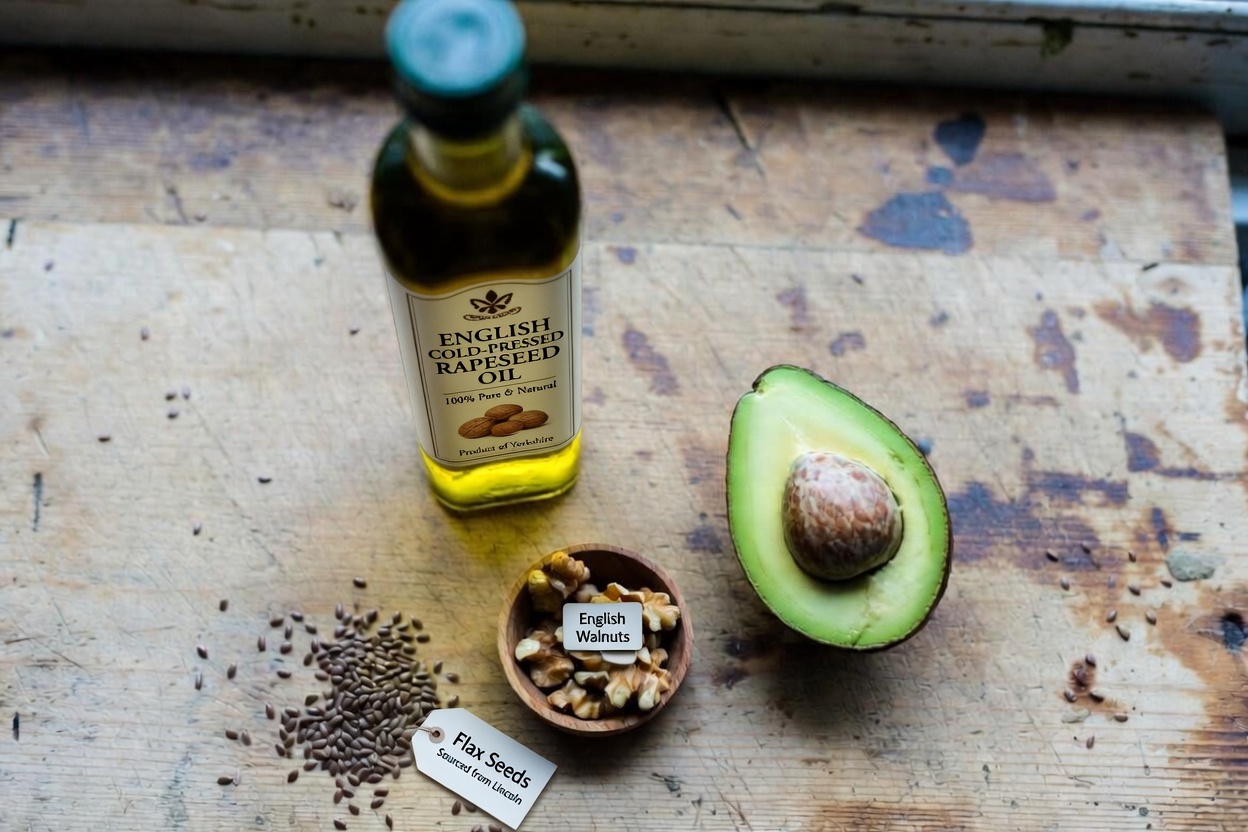
4. Walnuts and Flaxseeds
Walnuts and flaxseeds are plant-based sources of omega-3s and other beneficial compounds. They are easy to add to meals and snacks without much effort.
Simple options:
- Sprinkle ground flaxseed on oatmeal
- Add walnuts to yogurt
- Mix both into smoothies
- Use them as toppings for salads or grain bowls
How to Add Healthy Fats to Your Day
Choosing better fats becomes easier when you keep the process simple. Start with a few manageable changes.
Step-by-Step Ideas
- Begin the day with a small amount of extra virgin olive oil in a smoothie or drizzled over toast.
- Replace your usual cooking oil with avocado oil when preparing eggs or vegetables.
- Plan fatty fish into your meals at least twice each week.
- Keep chopped walnuts or ground flaxseeds nearby so they are easy to add to meals.

Small adjustments like these can fit into a busy lifestyle and may become valuable long-term habits.
4 Fats You May Want to Limit
Just as some fats can be helpful, others may place more stress on the body when eaten too often. Reducing the following types may support a healthier balance.
1. Trans Fats
These are commonly found in many packaged snacks, commercial baked goods, and fried fast foods. Trans fats are often associated with increased inflammation, which is not ideal for long-term kidney support.
2. Too Many Omega-6 Heavy Oils
Oils such as corn oil, soybean oil, and sunflower oil are not harmful in small amounts, but consuming too much of them compared with omega-3 fats may shift the body toward more oxidative stress and inflammation.
3. Highly Processed Vegetable Shortenings
These fats are often used in baked products and processed foods. Many people choose to limit them because they may contain additives or lower-quality ingredients.
4. Reused or Repeatedly Heated Oils
Cooking oil that is heated over and over can form compounds that do not support daily wellness. Fresh oil is generally a better choice than reused frying oil.
The goal is not perfection. It is about improving the overall quality of your fat intake by replacing less supportive options with better ones.
Can Quick Diet Changes Affect Lab Results?
You may have heard stories about someone improving their creatinine or other kidney-related numbers after making a few dietary changes. Results vary widely, and no single food explains everything.
Still, some people feel better when they combine healthier fats with other supportive habits such as:
- Staying well hydrated
- Managing stress
- Following medical advice
- Eating a more balanced diet overall
For example, one person reported better energy and more reassuring lab results after changing cooking oils and eating more omega-3-rich foods. Were the fats the only reason? Probably not. But they may have contributed as part of a larger lifestyle shift.
The most important lesson is simple: consistency matters more than perfection. Small improvements repeated over time are often more realistic and more helpful than dramatic short-term efforts.
Everyday Habits That Can Support Kidney Health
Fats are only one piece of the picture. A few other habits can work together to support kidney wellness.
- Drink enough water during the day; light yellow urine is often used as a general sign of adequate hydration
- Eat plenty of colorful fruits and vegetables for natural antioxidants
- Stay active with walking or gentle exercise
- Get sufficient sleep
- Reduce daily stress where possible
These practices often have the best impact when combined, helping create a healthier internal environment for your kidneys.
What Research Suggests
Several observational studies have looked at how fat intake patterns relate to kidney markers and overall metabolic health. In some populations, higher intake of monounsaturated fats and omega-3 fats has been linked with better health outcomes.
This does not prove cause and effect, and more research is still needed. However, the evidence is strong enough to encourage many people to take a closer look at the fats on their plate.
It is also important to remember that personal results can differ depending on:
- Age
- Genetics
- Existing health conditions
- Medications
- Overall lifestyle
FAQ
Can changing the fats I eat really influence my energy?
Some people say they feel better, lighter, or less sluggish when they cut back on processed fats and include more nutrient-rich options. The experience is not the same for everyone, but it may be a useful change to explore with medical guidance.
How soon might I notice a difference?
Some individuals notice subtle changes in a few weeks, especially in how they feel day to day. Lab improvements may take longer. Ongoing consistency with food choices, hydration, and follow-up care is important.
Is it safe to eat more olive oil or fatty fish if I have kidney concerns?
Many people can include these foods in moderate amounts, but it is still wise to speak with a healthcare professional first. This is especially important if you have kidney disease, take medication, or follow a restricted diet.
Final Thoughts
Supporting kidney health is usually not about finding a fast fix. It is more about making simple, sustainable choices that help the body function well over time.
By choosing higher-quality fats, watching portions, and following your doctor’s guidance, you can make small changes that may improve how you feel and help you take a more active role in your well-being.
What Fat Swap Will You Try First?
A small change this week could be the beginning of a better long-term habit. Whether it is switching to olive oil, adding salmon to your meal plan, or keeping walnuts on hand, the first step can be surprisingly simple.