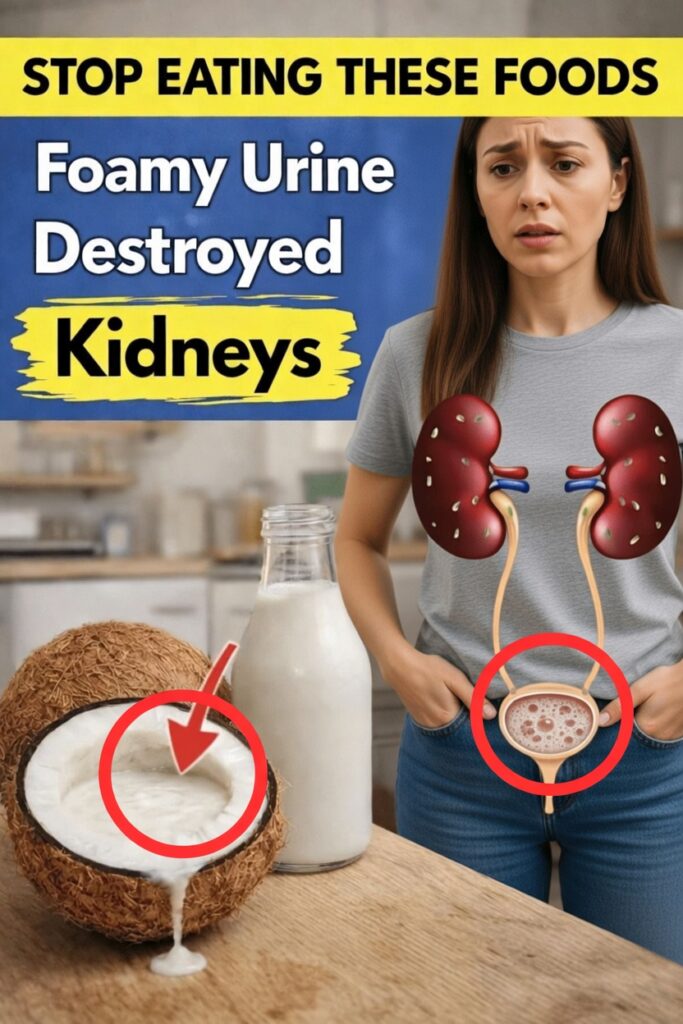
Foods to Limit When You Have Foamy Urine or Protein in the Urine
Seeing foamy urine or dealing with unusual fatigue can feel alarming, especially if you suspect it may be linked to excess protein in the urine. People who are noticing early kidney strain or increased proteinuria often start by asking an important question: Could everyday food choices be making things worse?
In many cases, diet is not the only cause, but it can play a major role in how hard your kidneys need to work. Foods high in sodium, phosphorus, potassium, or excessive protein may increase that burden over time. The encouraging part is that small, realistic diet changes can help support kidney health and make daily eating easier to manage.
By the end of this guide, you’ll also find practical food swaps that can help reduce stress on the kidneys without making meals feel restrictive.
Why Some Foods Are Harder on the Kidneys
Your kidneys perform several vital tasks. They remove waste from the blood, regulate fluid levels, and help maintain healthy amounts of minerals such as sodium, potassium, and phosphorus. When kidney function becomes stressed—sometimes alongside proteinuria—they may no longer process these nutrients as efficiently as they should.
Guidance from trusted sources such as the National Kidney Foundation and medical nutrition references often recommends reducing sodium intake to less than 2,300 mg per day. Depending on your lab results and kidney function, phosphorus and potassium may also need closer attention. Eating too much protein can also create extra waste products, which means your kidneys must work harder to clear them.
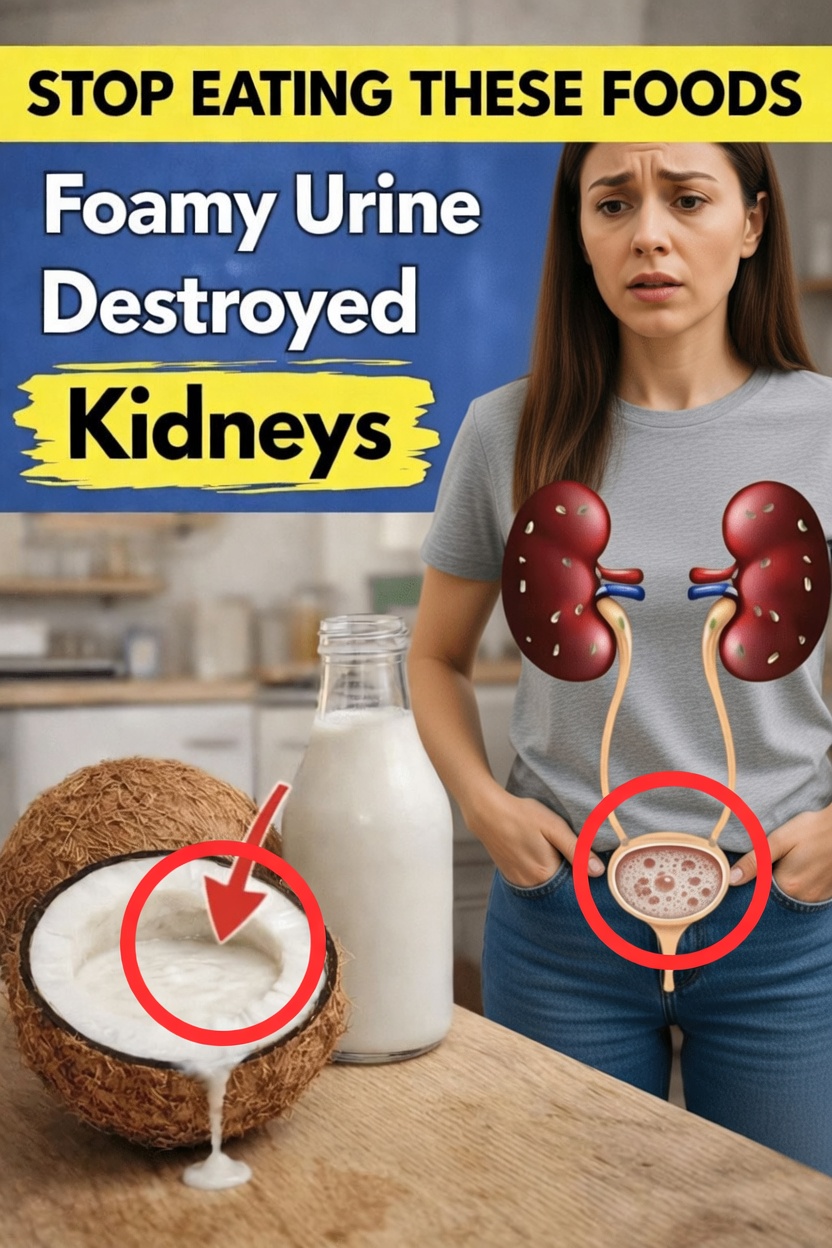
That said, kidney-friendly eating does not mean eliminating every favorite food. A more realistic approach is to recognize which foods may be problematic, then limit them and choose smarter alternatives when possible.
10 Foods to Cut Back on for Better Kidney Support
The following foods are often listed in kidney health recommendations. They are not always completely off-limits, but eating less of them may help if you are managing foamy urine, proteinuria, or reduced kidney function.
1. Dark-Colored Sodas
Many dark sodas contain phosphorus additives, which are absorbed quickly by the body. If the kidneys are not filtering efficiently, phosphorus can build up more easily.
2. Processed Meats
Foods like bacon, sausage, hot dogs, and deli meats are typically high in sodium and preservatives. They can contribute to higher blood pressure and place more strain on the kidneys.
3. High-Potassium Fruits
Bananas and avocados are nutritious, but they also provide a significant amount of potassium. For people with impaired kidney function, too much potassium can become difficult to manage.
4. Dairy Products
Milk, cheese, and yogurt naturally contain phosphorus, potassium, and protein. While these foods can be healthy in general, larger amounts may not be ideal for someone trying to reduce kidney workload.

5. Whole-Grain Bread and Brown Rice
Whole grains are often praised for overall health, but in kidney-focused diets, they can be higher in phosphorus and potassium than refined options. In some cases, white bread or white rice may be the more suitable choice.
6. Canned Foods and Packaged Soups
Many canned products are preserved with high amounts of salt. This extra sodium may lead to fluid retention and increase pressure on the kidneys.
7. Oranges and Orange Juice
Oranges and orange juice are rich in vitamin C, but they are also high in potassium. Frequent or large servings may not be the best fit for people on a kidney-conscious meal plan.
8. Nuts and Seeds
Nuts and seeds offer healthy fats and plant nutrients, but they also tend to contain considerable amounts of phosphorus and potassium. Small portions may work for some people, but regular snacking can add up quickly.
9. Potatoes
Baked and fried potatoes are especially high in potassium. If you need a lower-potassium alternative, vegetables like cauliflower can often provide a similar texture in meals.
10. Tomatoes and Tomato Products
Fresh tomatoes, tomato sauce, and canned tomato products can be high in potassium. Processed versions may also contain added sodium, making them even more challenging for kidney health.
It is also important to remember that portion size and frequency matter. In many cases, the goal is moderation rather than complete avoidance—unless your healthcare provider has recommended stricter limits.
Easy Food Swaps You Can Start Today
If you want to make your diet more kidney-friendly, simple substitutions can go a long way. Try these practical alternatives:
- Instead of dark soda: choose sparkling water with lemon
- Instead of processed meats: use fresh grilled chicken or fish in moderate portions
- Instead of bananas or avocados: pick apples, berries, or grapes
- Instead of dairy milk: try an unsweetened plant-based option, such as certain coconut milks with fewer additives
- Instead of whole grains: use white rice or regular pasta when appropriate
- Instead of canned soup: make homemade soup with low-sodium broth and fresh vegetables

A good strategy is to start with one change each week. Gradual adjustments are often easier to maintain, and many people report feeling less bloated and more balanced in their energy levels over time.
Daily Habits That Help Support Kidney Health
Food is only one piece of the puzzle. These everyday habits can also help protect kidney function:
- Drink enough plain water, unless your doctor has advised a fluid restriction
- Read food labels carefully for hidden sodium, phosphorus additives, and potassium
- Build meals around lower-potassium vegetables such as cabbage, cauliflower, and bell peppers
- Keep blood pressure and blood sugar under control through regular medical checkups
- Follow your healthcare provider’s advice based on your lab results and overall health status
Long-term research continues to show that consistent lifestyle choices can make a meaningful difference in overall kidney wellness.
Final Thoughts
If you are dealing with foamy urine or have concerns about protein in the urine, paying attention to foods high in sodium, phosphorus, potassium, and excess protein may help reduce pressure on your kidneys. The most effective approach is usually not extreme restriction, but steady and thoughtful improvement.
Even small diet changes can have a positive impact over time. Most importantly, work closely with your doctor or renal dietitian so your eating plan matches your personal needs, test results, and stage of kidney function.
Frequently Asked Questions
What can cause foamy urine besides diet?
Foamy urine is not always caused by food. It can happen temporarily due to dehydration or urinating with strong force. However, ongoing foam in the urine may be linked to proteinuria, which can be associated with kidney problems, diabetes, or high blood pressure.
How much protein should I eat if I am worried about my kidneys?
There is no one-size-fits-all answer. Many kidney guidelines suggest moderate protein intake from quality sources, but the right amount depends on your kidney function, medical history, and lab values. A doctor or registered dietitian can help determine the appropriate level.
Are all plant-based milks good for kidney health?
No. Some plant-based milks contain added minerals or ingredients that make them high in potassium or phosphorus. Certain unsweetened coconut milk products may be lower in these minerals for some people, but it is essential to check labels carefully and ask a healthcare professional for guidance.