
Why Protein Before Bed Matters More as You Age
As people get older, the body becomes less responsive to protein, a process known as anabolic resistance. In simple terms, muscles do not use protein as efficiently for repair and growth as they once did. When this is combined with lower activity levels and age-related hormonal changes, muscle mass tends to decline gradually. In many adults, this loss is estimated at 3% to 8% per decade after age 30, with a faster drop often occurring after age 60.
Nighttime is especially important for muscle support. During sleep, the body shifts into repair mode, rebuilding tissues and recovering from daily wear and tear. If there are not enough nutrients available, the body may draw on muscle tissue for energy. A protein-rich snack before bed can help by supplying amino acids steadily through the night, which may improve muscle preservation when combined with regular strength exercise and a balanced diet.
Studies involving older adults suggest that pre-sleep protein intake can raise overnight muscle protein synthesis, making it a practical and research-backed strategy for supporting healthy aging.

The Science Behind Pre-Sleep Protein for Muscle Maintenance
A growing number of studies have explored what happens when protein is consumed 30 to 60 minutes before sleep. Research on healthy older men has shown that taking about 40 grams of protein, especially casein, can increase muscle protein synthesis overnight compared with going to bed without protein.
Casein is often highlighted because it digests slowly. That means amino acids are released over a longer period, helping the body remain in a more muscle-supportive state while you sleep. This prolonged delivery may be particularly useful during the overnight fast, when no other food is coming in.
The effect appears to be even stronger when pre-bed protein is paired with resistance training earlier in the day. Exercise makes muscles more responsive to nutrients, so the combination of movement and protein creates a better environment for repair and maintenance.
It is important to stay realistic: this is not a quick fix or a dramatic overnight transformation. Instead, it is a simple habit that may help protect muscle over time as part of a healthy routine.
Best Protein Sources to Have Before Sleep
The best choices are usually slow-digesting proteins that keep amino acids available through the night. Below are several evidence-based options:
-
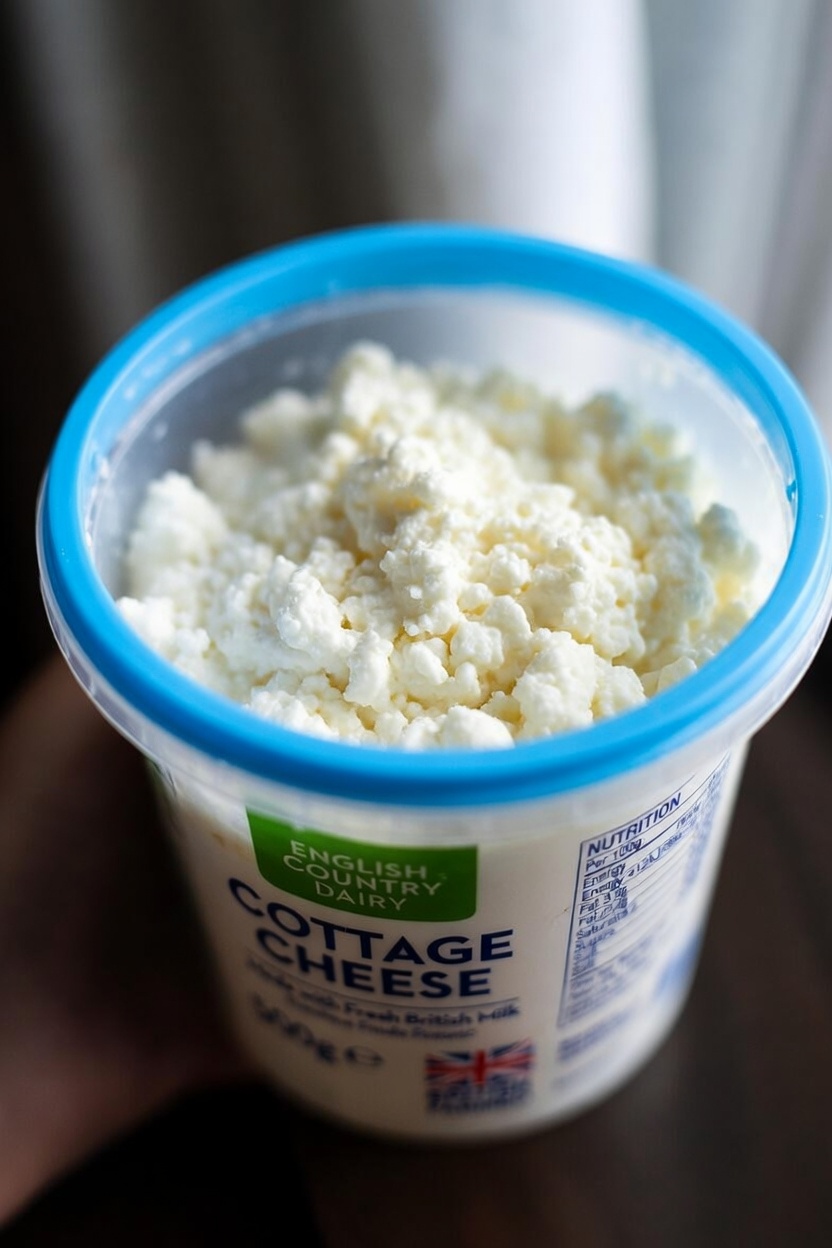
Cottage cheese
A top whole-food source of casein protein. Around 1 cup of low-fat cottage cheese provides roughly 25 to 30 grams of protein. -
Greek yogurt
Thick, satisfying, and naturally high in protein. Plain, unsweetened versions are the best choice if you want to avoid excess sugar. -
Casein protein powder
A convenient supplement form of milk protein that is designed to digest slowly. It works well in a simple shake. -
Milk or cheese-based snacks
A glass of milk or a small serving of cheese can also provide useful protein before bedtime.
A practical target is 20 to 40 grams of protein in your evening snack. This amount is supported by research and is usually enough to make a meaningful difference without feeling too heavy before sleep.

How to Build the Habit Step by Step
Adding pre-sleep protein does not need to be complicated. Use these simple steps to make it part of your routine:
-
Time it well
Eat your snack about 30 to 60 minutes before bed. This gives your body time to begin digestion without disrupting sleep. -
Start with an easy option
Try ¾ to 1 cup of low-fat cottage cheese, either plain or with a few berries. This can keep the snack under 200 calories while still delivering strong protein intake. -
Choose alternatives if needed
If dairy is not ideal for you, a casein shake mixed with water or unsweetened almond milk can be a practical substitute. -
Combine it with strength training
For the best muscle-support benefits, pair this habit with 2 to 3 resistance workouts each week. Good examples include bodyweight squats, resistance band exercises, or light dumbbells. -
Pay attention to results
Over 4 to 6 weeks, notice changes in recovery, daily energy, or how strong you feel during routine activities. Many people report gradual but meaningful improvements.
This habit becomes even more effective when your total daily protein intake is also adequate. A helpful range for many older adults is 1.2 to 1.6 grams of protein per kilogram of body weight per day.
Quick Comparison of Pre-Bed Protein Options
| Option | Approx. Protein | Digestion Speed | Overnight Benefit | Calories |
|---|---|---|---|---|
| 1 cup low-fat cottage cheese | 25-28g | Slow (casein) | Steady amino acid release | 160-200 |
| 40g casein powder shake | 30-35g | Very slow | Strong targeted muscle support | 120-150 |
| 1.5 cups plain Greek yogurt | 25-30g | Moderate to slow | Protein plus probiotic support | 150-200 |
| Glass of milk + slice of cheese | 15-20g | Slow to moderate | Easy everyday option | 150-180 |
These choices are generally affordable, easy to find, and supported by nutrition research for muscle health.
Mistakes to Avoid
Some common habits can reduce the potential benefits of pre-bed protein:
-
Ignoring the overnight window
Many people focus only on daytime meals and miss the value of nighttime nutrition. -
Choosing only fast-digesting protein
Proteins such as whey on their own are absorbed more quickly, which may not provide the same sustained overnight support as casein-rich options. -
Eating too much at once
Very large portions may cause digestive discomfort and interfere with sleep. -
Overlooking medical considerations
If you have kidney disease or another condition that affects protein intake, speak with a healthcare professional first. For healthy adults, moderate increases in protein are generally well tolerated.
As a general rule, start with a moderate portion, stick to simple foods, and prioritize whole-food sources whenever possible.
Final Thoughts: A Small Change That Can Support Stronger Aging
Having a protein-rich snack before bed is a simple, evidence-based step that may help your body preserve muscle while you sleep. It will not reverse aging overnight, but it can play a valuable role in maintaining strength and function over time.
When combined with regular movement, especially strength training, and an overall balanced diet, this habit may help you feel stronger, recover better, and stay more capable as the years go by. Something as easy as a serving of cottage cheese tonight could be a smart place to start.
FAQ
How much protein should I have before bed?
Research suggests that 20 to 40 grams of protein is an effective range for supporting overnight muscle protein synthesis in older adults. The ideal amount depends on your body size, diet, and digestion.
Is pre-sleep protein safe if I am sensitive to dairy?
Yes, there are alternatives. You can try lactose-free cottage cheese, high-protein plant-based products, or low-lactose casein supplements. If you have a medical condition or severe intolerance, check with a healthcare provider first.
Do I need to exercise for this to work?
Exercise is not required for pre-sleep protein to be useful, but physical activity significantly improves the results. Even light resistance exercise can make this strategy more effective for maintaining muscle.