
Castor Oil and Baking Soda for Skin: A Simple DIY Approach to Hydration and Gentle Exfoliation
Many people experience dry, sensitive, or uncomfortable skin from everyday causes such as shifting weather, surface buildup, or temporary dehydration. When skin feels tight, rough, or irritated, even basic routines can become unpleasant. Although store-bought skincare products are widely available, some people prefer exploring natural household ingredients as a mild, affordable option for cleansing and moisture support.
One combination that often appears in DIY skincare discussions is castor oil and baking soda. These two common kitchen staples are used for very different reasons, but together they may offer a simple way to support skin comfort. Below, we’ll cover what each ingredient does on its own, why some people combine them, and how to try this mixture carefully and safely.

What Is Castor Oil and Why Is It Used on Skin?
Castor oil is derived from the seeds of the Ricinus communis plant. It contains a high amount of ricinoleic acid, a fatty acid often associated with its distinctive texture and skin-conditioning effects. According to research cited by sources such as NCBI and Medical News Today, castor oil can help reduce moisture loss by creating a barrier on the skin’s surface.
Because of this, people often use castor oil to:
- Improve skin softness
- Support smoother-feeling dry areas
- Help protect the skin from losing hydration
- Soothe minor dryness and discomfort
Its emollient nature is one reason it frequently appears in products like:
- Lip balms
- Dry skin creams
- Moisture treatments for chapped areas
Some laboratory and animal studies have also suggested that castor oil may have anti-inflammatory properties, which could explain why some people find it calming on mildly irritated skin.
That said, castor oil is very thick, so a little goes a long way. Applying too much may leave the skin feeling greasy or heavy, and some people prefer to dilute it or use it only on small areas.
How Baking Soda Fits Into Skin Care Routines
Baking soda, also known as sodium bicarbonate, is a mildly alkaline powder often used in DIY personal care. It is commonly recognized for its ability to:
- Lightly exfoliate the skin
- Neutralize acids
- Leave the skin feeling cleaner and fresher
Some studies have explored its antibacterial properties, and organizations like the National Eczema Association have mentioned baking soda baths as one possible way to help calm itchy skin in certain situations.
In skincare routines, baking soda is sometimes used in small amounts for:
- Gentle exfoliating pastes
- Bath additives
- Areas with excess oil or rough texture
Still, it should be used cautiously. Because baking soda is alkaline, it may be too drying or irritating, especially for sensitive skin or with frequent use. It is not a complete skincare solution on its own, but rather something some people use occasionally for mild exfoliation.
Why People Mix Castor Oil and Baking Soda
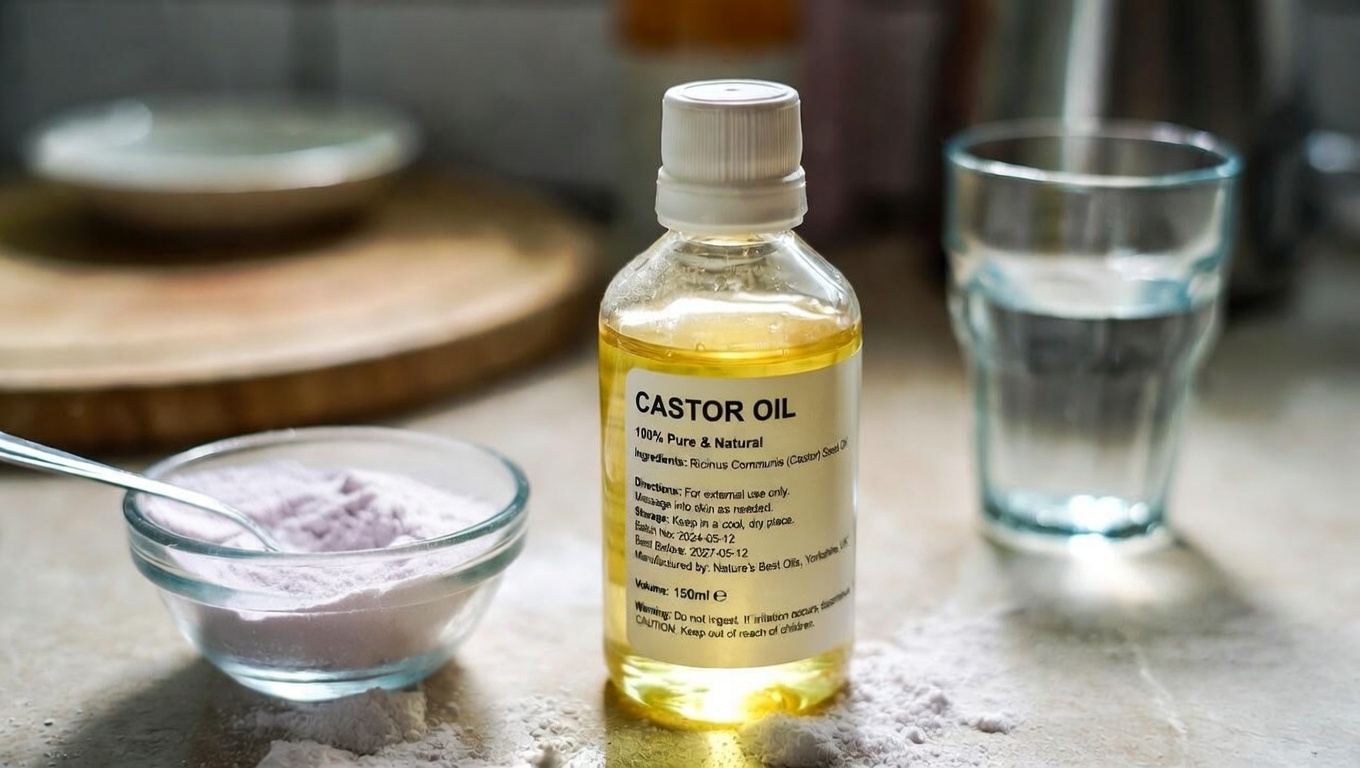
When combined, castor oil and baking soda form a thick paste. The idea behind this mixture is simple:
- Castor oil adds moisture and softness
- Baking soda provides light exfoliation
This pairing shows up often in home remedies, DIY beauty tips, and natural skin care discussions. Many people use it as a spot treatment for rough patches or as a simple cleansing paste.
The mixture may feel especially useful on areas like:
- Elbows
- Knees
- Heels
- Callused spots
Some anecdotal reports say the blend leaves rough skin feeling smoother and more refreshed because it combines cleansing with hydration.
However, there is an important limitation: there is no strong large-scale clinical evidence proving special benefits from using castor oil and baking soda together. Most of the claims around this combination come from personal experiences, traditional use, or online DIY recommendations rather than rigorous human studies.
Dermatology sources and fact-checking reviews generally agree on one thing: while each ingredient has recognized individual uses, the benefits of the combination are still mostly anecdotal.
Even so, many people still choose to try it as part of a broader natural self-care routine—provided they do so carefully.
Common Everyday Uses People Try
People who experiment with castor oil and baking soda for skin typically use it in a few practical ways:
1. Gentle Exfoliation for Face or Body
A small amount of paste may help remove surface buildup while the oil helps reduce the feeling of dryness.
2. Treatment for Dry or Rough Patches
It is often applied to thicker skin areas such as:
- Elbows
- Knees
- Heels
This may help these spots feel softer and smoother.
3. Foot Care Support
Some people add the mixture to a warm foot soak or apply it before rinsing to help tired feet feel cleaner and more comfortable.
No matter how it is used, safety should come before expectations.
How to Make a Simple Castor Oil and Baking Soda Paste
If you want to try this DIY blend, start with a small amount and observe how your skin reacts. A cautious approach is best.
Ingredients
- 1 teaspoon pure cold-pressed castor oil
- 1/4 to 1/2 teaspoon baking soda
Use less or more baking soda as needed to create a paste that is thick but easy to spread.
Step-by-Step Instructions
-
Mix the ingredients
- Combine the castor oil and baking soda in a small bowl.
- Stir until the texture becomes smooth and spreadable.
- If it feels too thick, add a drop more oil.
- If it is too runny, add a small pinch more baking soda.
-
Do a patch test first
- Apply a tiny amount to the inner forearm.
- Wait 24 hours to see whether redness, itching, or irritation develops.
-
Apply a small amount
- Use it only on clean, dry skin.
- Gently massage it onto a limited area.
- Avoid the eyes, lips, open cuts, and broken or inflamed skin.
-
Leave it on briefly
- Let it sit for 10 to 15 minutes.
-
Rinse and dry
- Wash it off with lukewarm water.
- Pat the skin dry gently.
-
Follow with moisturizer
- Apply your usual lotion or cream afterward to help maintain hydration.
-
Use sparingly
- Begin with 1 to 2 times per week.
- Adjust or discontinue depending on how your skin responds.
This method reflects common DIY practices while keeping the amount low to reduce the risk of irritation.
Safety Tips Before You Try It
Natural ingredients are not automatically risk-free. Keep these precautions in mind when using castor oil and baking soda on skin:
-
Always patch test first
- Even simple household ingredients can trigger irritation or allergic reactions.
-
Avoid delicate areas
- Do not apply near the eyes, mouth, or on broken skin.
-
Skip it if your skin is highly reactive
- If you have eczema flare-ups, allergies, or very sensitive skin, this mixture may not be suitable without professional advice.
-
Watch for overuse
- Baking soda can disrupt the skin’s natural pH and lead to dryness when used too often.
-
Be mindful of breakouts
- Castor oil is heavy and may not suit acne-prone or congestion-prone skin.
-
Stop immediately if irritation appears
- Redness, burning, itching, or discomfort are signs to discontinue use.
Research from dermatology sources suggests that castor oil is generally considered safe for topical use in appropriate amounts, while baking soda should be used only occasionally to avoid disturbing the skin barrier.
Castor Oil vs. Baking Soda vs. the Combination
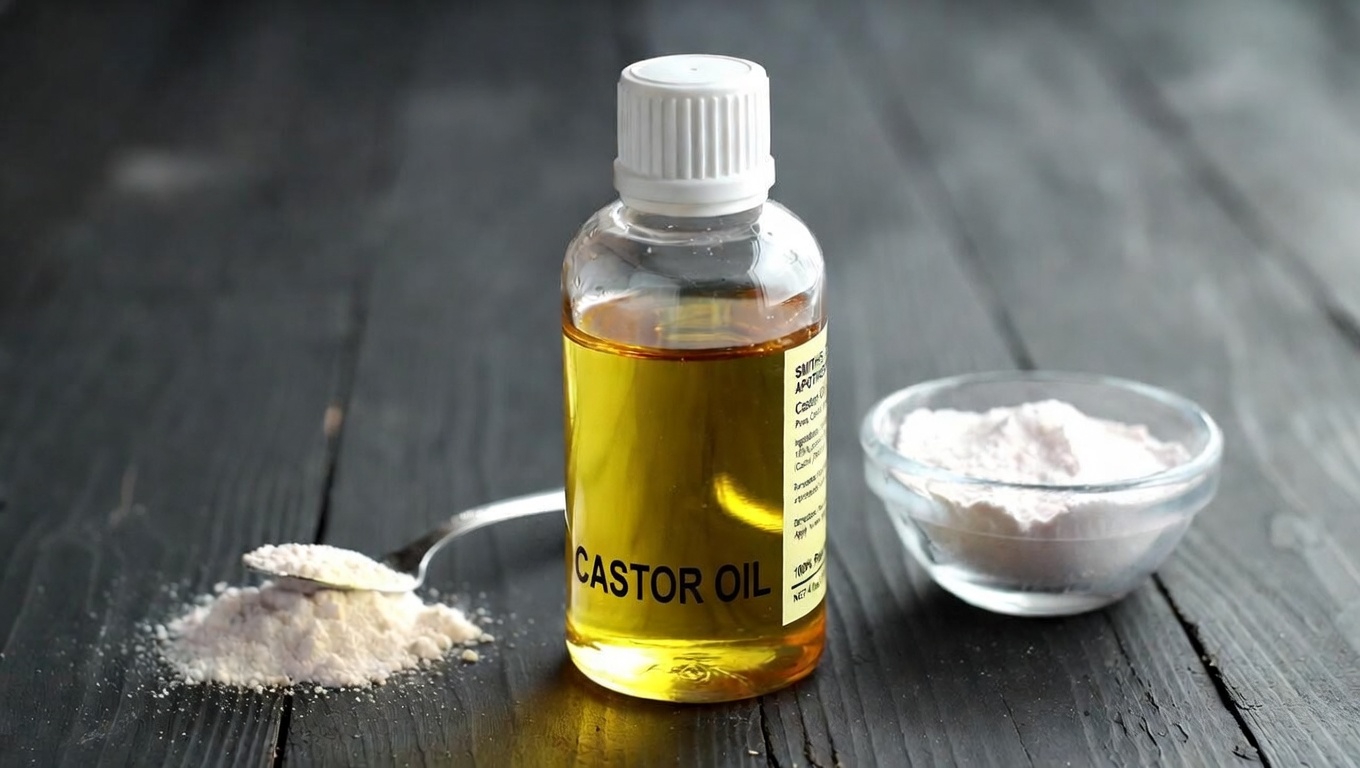
Here is a quick comparison of how each option is typically viewed:
Castor Oil Alone
- Deeply moisturizing
- Helps reduce moisture loss
- May soothe dry skin
- Thick and heavy texture
Baking Soda Alone
- Mild exfoliating action
- Can help with surface cleansing
- May support a fresher skin feel
- Can become drying if overused
Castor Oil and Baking Soda Together
- Combines moisture with light exfoliation
- May feel useful on rough body areas
- Best used in small amounts
- Results vary from person to person
The appeal of this mixture lies in balancing the strengths of both ingredients, but the experience can differ depending on skin type and frequency of use.
Final Thoughts
Castor oil and baking soda each have a place in natural skincare conversations. Castor oil is valued for its rich moisturizing qualities, while baking soda is often used for gentle exfoliation and cleansing. Although research supports certain individual uses for these ingredients, the combination itself is still based more on personal experience than strong scientific proof.
For people who enjoy simple, low-cost skincare options, this DIY mixture may be worth exploring carefully. The most important thing is to keep expectations realistic, use it in moderation, and pay close attention to how your skin reacts.
FAQ
Is castor oil and baking soda safe to use every day?
No, daily use is generally not recommended. Start with 1 to 2 times weekly to lower the chance of dryness or irritation, especially from the baking soda.
Can this mixture help with very dry skin?
It may offer temporary softness and smoother texture because castor oil adds moisture and baking soda removes some dead skin buildup. However, it should not replace a dedicated moisturizer made for very dry skin.
Can I use castor oil and baking soda on my face?
Only with caution. Patch test first and use very small amounts if you choose to try it. Many people prefer using it on body areas such as hands, feet, elbows, or knees because facial skin is often more sensitive.