Dandelions: From Stubborn Weed to Useful Spring Treasure
Dandelions are impossible to ignore. Some people admire them, others wage war against them, but everyone can agree on one thing: they are remarkably tough. No matter how often they are pulled, cut, or cursed, they somehow return with even more determination.
But attitudes are changing. Instead of constantly asking how to get rid of dandelions, many people are now wondering how to put them to good use.
The good news? There is a lot you can do.
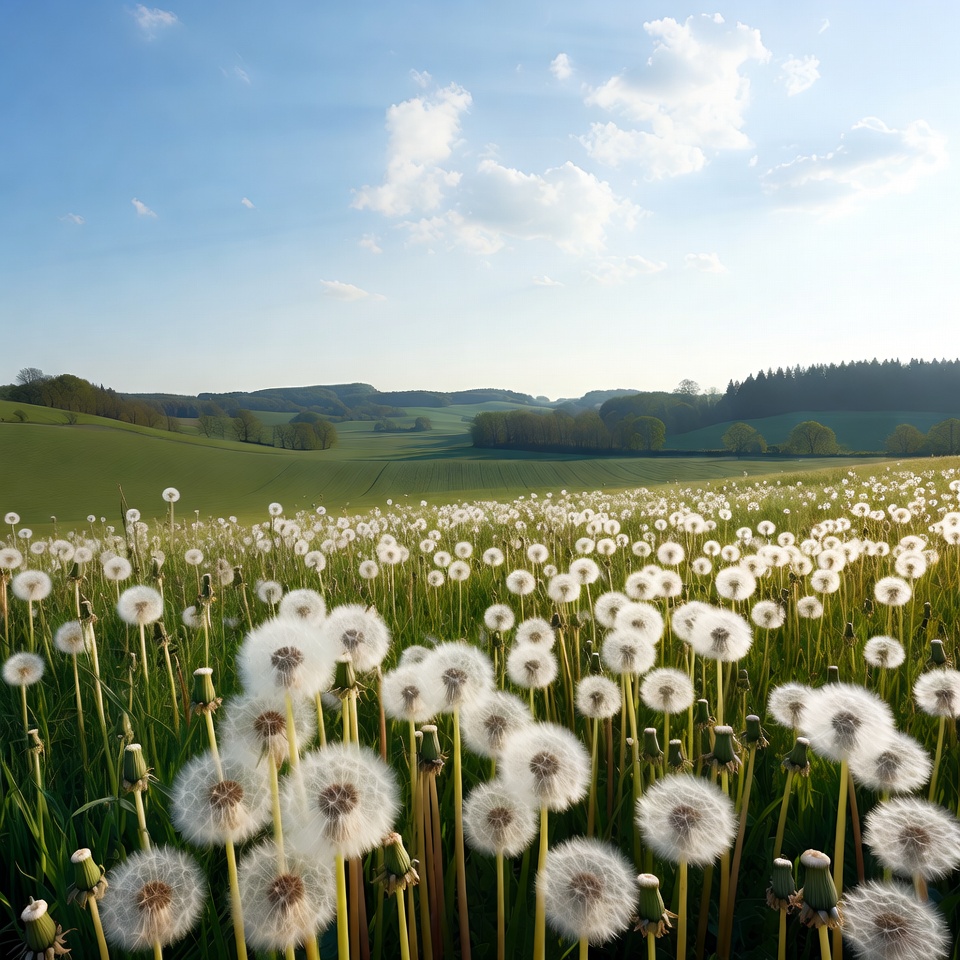
As foraging gains popularity, dandelions have become one of the easiest wild plants to start with. Their bright yellow blooms are easy to recognize, even for beginners, and they grow in such abundance that harvesting them responsibly is simple. In fact, anyone who has tried to remove them from a lawn already knows how quickly they come back.
If you still want them gone, there are tools that can help. But it may be worth looking at these persistent plants from a different perspective first.
Why Dandelions Are Worth Keeping
For generations, dandelions have played a role in traditional herbal practices. Their roots and leaves, known for their bitterness, have long been used to support appetite and liver function. While modern scientific evidence on these uses is still limited, dandelions remain common in folk medicine.
From a nutrition standpoint, however, they are undeniably impressive. Dandelions contain:
- Vitamin A
- Vitamin B
- Vitamin C
- Vitamin K
- Potassium
- Calcium
- Iron
- Magnesium
- Fiber
And perhaps the most appealing benefit of all: they are free.
What makes dandelions especially exciting is their flexibility in the kitchen and beyond. Flowers, leaves, buds, and roots can all be used in different ways. This spring, instead of fighting them, gather a basket and discover how many things this sunny little plant can become.
Know Your Dandelions Before Harvesting
Before you start picking, keep a few important guidelines in mind.
- Avoid harvesting dandelions growing near roads, where they may be exposed to dust, exhaust, and pollutants.
- Only collect from places that have not been treated with pesticides or herbicides.
- A backyard you know well is often the safest source.
Dandelions are generally considered edible, but if you plan to use them for medicinal purposes, it is wise to speak with your doctor first, especially if you are pregnant or nursing.
Are Dandelions Essential for Bees?
There is a common belief that dandelions are the main spring food for bees. That is not really true. Bees do visit dandelions, and they can be one source of food, but they are neither the earliest nor the most important option available to pollinators in spring.
Which Parts of a Dandelion Can You Eat?
The simple answer is: all of them.
Every part of the dandelion is edible, including:
- Flowers
- Leaves
- Buds
- Roots
That said, different parts taste best at different times of year.
- Leaves are milder and less bitter in early spring, before the plant flowers.
- Buds should also be picked early if you want to use them like capers.
- Roots are often harvested in fall when they are at their most nutrient-rich.
- Flowers should be picked while they are fresh and plentiful, since they do not last long.
How to Reduce the Bitterness of Dandelion Greens
Dandelion leaves can become quite bitter as the season goes on, but there are easy ways to make them more pleasant to eat.
Try one of these methods:
-
Saltwater soak
- Place the leaves in cold water with a teaspoon of salt.
- Let them soak overnight.
- Rinse well before using.
-
Quick blanching
- Boil the leaves in salted water for about 2 minutes.
- Move them immediately into ice water.
- Drain and use as desired.
Both methods help soften the strong, bitter flavor.
25 Things You Can Make With Dandelions
1. Do Nothing at All
Sometimes the smartest approach is to leave them alone. Letting dandelions grow can save you time, money, and the endless frustration of battling a plant that refuses to surrender.
Eat Dandelions
2. Add the Flowers to Salad
Fresh dandelion blossoms bring bright color, gentle sweetness, and a pleasant crunch to salads.
3. Make Dandelion Vinegar
Steep the flowers in vinegar to create a lively, flavorful infusion that works beautifully in dressings.
4. Pickle Dandelion Buds as Capers
Unopened buds can be pickled for a tangy, crunchy condiment that works much like traditional capers.
5. Cook Dandelion Jelly
Dandelion jelly has a delicate floral taste with a honey-like sweetness that pairs perfectly with toast, biscuits, or scones.
6. Make Dandelion Syrup
Golden and cheerful, dandelion syrup is wonderful drizzled over pancakes, waffles, or even ice cream.
7. Churn Dandelion Ice Cream
Those bright spring flowers can be turned into a creamy dessert with a subtle floral flavor.
8. Sauté the Greens With Garlic
Cook the leaves in olive oil with garlic and red pepper flakes for a simple, nutritious side dish.
9. Use Them in Bruschetta
Tender dandelion greens can be layered onto bruschetta for a fresh and slightly wild spring topping, especially with soft homemade cheese.
10. Bake Dandelion Shortbread
Mix petals into buttery shortbread for a lightly floral cookie with a unique seasonal twist.
11. Add Petals to Bread
Dandelion flowers can be folded into bread dough to give a loaf a soft spring character.
12. Fry Dandelion Flower Fritters
Battered and fried dandelion blossoms make a crisp, slightly sweet snack or appetizer.
Drink Dandelions
13. Brew Dandelion Mead
Dandelion petals can be transformed into a sweet, floral mead that captures the spirit of spring.
14. Make Dandelion Wine
This classic homemade wine is light, fragrant, and a lovely way to preserve spring flavors for later in the year.
15. Roast Dandelion Root Coffee
Roasted roots create a rich, earthy beverage often enjoyed as a coffee alternative.
16. Steep Dandelion Leaf Tea
Tea made from the leaves is pleasantly bitter and traditionally used to support digestion.
17. Create Dandelion Soda
Using fresh petals and a ginger bug, you can make a lively homemade soda with a fresh seasonal taste.
18. Flavor Kombucha With Dandelion
If you enjoy kombucha, try adding dandelion with fennel for a bright and refreshing spring variation.
19. Mix Dandelion Bitters
Dandelion bitters can be used in cocktails such as an Old Fashioned or taken in small amounts as a digestive tonic.
Wear Dandelions
20. Make Infused Oil
Dandelion-infused oil can be used on dry skin or turned into salves, lotions, and lip balms.
21. Craft Melt-and-Pour Dandelion Soap
Add petals to homemade soap for a fresh, seasonal touch that looks as cheerful as it smells.
22. Blend Dandelion Lotion
A lotion made with dandelion oil can help moisturize skin while giving it a soft spring scent.
23. Create Dandelion Perfume
Dandelion petals can be used to make a light floral fragrance that feels fresh and unexpected.
24. Prepare a Dandelion Bath Soak
A warm bath with dandelion-infused ingredients can help you relax and soothe tired muscles.
25. Make a Dandelion Face Mask
Because dandelions are known for anti-inflammatory and antiseptic properties, they can be a useful ingredient in skincare. Combine petals with honey and yogurt for a gentle homemade mask.
A Wild Plant With Endless Potential
Dandelions may be humble, but they offer far more than most people expect. They can feed you, flavor your drinks, support handmade skincare, and bring a little creativity into everyday life.
So this spring, instead of seeing dandelions as a nuisance, consider them a resource. Whether you choose to eat them, drink them, or use them on your skin, this bright yellow plant has plenty to offer.