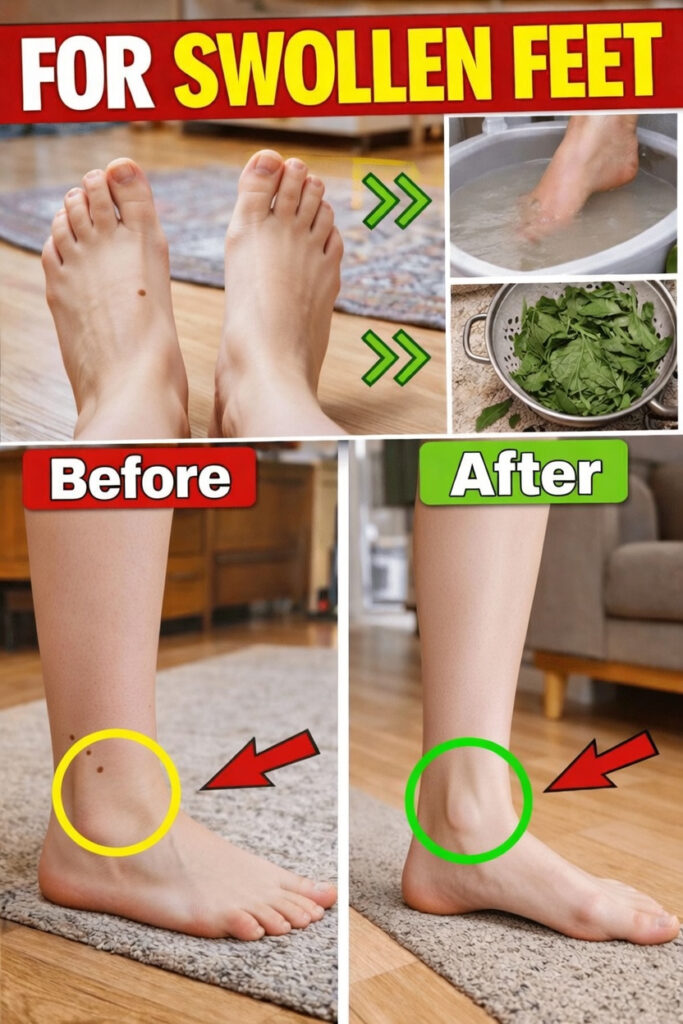
Simple Ways to Relieve Swollen Feet and Legs
Swollen feet and legs can make even basic daily tasks feel unpleasant. After hours of standing, sitting, or being out in hot weather, your lower legs may feel heavy, tight, and uncomfortable. This usually happens when fluid collects in the tissues of the lower body, limiting comfort and making movement feel harder than usual.
For many people, this kind of swelling comes and goes and is linked to common triggers such as inactivity, high sodium intake, or heat. The encouraging part is that a few easy home strategies and lifestyle changes may help improve circulation and reduce that puffy, weighed-down feeling. Below, you’ll find practical, evidence-based ideas you can start using today, including one simple daily habit that many people forget.
What Causes Swelling in the Feet and Legs?
Swelling in the lower limbs is often referred to as edema. It develops when extra fluid builds up in the tissues. Everyday habits can contribute to this, including:
- Sitting for long periods
- Standing for too long without breaks
- Eating too much salt
- Not moving enough during the day
- Exposure to warm temperatures
Trusted medical sources such as Mayo Clinic and Cleveland Clinic note that mild swelling often improves with basic changes in routine and environment.
Still, not all swelling should be ignored. If it appears suddenly, becomes severe, or keeps returning, it is important to speak with a healthcare professional to rule out a more serious cause. For mild and occasional swelling, however, supportive daily habits can often make a real difference.
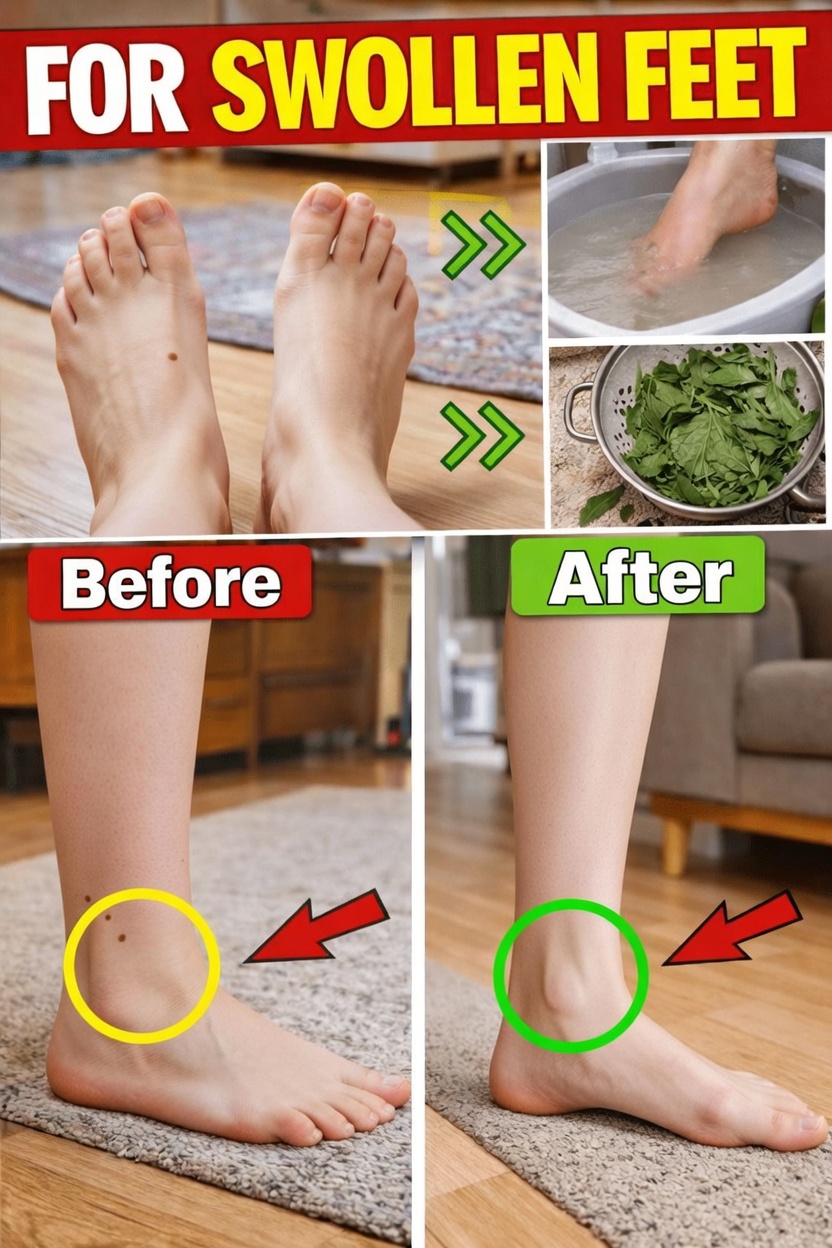
1. Elevate Your Legs to Encourage Fluid Drainage
One of the easiest ways to reduce lower-leg swelling is to raise your legs above heart level. Since gravity contributes to fluid pooling in the feet and calves, changing your position can help that fluid move more naturally.
Try these simple steps:
- Lie on your back and place your legs on pillows or rest them against a wall
- Stay in that position for 15 to 20 minutes
- Repeat several times during the day, especially after long periods of sitting or standing
Many people find this especially helpful during evening rest or work breaks. Health guidance from organizations like Mayo Clinic supports leg elevation as a useful way to improve circulation and reduce fluid buildup in the lower extremities.
2. Drink Enough Water and Reduce Excess Sodium
It may seem odd to drink more water when your body already feels swollen, but hydration actually plays an important role in fluid balance. When you are dehydrated, your body may hold on to more water, which can make swelling worse.
To support better fluid regulation:
- Aim for about 8 glasses of water a day, adjusting for your activity level and climate
- Limit processed foods, salty snacks, and many restaurant meals
- Choose more fresh produce and home-prepared meals when possible
- Add potassium-rich foods such as:
- Bananas
- Spinach
- Sweet potatoes
Resources such as Healthline often highlight that drinking enough water while cutting back on sodium may help reduce visible swelling over time.
3. Use Gentle Movement to Improve Circulation
Regular movement helps the muscles in your legs act like pumps, pushing fluid and blood upward instead of allowing them to collect in your lower limbs. Light, low-impact activity is often the best place to start.
Helpful options include:
- Taking short walks during the day, even for 10 to 15 minutes
- Doing ankle pumps while seated or lying down by flexing and pointing your toes for 1 to 2 minutes
- Trying swimming or walking in water, where gentle pressure supports circulation
- Practicing simple yoga poses such as legs-up-the-wall
Experts at Cleveland Clinic recommend regular movement because it supports healthy blood flow and may help stop swelling from increasing throughout the day.
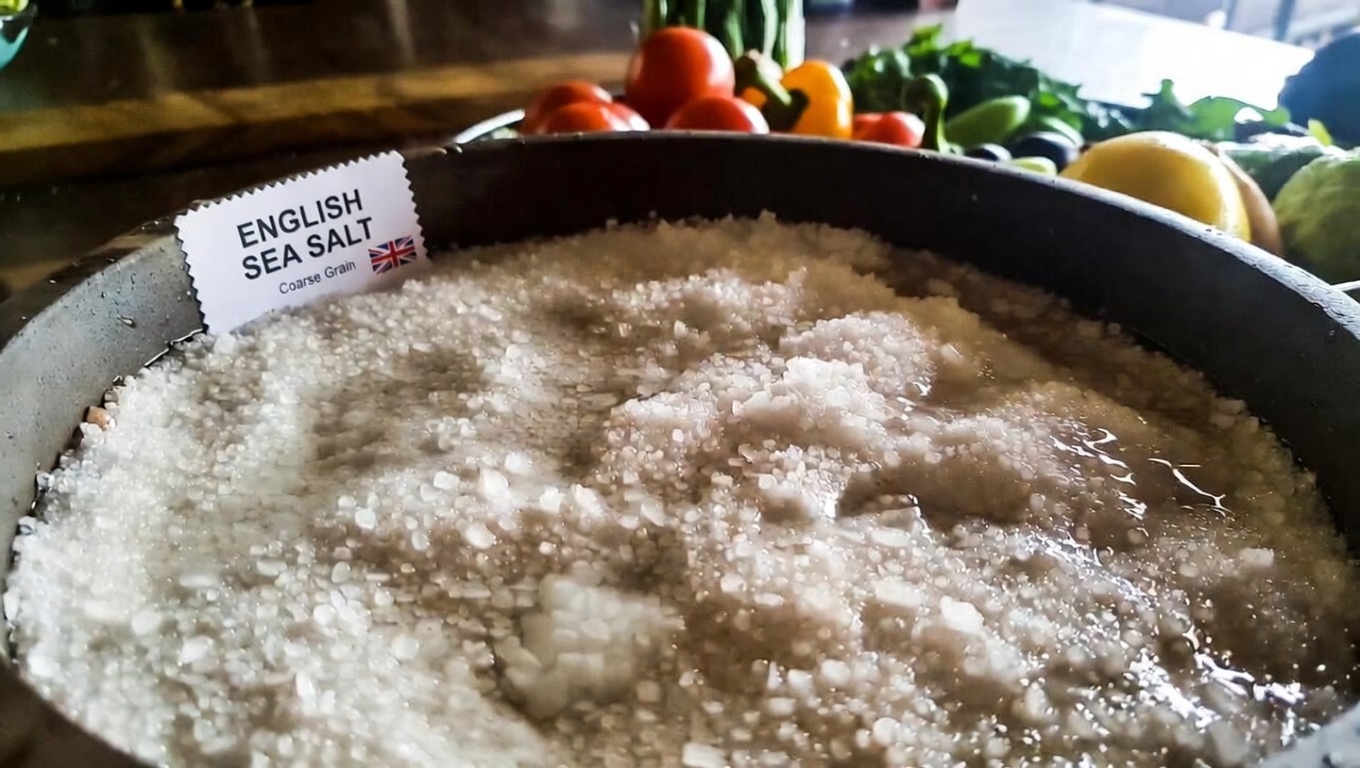
4. Soothe Tired Feet with an Epsom Salt Soak
A warm foot soak with Epsom salt is a popular home remedy for tired, swollen feet. Epsom salt contains magnesium sulfate, and while research on how much magnesium is absorbed through the skin is limited and not fully consistent, many people say this method helps them relax and feel more comfortable.
Here is an easy way to try it:
- Fill a basin with warm, not hot, water
- Make sure there is enough water to cover your feet and ankles
- Add 1 to 2 cups of Epsom salt
- Stir until the salt dissolves
- Soak your feet for 15 to 20 minutes
- Move your feet gently from time to time
- Dry them well and apply moisturizer if needed
This can be a calming evening habit, especially after a long day. However, if you have diabetes, open sores, or sensitive skin, check with a doctor first, since soaking may not be appropriate in every case.
5. Try Compression and Other Supportive Habits
Compression socks or stockings can provide mild, steady pressure that helps move fluid upward without blocking circulation. Graduated compression styles made for daily use are often a good choice.
Other useful habits include:
- Avoid crossing your legs for long periods
- Choose loose, comfortable clothing and supportive shoes
- Maintain a healthy weight through regular activity and balanced meals
Advice from reliable sources such as MedlinePlus suggests that these small habits can work together to reduce mild swelling and improve day-to-day comfort.
The Often-Overlooked Key: Build a Simple Daily Routine
Many people try one tip once or twice and expect immediate results. The real benefit often comes from combining several supportive habits consistently.
A practical routine might look like this:
- Morning: Drink water and do a few ankle movements before starting your day
- During the day: Take regular walking breaks and avoid sitting or standing in one position for too long
- Evening: Elevate your legs or enjoy a short Epsom salt foot soak while relaxing
Tracking what helps you most can also be useful. Some people respond best to movement, while others notice greater relief from leg elevation or reducing sodium. The goal is consistency, not perfection.
Frequently Asked Questions
How quickly can home remedies improve swollen feet?
Some people notice improvement within a few days when they consistently elevate their legs, stay hydrated, and cut back on sodium. Results vary depending on the cause of the swelling and the individual.
Is swelling in the feet and legs always a problem?
Not necessarily. Mild swelling after heat exposure, travel, or long periods of standing is common. However, seek medical attention if swelling is:
- Sudden
- Only on one side
- Painful
- Red or warm
- Paired with shortness of breath
Can these tips replace medical care?
No. These suggestions are general supportive measures for mild, occasional swelling. If symptoms are ongoing, severe, or unusual, consult a healthcare provider for proper evaluation and personalized advice.
Final Thoughts
Swollen feet and legs are common, but they do not have to take over your day. Leg elevation, better hydration, lower sodium intake, light movement, Epsom salt soaks, and compression can all support comfort and circulation. When these habits are practiced regularly, they may help your legs feel lighter, looser, and less fatigued.
The simplest approach is often the most effective: combine small actions throughout the day and stay consistent.