Red Onions and Blood Sugar: What the Research Shows and How to Use Them
Keeping blood sugar in a healthy range every day can be frustrating. Even when you eat carefully and monitor regularly, your numbers may still rise in ways you did not expect. Because of that, many people search for natural, practical foods that may support better glucose balance without requiring extreme lifestyle changes. One food that often comes up is the red onion, also known as the purple onion.
This article takes a closer look at why red onions are often mentioned in conversations about blood sugar support, which compounds in them have been studied, what science actually suggests, and how to add them to meals in a realistic way. Near the end, you will also find a simple traditional-style red onion recipe that is easy to prepare and easy to enjoy regularly.
Why Are Red Onions Linked to Blood Sugar Support?
Red onions are part of the Allium family, the same plant group that includes garlic, leeks, shallots, and white onions. What makes red and purple onions especially interesting is their concentration of beneficial plant compounds, particularly anthocyanins and quercetin.
Anthocyanins are the natural pigments responsible for the onion’s deep red-purple color. Quercetin is a well-known flavonoid that has attracted scientific attention for many years. Both belong to a broader category called polyphenols.
Polyphenols matter because they act as antioxidants and may affect several processes tied to metabolic health, including:
- Inflammation
- Insulin sensitivity
- The way the body handles carbohydrates
- Oxidative stress
These properties are the main reason red onions continue to appear in discussions about blood sugar management.
What Does Science Say About Onions and Blood Sugar?
First, an important reality check: red onions are not a cure for diabetes, and no food can instantly lower blood sugar in a safe, reliable way. They should never be viewed as a replacement for medication or medical care.
That said, researchers have explored onions and onion-derived compounds in several ways.
Findings From Lab and Animal Studies
Experimental studies in animals and laboratory settings have suggested that onion extracts, especially when raw or minimally processed, may:
- Reduce spikes in blood sugar after meals
- Improve insulin response
- Support better glucose control in diabetic animal models
These findings are promising, but results from animal studies do not always translate directly to humans.
What Human Studies Suggest
Human research is more limited, but some small studies indicate that regular onion intake or onion extract use may be linked to modest improvements in:
- Fasting blood glucose
- HbA1c
- Overall metabolic markers in some people with prediabetes or type 2 diabetes
The keyword here is modest. Benefits, when present, are usually small and appear more likely when onions are part of a consistent, balanced diet.
The Role of Quercetin
Quercetin is one of the most studied compounds found in onions. In laboratory studies, it appears to slow the activity of enzymes such as:
- Alpha-amylase
- Alpha-glucosidase
These enzymes help break down carbohydrates during digestion. By slowing their action, quercetin may help reduce the speed at which glucose enters the bloodstream. This effect is somewhat similar in concept to certain diabetes medications, although much milder.
Anthocyanins and Metabolic Health
Red onions also contain anthocyanins, which are more abundant in darker purple varieties. These compounds have shown:
- Antioxidant activity
- Anti-inflammatory effects
- Potential indirect support for metabolic function
Again, this does not make red onions a magic ingredient. Their value is best understood as part of a broader healthy eating pattern.
Nutritional Profile of Red Onions
Nutrition professionals often highlight red onions because they offer useful compounds without adding many calories.
A typical 100-gram serving provides:
- About 9 to 10 grams of carbohydrates
- Roughly 1.7 grams of fiber
- Very little fat
- A low calorie count
- Vitamin C
- Small amounts of chromium, a mineral connected to insulin function
- Sulfur compounds, which contribute to both their strong aroma and potential health effects
- High levels of quercetin, often more than white or yellow onions
- Anthocyanins, especially in richly colored onions
This combination makes red onions an easy ingredient to include in meals aimed at supporting overall metabolic health.
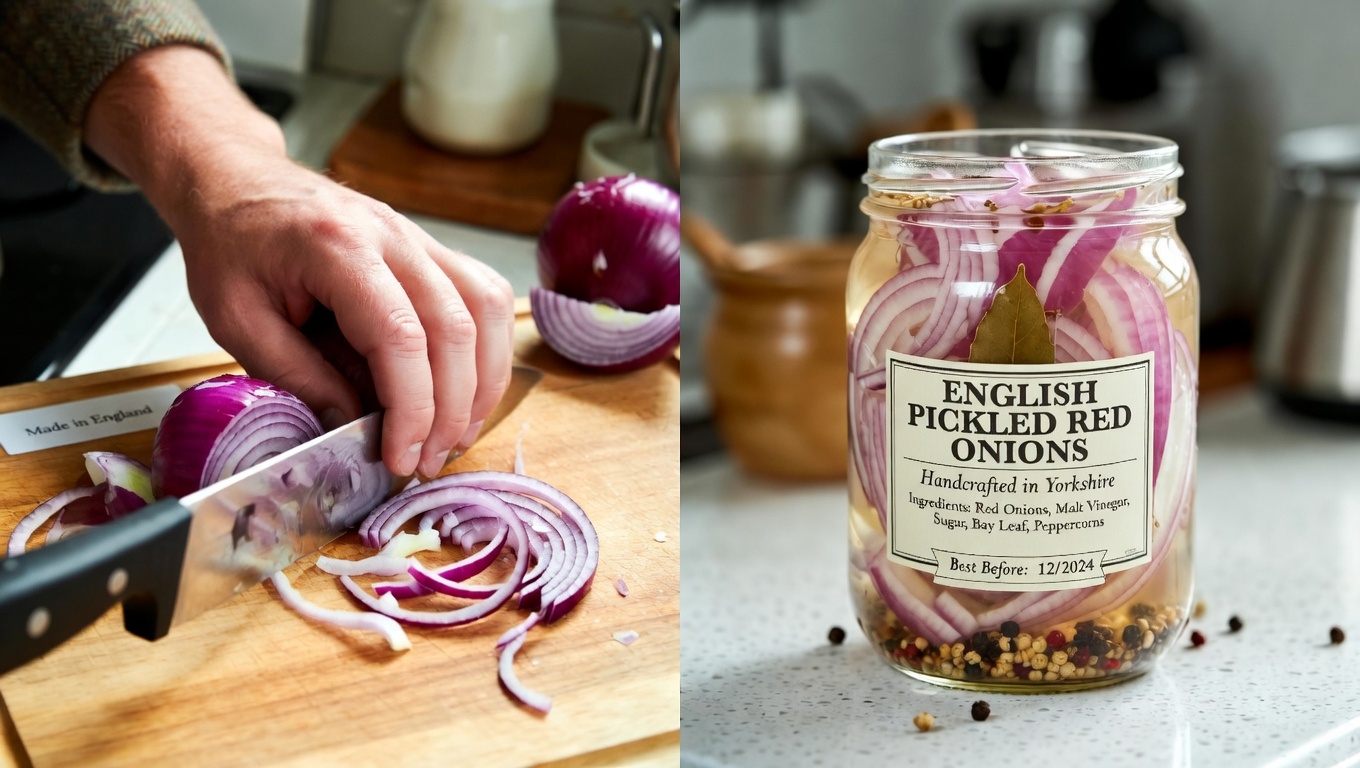
The Best Ways to Prepare Red Onions
Preparation matters. Extended exposure to very high heat, such as deep frying or long caramelizing, may reduce some of the more delicate compounds in red onions, including quercetin and anthocyanins.
If your goal is to preserve more of these plant nutrients, the following methods are usually better:
- Eating them raw
- Light pickling
- Quick sautéing
- Steaming briefly
- Adding them near the end of cooking instead of at the start
These approaches help maintain both flavor and more of the beneficial phytochemicals.
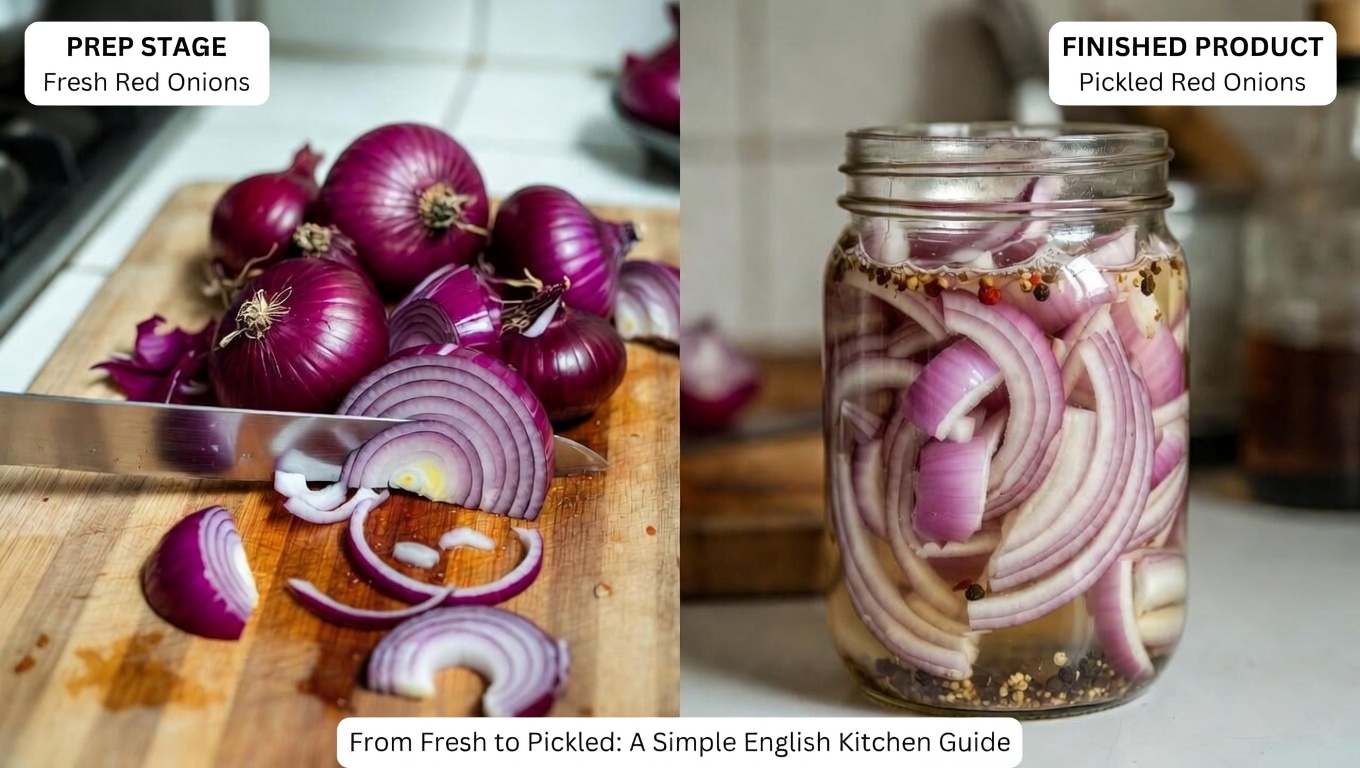
Easy Quick-Pickled Red Onions
This is not a miracle remedy, but it is a simple, traditional-style preparation that many people enjoy because it makes red onions easier to eat regularly.
Ingredients
Makes about 4 to 5 servings.
- 3 to 4 medium red onions, preferably firm and deeply colored
- 1 1/2 to 2 cups apple cider vinegar, 5% acidity
- 1 cup water
- 1 to 2 tablespoons honey, or a few thin slices of fresh apple or pear for mild sweetness
- 1 teaspoon whole black peppercorns, optional
- 1 to 2 bay leaves, optional
- A small pinch of salt
How to Make Them
- Peel the onions and cut them into very thin slices. A mandoline slicer can help create even slices.
- Transfer the onion slices to a clean glass jar, around 500 to 700 ml in size.
- In a small saucepan, gently warm the vinegar, water, honey if using, peppercorns, bay leaves, and salt. Heat only until warm, not boiling.
- Pour the warm liquid over the onions until they are fully submerged.
- Let the jar cool to room temperature.
- Seal the jar and place it in the refrigerator.
- The onions can be eaten after about 6 to 8 hours, though the flavor is usually better after 1 to 2 days.
Ways to Eat Them
You can use quick-pickled red onions in many simple ways:
- Spoon 1 to 3 tablespoons over salads
- Add them to grilled chicken or fish
- Stir them into lentil bowls or grain dishes
- Use them as a bright garnish for soups
- Eat 2 to 3 tablespoons alongside a meal that contains carbohydrates
Many people find this version easier to enjoy than plain raw onion because the vinegar softens the sharp bite.
More Simple Ways to Eat Red Onions
If pickling is not your favorite option, there are plenty of other easy ideas.
Try adding red onions to:
- Sandwiches and wraps
- Tomato, cucumber, and onion salad with olive oil and lemon juice
- Roasted vegetables during the final 8 to 10 minutes of cooking
- Fresh salsa or chutney
- Avocado toast
- Hummus bowls
These ideas can help you include red onions more often without making major changes to your routine.
Frequently Asked Questions
How much red onion might be helpful?
In studies showing modest effects, the amount often ranged from about 50 to 150 grams of raw onion per day, which is roughly half to one medium-large onion. That said, it is best to begin with an amount your digestion tolerates comfortably.
Is a quercetin supplement better than whole onions?
Supplements can provide a higher dose of quercetin, but they do not offer the same full combination of fiber and naturally occurring plant compounds found in whole onions. In most cases, food sources are preferred unless a healthcare professional recommends otherwise.
Do cooked onions still have benefits?
Yes, cooked onions still provide value. However, prolonged high-heat cooking can reduce some of the more sensitive compounds, especially quercetin and anthocyanins. Light cooking or raw preparations generally preserve more of these substances.
Final Takeaway
Red onions are affordable, flavorful, and easy to include in everyday meals. They are not a dramatic solution for high blood sugar, but they do contain a useful mix of fiber, polyphenols, quercetin, anthocyanins, and sulfur compounds that may support better metabolic health over time.
The quick-pickled version is one of the simplest ways to eat a meaningful amount regularly. Making a small jar at home can be an easy step toward including more red onions in your meals throughout the week.
At the same time, blood sugar management depends on much more than one food. The foundation still includes:
- Prescribed medication when needed
- Regular physical activity
- Quality sleep
- Stress control
- Ongoing medical care
Medical Disclaimer
This article is provided for informational purposes only and does not constitute medical advice. Red onions and onion-based preparations are not substitutes for diabetes medication or professional treatment. Always speak with your doctor or a registered dietitian before making major dietary changes, especially if you have diabetes, use blood sugar-lowering medication, or have digestive concerns.