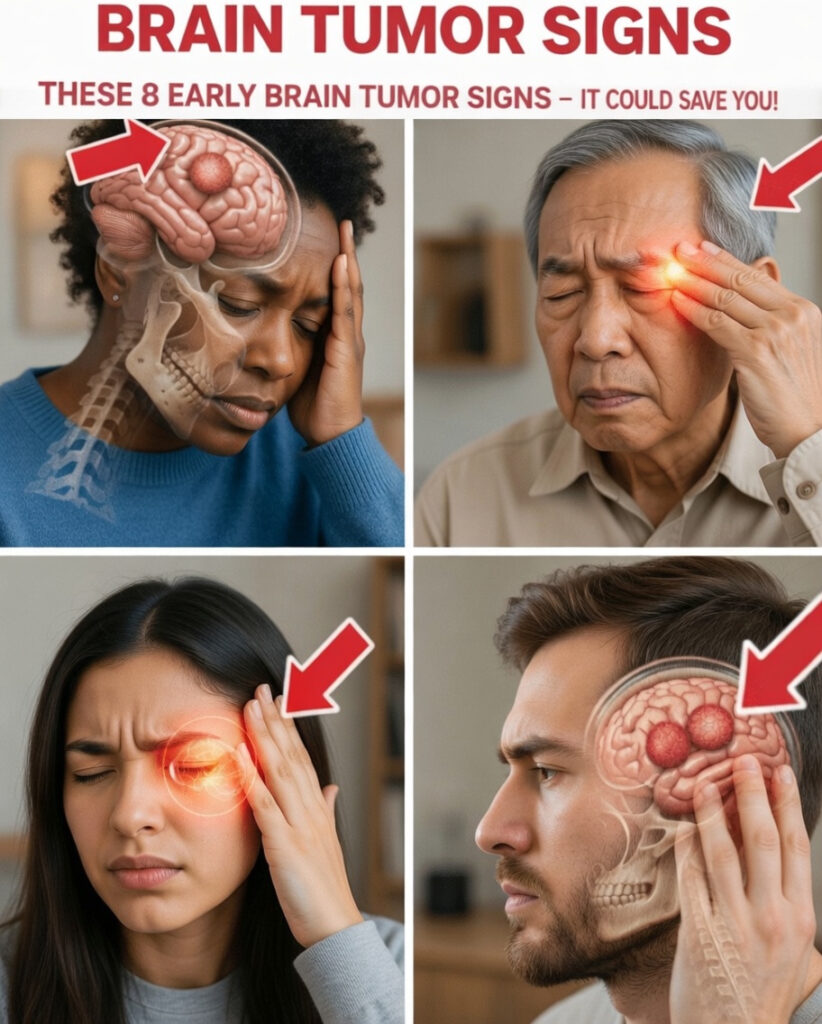
10 Early Signs of a Brain Tumor You Should Not Ignore
Many people deal with occasional headaches, brief dizziness, or minor forgetfulness and assume it is nothing serious. However, when these symptoms become persistent, more intense, or noticeably unusual, they may point to a deeper problem—such as increased pressure inside the skull caused by a growing mass. Although brain tumors are uncommon, noticing changes early and seeking medical attention can have an important impact on diagnosis and treatment. Research from respected medical organizations suggests that early recognition often supports better care and management.
Some everyday symptoms may seem harmless at first, but in certain cases they deserve closer attention. Below are 10 early warning signs commonly linked to brain tumors, along with why they may occur and what steps to take if they sound familiar.
Why Brain Tumors Can Cause Symptoms
A brain tumor, whether noncancerous or cancerous, can affect the brain by pressing on nearby tissue, interfering with normal brain activity, or increasing intracranial pressure. This pressure can lead to broad symptoms that do not always point clearly to one specific cause. Trusted sources such as the Mayo Clinic and Cleveland Clinic explain that symptoms can differ greatly depending on the tumor’s location, size, and how quickly it grows.
It is important to remember that most headaches, vision changes, or dizzy spells are not caused by a brain tumor. Still, symptoms that are ongoing, unusual, or getting worse should be evaluated by a healthcare professional.
1. Ongoing or Intensifying Headaches
Headaches are among the most frequently reported symptoms in people with brain tumors. According to the Mayo Clinic, they affect around half of patients. These headaches often feel different from ordinary stress or tension headaches.
Common patterns include:
- Pain that is worse in the morning
- Headaches that intensify when lying down
- Increasing frequency over time
- A feeling of pressure inside the head
2. Nausea or Vomiting Without an Obvious Reason
Unexplained nausea, especially early in the day, may result from rising pressure in the skull affecting the part of the brain involved in vomiting. Unlike a stomach illness, this symptom may appear without diarrhea, fever, or other digestive complaints.
The American Cancer Society notes that vomiting combined with headaches can sometimes indicate intracranial changes.
3. Gradual Vision Changes
A brain tumor may interfere with the optic nerves or visual pathways, leading to symptoms such as:
- Blurred vision
- Double vision
- Reduced peripheral vision
- Difficulty focusing on small text
These changes may begin very subtly and become more noticeable over time if the underlying cause is not addressed.
4. First-Time Seizures in Adulthood
A seizure occurring for the first time in an adult with no history of epilepsy should always be taken seriously. Tumors can irritate brain tissue and trigger abnormal electrical activity.
The National Brain Tumor Society reports that seizures appear in roughly 30% to 60% of cases and can be one of the earliest warning signs.

5. Weakness, Numbness, or Poor Coordination
If a tumor affects areas of the brain that control movement, it may lead to physical changes such as:
- Weakness on one side of the body
- Numbness in the arm, leg, or face
- Trouble walking normally
- Frequently dropping objects
These localized symptoms often relate closely to the exact part of the brain under pressure.
6. Difficulty Speaking or Thinking Clearly
Some people notice changes in communication or mental sharpness before anything else. Warning signs may include:
- Trouble finding the right words
- Slurred or unclear speech
- Confusion during familiar tasks
- Worsening mental fog
These symptoms can happen when a tumor affects language or cognitive centers in the brain.
7. Personality or Behavior Changes
Unexpected emotional or behavioral changes can also be an early clue. Tumors near the frontal lobe may gradually influence the way a person feels or acts.
Possible signs include:
- Increased irritability
- Sudden mood swings
- Lack of motivation
- Reduced interest in daily life
In some cases, these changes appear before more obvious physical symptoms.
8. Balance Problems or Persistent Dizziness
A tumor affecting the cerebellum or the brain’s balance pathways can cause a person to feel unstable or uncoordinated. This is usually different from a brief dizzy spell after standing up too quickly.
You may notice:
- Feeling unsteady while walking
- Trouble maintaining balance
- Dizziness that continues or returns often
- Poor coordination with normal activities

9. Memory Problems or Trouble Concentrating
Brain tumors can sometimes affect attention, memory, and orientation. Early signs may include:
- Forgetting recent conversations or events
- Difficulty focusing on work or routine tasks
- Feeling mentally slower than usual
- Becoming confused in familiar places
These cognitive changes can interfere with daily life and should not be overlooked if they continue to progress.
10. Hearing Changes or Ringing in One Ear
Although less common, tumors near the auditory nerves may lead to hearing-related symptoms, including:
- Ringing in the ears (tinnitus)
- Muffled hearing
- Hearing loss on one side
- Difficulty understanding sounds clearly
Even subtle one-sided hearing changes deserve medical attention, especially if they persist.
What You Should Do If You Notice These Symptoms
If several of these signs continue for weeks, become more intense, or start appearing together, it is wise to speak with a doctor as soon as possible. A primary care provider can assess the situation and refer you to a neurologist if needed.
Here are practical steps you can take:
- Keep a symptom diary: Write down when symptoms happen, how long they last, and how severe they feel on a scale from 1 to 10.
- Watch for patterns: Notice whether headaches are worse in the morning, whether nausea appears at a certain time, or whether symptoms are becoming more frequent.
- Do not rely on self-diagnosis: Reliable medical websites can help you learn more, but only a healthcare professional can properly evaluate the cause.
- Get urgent care for warning signs: New seizures, sudden weakness, or severe worsening headaches require immediate medical attention.
Doctors may recommend imaging tests, such as an MRI, to look for possible causes.
Key Takeaways
Recognizing possible early signs of a brain tumor can help you seek care sooner rather than later. While brain tumors are rare, paying attention to ongoing or unusual symptoms is an important part of protecting your health. In many cases, these symptoms are caused by less serious conditions, but getting evaluated can provide answers and reassurance.
Frequently Asked Questions
What is the most common early sign of a brain tumor?
Headaches are one of the most common early symptoms. They are often more frequent, more severe, or different from the headaches a person usually experiences.
Can migraines or stress cause similar symptoms?
Yes. Stress, migraines, inner ear problems, and many other conditions can mimic symptoms linked to brain tumors. A medical exam and appropriate testing are needed to tell the difference.
When should I see a doctor?
You should seek medical advice if symptoms are new, persistent, getting worse, or accompanied by red-flag signs such as seizures, weakness, or major changes in speech or vision. Prompt evaluation is the safest approach.