3 Research-Backed Teas That May Support Leg Circulation and Mobility After 60
As the years go by, many adults begin to notice that their legs feel heavier, walking takes more energy, and daily movement is not as effortless as it once was. Reduced circulation in the lower body can play a role in leg fatigue, lower stamina, and a general feeling of weakness that makes it harder to stay active. This becomes especially common after age 60, when normal age-related shifts in blood flow and muscle support can influence mobility.
The encouraging part is that a few simple daily choices may help. Among them, certain herbal and traditional teas may support healthy circulation and improve overall leg comfort when included in a balanced lifestyle. This article looks at three well-known options with research behind them for vascular support and gentle muscle wellness: green tea, hibiscus tea, and ginger tea. At the end, you will also find an easy way to turn them into a practical daily routine.
Why Good Circulation Matters for Leg Strength After 60
Strong circulation is essential because blood carries oxygen and nutrients to the muscles. When blood flow is less efficient, the legs may feel tired, stiff, or slow to respond during walking, standing, or household activities.
Studies suggest that some plant compounds found in tea may help support healthy blood vessel function. They can contribute to relaxation in the vessel walls and offer antioxidant protection, both of which are important for vascular health. For older adults, better blood vessel support is often associated with improved mobility and less leg fatigue.
Warm drinks may also offer an added advantage. Staying well hydrated and sipping tea throughout the day can encourage more regular movement, and even gentle movement helps circulation because the leg muscles assist in pumping blood.
Green Tea: Antioxidant Protection for Healthy Blood Vessels
Among the most studied teas, green tea is known for its rich concentration of catechins, which are natural antioxidants. Research indicates that these compounds may help preserve blood vessel health and support overall cardiovascular function.
One of green tea’s notable effects is its support for endothelial function, referring to the health of the inner lining of blood vessels. This lining helps regulate how smoothly blood moves through the body, including down into the legs. Some studies involving healthy older adults have found that green tea compounds may improve microvascular blood flow in muscle tissue after eating.
How to enjoy green tea
- Drink 1 to 2 cups per day
- Use 1 teaspoon of loose green tea or 1 tea bag per cup
- Steep in hot but not boiling water for 2 to 3 minutes
- Serve plain or add a slice of lemon for extra flavor
When enjoyed regularly, green tea may help support steadier energy for walking and everyday movement.
Hibiscus Tea: A Refreshing Choice for Vascular Wellness
Hibiscus tea is made from the brightly colored calyces of the hibiscus flower. It has a tart, fruity flavor often compared to cranberry and contains anthocyanins, which are plant pigments known for their antioxidant effects.
Several studies suggest hibiscus may help maintain healthy blood pressure levels that are already within the normal range. It may also support relaxation of blood vessels, helping circulation move more efficiently. For people looking to maintain comfort in their legs while staying active, this makes hibiscus an appealing option.
How to prepare hibiscus tea
- Use 1 to 2 teaspoons of dried hibiscus flowers per cup
- Steep in boiling water for 5 to 7 minutes
- Drink it hot or cold
- Enjoy it in the afternoon or evening since it is naturally caffeine-free
Its bold, tangy taste makes it enjoyable for many people and may encourage better hydration throughout the day.
Ginger Tea: Warming Support for Blood Flow and Leg Comfort
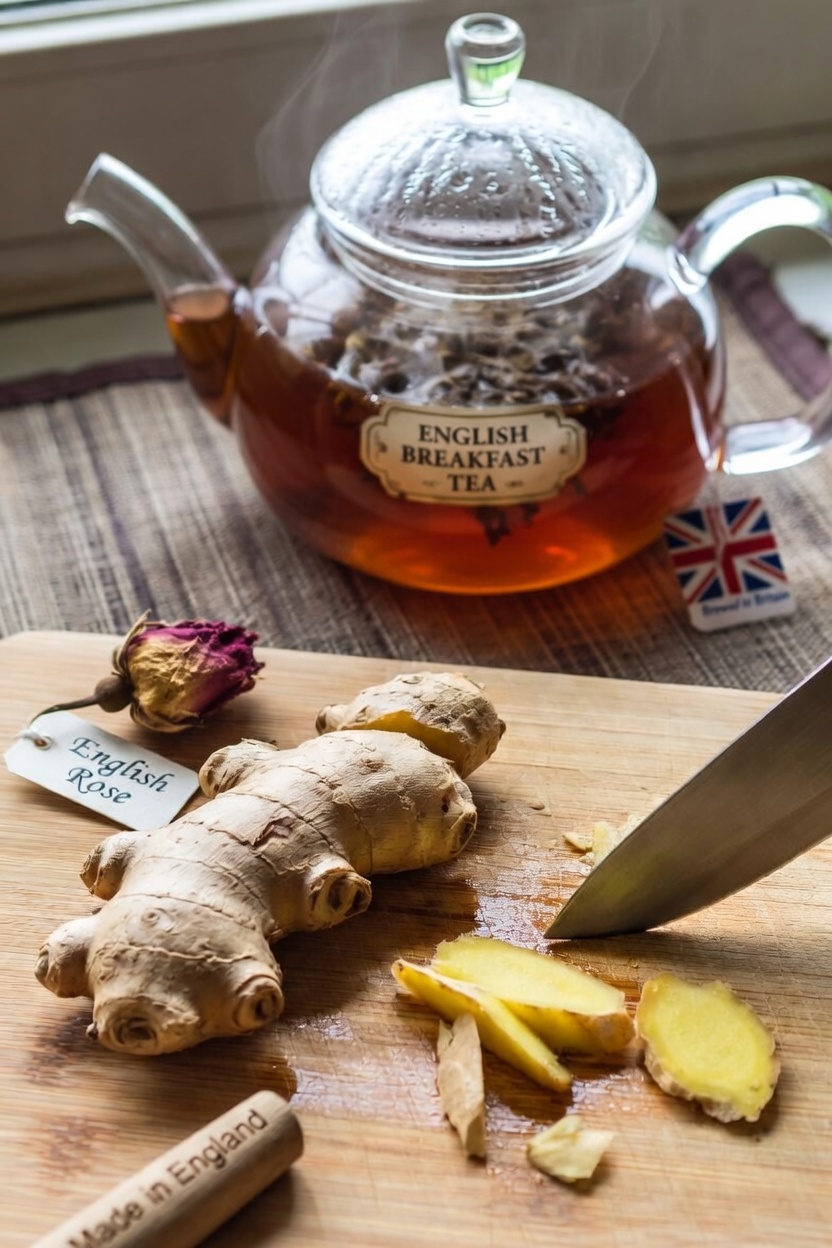
Ginger tea offers a warming, spicy flavor and has long been used in traditional wellness practices to encourage circulation. Ginger contains active compounds such as gingerol, which may support blood vessel dilation and help calm mild inflammation. These effects can improve the delivery of nutrients and oxygen to working muscles.
Research has linked ginger with better peripheral circulation, which is especially relevant for the legs and feet. For some people, this may help reduce the sensation of heaviness in the legs during activity. It can be particularly comforting in cooler weather, when circulation often feels slower.
A simple way to make ginger tea
- Slice or grate 1 inch of fresh ginger root
- Simmer it in 2 cups of water for 10 minutes
- Or steep dried ginger in hot water as an alternative
- Add honey or lemon if desired
Fresh ginger tea is easy to prepare and can quickly become a soothing daily habit.
How Green Tea, Hibiscus, and Ginger Work Well Together
Each of these teas supports circulation in a different way, making them a smart combination for a daily wellness routine:
- Green tea offers broad antioxidant support
- Hibiscus tea helps encourage blood vessel relaxation
- Ginger tea brings warming properties that may promote healthy flow
Using them together creates variety while supporting vascular health from multiple angles. You can rotate them throughout the day or combine two flavors if you prefer a blend. A popular option is ginger and hibiscus, which creates a lively and refreshing tea.
Tips to get the most from these teas
- Aim for 2 to 3 cups total per day
- Drink them consistently over several weeks to notice subtle changes
- Pair tea drinking with light movement, such as a short daily walk
- Choose high-quality, preferably organic teas when possible
Consistency matters. Gentle habits practiced every day often make the biggest difference over time.
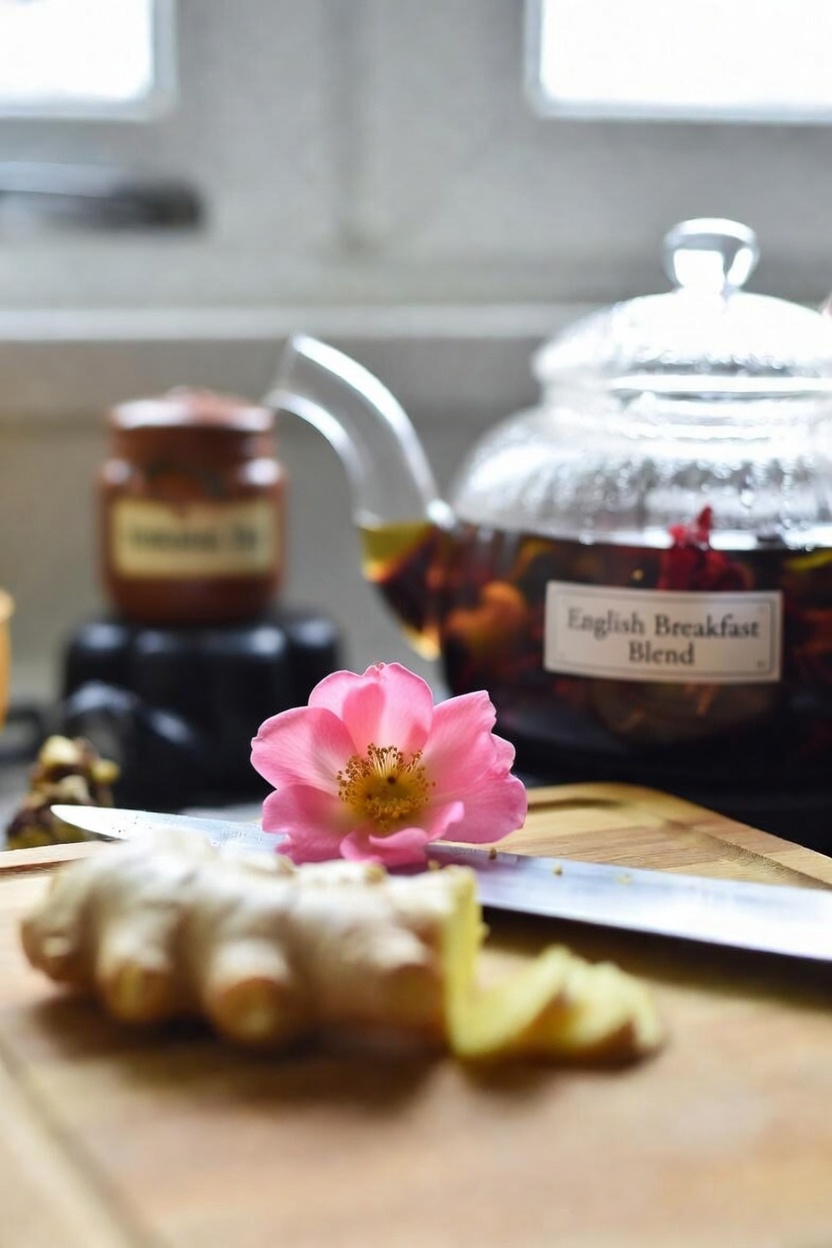
Bonus: An Easy Daily Tea Routine
If you want a simple way to include all three, try this schedule:
- Morning: Start with green tea for antioxidant support and a light lift
- Mid-afternoon: Enjoy hibiscus tea for a refreshing, caffeine-free break
- Evening: Finish the day with ginger tea to relax and support overnight recovery
This routine keeps hydration steady while giving you a range of beneficial plant compounds throughout the day. Many people find that after a few weeks, they feel more prepared for walking and daily movement.
Conclusion: Small Daily Habits Can Support Stronger Steps
Adding green tea, hibiscus tea, and ginger tea to your routine can be a simple and enjoyable way to support healthy circulation, leg comfort, and mobility after 60. These teas are affordable, natural, and easy to include in a lifestyle built around balanced nutrition, regular gentle exercise, and good hydration.
Pay attention to how your body responds, enjoy the ritual, and appreciate small improvements such as easier walks or less leg fatigue. Your legs support you every day, and a little daily care can go a long way.
FAQ
1. How many cups of these teas should I drink each day?
A daily total of 2 to 3 cups, spread across the day, is a practical amount supported by common research patterns. If you are new to these teas, begin with one cup daily and increase gradually based on comfort.
2. Are these teas suitable for everyone over 60?
Not always. Green tea contains caffeine, so people who are sensitive may prefer a decaffeinated version. Hibiscus and ginger are usually caffeine-free, but they may interact with some medications, including certain blood pressure treatments. It is best to speak with a healthcare professional before making them a regular habit.
3. What can I add for flavor without reducing the health benefits?
You can improve the taste naturally with:
- Lemon
- A small amount of honey
- Fresh mint
Try to avoid adding too much sugar so the focus remains on wellness and circulation support.