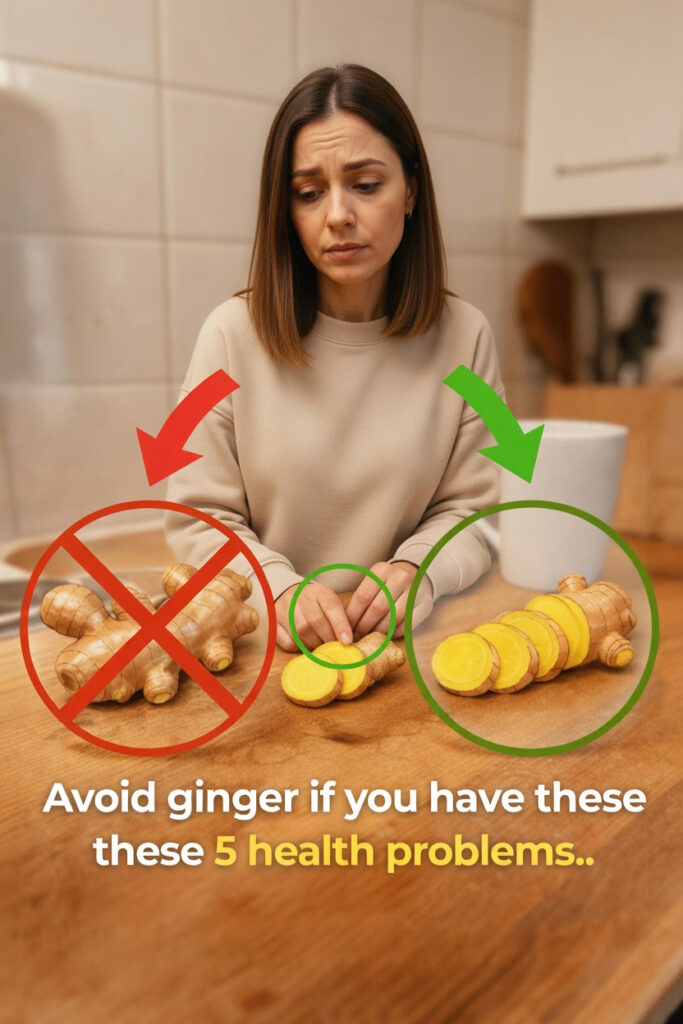
Ginger and Wellness: When This Popular Root May Not Be the Best Fit
Ginger is widely loved for its warming taste and its role in everyday wellness habits. Many people use it to calm an unsettled stomach, add flavor to meals, or enjoy it in tea. Still, even natural foods and herbs are not universally suitable in every circumstance. For some people, larger amounts of ginger—especially in supplement form—may cause mild side effects or interact with certain health conditions and medications.
Evidence from reputable sources such as WebMD, Healthline, and the NIH suggests that ginger is generally safe for most adults when used in moderation, usually up to about 4 grams per day. However, some individuals should be more careful or speak with a healthcare professional before using it regularly. In most cases, the safest approach is to focus on moderation and consider your personal health history.
This article looks at five common situations in which people often ask whether ginger is a good choice for them. You’ll also find practical tips for using ginger more safely and a simple checklist at the end to help you decide whether it belongs in your routine.
Why Ginger Is So Popular—And Why It May Not Suit Everyone
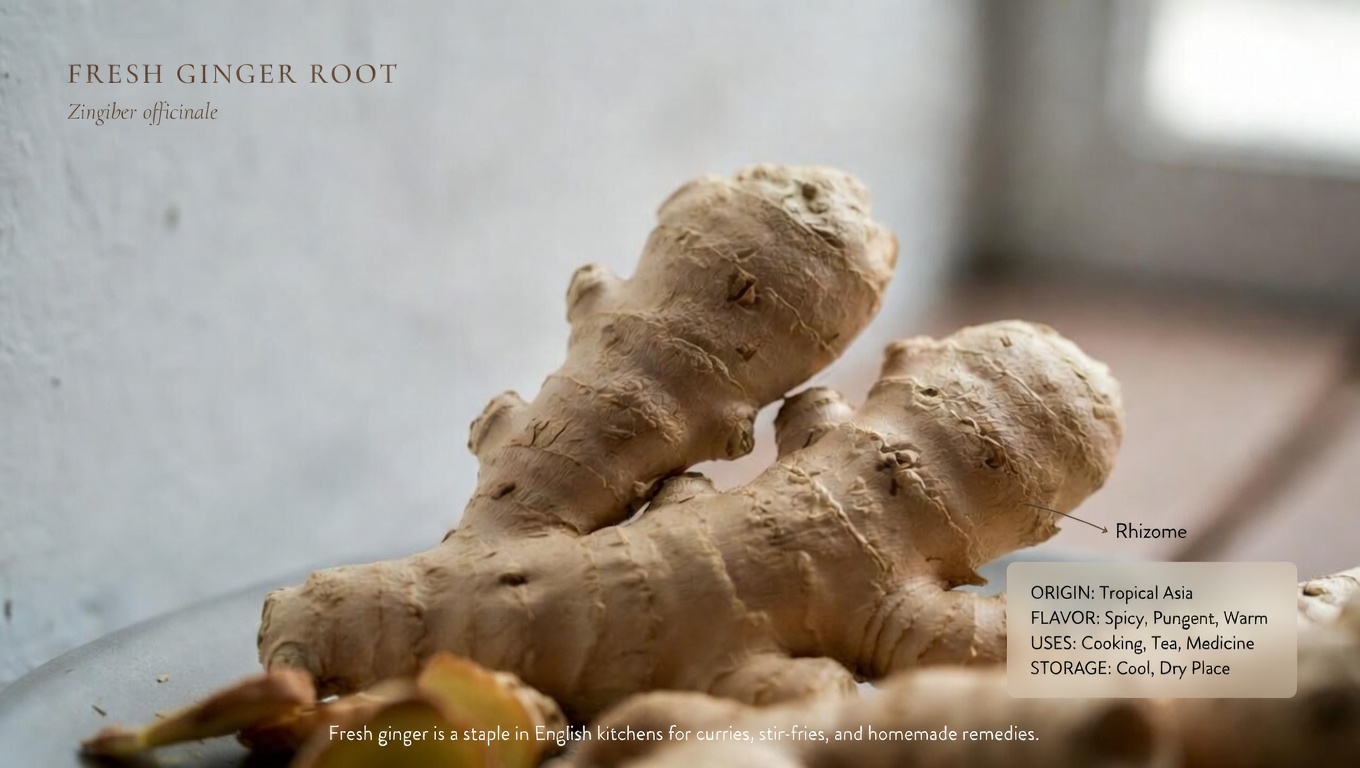
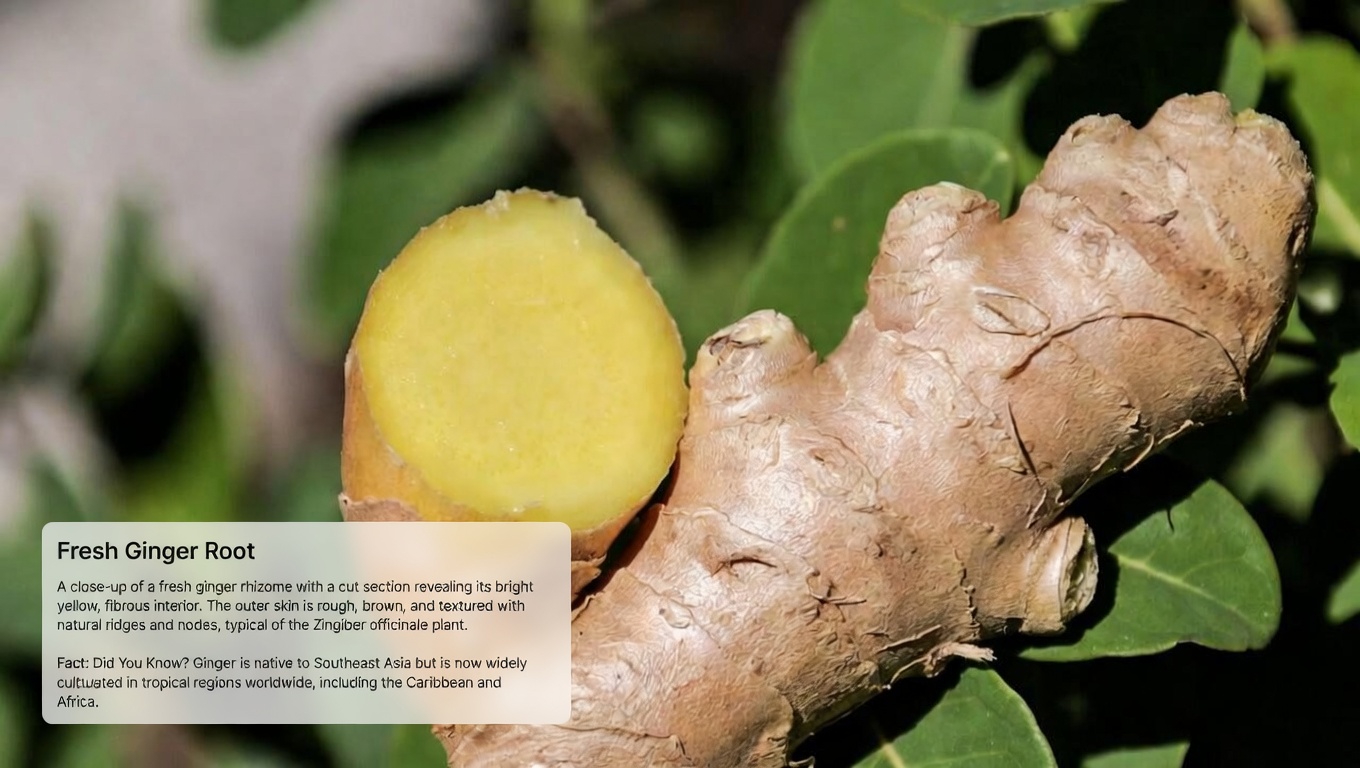
Ginger, or Zingiber officinale, has a long history in both cooking and traditional wellness practices. Research suggests it may help support digestion and ease occasional nausea in many people. At the same time, compounds in ginger, including gingerols, may affect blood clotting, bile flow, and blood sugar in certain cases.
That does not make ginger harmful. It simply means that your body, medical history, and current medications matter. According to evidence-based health sources, the following situations are the ones most often linked to caution.
1. If You Use Blood Thinners or Have Bleeding Issues
In higher amounts, ginger may have a mild effect on blood clotting. Reviews from WebMD and similar health resources note that this may raise bleeding risk when ginger is combined with medications such as warfarin, aspirin, or other anticoagulants.
People with bleeding disorders may be more sensitive to this effect. The same concern can apply to anyone preparing for surgery, since ginger could potentially influence clotting during or after a procedure.
What to keep in mind
- Be especially cautious if you take warfarin, aspirin, or other blood-thinning drugs.
- Bleeding disorders may increase the need for careful monitoring.
- Many healthcare providers recommend stopping ginger use before surgery.
Safer approach
- Choose small culinary amounts instead of high-dose capsules or extracts.
- Keep track of how much ginger you consume.
- Ask your doctor whether ginger is appropriate for your situation.
2. During Pregnancy, Especially in Larger Amounts
Many pregnant women use ginger in modest amounts to help manage morning sickness, and some studies support its safety at low doses. Even so, experts point out that excessive use—particularly later in pregnancy—may carry a small risk related to bleeding or other effects, as noted by sources like Memorial Sloan Kettering Cancer Center.
For this reason, ginger during pregnancy is often best approached carefully and in food-based forms rather than concentrated supplements.
Important considerations
- Small amounts in food or tea are usually preferred over high-strength products.
- Extra caution may be needed in late pregnancy.
- Prenatal care providers should be part of the decision.
Practical tip
- Start with a small amount, such as a thin slice steeped in tea.
- Avoid assuming that “natural” means unlimited or risk-free.
- Check with your prenatal provider before using ginger regularly.
3. If You Have Gallbladder Problems or Gallstones
Some evidence suggests ginger may stimulate bile production. That may not be ideal for people with gallbladder conditions, including gallstones. Health resources such as Healthline and Peptiko mention this as a possible reason for caution, since increased bile flow could worsen symptoms in some individuals.
This concern is more relevant with concentrated forms of ginger than with small amounts used in cooking, but it is still worth paying attention to if you have a history of gallbladder discomfort.
Who should be careful
- People with known gallstones
- Anyone with past gallbladder pain or inflammation
- Individuals unsure whether digestive symptoms may be gallbladder-related
Smart use tip
- Try gentler options for digestive support if gallbladder health is an issue.
- Notice how your body reacts even to small amounts.
- Speak with a healthcare professional if you have ongoing symptoms.
4. If You Are Managing Blood Sugar or Taking Diabetes Medication
Ginger may influence blood sugar levels in some people. When combined with diabetes medications such as insulin or metformin, it may contribute to blood sugar dropping too low. Sources including RxList highlight the importance of monitoring for this reason.
This does not mean everyone with diabetes must avoid ginger. It simply means that dose and consistency matter, especially if ginger is being used regularly or in supplement form.
Why monitoring matters
- Ginger may affect glucose levels differently from person to person.
- Blood sugar medications may amplify its effects.
- Even mild changes can matter if you are trying to maintain stable readings.
Helpful step
- Record your ginger intake along with meals and glucose readings for several days.
- Watch for patterns such as lower-than-usual readings.
- Talk with your healthcare provider if you notice changes.
5. If You Have Digestive Sensitivity or Heart Concerns at High Doses
For many people, ginger supports digestion. However, larger amounts—often above 5 to 6 grams per day—may sometimes lead to heartburn, bloating, or stomach irritation. NCBI reviews and WebMD also note that high doses may affect heart rhythm or blood pressure in sensitive individuals.
Those with reflux, ulcers, or certain heart conditions may want to begin with very small amounts and avoid concentrated supplements unless advised otherwise.
Signs to watch for
- Heartburn after eating or drinking ginger
- Bloating or stomach discomfort
- Worsening reflux symptoms
- Unusual sensations if you already have a heart condition
Better way to test tolerance
- Start with a mild ginger tea rather than a supplement.
- Sip slowly and see how your body responds.
- Reduce the amount if symptoms appear.
How to Use Ginger More Safely
If you want to enjoy ginger without overdoing it, a few simple habits can make a big difference.
Practical guidelines
- Choose food first: Add fresh or powdered ginger to soups, stir-fries, tea, or smoothies instead of reaching for concentrated products.
- Keep portions moderate: Staying under 4 grams per day is a common guideline unless a healthcare provider tells you otherwise.
- Pay attention to your body: Notice any changes in digestion, comfort, or energy after using ginger.
- Get medical advice when needed: If you take medication or have an ongoing health issue, ask your provider before using supplements.
- Be mindful of timing: Avoid large amounts close to surgery or if unusual symptoms develop.
These simple steps can help you use ginger in a more informed and balanced way.
Ginger in Food vs. Supplements
There is a clear difference between culinary ginger and concentrated products.
Food-based ginger
- Usually milder
- Easier to portion
- Less likely to cause side effects
- Better suited for everyday use
Supplements or extracts
- More potent
- Higher chance of interactions
- Greater risk of side effects in sensitive individuals
- Best used with professional guidance
For most people, ginger in meals or drinks is easier to tolerate than high-dose supplements.
Simple Checklist: Is Ginger Right for You?
Before adding ginger to your daily routine, ask yourself:
- Do I take blood thinners or have a bleeding disorder?
- Am I pregnant and considering regular ginger use?
- Do I have gallstones or gallbladder symptoms?
- Am I taking medication for diabetes or monitoring blood sugar closely?
- Have I had heartburn, reflux, stomach irritation, or heart-related concerns with herbs or supplements before?
If you answered yes to any of these, it may be worth getting personalized medical advice before using ginger frequently or in concentrated form.
Final Thoughts
Ginger remains a popular and versatile ingredient with broad appeal for digestive comfort and everyday wellness. For most adults, moderate use in food is enjoyable and well tolerated. Still, there are specific situations where a little extra caution makes sense.
The main takeaway is simple: ginger can be a helpful part of a healthy routine, but it is not automatically right for everyone in every amount. Paying attention to your health profile and using it in moderation can help you enjoy its benefits more safely.
FAQ
Is ginger safe to use every day in cooking?
For most healthy adults, yes. Small amounts used in meals are generally well tolerated and can fit into a balanced diet.
Can children consume ginger?
Often yes, in small food amounts. However, it is best to ask a pediatrician first, especially for very young children or if there are any medical concerns.
What should I do if ginger upsets my stomach?
Try reducing the amount or switching to a gentler form, such as diluted ginger tea. If the discomfort continues, talk to a doctor to check for sensitivity or another underlying issue.