Why You Should Think Twice Before Pulling Up Common Mallow
If common mallow (Malva sylvestris) appears in your garden, you may be tempted to remove it right away. However, this often-overlooked plant is far more valuable than it seems. Frequently labeled as a weed, common mallow is actually rich in nutrients, offers several traditional wellness benefits, and can even be used in the kitchen.
A Nutrient-Rich Wild Plant
Common mallow provides an impressive range of vitamins and minerals that can contribute to overall health. Its natural nutritional profile includes:
- Vitamin A – Supports healthy vision and helps maintain immune function.
- Vitamin C – Encourages immune defense and works as an antioxidant.
- Vitamin E – Promotes skin health and helps protect cells from oxidative damage.
- Calcium and magnesium – Important for strong bones and proper muscle performance.
Rather than discarding this plant, it may be worth adding it to your diet in simple, practical ways.
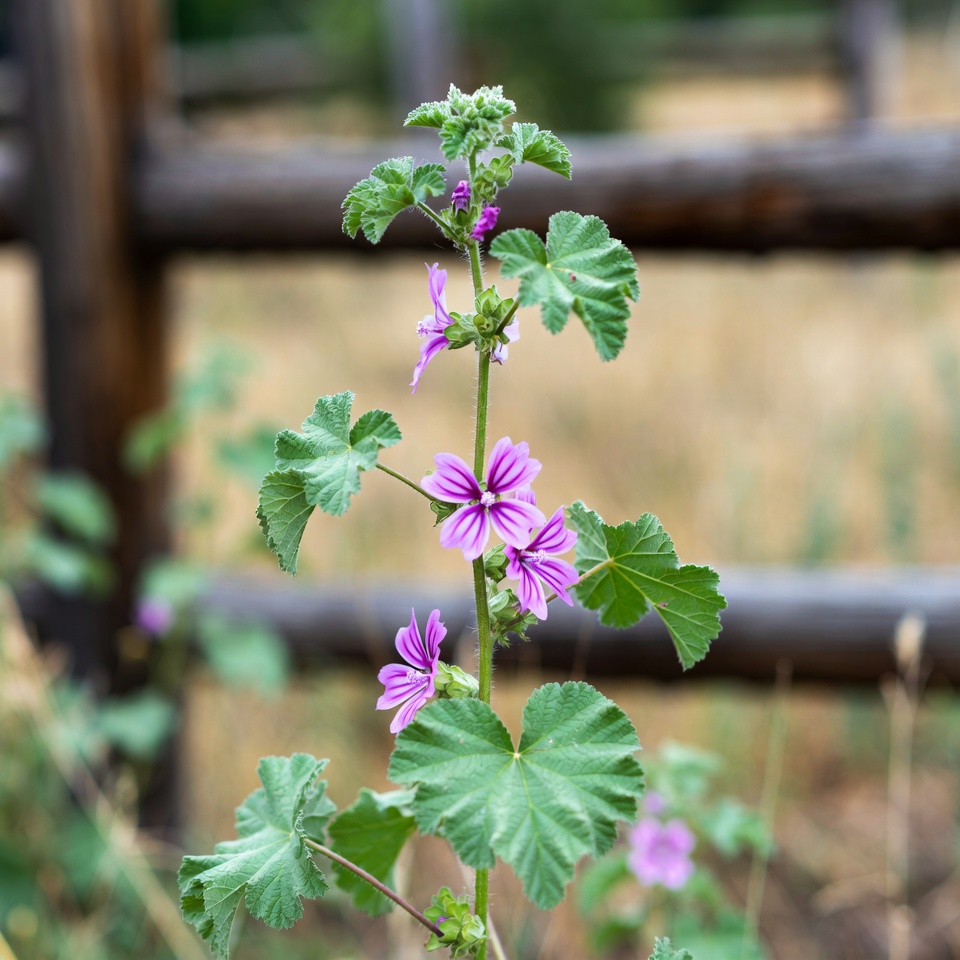
May Help Calm Digestive Discomfort
For those dealing with digestive troubles such as indigestion, acid reflux, or gastritis, common mallow may offer gentle support. It contains mucilage, a soothing substance that can:
- Coat the digestive lining
- Help ease stomach irritation
- Support smoother digestion and gut comfort
A cup of mallow tea is often used as a mild, comforting option for an unsettled stomach.
A Natural Way to Ease Inflammation
Common mallow contains beneficial plant compounds, including flavonoids and phenolic acids, which are associated with anti-inflammatory effects. This makes it useful for a variety of common concerns, such as:
- Joint discomfort and stiffness
- Sore throats and persistent coughs
- Skin irritation when used externally as a poultice
For people looking for plant-based wellness options, mallow can be a helpful natural addition.
Supports Immunity and Helps Defend Against Infections
Thanks to its antioxidant content, common mallow may also support the body during times of seasonal illness. It is often valued for its ability to:
- Strengthen immune defenses
- Support recovery during colds
- Help protect the body from harmful microbes
During cold and flu season, a warm mallow infusion can be especially comforting.
Benefits for Skin and Respiratory Comfort
Common mallow is also known for its usefulness in skin care and respiratory support.
- Emollient properties – Can help soften and soothe dry, sensitive, or irritated skin.
- Expectorant effects – May assist in loosening mucus and relieving coughs.
For skincare, mallow-infused water can be used as a gentle toner. For respiratory relief, mallow tea may help clear phlegm and make breathing feel easier.
Common Mallow Is Edible Too
One of the best things about common mallow is that it is not just useful—it is also edible. Both the leaves and flowers can be enjoyed in different dishes, adding flavor as well as nutrients.
Here are a few easy ways to use it:
- Salads – Add fresh leaves to mixed greens.
- Tea – Brew the leaves or flowers into a soothing herbal drink.
- Soups and stews – Cook it like spinach for extra nourishment.
Final Thoughts: Don’t Toss It, Use It
Instead of automatically removing common mallow from your garden, consider the many ways it can benefit your health and meals. This wild plant is abundant, versatile, and full of value. What many people call a weed may actually be a natural superfood growing right in your backyard.
Why Common Mallow Deserves a Place in Your Garden
Common mallow stands out for several reasons:
- It is naturally rich in vitamins and minerals.
- It may soothe digestion and inflammation.
- It can support the immune system and respiratory health.
- It is edible and easy to use in everyday recipes.
Keeping common mallow in your garden may be a smarter choice than pulling it out.