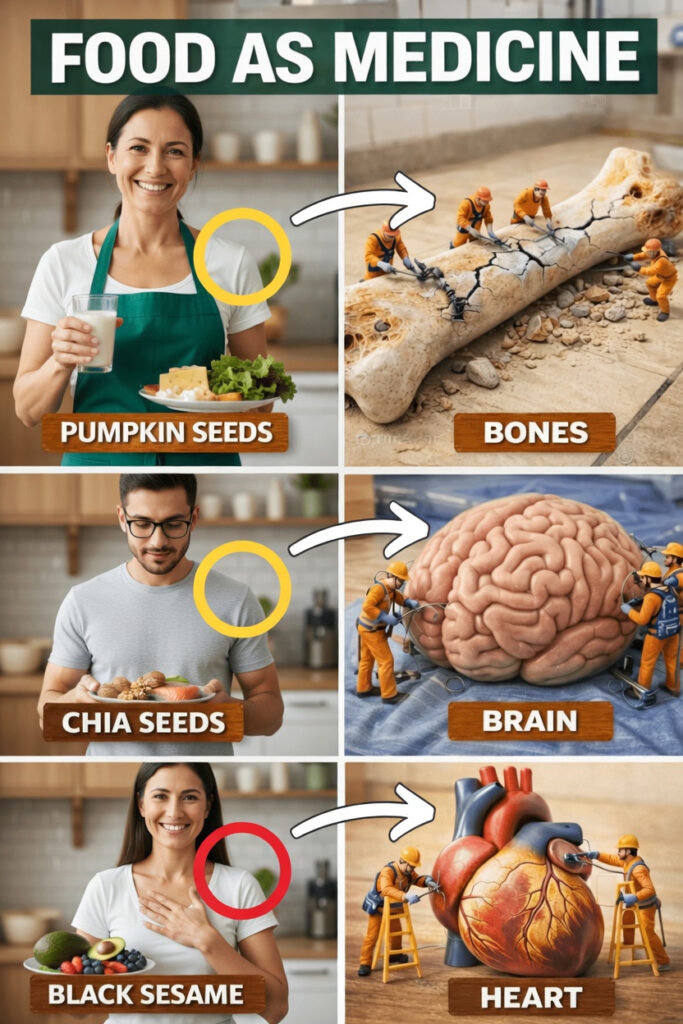
4 Everyday Seeds That Naturally Support Bones, Brain, Heart, and Eye Health
Modern life can quietly take a toll on the body. Hours spent in front of screens may leave your eyes strained, mental fatigue can make concentration harder, and many people begin thinking more seriously about bone strength and heart health as they get older. Even with good intentions, busy routines and unbalanced meals can create nutrient shortfalls that affect overall wellness.
The encouraging part is that support may come from something very simple: seeds you can easily add to everyday meals. These small foods are rich in minerals, healthy fats, and antioxidants that help nourish key body systems when included in a balanced diet.
If a small daily serving could help reinforce your nutrition in an easy and enjoyable way, it is worth knowing which seeds offer the most value. Below are four standout options and the ways they may contribute to better organ support.
Why Pumpkin Seeds Are Excellent for Bone Health
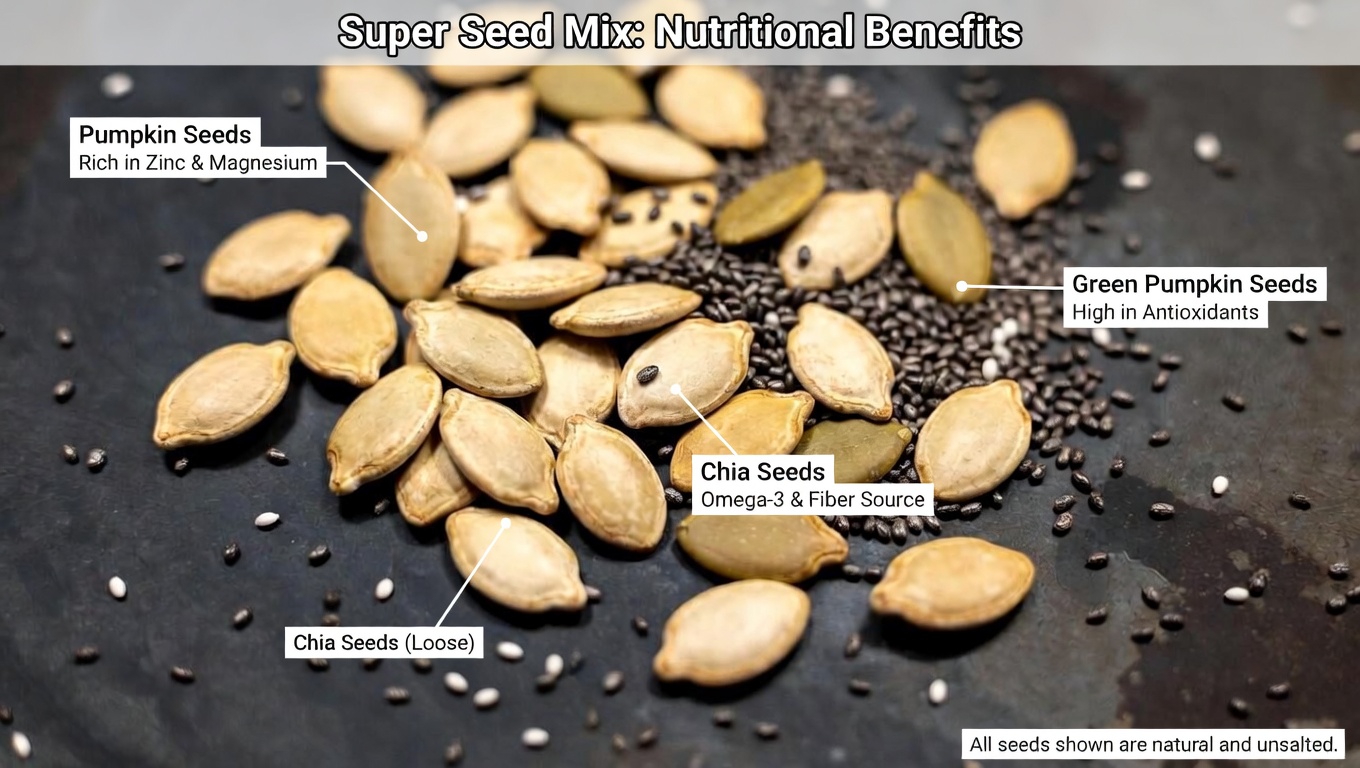
Pumpkin seeds, often called pepitas, are especially valued for their impressive mineral content, making them a smart choice for supporting the skeletal system.
They contain magnesium, zinc, and phosphorus, all of which are important for building and maintaining strong bones. Magnesium is closely linked with bone density, while phosphorus works together with calcium to strengthen bone structure. Zinc also plays a role in tissue renewal and repair. Research suggests that getting these nutrients from whole foods such as seeds may help maintain bone resilience over time.
Key benefits of pumpkin seeds include:
- Rich in magnesium, often supplying a notable amount in just a small portion
- A source of zinc, which supports bone tissue maintenance
- Provides phosphorus, an essential mineral for skeletal structure
They are easy to use in daily meals. A handful scattered over yogurt, soups, or salads can add both flavor and nutritional value.
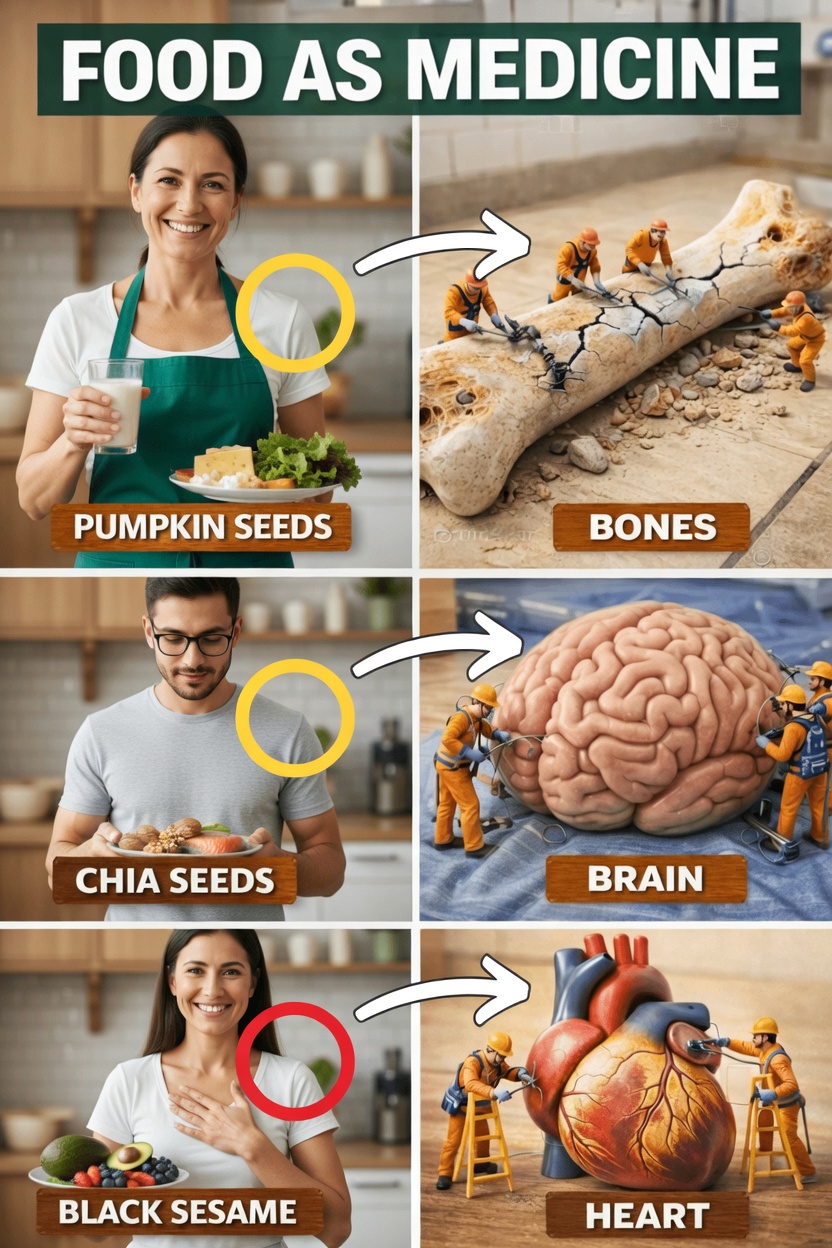
Chia Seeds for Brain Function and Mental Clarity
Chia seeds are widely recognized for their plant-based omega-3 fats, especially ALA, or alpha-linolenic acid. The body can use this fatty acid to help support brain function.
Nutrition research has linked omega-3 intake with lower inflammation and better cognitive support. Chia seeds also contain antioxidants, which may help the body manage oxidative stress that can affect focus and mental sharpness. When consumed regularly as part of a healthy lifestyle, they can be a simple way to support long-term brain wellness.
Easy ways to enjoy chia seeds:
- Soak them overnight in water or milk to make a quick pudding
- Blend them into smoothies for extra thickness and nutrition
- Sprinkle them over oatmeal, cereal, or avocado toast
Including chia seeds consistently may help provide steady nutritional support for the brain.
Black Sesame Seeds and Heart-Friendly Nutrition
Black sesame seeds offer more than a rich, nutty taste. They contain lignans such as sesamin, natural plant compounds that have been studied for their potential cardiovascular benefits.
Some research suggests these compounds may help support healthy cholesterol balance and circulation by helping the body manage inflammation and oxidative stress. Along with antioxidants and beneficial fats, black sesame seeds can be a gentle but useful addition to a heart-conscious eating pattern.
Simple ways to add black sesame seeds to your meals:
- Lightly toast and grind them into a paste for sauces or dressings
- Stir them into rice, grain bowls, or baked recipes
- Sprinkle them over stir-fries or roasted vegetables for crunch
Even modest amounts can fit easily into a daily routine while delivering useful heart-supportive nutrients.
Melon Seeds for Eye Protection and Visual Comfort
Melon seeds are often ignored, yet they can offer meaningful nutritional support, especially for the eyes. Seeds from melons such as watermelon or cantaloupe provide vitamin E, zinc, and antioxidants.
Vitamin E helps protect delicate eye tissues from oxidative stress, while zinc contributes to normal retinal function. These nutrients align with research focused on maintaining vision and supporting eye comfort as people age. Although they are less commonly used than other seeds, melon seeds can be a valuable part of a varied diet.
Practical ways to prepare melon seeds:
- Rinse, dry, and lightly roast them for a simple snack
- Grind them into a powder and mix into soups or warm drinks
- Combine them with other seeds in homemade trail mix
Using them regularly can help broaden your nutrient intake and support eye health naturally.
Easy Daily Habits for Eating More Seeds
You do not need to overhaul your diet to enjoy the benefits of these nutrient-dense foods. Starting with small amounts can make the habit easy to maintain.
Here are a few simple ideas:
- Morning: Add 1 to 2 tablespoons of chia seeds or pumpkin seeds to your breakfast
- Midday: Keep a seed mix with black sesame and melon seeds for a quick snack
- Evening: Top salads, grain bowls, or warm dishes with toasted seeds
- For hydration: Soak chia seeds overnight in water with lemon for a refreshing drink
Choosing a variety of seeds is a smart approach, since each type brings a different nutrient profile. You can also combine them in homemade energy bites, granola, or snack mixes to keep things interesting.
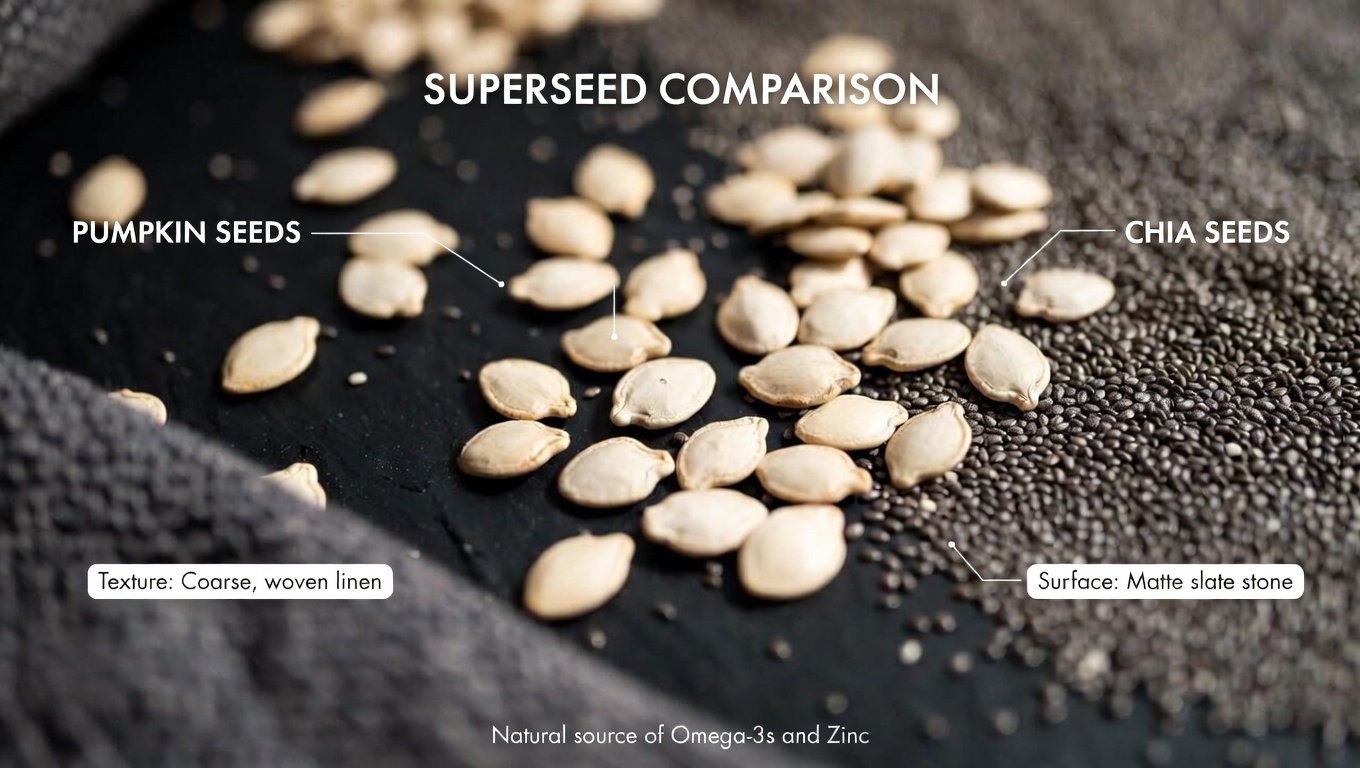
Why Seeds Can Be So Powerful
Seeds may be tiny, but their nutritional effect comes from the way their components work together. Healthy fats help the body absorb fat-soluble nutrients such as vitamin E. At the same time, minerals and antioxidants contribute broader support across multiple systems.
Research on plant-based eating patterns continues to show that a diverse intake of foods like seeds, fruits, and vegetables is associated with better overall wellness markers. When combined with regular movement and balanced meals, seeds can become an easy part of a supportive daily routine.
Final Thoughts: Small Seeds, Meaningful Benefits
Adding seeds to your meals is a simple change that can deliver lasting nutritional value. Without requiring major effort, these everyday ingredients may help support bone strength, brain function, cardiovascular wellness, and eye health.
Over time, small choices like these can make your diet more nourishing, more enjoyable, and better aligned with long-term wellbeing.
Frequently Asked Questions
How much of these seeds should I eat each day?
A practical starting point is 1 to 2 tablespoons of each type, divided throughout the day. This amount provides useful nutrients without adding too many extra calories.
Can I eat these seeds if I have food allergies?
Always consider your personal sensitivities before trying new foods. Sesame is a common allergen, so begin with a small portion and seek professional advice if you are unsure.
Are raw seeds better than roasted seeds?
Both can be good choices. Raw seeds may retain more heat-sensitive nutrients, while lightly roasted seeds often have better flavor and may be easier to digest.
This content is intended for educational purposes only and should not be considered medical advice. For guidance tailored to your health needs or diet, consult a qualified healthcare professional.