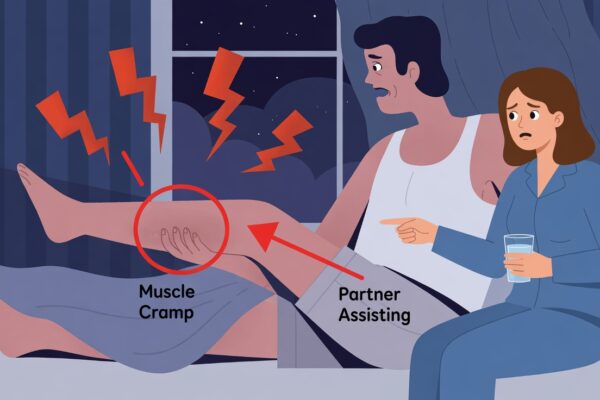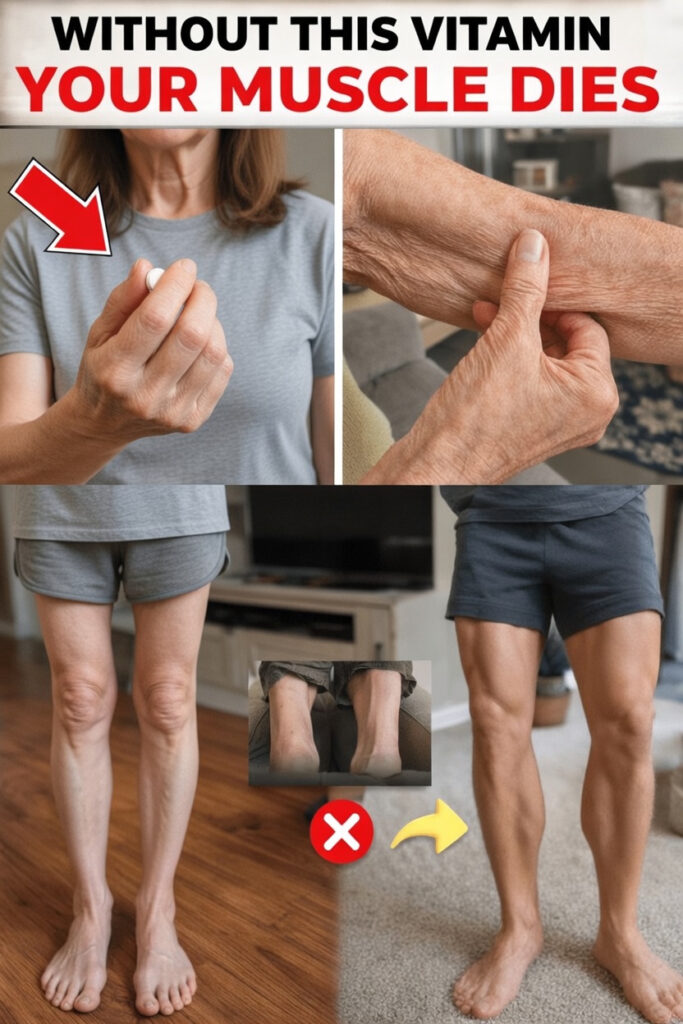
Vitamin D and Muscle Health: Why It Matters More as You Age
As the body ages, a gradual loss of muscle mass and strength is a normal part of the process. This shift can begin quietly in the 30s or 40s, then become more noticeable later in life. Lower physical activity, hormonal changes, and reduced nutrient absorption all play a role in this decline.
Among the nutrients linked to healthy aging, vitamin D receives significant attention. Muscle tissue contains vitamin D receptors, and this nutrient helps regulate calcium balance, which is essential for muscle contraction, recovery, and repair. Studies have connected low vitamin D levels with weaker strength, poorer physical performance, and a greater risk of falls in older adults living independently.
Large observational studies also suggest that individuals with adequate vitamin D often perform better in measures such as grip strength and walking speed than those with lower levels. Although vitamin D is not a magic solution on its own, maintaining healthy levels appears to support muscle quality when combined with other healthy habits.
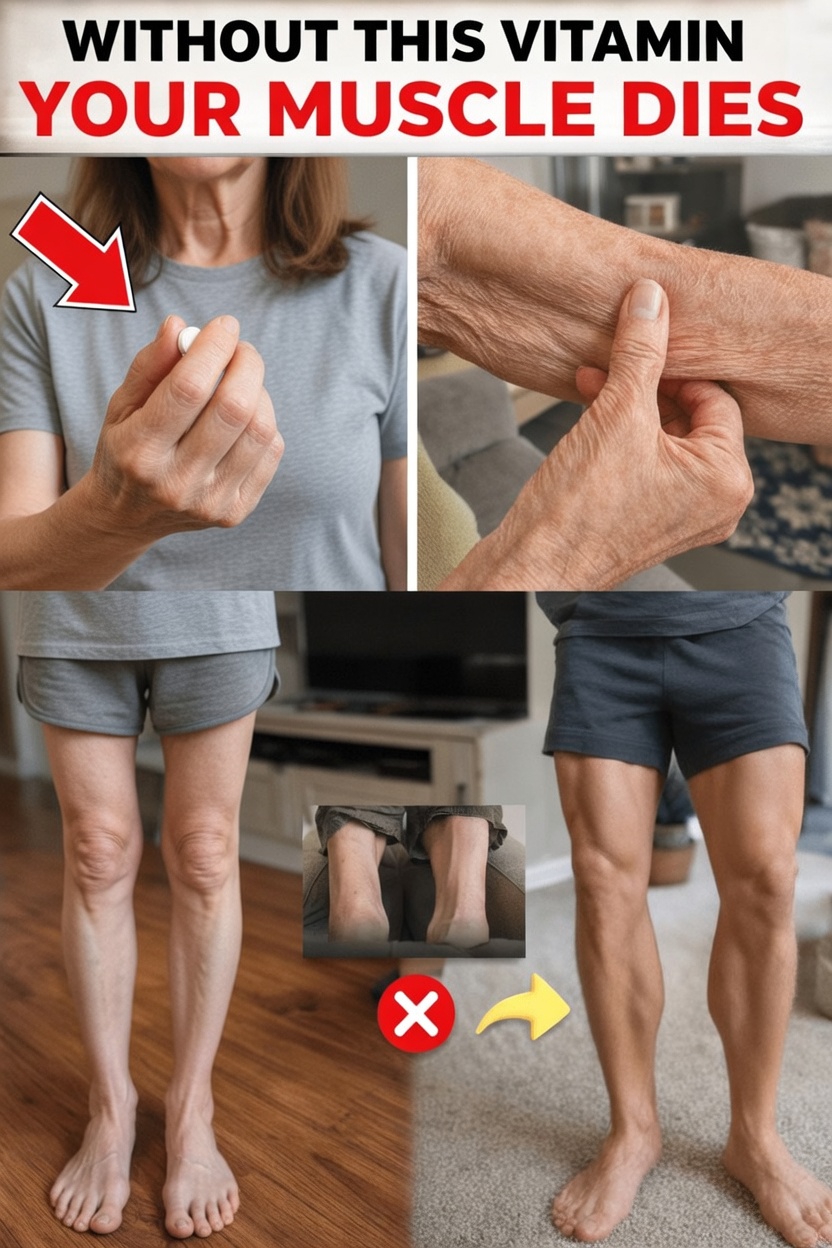
How Vitamin D Helps Support Muscle Function
Vitamin D supports the muscles in several important ways:
- It helps promote muscle protein synthesis and supports the health of muscle fibers.
- It plays a role in mitochondrial function, helping cells produce the energy needed for movement.
- Sufficient levels are associated with lower rates of muscle atrophy in certain areas, especially the arms and legs.
Several research reviews highlight that vitamin D deficiency is especially common in older adults. This is often due to:
- Less time spent in sunlight
- Reduced vitamin D production by aging skin
- Gaps in the diet
When vitamin D status is low, physical performance tests such as handgrip strength and sit-to-stand ability often show lower results.
There is also encouraging evidence from meta-analyses that combining vitamin D support with adequate protein intake and regular movement may improve strength. The effect on muscle mass itself appears more variable, but the connection to function is promising.
5 Practical Habits to Support Healthy Vitamin D Levels
If you want to maintain vitamin D naturally while also protecting muscle function, these simple habits can help:
-
Get sensible sun exposure
Spending about 10 to 30 minutes in midday sunlight on the arms and legs several times a week may help, depending on your skin tone, climate, and season. Avoid sunburn at all times. -
Choose foods rich in vitamin D
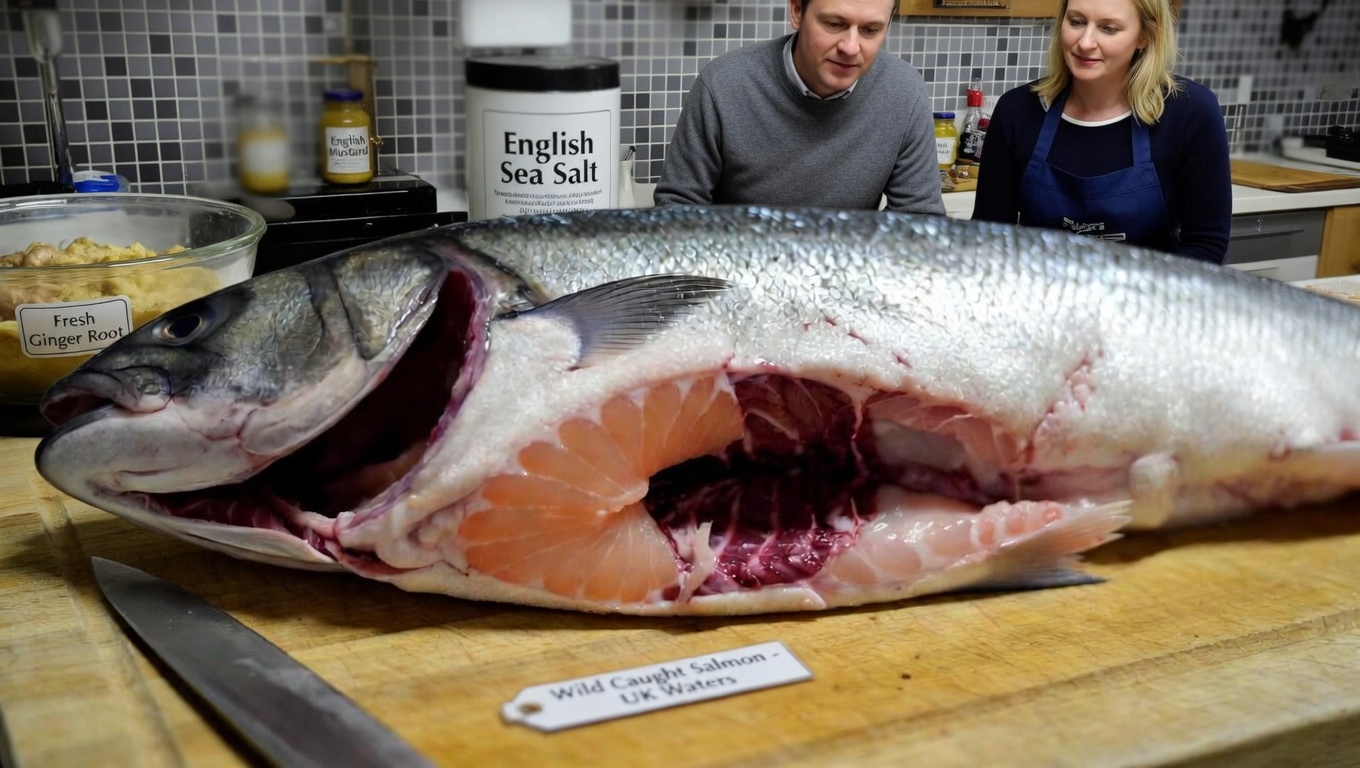
Good options include fatty fish such as salmon and mackerel, fortified dairy products or plant-based milks, egg yolks, and mushrooms exposed to UV light. -
Use fortified foods when possible
Many cereals, yogurts, and orange juices contain added vitamin D. Reading labels can help you find easy everyday sources. -
Stay physically active, especially with resistance exercise
Light weights, bodyweight movements, or resistance training a few times per week can help muscles make better use of available nutrients. -
Monitor your intake carefully
If you get little sun or your diet is limited, it may be helpful to speak with a healthcare professional about testing your vitamin D level and whether supplementation is appropriate.
The real benefit comes from consistency. Small actions practiced regularly can lead to meaningful changes over time.
Best Food Sources of Vitamin D
To make daily planning easier, here are some common foods that can help increase vitamin D intake:
- Wild salmon, 3 oz: about 600–1000 IU
- Mackerel, 3 oz: about 400–600 IU
- Fortified milk or orange juice, 1 cup: about 100 IU
- Egg yolk, 1 large: about 40 IU
- Fortified cereal, 1 serving: usually 40–100 IU
- UV-exposed mushrooms, 1 cup: up to 400 IU
Adding a few of these foods to your routine can help close nutritional gaps without making meals complicated.

Simple Steps to Start Today
You do not need a major lifestyle overhaul to begin supporting muscle health and vitamin D status. Start with these manageable actions:
-
Review your current routine
Keep track of your sunlight exposure and food choices for a few days. -
Add one reliable source of vitamin D
For example, eat salmon twice a week or switch to fortified milk. -
Include more movement
Begin with 10-minute walks and basic strength exercises like squats or wall push-ups. -
Talk with your doctor
Ask whether a blood test for vitamin D would be useful, especially if you get little sun or follow a restricted diet. -
Observe changes over time
After a few months, notice whether daily tasks, energy levels, or physical comfort improve.
These modest steps can build into long-term support for strength, mobility, and independence.
Conclusion
Protecting muscle health with age does not require extreme strategies. In most cases, the most effective approach is a steady combination of sensible sun exposure, vitamin D-rich foods, and regular physical activity. Older adults who pay attention to these areas often maintain better strength and mobility over time.
The real secret is not a single pill or quick fix. It is the cumulative effect of everyday choices that help preserve muscle function and overall vitality.
Frequently Asked Questions
What are the common signs of low vitamin D?
People with low vitamin D may experience fatigue, muscle soreness, or weakness, although these symptoms can also be caused by other conditions. A blood test is the most accurate way to know your status.
Is food enough to meet vitamin D needs?
For many people, getting enough vitamin D from food alone can be difficult, especially in places with limited sunlight or in diets low in fish and dairy. Fortified foods and moderate sun exposure can help, but some individuals may need professional guidance.
Is it safe to improve vitamin D levels through lifestyle habits?
Yes, moderate sun exposure and vitamin D-rich foods are generally considered safe for most people. However, if you have medical conditions or are considering major changes, it is best to consult a healthcare provider first.