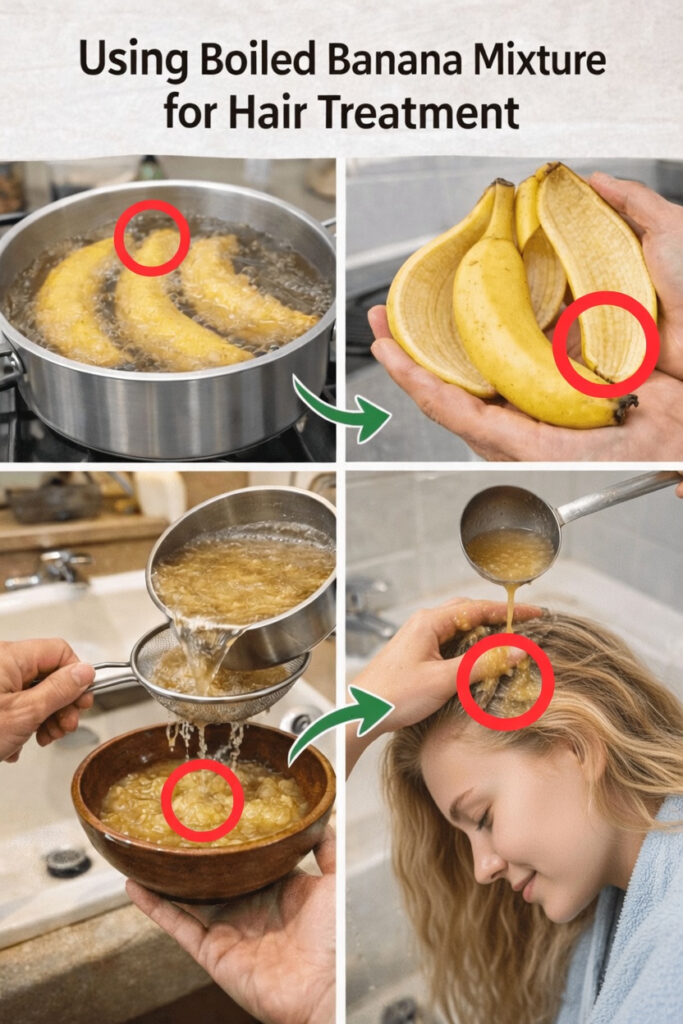
A Simple Natural Rinse for Dry, Dull Hair
As people get older—or deal with stress, pollution, heat styling, and changing weather—they often find that their hair no longer feels the same. It may become rougher, lose its shine, break more easily, or seem harder to manage. These changes can also raise concerns about scalp comfort, slower hair growth, and overall hair strength, making daily styling more difficult and less enjoyable.
What if something usually thrown in the trash could become part of a gentle, affordable hair care ritual? Banana peels, when boiled in water, create a light nutrient-infused rinse that many natural beauty enthusiasts use to help hair feel softer and smoother. Below, you’ll learn why this method has gained attention, how to prepare it, and what results you can realistically expect.
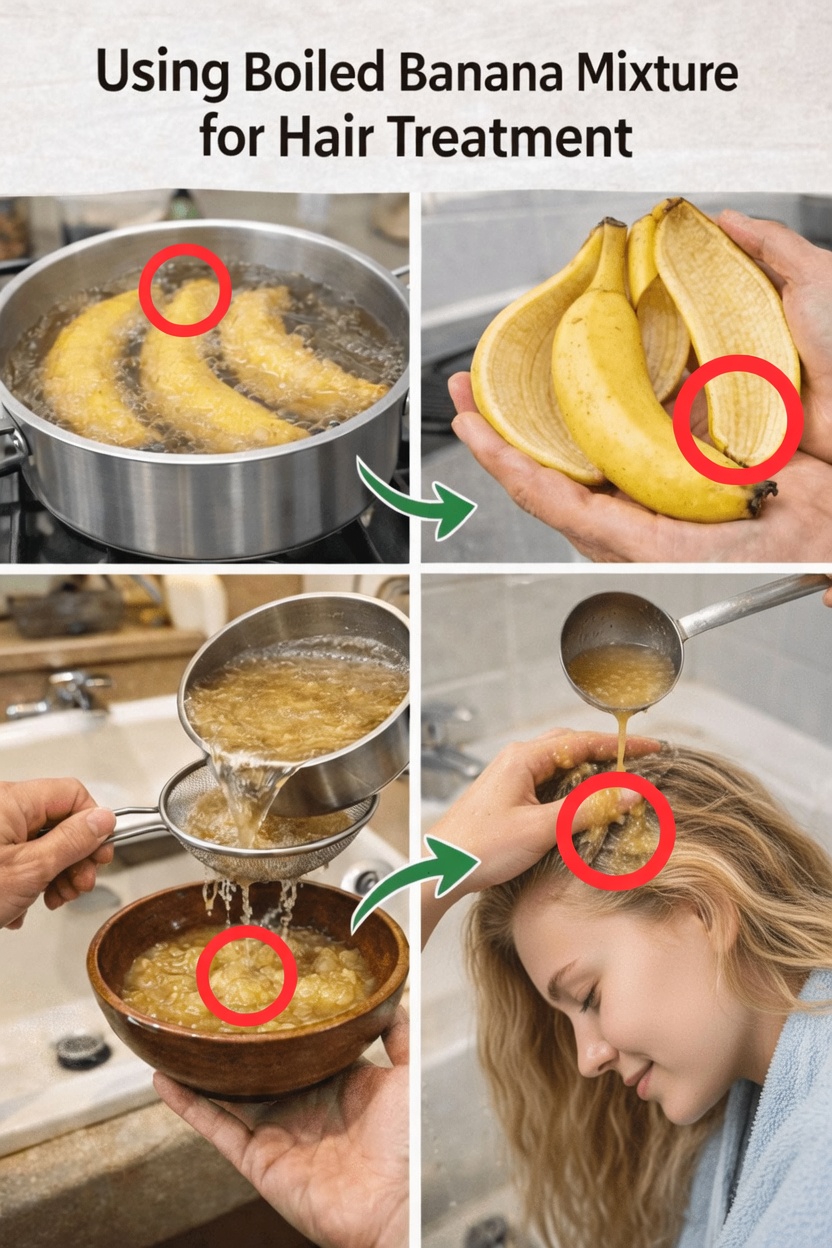
Why Banana Peels Can Be Useful in Hair Care
Banana peels may seem like kitchen waste, but they contain several naturally occurring compounds that make them interesting for home hair care. Studies and nutrient analyses show that banana peels provide antioxidants, phenolic compounds, and minerals such as potassium, all of which are linked to general nourishment.
These plant nutrients may help reduce oxidative stress, which can affect both scalp condition and the appearance of hair. Antioxidants can support a more balanced scalp environment, while potassium is associated with moisture regulation. Some references also note the presence of silica, a compound connected to collagen production, which is important for stronger-looking, more resilient hair fibers.
Banana peels have also shown antimicrobial activity in laboratory settings, which may be helpful for calming minor scalp discomfort. While they are not a cure-all, they can be a gentle addition to a regular hair wellness routine.
Nutrients in Banana Peels That May Benefit Hair
Banana peels stand out because of their mix of helpful plant-based nutrients. Here are some of the most notable:
- Potassium: Supports hydration balance and may help the scalp maintain a healthy environment for nutrient flow.
- Silica: Plays a role in collagen formation, which is often associated with improved hair strength and elasticity.
- Antioxidants: Compounds such as phenolics may help defend hair and scalp from free radical damage.
- Vitamins and trace minerals: Small amounts of nutrients like magnesium and B vitamins can contribute to scalp wellness.
- Natural oils and fiber: Offer light conditioning benefits without weighing the hair down too heavily.
Because of this combination, many people who use banana peel treatments regularly say their hair feels smoother, softer, and a bit shinier over time.
How Boiled Banana Peel Water Helps the Hair
When banana peels are simmered in water, some of their water-soluble nutrients are released into the liquid. The result is a mild hair rinse that is easy to use and much lighter than a thick mask or paste.
This banana peel water can lightly coat the hair shaft, helping strands feel more manageable and less tangled. People often describe the rinse as leaving the hair softer and easier to comb through. Straining the liquid well also makes application cleaner and more convenient.
Used after shampooing, this natural rinse may improve the overall texture and appearance of the hair while avoiding synthetic ingredients found in many commercial products.
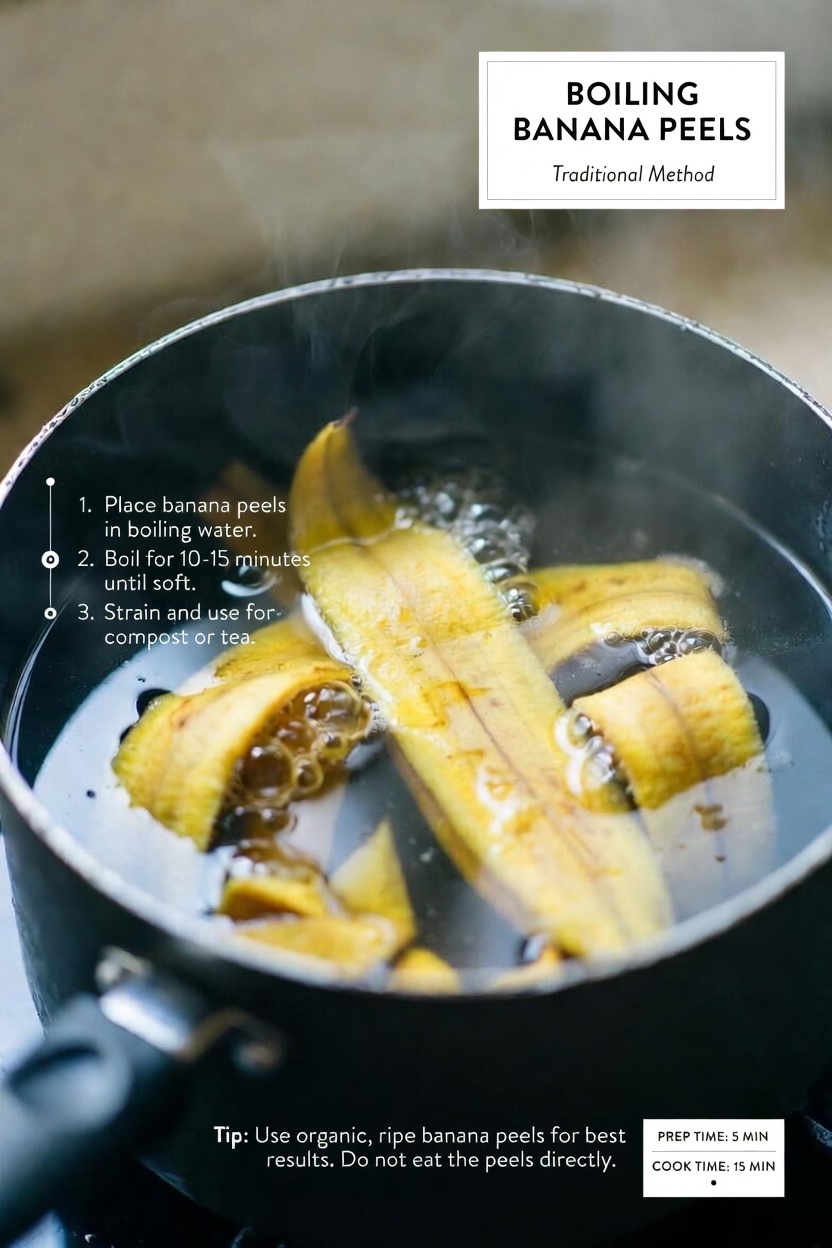
How to Make and Use a Boiled Banana Peel Hair Rinse
You can prepare this DIY hair rinse at home with just a few basic ingredients and tools.
What You Need
- Peels from 3 to 4 ripe bananas
- 4 to 5 cups of water
- A pot
- A fine strainer or clean cloth
- A clean bottle or jar for storage
Step-by-Step Instructions
-
Clean the peels well
Rinse the banana peels thoroughly before using them. If possible, choose organic bananas to reduce surface residues. -
Boil the peels
Put the peels into a pot with 4 to 5 cups of water. Bring the water to a boil, then lower the heat and let it simmer for about 15 to 20 minutes. The water should turn a light brown color. -
Let it cool
Remove the pot from heat and allow the liquid to cool fully before handling. -
Strain the mixture
Pour the liquid through a fine mesh strainer or cloth to remove all peel pieces and create a smooth rinse. -
Store properly
Transfer the strained liquid into a clean bottle or jar. Keep it in the refrigerator and use it within about one week.
How to Apply It
- Wash your hair as usual with shampoo.
- Pour the banana peel rinse over your scalp and through the lengths of your hair.
- Gently massage for 2 to 3 minutes.
- Rinse lightly with cool water, or leave a small amount in if your hair responds well to it.
How Often to Use It
- Try it 2 to 3 times per week
- Always do a patch test on your inner arm before first use
- Avoid using it if you have a known banana allergy
This method is simple, inexpensive, and does not require special equipment.
Other Ways to Use Banana Peels for Hair Support
If you enjoy natural hair care, banana peels can be used in more than one way. You can try different methods depending on your hair type and preferences.
- Make a quick hair mask: Blend fresh banana peels into a paste and mix with a little honey. Leave it on the hair for 10 to 15 minutes before rinsing.
- Create an oil infusion: Soak peels in warm coconut oil or another carrier oil for a nourishing scalp treatment.
- Mix with aloe vera: Combine boiled banana peel water with aloe vera for a soothing rinse.
- Use banana peel powder: Dry the peels completely, grind them into powder, and stir a small amount into your conditioner.
These alternatives give you more flexibility and allow you to personalize your routine.
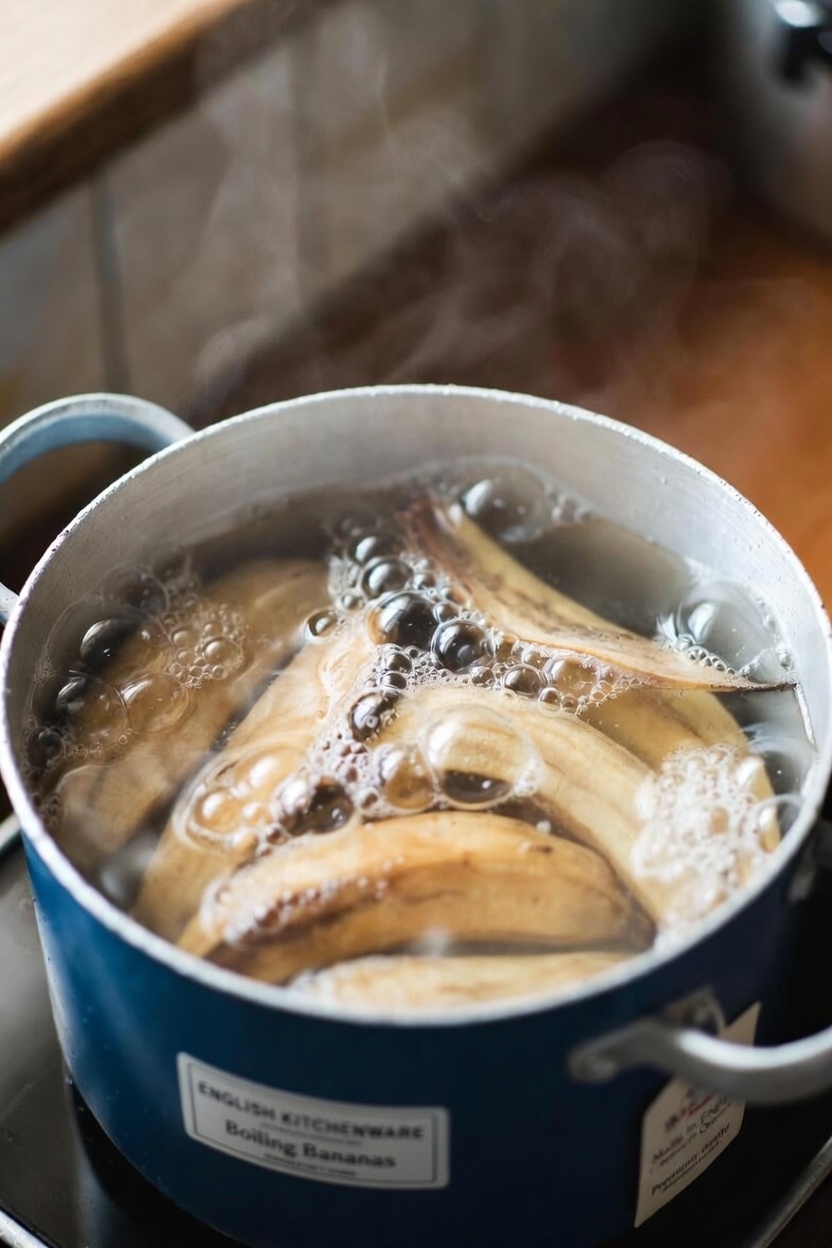
What Results Can You Expect?
Most people who use banana peel rinses do not see dramatic overnight change. Instead, the benefits tend to appear gradually with consistent use. After a few weeks, many report that their hair feels less dry, looks shinier, and becomes easier to manage.
The outcome depends on several factors, including:
- Your hair type
- The condition of your scalp
- Your diet and hydration
- How often you use the rinse
- Your overall hair care habits
The main value of this treatment lies in its gentle, supportive nature. It is best seen as part of a steady self-care routine rather than a quick fix.
Frequently Asked Questions
How soon can I notice results from a banana peel rinse?
Many users say they notice softer texture and a healthier shine within 2 to 4 weeks of regular use. However, timing varies depending on how damaged or dry the hair is to begin with.
Is boiled banana peel water suitable for every hair type?
In most cases, yes. The rinse is generally mild and lightweight, which makes it suitable for many hair textures. That said, people with sensitive skin or scalp issues should patch test first. Anyone allergic to bananas should avoid it.
Can I mix banana peel rinse with other natural ingredients?
Yes. Some people combine it with ingredients such as rosemary or green tea to give extra support to the scalp. Still, it is wise to begin with the basic rinse first so you can see how your hair reacts.
Final Thoughts
Boiled banana peel rinse is a practical, eco-friendly, and budget-conscious way to bring more natural care into your hair routine. Instead of discarding the peel, you can turn it into a simple treatment that may help improve softness, shine, and manageability.
If you are looking for a mild alternative to harsh products, this is an easy method worth trying. With patience and regular use, small natural habits like this can make a noticeable difference in the way your hair looks and feels.