Transient Ischemic Attack in Older Adults: 8 Warning Signs You Should Never Ignore
A transient ischemic attack (TIA), often referred to as a mini stroke, occurs when blood flow to part of the brain is interrupted for a short time. These events are especially common in older adults and tend to appear without warning. In many cases, symptoms fade within a few minutes or up to an hour.
Because the episode passes quickly, many people assume it is harmless. However, leading health organizations such as the Mayo Clinic and the American Stroke Association emphasize that a TIA is a major warning sign. It can indicate a much higher risk of a full stroke, sometimes within just a few days.
Recognizing the symptoms early and getting medical care right away can play a vital role in protecting long-term brain health.
The encouraging part is that knowing what to look for helps you respond quickly. There is also one simple but often missed step that can be extremely helpful, and we will cover it later in this article.
What Is a TIA and Why Is It More Important in Seniors?
A TIA can be thought of as a temporary disruption in the brain’s blood supply. It is usually caused by a small clot or a narrowed blood vessel that clears on its own. Unlike a major stroke, a TIA does not usually leave permanent brain injury behind, but the symptoms can look almost identical to a stroke.
For adults over 55, the risk becomes much greater. Blood vessels naturally change with age, and common health issues such as high blood pressure become more frequent.
Research shows that stroke risk doubles with each decade after age 55. Ignoring a TIA can be dangerous. Nearly 1 in 5 people who have one may go on to experience a major stroke within three months if the cause is not treated.
The FAST Test: A Simple Way to Spot Stroke-Like Symptoms
Medical professionals often use the FAST method to quickly identify signs of stroke or TIA.
- Face: Ask the person to smile. Does one side of the face droop or feel numb?
- Arms: Ask them to lift both arms. Does one arm drift downward or feel weak?
- Speech: Ask them to repeat a simple sentence. Is their speech slurred, unclear, or difficult to understand?
- Time: If any of these signs appear, call emergency services immediately, even if the symptoms go away.
This fast check can help you recognize a serious problem before it becomes worse.
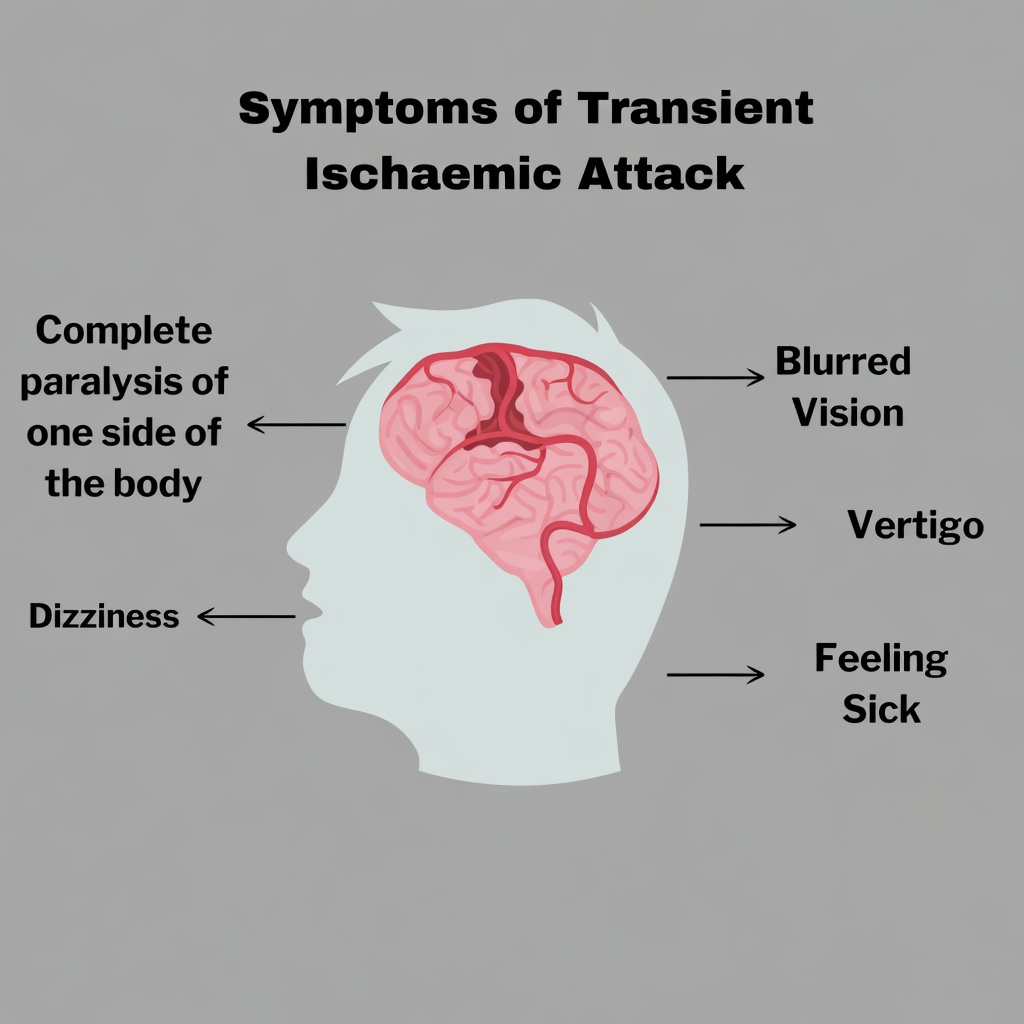
8 Common Warning Signs of TIA in the Elderly
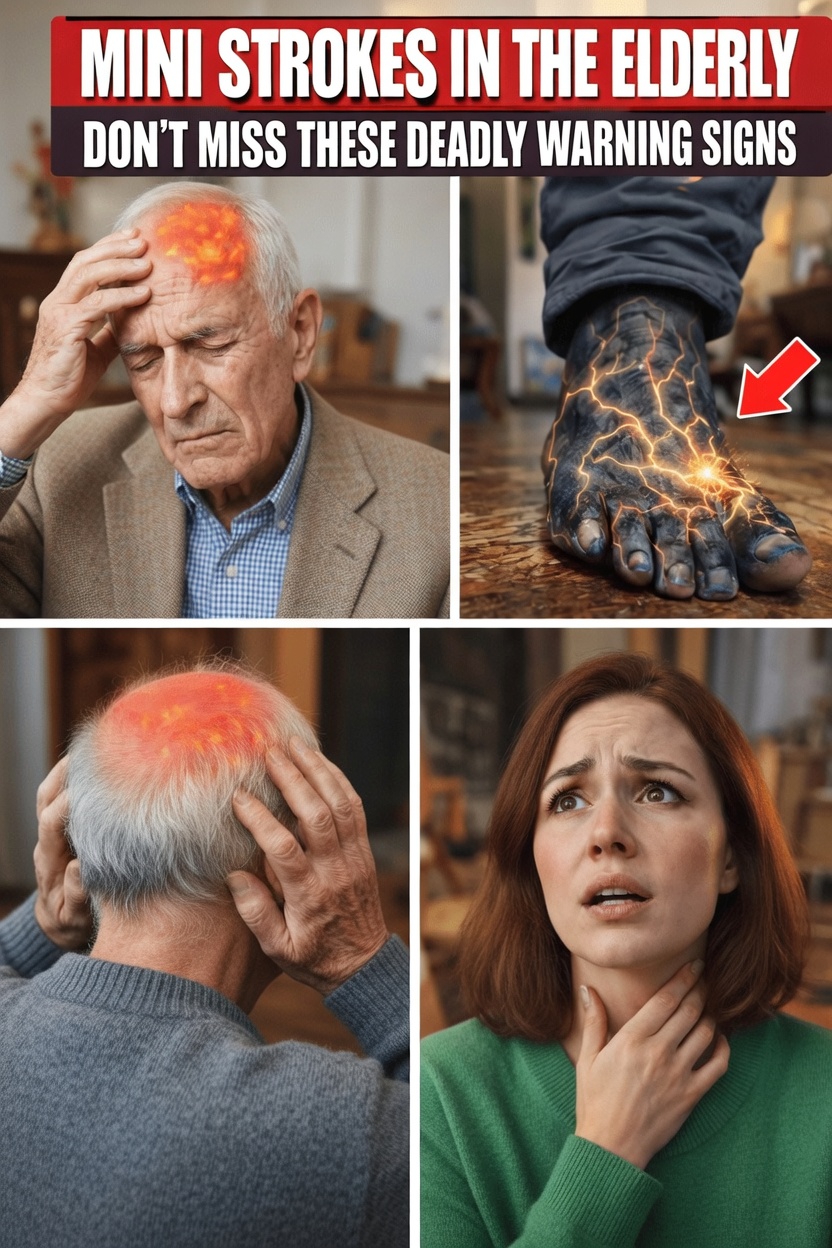
Based on guidance from trusted sources such as the Mayo Clinic, NHS, and American Heart Association, these are some of the most frequent TIA symptoms. They usually start suddenly and often affect only one side of the body.
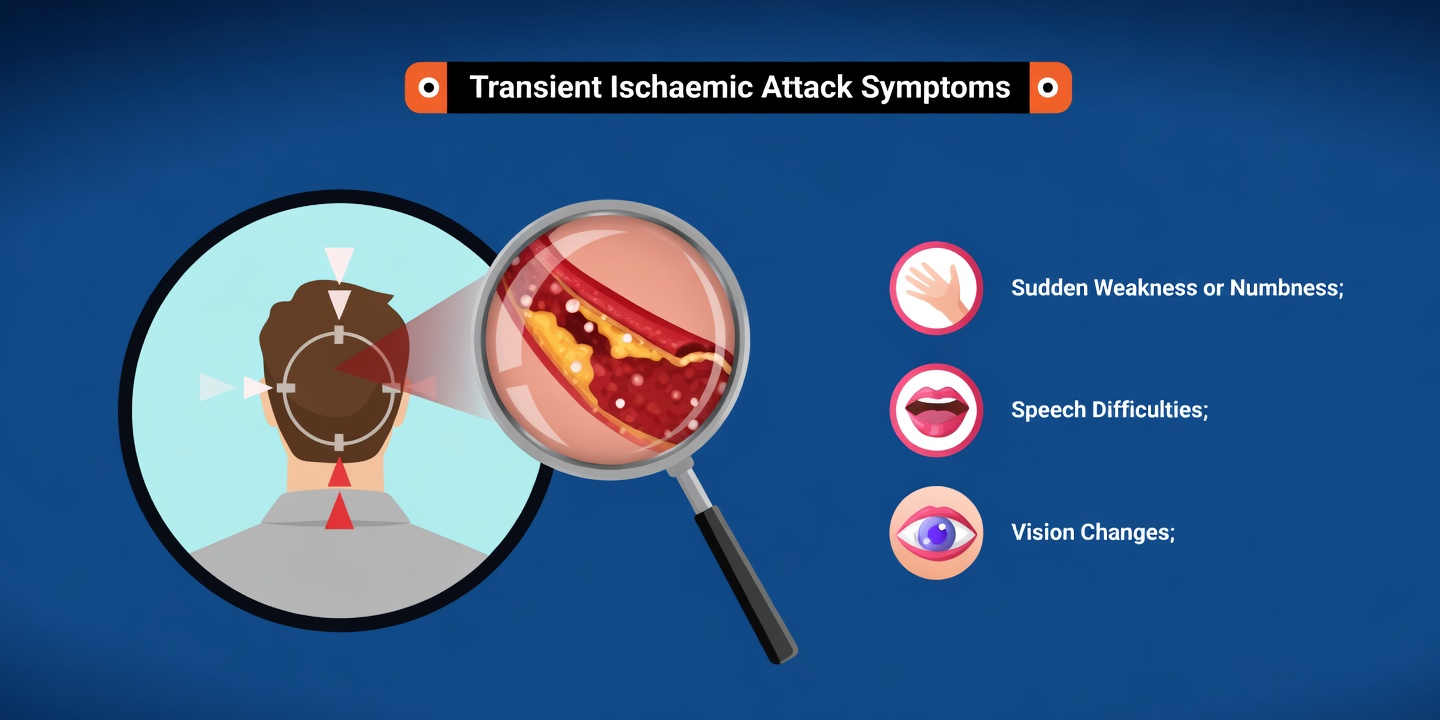
1. Sudden weakness, numbness, or paralysis
This may affect the face, arm, or leg, usually on one side. An older adult may suddenly feel that one arm is heavy or that one leg gives out unexpectedly.
2. Trouble speaking or understanding speech
A person may have slurred speech, say the wrong words, mix up phrases, or struggle to understand what others are saying.
3. Sudden vision problems
Vision changes may include:
- Blurred vision
- Double vision
- Temporary blindness in one or both eyes
- Loss of part of the visual field
4. Dizziness or loss of balance
Someone experiencing a TIA may feel unsteady, have trouble walking, stumble easily, or suddenly lose coordination.
5. A sudden severe headache
A strong headache that appears without a clear reason can sometimes be linked to a TIA, especially when it starts abruptly.
6. Confusion or difficulty thinking clearly
Ordinary tasks may suddenly become hard to manage. The person may seem mentally foggy, confused, or disoriented.
7. Trouble swallowing
Difficulty swallowing can occur along with other symptoms and may make eating or drinking unexpectedly hard.
8. Tingling or unusual sensations on one side
Some people describe a brief pins-and-needles feeling or other unusual sensations that come and go quickly on one side of the body.
Symptoms can differ depending on the part of the brain involved. Because they often disappear so quickly, many people minimize them or decide to wait. That is exactly why TIAs are so dangerous. Even if everything seems normal again, urgent action is still essential.
Why TIAs Are Especially Serious for Older Adults
Seniors face a higher risk of TIAs for several reasons. With age, arteries may become stiffer, plaque can build up more easily, and conditions such as atrial fibrillation become more common. Many older adults also live with diabetes, high cholesterol, or high blood pressure, all of which raise the likelihood of a TIA.
The temporary nature of symptoms often leads people to think, “It passed, so it must be nothing.” But medical evidence shows the opposite. A prompt medical evaluation can significantly reduce the chances of a future stroke.
What to Do Immediately If You Notice TIA Symptoms
If you notice any possible sign of a TIA, even if it lasts only a short time, get medical help right away.
Immediate action steps
- Call emergency services or go to the nearest hospital immediately.
- Write down the exact time the symptoms began.
- Note what symptoms occurred, even if they disappeared.
- Tell medical staff about any history of high blood pressure, smoking, diabetes, heart disease, or previous episodes.
Do not wait to see whether the symptoms return. Time matters.
Lifestyle Habits That Support Brain and Blood Vessel Health
While medical care is essential, healthy daily habits can also help lower risk over time. Always discuss changes with a healthcare professional.
- Check your blood pressure regularly and follow treatment recommendations.
- Stay physically active with walking or other gentle exercises that match your ability.
- Choose heart-healthy foods such as fruits, vegetables, whole grains, and lean protein.
- Avoid smoking and reduce alcohol intake.
- Keep conditions like diabetes under control with regular checkups and proper treatment.
These research-supported habits can improve both vascular health and overall stroke prevention.
What Happens After a TIA?
After a TIA, doctors may order tests to identify the cause and reduce the chance of another event. These may include:
- Brain imaging
- Blood tests
- Heart monitoring
- Other vascular assessments
Early treatment can make a major difference. Depending on the cause, doctors may prescribe:
- Blood-thinning medication
- Cholesterol-lowering drugs
- Other treatments to manage stroke risk factors
Many people continue to live well after a TIA, especially when they take early warning signs seriously and address the underlying problems.
One Important Step Many People Miss
A surprisingly helpful but often overlooked action is to keep a simple symptom journal.
Write down:
- The date
- The time
- What happened
- How long it lasted
- Any unusual sensations or changes
This record can help doctors detect patterns and gives them valuable details that might otherwise be forgotten.
Frequently Asked Questions
How long do TIA symptoms usually last?
Most TIA symptoms disappear within minutes to an hour, though in some cases they may last up to 24 hours. Even a very brief episode should be taken seriously.
Is a TIA the same as a stroke?
No. A TIA is temporary and typically does not cause permanent brain damage. However, it is a strong warning that a full stroke may happen later if the risk factors are not addressed.
Can TIAs be completely prevented?
Not always. Still, managing controllable risks such as blood pressure, diet, exercise, smoking, and chronic health conditions can greatly reduce the likelihood, according to health experts.
Final Note
This article is provided for educational purposes only and should not replace professional medical advice. Always speak with a qualified healthcare provider for guidance tailored to your situation, especially if you or someone else develops sudden concerning symptoms.