14 Foods That May Help Improve Circulation in Your Legs and Feet Naturally
Do your legs and feet often feel heavy, cold, numb, or tingly after hours of standing or sitting? These sensations are common, especially as people get older, spend long periods at a desk, or move less throughout the day. Reduced circulation in the lower body can make everyday tasks feel more draining and uncomfortable, leaving you feeling sluggish and frustrated.
The encouraging part is that your daily diet can play a supportive role. Along with regular movement and other healthy lifestyle habits, certain nutrient-dense foods may naturally help promote better blood flow.
In this article, you’ll discover 14 research-backed foods that may support vascular health and circulation, with special benefits for the legs and feet. At the end, you’ll also find simple, practical ways to include them in your daily meals.
Why Healthy Circulation Is Important for Legs and Feet
Good circulation is essential because blood carries oxygen and nutrients to your tissues while helping remove waste products. When blood flow to the lower body is not as efficient, you may notice symptoms such as cold feet, leg heaviness, or general discomfort.
Several factors can contribute to this, including:
- Sitting for too long
- Excess body weight
- Aging
- Lack of regular physical activity
One of the most effective areas you can improve every day is your diet. Studies suggest that specific food compounds, such as nitrates, antioxidants, and healthy fats, can help support blood vessel function, encourage relaxation of the vessels, and promote healthier circulation.

1. Cayenne Pepper – A Spicy Boost for Blood Flow
Cayenne pepper contains capsaicin, the active compound responsible for its heat. Research suggests capsaicin may help blood vessels relax and support improved circulation by encouraging nitric oxide production, which helps vessels widen.
Easy ways to use it:
- Add a small pinch to soups
- Mix it into scrambled eggs
- Stir it into sautéed vegetables or stir-fries
If you are sensitive to spicy foods, begin with a very small amount.
2. Garlic – A Simple Daily Circulation Ally
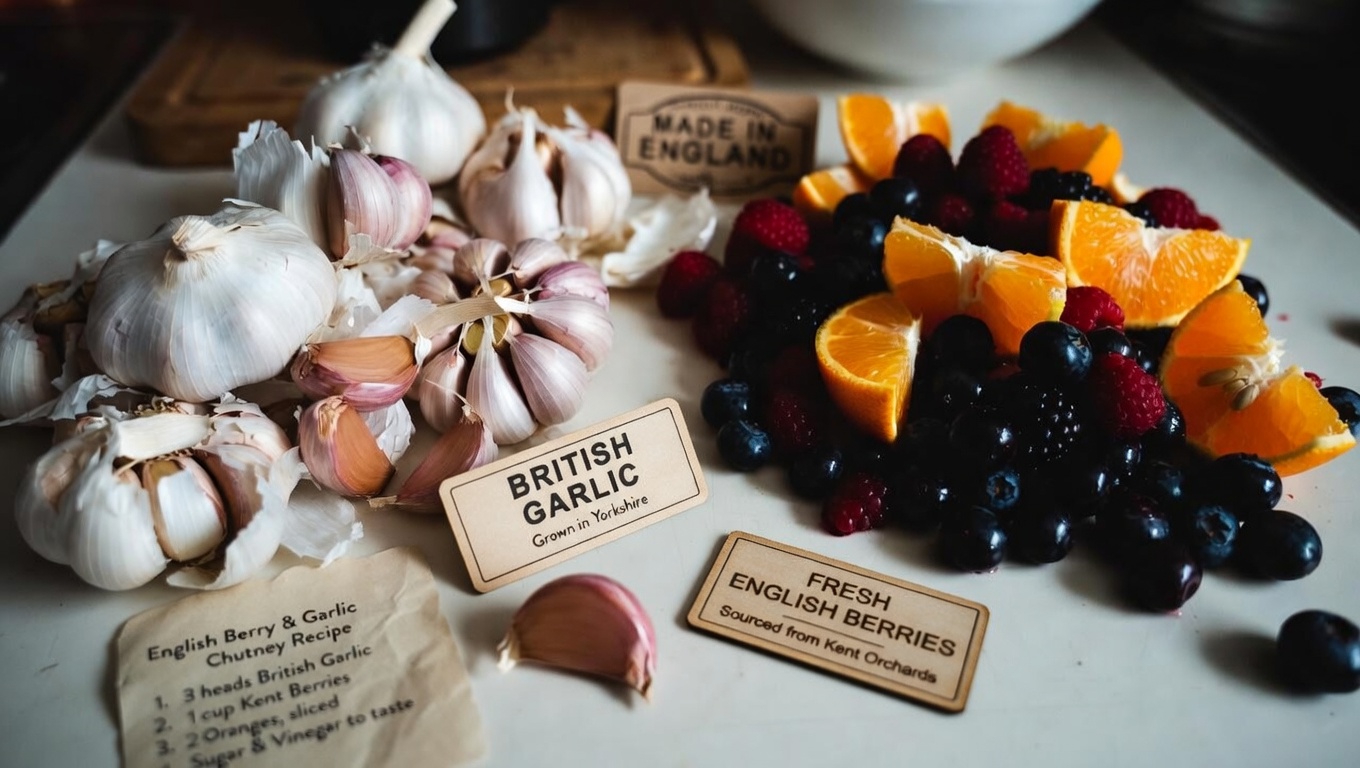
Garlic is rich in sulfur-containing compounds, especially allicin, which has been linked in studies to healthier blood pressure and improved blood vessel relaxation. Fresh garlic tends to offer the strongest benefits.
Helpful tip:
- Crush or chop 1 to 2 cloves
- Let it rest for about 10 minutes
- Then add it to your meal
This waiting time helps activate allicin.
3. Berries – Antioxidant-Rich Fruits for Vascular Support
Blueberries, strawberries, raspberries, and blackberries are packed with anthocyanins, powerful antioxidants that may help protect blood vessel walls and support nitric oxide production.
Best berry options include:
- Blueberries: Known for supporting blood vessel flexibility
- Strawberries: Provide vitamin C in addition to antioxidants
- Blackberries: A great choice for yogurt, oatmeal, or smoothies
A handful of berries can make an easy snack or a nutritious breakfast addition.
4. Beets – A Natural Source of Nitrates
Beets are well known for their high nitrate content. In the body, nitrates can be converted into nitric oxide, which helps blood vessels expand and improves circulation. Research also suggests beetroot juice may support healthy blood pressure.
Try beets in these ways:
- Roast sliced beets with olive oil
- Add beetroot to salads
- Blend cooked beets into smoothies
5. Fatty Fish – Omega-3s for Heart and Vessel Health
Salmon, sardines, mackerel, and trout are rich in omega-3 fatty acids. These healthy fats may help lower inflammation and support cleaner, healthier arteries, which can benefit circulation throughout the body.
A good goal:
- Eat fatty fish about 2 times per week
A simple option is grilled salmon seasoned with herbs and lemon.
6. Citrus Fruits – Vitamin C and Flavonoid Support
Oranges, lemons, limes, and grapefruits provide vitamin C and plant compounds called flavonoids. Together, these nutrients may help strengthen blood vessel walls and support healthy blood flow.
Simple ways to enjoy them:
- Squeeze lemon into your water
- Eat an orange as a snack
- Add grapefruit segments to salads
7. Leafy Greens – Nitrate-Packed Vegetables
Spinach, kale, and Swiss chard are excellent sources of nitrates, which the body can convert into nitric oxide. They also offer a wide range of vitamins and minerals that support overall vascular health.
Easy additions:
- Blend spinach into smoothies
- Sauté kale with garlic
- Use Swiss chard in soups or grain bowls
8. Nuts, Especially Walnuts – Healthy Fats for Vessel Flexibility
Walnuts are especially valuable because they contain plant-based omega-3 fats. Regular nut consumption has been linked to improved blood vessel elasticity. Almonds are another smart choice, partly because they provide magnesium, which may help vessels relax.
Smart snack idea:
- Enjoy a small handful of nuts each day
9. Pomegranate – A Fruit Packed With Polyphenols
Pomegranate offers both polyphenols and natural nitrates, making it a strong option for supporting vessel dilation and healthy circulation.
How to include it:
- Drink unsweetened pomegranate juice
- Sprinkle pomegranate seeds over salads
- Add the seeds to yogurt or oatmeal
10. Onions – Another Sulfur-Rich Choice
Like garlic, onions contain sulfur compounds that may help relax blood vessels and support healthy blood pressure.
Ways to use onions:
- Slice raw onions into salads
- Cook them into stir-fries
- Roast them with vegetables
11. Dark Chocolate – A Small Treat With Flavonoids
Dark chocolate with a cacao content of 70% or higher contains flavonoids that have been associated with better blood vessel function.
Recommended amount:
- 1 to 2 small squares per day
Moderation is important, but this can be an enjoyable addition to a circulation-friendly diet.
12. Turmeric – Anti-Inflammatory and Circulation-Friendly
Turmeric contains curcumin, a compound known for its anti-inflammatory effects. It may also help support circulation, especially when combined with black pepper, which improves absorption.
Simple ideas:
- Add turmeric to curries
- Stir it into soups
- Make warm golden milk
13. Ginger – A Warming Root With Circulatory Benefits
Ginger is often associated with warmth and comfort, and research suggests it may help promote blood vessel relaxation and healthier blood flow.
Easy ways to use ginger:
- Brew fresh ginger tea
- Grate it into stir-fries
- Add it to marinades or soups
14. Avocados – Healthy Fats for Reduced Inflammation
Avocados provide monounsaturated fats and beneficial compounds such as glutathione. These nutrients may help reduce inflammation and support overall cardiovascular health, which in turn can benefit circulation.
Try avocado by:
- Spreading it on toast
- Adding slices to salads
- Mixing it into grain bowls or wraps

Easy Ways to Add These Foods to Your Day
Making small changes is often the best way to build lasting habits. You do not need to overhaul your entire diet at once.
Here are a few easy combinations:
- Breakfast: A berry smoothie with spinach and a light dash of cayenne
- Lunch: A salmon salad with leafy greens, roasted beets, and a citrus-based dressing
- Snack: A small handful of walnuts or a square of dark chocolate
- Dinner: A vegetable stir-fry with garlic, onions, ginger, and turmeric
To support circulation even more, combine these foods with healthy habits such as:
- Drinking enough water
- Taking gentle walks
- Elevating your legs while resting
- Avoiding sitting for long uninterrupted periods
Frequently Asked Questions
How long does it take for dietary changes to support circulation?
Some people notice mild improvements in comfort within a few weeks. However, the best results usually come from staying consistent with both a healthy diet and regular movement over time.
Can these foods work with dietary restrictions?
In most cases, yes. Many of these options are flexible and easy to adapt. For example, if you do not eat fish, plant-based omega-3 sources such as flaxseeds can be an alternative.
Are supplements just as good as whole foods?
Whole foods are generally the preferred option because they provide a combination of nutrients that work together. Supplements may be useful in some cases, but it is best to discuss them with a healthcare professional.
Final Note
These foods can be part of a healthy routine to support better circulation, but they are not a replacement for medical care. If discomfort in your legs or feet continues or becomes more severe, it is important to speak with a qualified healthcare provider for personalized advice.