Why Moringa Seeds Are Gaining Attention for Everyday Nutrition
A lot of people do not get enough key nutrients from food alone. Common gaps often include vitamins, minerals, and antioxidants that help support daily wellness. When life gets busy or access to a wide variety of fresh foods is limited, this shortfall may show up as low energy, occasional physical discomfort, or a general sense of not feeling at your best.
Moringa seeds come from the Moringa oleifera tree, widely known as the “miracle tree.” These small seeds offer a natural way to add valuable nutrients and plant compounds to your diet. Scientific research continues to highlight their impressive composition, but what makes them so special? Let’s take a closer look at the nutrition, potential benefits, and safe ways to use them.
What Are Moringa Seeds?
Moringa oleifera grows mainly in tropical and subtropical climates and has long been valued in traditional food practices. Among its many usable parts, the seeds stand out for their dense nutritional value. They contain beneficial fats, plant protein, and a range of bioactive substances that make them especially interesting from a wellness perspective.
Studies suggest that moringa seeds are rich in monounsaturated fats, particularly oleic acid, which often makes up more than 70% of their oil content. They also provide roughly 30–31% protein, along with minerals, vitamins, and antioxidant compounds that contribute to their reputation as a highly nutritious food.
Their appeal lies not just in one nutrient, but in their well-rounded profile that can fit into many eating styles.
Key Nutrients in Moringa Seeds
Nutritional analyses point to several standout components in moringa seeds:
- Healthy fats: They are especially high in oleic acid, a monounsaturated fat also found in olive oil and often associated with heart-friendly dietary patterns.
- Protein: Moringa seeds contain about 31% protein and include important sulfur-containing amino acids such as methionine and cysteine.
- Antioxidants: These seeds provide tocopherols, which are forms of vitamin E, along with polyphenols and other compounds that help defend cells against oxidative stress.
- Minerals and fiber: They also supply fiber, ash, and a range of micronutrients that increase their overall nutritional value.
Because of this combination, moringa seeds can be a useful option for people who want to broaden their sources of nutrients naturally.
Antioxidant Potential of Moringa Seeds
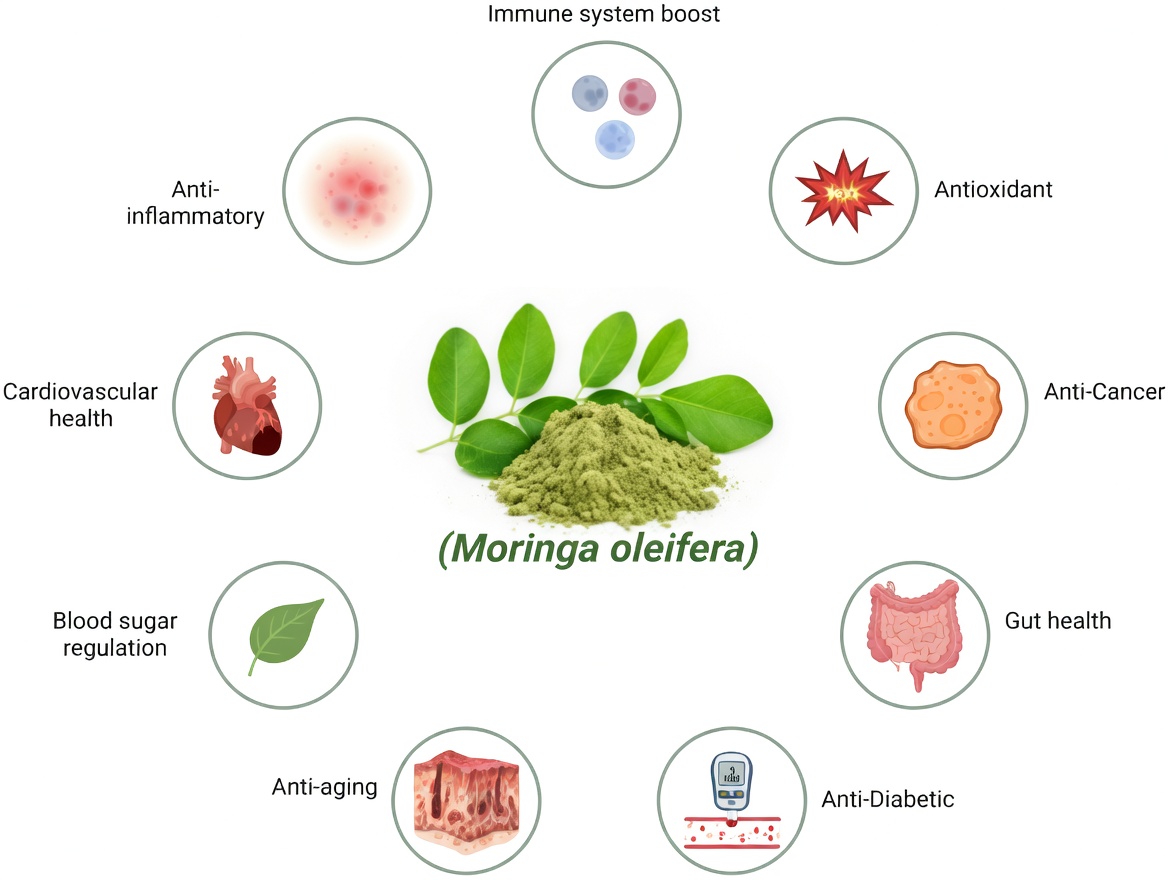
One of the most discussed qualities of moringa seeds is their antioxidant activity. Antioxidants are important because they help the body handle everyday oxidative stress caused by factors such as pollution, strenuous exercise, and normal metabolic processes.
Research from laboratory and animal studies suggests that moringa seed extracts show notable antioxidant effects, which may help support cellular health. Although human studies are still limited, the concentration of protective plant compounds helps explain why moringa seeds are commonly included in wellness routines.
What makes this even more interesting is that similar beneficial compounds are found throughout the moringa plant, but the seeds may provide them in a particularly concentrated form.
May Help Support a Healthy Inflammatory Response
Inflammation is a normal and necessary part of how the body functions. However, persistent low-grade inflammation can affect comfort, recovery, and overall vitality. Reviews of moringa research have pointed to possible anti-inflammatory effects linked to flavonoids, glucosinolates, and other phytochemicals found in the seeds.
Early studies and animal research have shown reductions in certain inflammation-related markers. While stronger evidence from larger human trials is still needed, these findings help explain why moringa continues to attract interest among health-conscious consumers.
Moringa Seeds and Blood Sugar Balance
Balanced blood sugar levels are important for consistent energy and metabolic health. Some preliminary studies involving moringa, including its seeds and other plant parts, suggest that it may support healthy glucose metabolism and insulin sensitivity.
In animal models and small human studies, moringa extracts have shown mild but encouraging effects under metabolic stress. These findings are in line with the plant’s traditional use in several cultures as part of daily nourishment and vitality support.
How Moringa Seeds Compare to Other Nutrient-Dense Foods
When compared with other well-known seeds and nuts, moringa seeds remain a strong contender as a compact source of nutrients. Approximate dried values per 100 grams include:
- Moringa seeds: about 30–40% oil, mostly oleic acid, and around 30% protein
- Almonds: about 50% oil and 21% protein
- Chia seeds: about 30% oil and 17% protein
This comparison shows that moringa seeds offer a competitive blend of healthy fats and protein in a relatively small package.
Other Promising Areas of Interest
Beyond basic nutrition, moringa seeds are being studied for several additional wellness-related areas:
- Heart health support: Their high oleic acid content and possible effects on blood pressure markers make them noteworthy.
- Liver support and detoxification: Animal studies suggest potential protective effects against oxidative stress.
- Nutritional support in resource-limited settings: Moringa is often explored as a way to help address nutrient shortages where food variety is restricted.
These benefits come from a combination of traditional knowledge and modern scientific investigation.
How to Use Moringa Seeds Safely
If you want to add moringa seeds to your routine, it is best to begin with a small amount and choose only high-quality, food-grade products.
Step-by-Step Tips for Using Moringa Seeds
-
Choose carefully
- Buy dried, organic moringa seeds from trusted suppliers.
- Avoid using the roots or bark, as those parts may carry safety concerns.
-
Prepare them in simple ways
- Lightly roast them to create a mild, nutty flavor.
- Remove the outer husk and grind the seeds into powder.
- Soak them and use only small amounts at first.
-
Add them to meals
- Stir 1/2 to 1 teaspoon of moringa seed powder into smoothies or yogurt.
- Mix a small amount into soups, salads, or tea.
- Start with about 1–2 grams per day and see how your body responds.
-
Store them properly
- Keep seeds or powder in an airtight container.
- Store in a cool, dry place away from moisture and direct sunlight.
In many references and short-term studies, moderate intake often falls in the range of 3–6 grams daily for limited periods of a few weeks.
Frequently Asked Questions
How much moringa seed should I take each day?
A low starting amount is best. Begin with a few seeds or around 1–2 grams of powder and observe how you feel. Always follow product instructions and seek professional advice for individual guidance.
Are moringa seeds safe for everyone?
In moderate food amounts, moringa seeds are generally considered safe for many people. However, anyone who is pregnant, breastfeeding, or taking medications—especially for blood pressure, blood sugar, or thyroid issues—should speak with a healthcare provider before use.
What is the difference between moringa seeds and moringa leaves?
Moringa seeds contain more oils and protein, while the leaves are usually richer in vitamins such as vitamin A and vitamin C. Both can be beneficial, but they offer different nutritional strengths.
Can moringa seeds replace supplements or medicine?
No. Moringa seeds can support a balanced diet, but they should not be seen as a replacement for medical advice, prescribed treatment, or necessary supplements.
Final Thoughts
Moringa seeds offer an easy and natural way to expand the variety of nutrients in your diet. With their mix of healthy fats, protein, antioxidants, and plant compounds, they stand out as a nutrient-dense option worth considering. While research is still developing, both traditional use and early scientific findings suggest that moringa seeds deserve thoughtful attention as part of a well-rounded wellness routine.