Beetroot Juice Benefits: A Simple Daily Drink for Energy, Liver Support, and Blood Sugar Balance
In a world where busy schedules often lead to skipped meals, stress, and inconsistent nutrition, many people find it difficult to maintain steady energy, protect the body from oxidative stress, and support overall wellness. Common concerns such as blood sugar balance, liver health, and everyday inflammation can become harder to manage when diet is not a priority.
One food that has gained growing attention is beetroot. This bright red root vegetable may look simple, but it contains an impressive range of nutrients and plant compounds that could support health in meaningful ways.
Even more interesting, current research suggests that beetroot juice contains natural substances such as betalains and nitrates that may help the body function more efficiently. By the end of this article, you’ll also learn an easy and refreshing way to add beetroot juice to your daily routine.
What Makes Beetroot Juice Nutritionally Impressive?
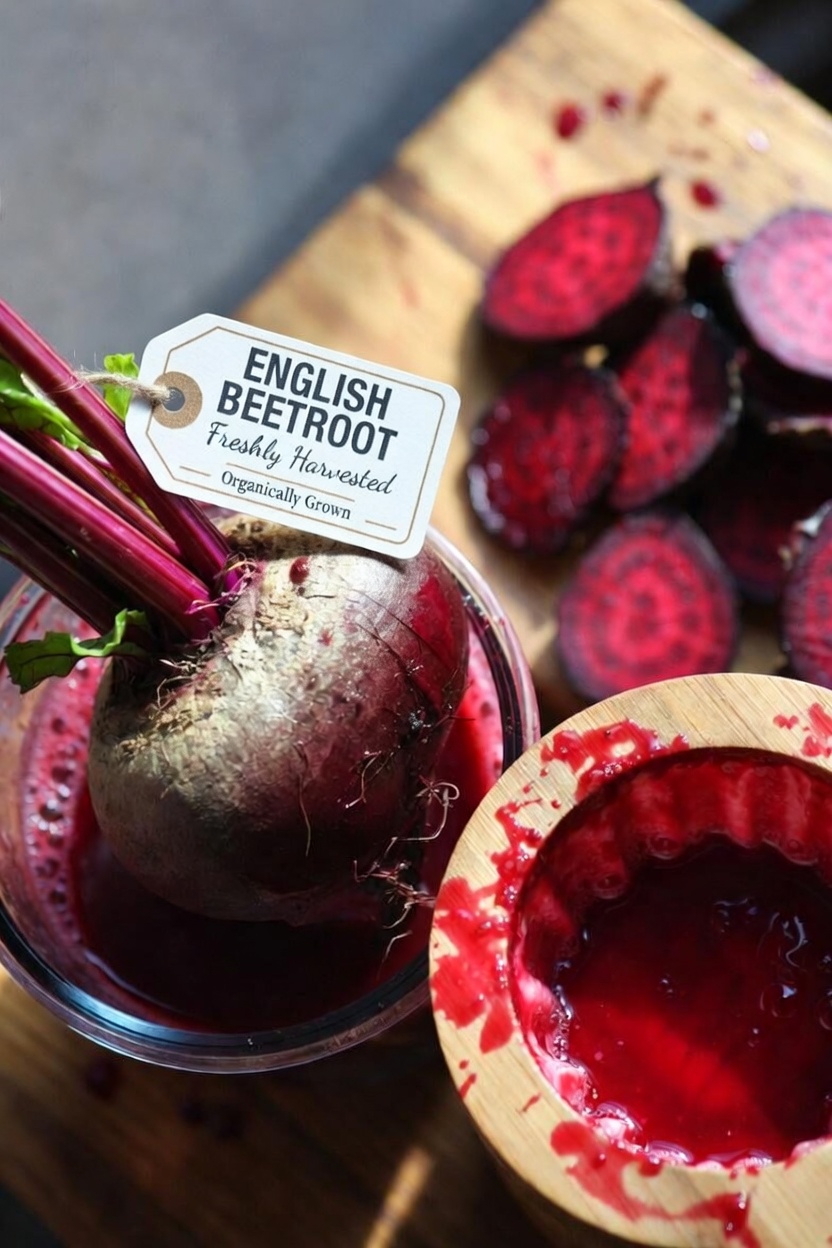
Beetroot juice is widely recognized as a nutrient-dense drink. It provides folate, potassium, manganese, and a group of red-purple pigments known as betalains. These pigments are valued for their antioxidant activity, which helps the body defend itself against oxidative stress linked to many long-term health concerns.
Another important feature of beetroot is its natural nitrate content. Once consumed, nitrates can be converted into nitric oxide in the body. Nitric oxide is involved in supporting healthy blood circulation and vascular function. At the same time, antioxidant compounds such as betanin have shown protective effects in laboratory and animal research.
Beyond basic nutrition, beetroot juice may also play a role in metabolic wellness. Its potential effects on the liver, blood sugar regulation, and cellular protection have made it a subject of increasing scientific interest.

How Beetroot Juice May Help Support Liver Health
The liver is responsible for processing nutrients, filtering unwanted substances, and carrying out essential detoxification tasks. However, modern eating habits and lifestyle pressures can place extra strain on this vital organ. Concerns related to non-alcoholic fatty liver disease have become especially common.
Recent randomized controlled research has explored how beetroot juice may affect people with non-alcoholic fatty liver disease. In some studies, participants who drank beetroot juice daily for several weeks experienced improvements in liver enzyme markers and reduced fat accumulation in the liver. These benefits appeared especially notable when beetroot juice was combined with a healthy eating pattern such as the Mediterranean diet.
Research on beetroot and liver support has highlighted several possible benefits:
- Lower levels of certain enzymes associated with liver stress
- Reduced oxidative damage in liver tissues
- Support for the liver’s natural detox pathways through compounds such as betaine and betalains
These effects are thought to be linked to beetroot’s ability to help reduce inflammation and oxidative stress. For those looking to build liver-friendly habits, beetroot juice may be a useful addition to a balanced lifestyle.
Beetroot Juice and Blood Sugar Balance
Keeping blood sugar stable is important for sustained energy and long-term health. This is especially relevant for people who are monitoring diabetes-related concerns or trying to improve metabolic balance. Beetroot contains several compounds that may support healthy glucose regulation.
Some human studies have found that drinking beetroot juice may help reduce the rise in blood sugar and insulin after meals. One study, for example, observed a lower early insulin response when beetroot juice was consumed alongside food. Preliminary research in both humans and animals has also suggested that beetroot may support insulin sensitivity.
Possible reasons for these effects include:
- Nitrates may improve blood flow, which can support metabolic processes
- Antioxidants may help reduce inflammation linked to insulin resistance
- Beetroot’s overall nutrient profile may contribute to better glucose handling
Although study results are not always identical, beetroot juice remains a reasonable option for people who want to support metabolic health. The key is moderation and using it as part of a well-rounded diet rather than as a standalone solution.
Antioxidants in Beetroot and Their Role in Cellular Health
Antioxidants help protect the body’s cells from everyday damage caused by unstable molecules and environmental stress. Beetroot stands out because of its betalain content, which has attracted attention for its possible effects on cellular function.
A number of reviews and laboratory studies suggest that beetroot extracts may have anti-proliferative properties in certain cell models. Researchers believe this may happen through mechanisms such as lowering inflammation or encouraging apoptosis, the natural process by which abnormal cells are removed. Animal studies have also shown protective effects against oxidative stress and exposure to some carcinogenic compounds.
These findings are encouraging, but it is important to be realistic. Human clinical research is still developing, and no single food can prevent or treat serious disease on its own. Still, adding antioxidant-rich foods like beetroot to a preventive, health-conscious diet is a practical and proactive choice.
Key Compounds in Beetroot Juice and Their Studied Benefits
Beetroot juice offers more than just vibrant color. Its value comes from a combination of beneficial compounds, including:
- Betalains, including betanin: Powerful antioxidants that may help protect cells and calm inflammation
- Nitrates: Converted into nitric oxide, which is associated with healthy blood flow and metabolic support
- Betaine: Supports liver function and important detoxification processes
- Polyphenols and flavonoids: Plant compounds that contribute to anti-inflammatory effects
This broad mix of nutrients and bioactive compounds is one reason beetroot juice is considered more than just another vegetable drink.
Easy Ways to Add Beetroot Juice to Your Routine
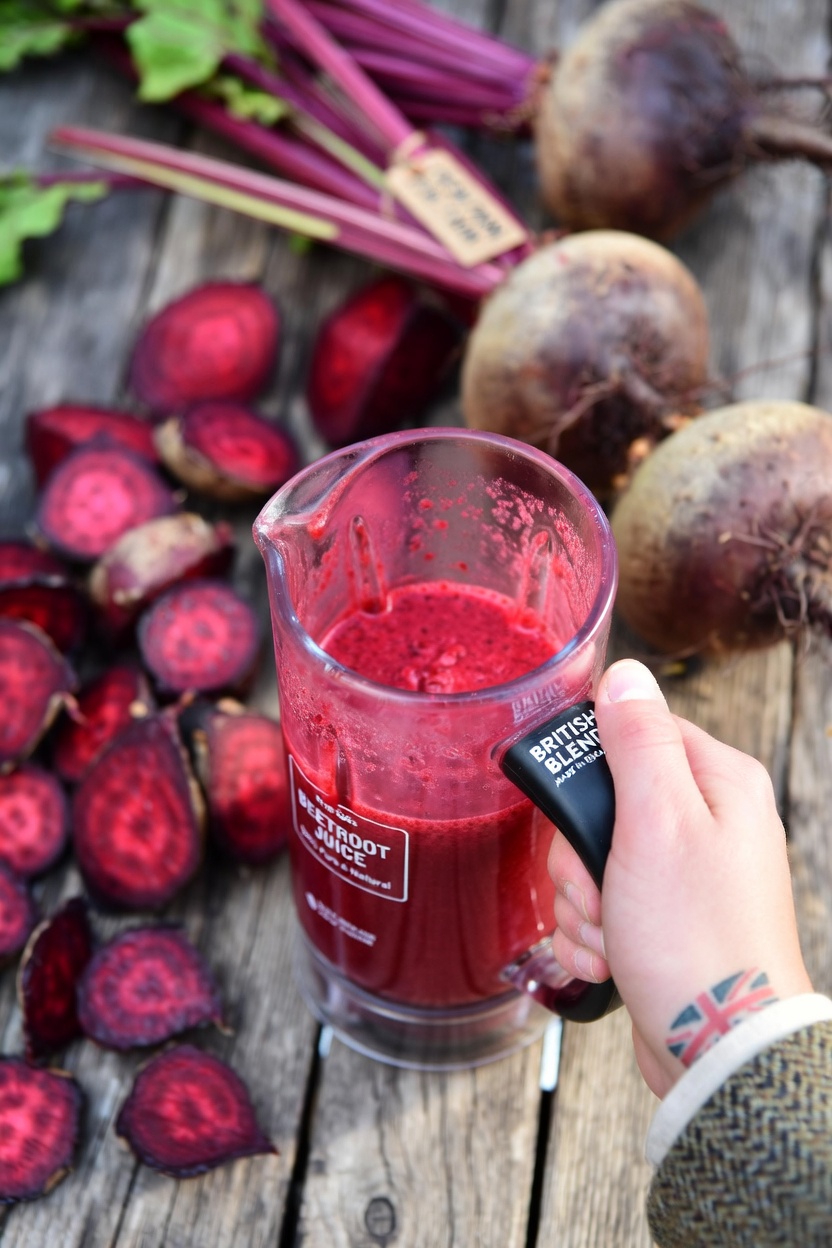
If you want to try beetroot juice, making it at home is simple. You only need a blender or juicer and a few fresh ingredients.
Basic Homemade Beetroot Juice Recipe
-
Choose your ingredients
- 2 to 3 medium fresh beets, washed and peeled
- 1 apple for natural sweetness
- A small piece of fresh ginger
- Juice of half a lemon
-
Prepare everything
- Cut the ingredients into small chunks that fit easily into your blender or juicer
-
Juice or blend
- Use a juicer for a smoother result
- If using a blender, add a little water, blend thoroughly, then strain if desired
-
Serve fresh
- Drink it right away for the best flavor and freshness
- Morning or between meals is often a convenient time
-
Start with a modest amount
- Begin with 4 to 8 ounces per day and see how your body responds
Tips to Improve Flavor and Variety
- Add carrots or oranges for a sweeter taste
- Try drinking it on an empty stomach if you want to maximize nutrient intake
- Rotate ingredients to keep the flavor interesting
Simple Flavor Combinations
- Beet, ginger, and lemon for a bold and refreshing taste
- Beet, apple, and carrot for a smoother and milder blend
- Beet with spinach or other greens for extra nutrients
The most important thing is consistency. Small amounts consumed regularly are generally more useful than taking large amounts occasionally.
Important Things to Know Before Drinking Beetroot Juice
While beetroot juice can be a valuable addition to a healthy diet, portion size still matters. It contains natural sugars and oxalates, so moderation is important.
Keep these points in mind:
- People prone to kidney stones should speak with a healthcare professional before drinking beetroot juice regularly
- Beetroot can temporarily turn urine or stool pink or red, which is harmless but can be unexpected
- Those with low blood pressure, kidney concerns, or certain medications should check with a doctor first
For the best results, pair beetroot juice with a balanced diet that includes:
- Fruits and vegetables
- Whole grains
- Lean protein sources
- Healthy fats
Final Thoughts: A Small Habit with Real Potential
Beetroot juice is an easy and accessible way to increase your intake of antioxidants, nitrates, and other beneficial plant compounds. Research suggests it may help support liver function, promote healthier blood sugar responses, and contribute to cellular protection.
Its greatest value comes from regular use as part of an overall healthy lifestyle. In many cases, lasting wellness comes from simple habits practiced consistently over time.
Frequently Asked Questions
How much beetroot juice should I drink each day?
Most studies commonly use around 4 to 8 ounces daily, which is about 125 to 250 ml. It is best to start with a smaller amount and adjust based on your individual tolerance.
Is beetroot juice safe for everyone?
For most people, yes. However, if you have low blood pressure, kidney issues, or take medications that affect circulation, it is wise to speak with a healthcare provider before using it regularly.
Can beetroot juice replace medical treatment?
No. Beetroot juice is a supportive dietary option, not a replacement for medical care, diagnosis, or prescribed treatment. Always follow professional medical guidance for any health condition.