Mallow (Malva sylvestris): A Nutritious Wild Herb with Impressive Health Benefits
Frequently ignored in the wild, mallow (Malva sylvestris) is a valuable plant with both nutritional and therapeutic potential. Recognizable by its soft purple blossoms and rounded, heart-like leaves, this herb has long been used in traditional healing practices across many cultures. Beyond its role as a medicinal plant, mallow is also an edible leafy green that fits easily into a wholesome diet.
In this article, you’ll discover the nutritional profile of mallow, its key health benefits, and simple ways to use it in everyday meals and wellness habits.
What Is Mallow?
Mallow is a member of the Malvaceae family and originally comes from Europe, North Africa, and parts of Asia. Today, it grows widely in many regions around the world. For generations, it has been valued for its soothing, anti-inflammatory, antimicrobial, and moisturizing qualities. Alongside its traditional medicinal uses, mallow also provides useful nutrients that can contribute to overall well-being.
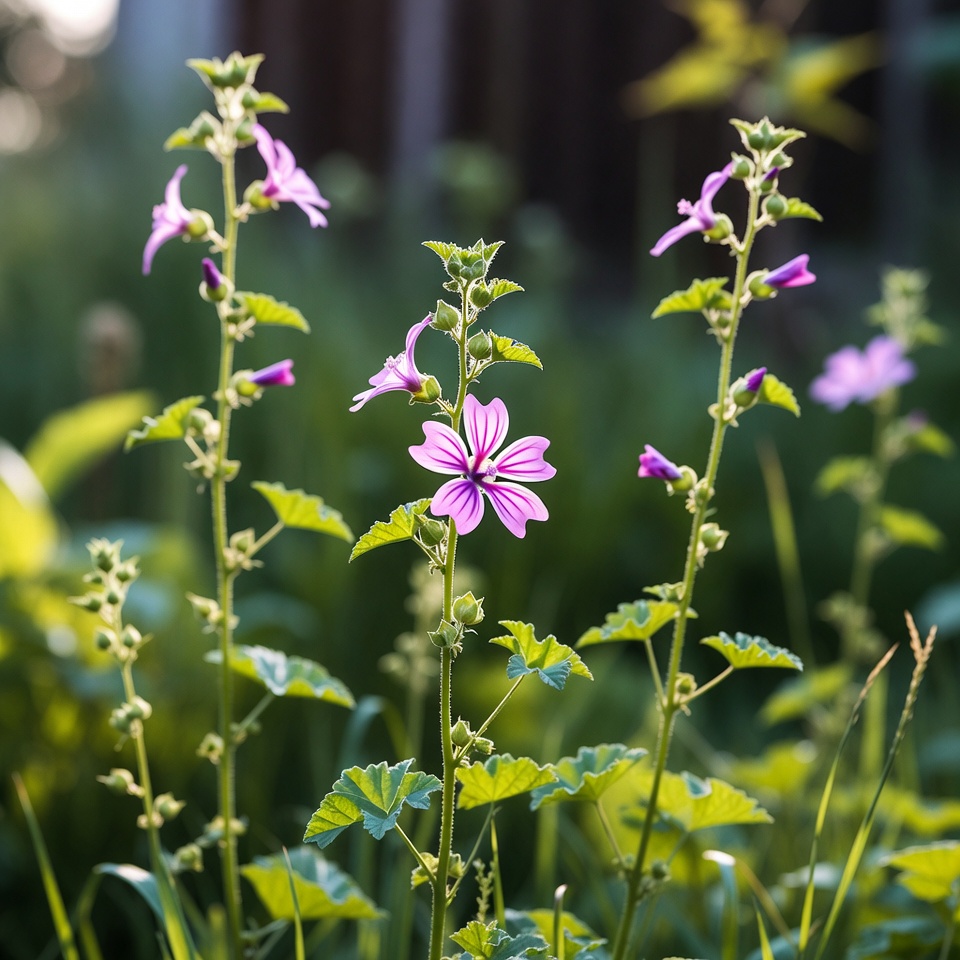
Nutritional Value of Mallow
Mallow contains a range of important nutrients and plant compounds, making it a strong choice for a health-focused diet.
Key Nutrients Found in Mallow
- Vitamin A – Helps maintain healthy vision, skin, and immune function
- Vitamin C – Supports immunity and protects cells with antioxidant activity
- Vitamin E – Contributes to skin hydration and cell repair
- Calcium, magnesium, and potassium – Important for bone strength, muscle function, and cardiovascular health
- Dietary fiber – Aids digestion and supports gut balance
- Flavonoids and phenolic compounds – Offer antioxidant and anti-inflammatory effects
Because of this rich composition, mallow can be considered a nutrient-dense herb worth adding to a balanced eating plan.
Health Benefits of Mallow
1. Supports Digestive Wellness
One of mallow’s most notable features is its high mucilage content. This gel-like substance helps coat and calm the digestive lining, which may make it useful for:
- Indigestion
- Constipation
- Gastritis
- Acid reflux
Its soothing action can help promote greater comfort throughout the digestive tract.
2. Helps Calm Inflammation
Mallow contains beneficial compounds such as flavonoids and phenolic acids, which may help reduce inflammation in the body. For this reason, it has traditionally been used to ease issues such as:
- Arthritis discomfort
- Sore throat irritation
- Urinary tract inflammation
Its natural anti-inflammatory action makes it a useful herb for gentle daily support.
3. Strengthens Immune Defense
With its mix of antioxidants and antimicrobial compounds, mallow may help the body defend itself against common infections. It can be a supportive herb during recovery from:
- Colds
- Flu
- Minor infections
These properties make mallow a helpful addition to a wellness routine focused on immune support.
4. Promotes Healthier Skin
Mallow is well known for its hydrating and soothing effects on the skin. It may be helpful for calming irritation and supporting skin affected by:
- Eczema
- Acne
- Dryness
- Sensitivity
Because of these gentle properties, mallow is often included in natural skincare remedies and herbal preparations.
5. Supports Respiratory Health
Traditionally, mallow has been used as a natural expectorant, meaning it may help loosen mucus and soothe the airways. This can make it beneficial for respiratory concerns such as:
- Coughs
- Bronchitis
- Asthma-related irritation
Its calming effect on the throat and respiratory tract is one reason herbal teas made with mallow remain popular.
Easy Ways to Add Mallow to Your Diet
Mallow is a versatile herb that can be used in many simple and enjoyable ways.
Popular Uses for Mallow
- Salads – Mix fresh leaves and flowers into salads for a mild, earthy taste
- Soups and stews – Add the leaves to enrich the dish and naturally thicken the broth
- Tea and herbal drinks – Brew a comforting infusion for digestion and throat support
- Smoothies – Blend fresh or dried leaves into smoothies for added fiber and vitamins
Its mild flavor makes it easy to include in both savory and soothing preparations.
Simple Mallow Recipes
Mallow Salad
Ingredients
- Fresh mallow leaves
- Cherry tomatoes, halved
- Cucumber, sliced
- Olive oil
- Lemon juice
- Salt and pepper
Instructions
- Place the mallow leaves, cherry tomatoes, and cucumber in a bowl.
- Drizzle with olive oil and lemon juice.
- Season with salt and pepper, toss well, and serve fresh.
Mallow Herbal Tea
Ingredients
- 1 tablespoon fresh or dried mallow leaves
- 1 cup hot water
- Honey, optional
Instructions
- Add the mallow leaves to hot water.
- Let them steep for about 10 minutes.
- Strain and drink warm. Add honey if desired.
Possible Side Effects and Precautions
Although mallow is generally considered safe for most people, a few precautions are important.
Keep These Points in Mind
- Allergy risk – If you are sensitive to plants or herbs, start with a small amount first
- Pregnancy and breastfeeding – Consult a healthcare professional before use
- Medication interactions – If you take prescription medicines, seek medical advice before adding mallow to your routine
Using mallow responsibly can help you enjoy its benefits more safely.
Why Mallow Deserves a Place in Your Wellness Routine
Mallow is far more than a common wild plant. It offers meaningful support for digestive health, immune function, skin care, and respiratory wellness, while also serving as a nutritious edible herb. Whether you use it in herbal remedies or everyday recipes, mallow can be a smart and natural addition to a healthy lifestyle.
Start incorporating mallow into your routine and experience the benefits of this remarkable plant for yourself.