Heel Pain: Common Causes, Daily Triggers, and Simple Ways to Find Relief
A persistent ache in your heel can make even ordinary movement feel difficult. Walking first thing in the morning may become painful, and standing for too long can quickly turn uncomfortable. Many people expect the soreness to disappear on its own, but instead it follows them throughout the day, interfering with work, workouts, and routine tasks at home. Research suggests that heel pain affects millions of people and is often linked to everyday strain, footwear choices, or gradual stress over time rather than one major injury. The encouraging part is that once you understand the likely causes, it becomes easier to make practical changes that may improve comfort. Keep reading, because near the end you will find a few overlooked daily adjustments that can make a real difference.
What Causes Heel Pain?
Heel pain usually happens when the tissues in the foot are exposed to repeated pressure or strain. This can involve bones, tendons, ligaments, or the soft padding around the heel. Pain may appear underneath the heel, behind it, or along the sides, and the exact location can offer clues about what is going on. Information from trusted medical sources such as the Mayo Clinic and Cleveland Clinic shows that heel pain is most commonly associated with overuse, poor shoe support, or mechanical issues in the way the foot moves.
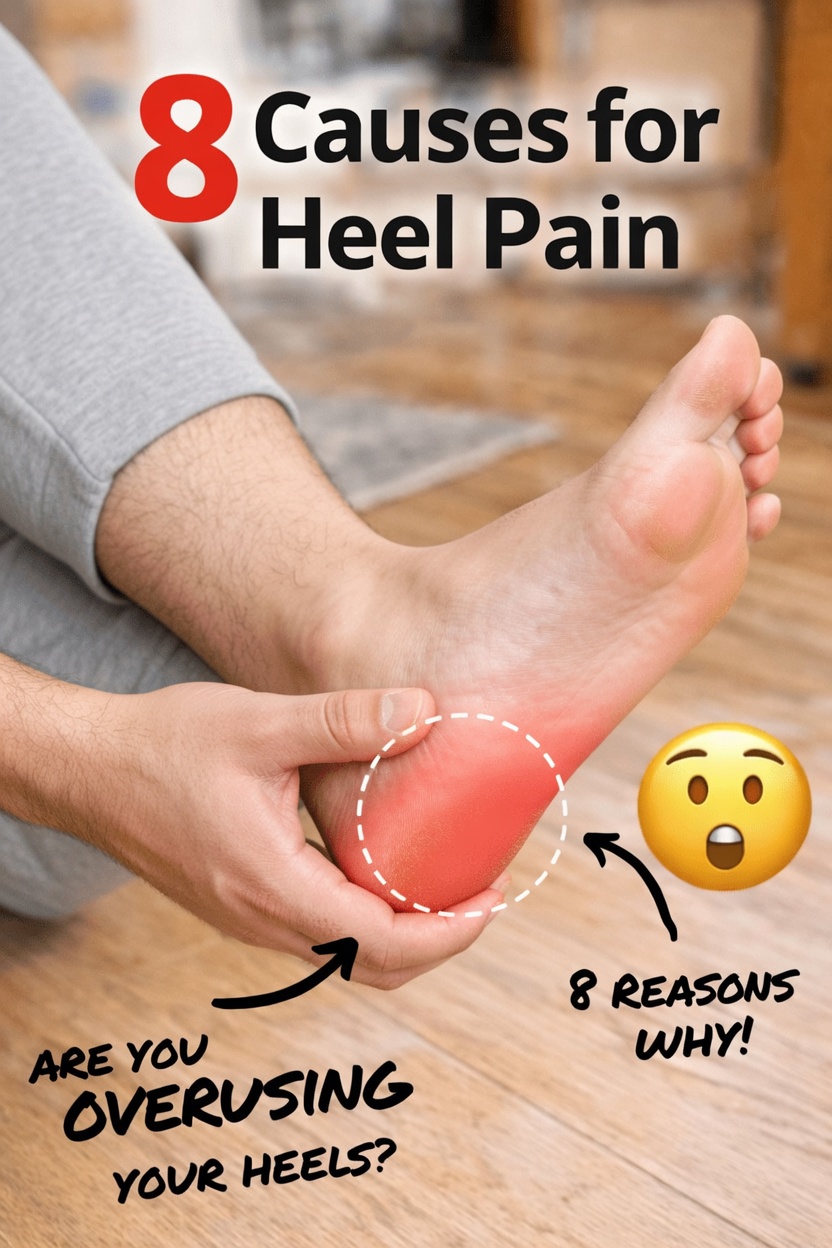
8 Common Reasons Your Heel May Hurt
1. Plantar Fasciitis
This is the leading cause of heel pain for many people. The plantar fascia is a strong band of tissue that runs along the sole of the foot and helps support the arch. When it becomes overstressed, tiny tears and irritation can develop, causing inflammation. The pain is often strongest with the first few steps after getting out of bed or after sitting for a while. People who spend long hours on their feet, run on hard ground, or have very flat feet or high arches are especially prone to this problem.
2. Achilles Tendinitis
Pain at the back of the heel often points to irritation in the Achilles tendon. This tendon connects the calf muscles to the heel bone and works hard during walking, running, and jumping. Repetitive activity, a sudden increase in exercise, tight calf muscles, or unsupportive footwear can all contribute. Typical signs include tenderness, stiffness, and pain that worsens during movement or after physical activity.
3. Heel Spurs
Heel spurs are small bony projections that form on the underside of the heel bone. They are commonly linked with long-term stress on the plantar fascia. In many cases, the spur itself is not painful, but the surrounding tissue irritation can create discomfort. Some people have heel spurs without ever noticing symptoms, while others experience ongoing pain when poor footwear or other foot problems are also present.
4. Bursitis
Bursae are tiny fluid-filled sacs that help reduce friction around joints and tendons. Near the heel, these sacs can become inflamed due to repeated rubbing or pressure. One common form, retrocalcaneal bursitis, affects the area behind the Achilles tendon. It may cause swelling, tenderness, and pain at the back of the heel, especially when tight shoes or repetitive motion keep aggravating the area.
5. Stress Fractures
A stress fracture is a small crack in the heel bone, also called the calcaneus. Unlike a sudden fracture, this develops gradually from repeated impact. Runners, dancers, and people with reduced bone density may be at higher risk. The pain often gets worse when standing or walking and improves with rest. A rapid increase in exercise intensity or frequent activity on hard surfaces can make this more likely.
6. Heel Pad Syndrome
Also known as fat pad atrophy, this condition happens when the natural cushioning under the heel becomes thinner over time. Aging, repeated impact, and certain health conditions can all play a role. Without enough padding, the heel bone absorbs more pressure, leading to a deep, bruise-like pain in the center of the heel.
7. Tarsal Tunnel Syndrome
This condition is similar in concept to carpal tunnel syndrome, but it affects the ankle and foot. It occurs when the tibial nerve becomes compressed as it travels through a narrow space near the heel. Symptoms may include burning, tingling, numbness, or shooting pain that spreads into the heel or foot. Standing for long periods or certain foot positions may make it worse.
8. Other Possible Factors
Some less common issues can also lead to heel discomfort. These include plantar warts, nerve irritation, and inflammatory conditions such as arthritis that affect the foot. In addition, poor walking mechanics, excess body weight, and badly fitting shoes can increase pressure on the heel and worsen existing problems.
It is also important to remember that heel pain is not always caused by just one issue. Conditions can overlap. For example, long-term plantar fasciitis may eventually contribute to the development of heel spurs.
Daily Habits That Can Make Heel Pain Worse
Small habits repeated every day can add up more than most people realize. Common triggers include:
- Wearing flat, thin, or worn-out shoes with little arch support
- Spending long periods standing or walking on hard floors
- Increasing exercise intensity too quickly
- Neglecting calf stretching and ending up with tight lower leg muscles
- Carrying excess body weight, which increases pressure on the feet
Bottom Heel Pain vs. Back Heel Pain
Understanding where the pain is located can help narrow down the cause.
-
Bottom of the heel
- Often linked to plantar fasciitis, heel spurs, or heel pad problems
- Commonly hurts most with the first steps in the morning or after sitting
-
Back of the heel
- Frequently related to Achilles tendinitis or bursitis
- Often worsens during activity or feels stiff afterward
-
Deep or central heel pain
- May suggest a stress fracture or fat pad thinning
- Usually feels worse with weight-bearing and may be more constant
Practical Home Strategies for Heel Pain
Because heel pain can have different causes, there is no one-size-fits-all approach. Still, many people find these simple measures helpful for improving day-to-day comfort.
Rest and Ice
Try to reduce activities that clearly make the pain worse. Giving the foot time to recover may help calm irritation. Applying an ice pack wrapped in cloth for 15 to 20 minutes several times a day can also ease discomfort.
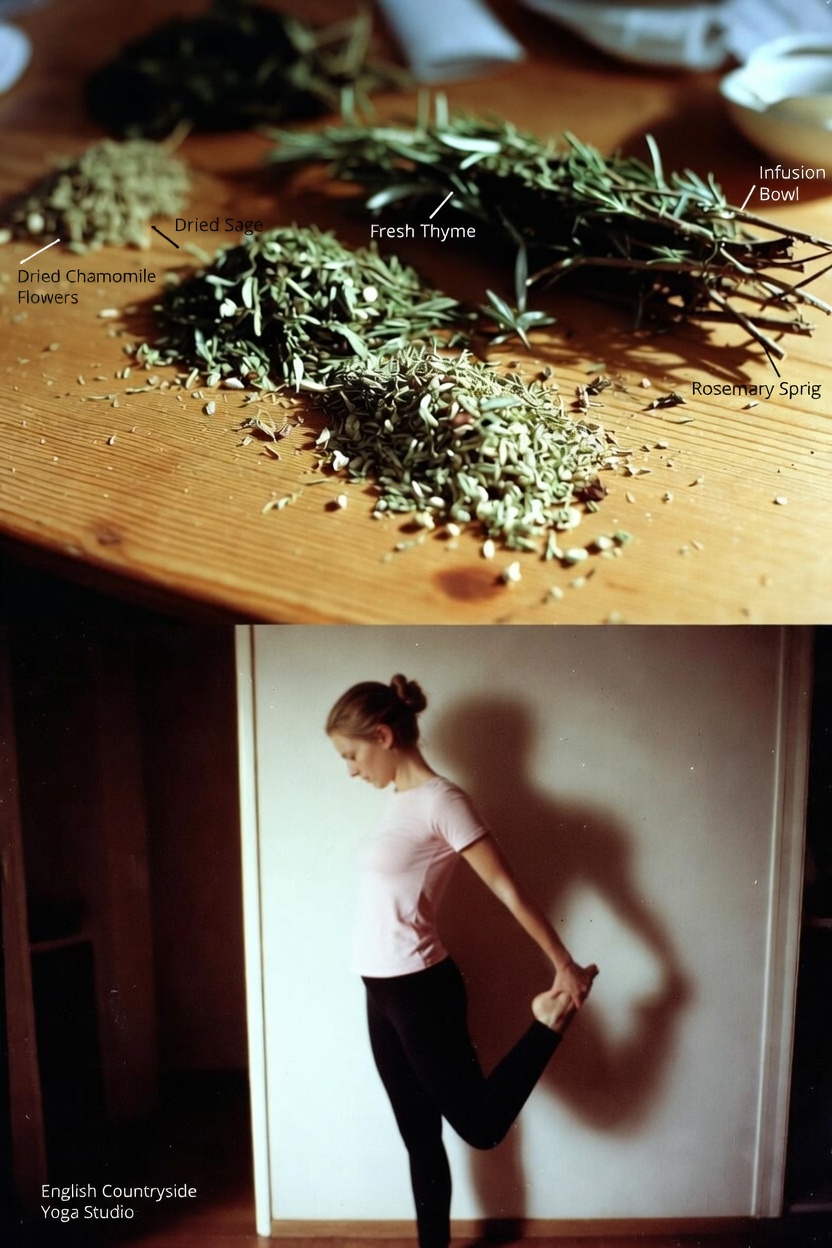
Gentle Stretching
Calf tightness can place extra strain on the heel. A simple stretch can help:
- Stand facing a wall
- Place one foot behind the other
- Keep the back heel on the floor
- Lean forward gently until you feel a stretch in the calf
- Hold for 20 to 30 seconds
- Repeat several times each day
Wear Supportive Shoes
Choose footwear with good cushioning and reliable arch support. Walking barefoot on hard surfaces may worsen symptoms, so supportive shoes or indoor footwear can be a better option.
Consider Over-the-Counter Inserts
Basic orthotic inserts may provide extra padding and better support. For some people, this helps reduce pressure on the heel during daily movement.
Increase Activity Slowly
If you are starting or returning to exercise, build up gradually. Sudden jumps in distance, intensity, or frequency can overload the foot and make heel pain worse.
These steps are meant to support comfort and reduce daily strain, not promise an instant cure.
When to Seek Professional Advice
If your heel pain continues despite rest and simple at-home changes, or if it gets worse over time, it may be time to speak with a healthcare professional. The same is true if the pain disrupts daily life or comes with swelling, redness, or other unusual symptoms. A podiatrist or other qualified clinician can help identify the cause and recommend a more personalized treatment plan.
Final Thoughts
Heel pain can be frustrating, but it does not have to control your routine. In many cases, improvement starts with recognizing the cause early, wearing better shoes, and making small supportive changes every day. Consistency matters. With time, many people notice gradual relief and better comfort during walking and standing.
FAQ
What is the most common cause of heel pain?
Plantar fasciitis is considered the most common reason. It usually happens when the tissue along the bottom of the foot becomes irritated from repeated strain.
Is heel pain always a sign of something serious?
No. Most cases are related to overuse, poor mechanics, or footwear problems and often improve with rest, support, and other conservative measures.
Can tight shoes lead to heel pain?
Yes. Shoes that create friction, lack cushioning, or fail to support the foot properly can contribute to pain in different parts of the heel.